Koloděje Chateau: A Baroque Residence and Presidential Summer Home
Site at a Glance
- Popularity
- High
- Country
- Czechia
- Primary era
- Early Modern
- Eras represented
- Early Modern, Modern
- Civilizations
- Austrian Empire, Habsburg, Habsburg Austria, Holy Roman Empire, Kingdom of Bohemia
- Site type
- Domestic
- Remains
- Castle
On this page8 sections
History
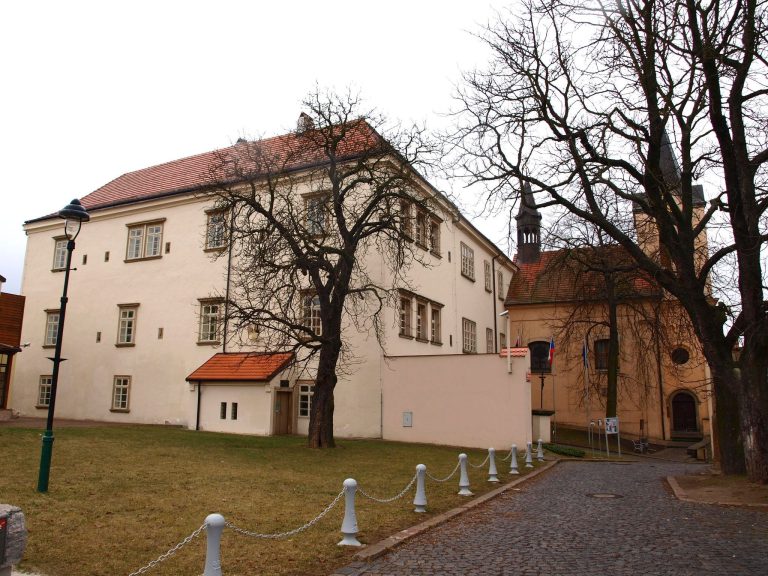
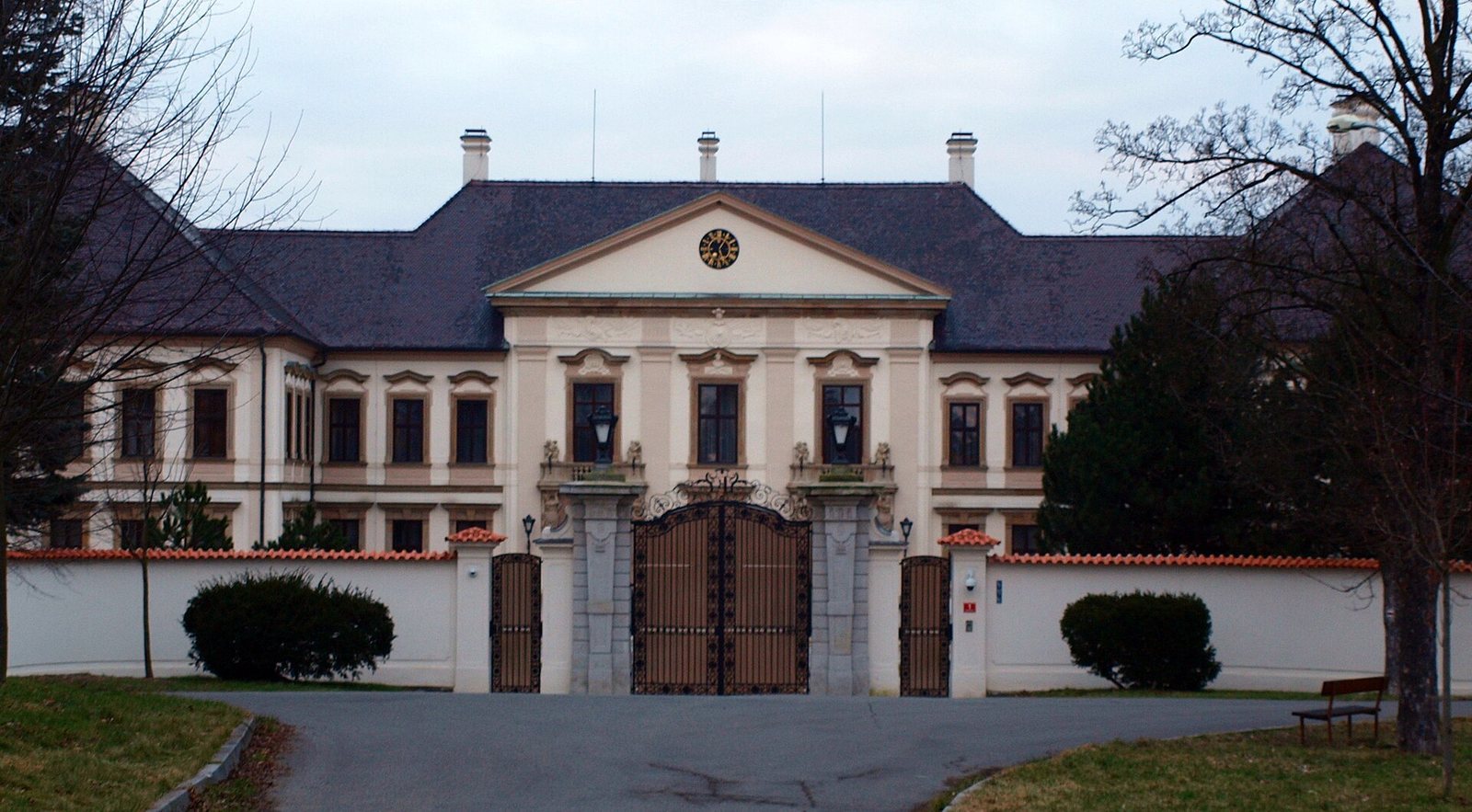
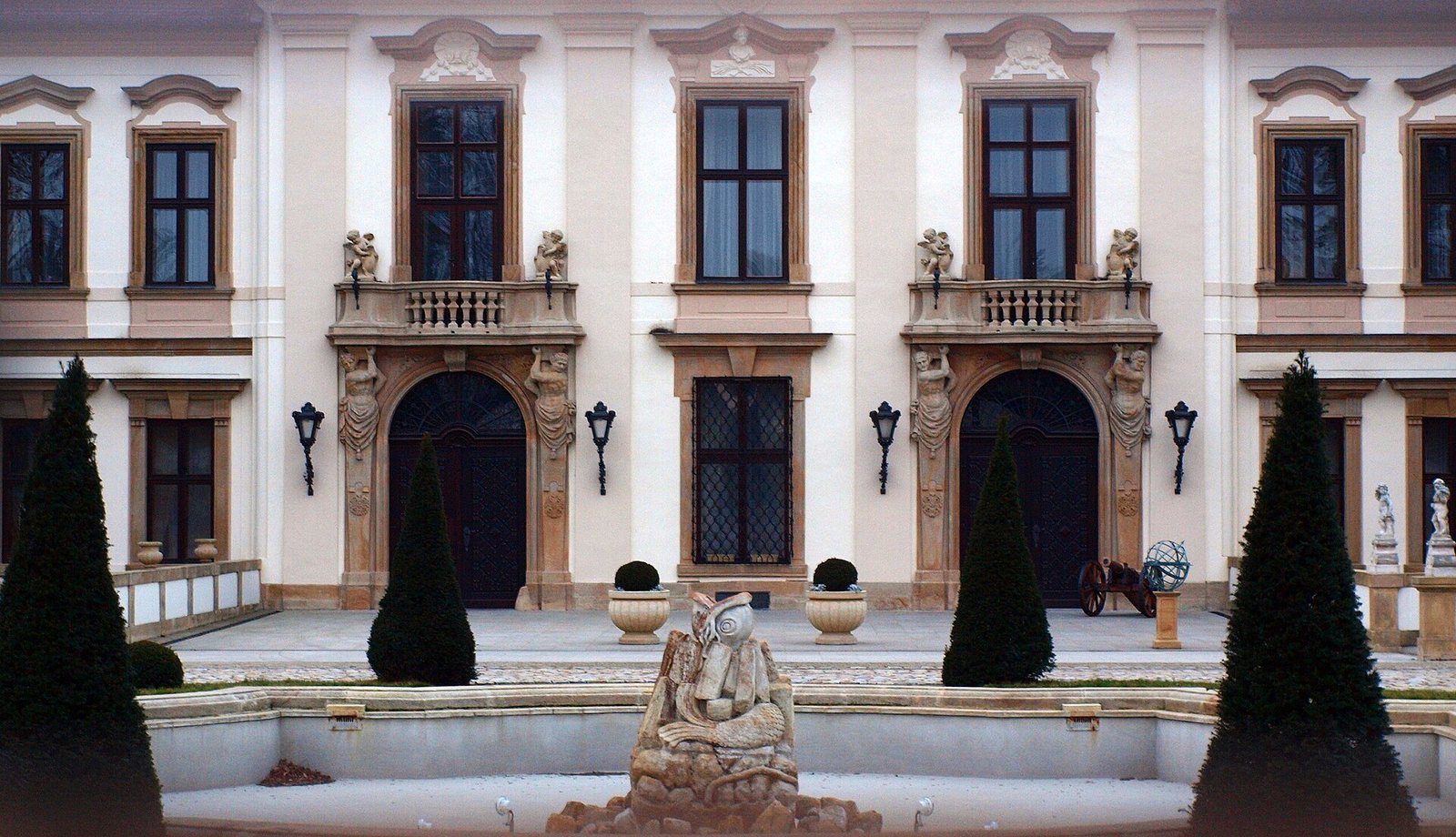
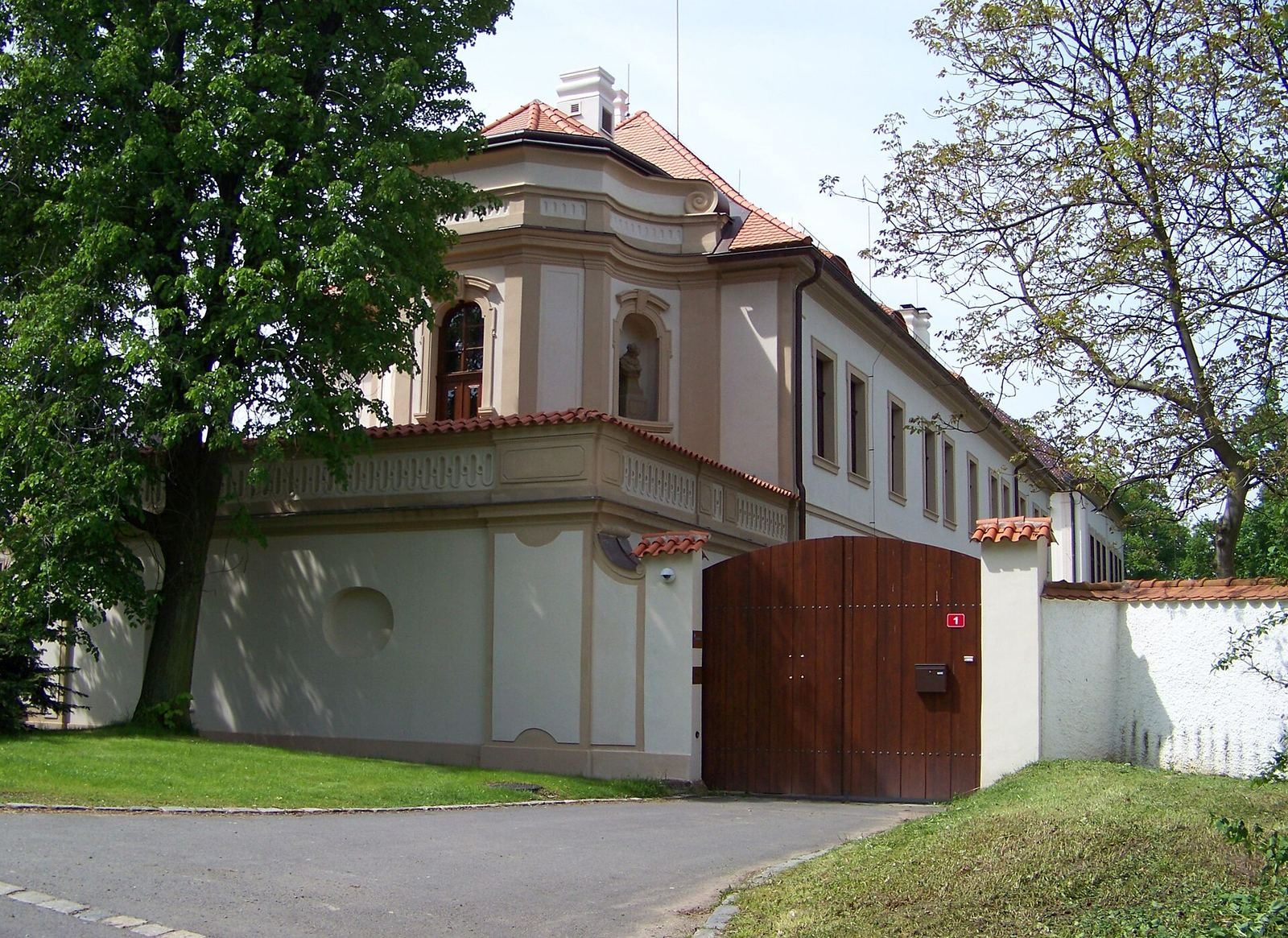
Koloděje chateau is a Baroque residence in Prague-Koloděje, Czechia, commissioned by Prince Johann Adam Andreas I of Liechtenstein. Its original design followed the Baroque style, an ornate European tradition that flourished from the seventeenth into the eighteenth century. Construction took place from 1706 to 1712.
Construction and princely ownership
The Italian architect Domenico Martinelli designed the chateau, and the Italian artist Santino Bussi carried out its decoration. After the prince’s death, his daughter Maria Theresa inherited the property and completed the building and its decorative work in 1720.
Empire-style reconstruction
Prince Alois Joseph of Liechtenstein began a reconstruction in 1802. Engineer Ignaz Schmidt directed the work, which continued until 1810 and reshaped the chateau in the Empire style, a neoclassical form associated with the early nineteenth century.
Fire and presidential residence
A major fire on 18 October 1911 severely damaged the chateau. Local architect Alfons Wertmüller oversaw the restoration. From 1919, the building served as the summer residence of Tomáš Masaryk, Czechoslovakia’s first president, a philosopher and political statesman.
Confiscation and restitution
In 1928, the chateau was sold to Vladimir and Anna Holek, who later transferred it to engineer Antonín Kumpera, general manager of the Walter factory in Jinonice. In 1948, the state confiscated the property under the Beneš decrees, postwar presidential measures that included a legal basis for some property seizures. Kumpera had received a certificate of political reliability in 1945.
Restitution returned the chateau to Kumpera’s heir, Vítězslav Kumpera, in late 2008. A court ruled that the decrees had been unlawfully applied to Antonín Kumpera.
Remains
The property includes the chateau, originally built in the Baroque style and later altered in the Empire style, and an associated English-style park. This kind of park uses naturalistic landscaping rather than a strictly geometric plan.
Chateau
The 1911 fire destroyed the roof. Water used to fight the blaze damaged the second-floor ceiling, causing it to collapse in nine rooms. Repairs were completed in 1914, when workers also installed a water supply, electricity, and central heating.
Park
The park was laid out during the early nineteenth-century reconstruction. Its English-style design follows a naturalistic approach to landscape planning.