Wa Naa’s Palace: Royal Residence of the Wala People
Site at a Glance
- Popularity
- Medium
- Country
- Ghana
- Primary era
- Modern
- Eras represented
- Modern
- Civilizations
- Unclassified
- Site type
- Domestic
- Remains
- Palace
History
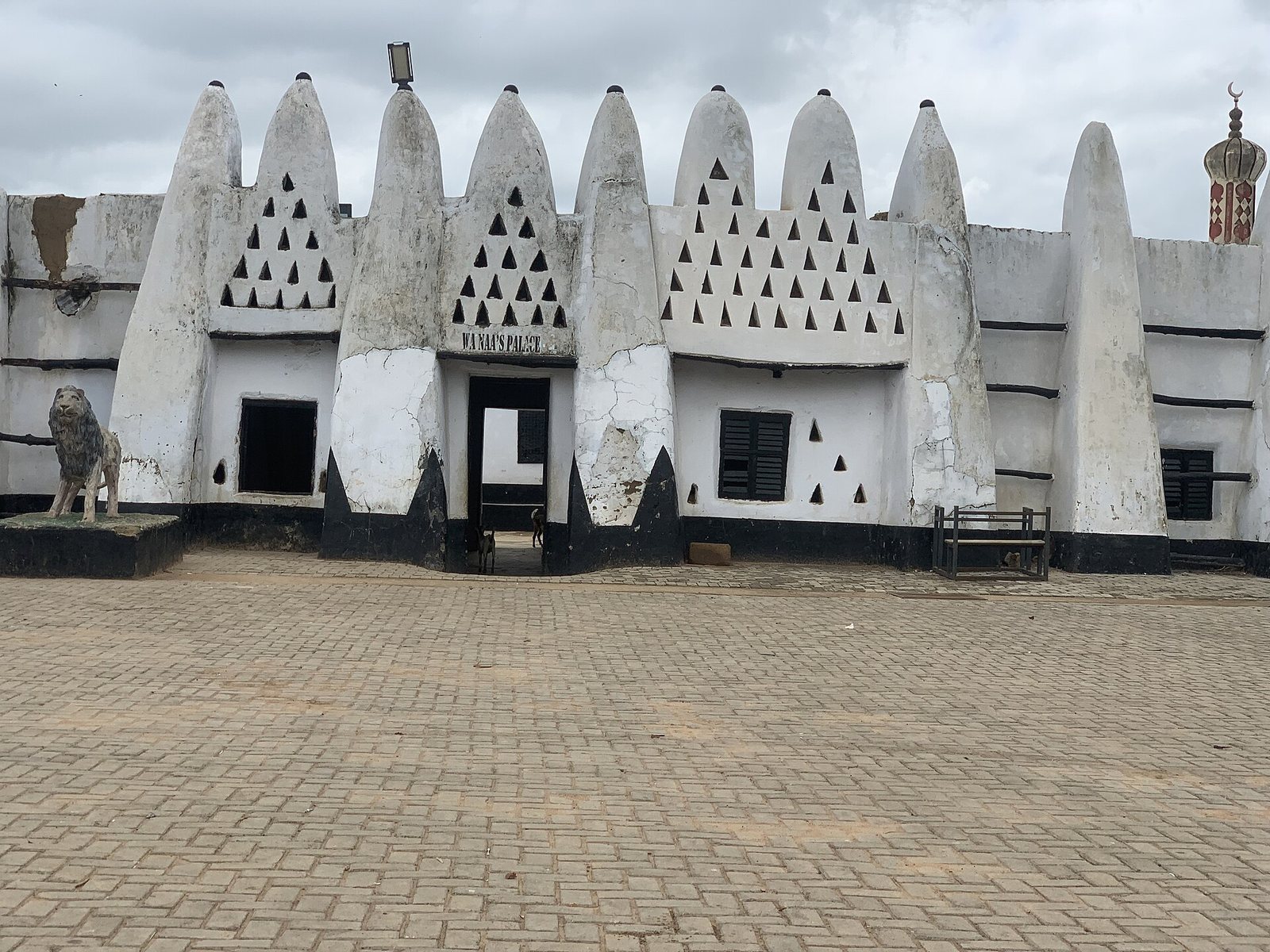
Wa Naa’s Palace is the residence of the Wala king in Wa, Ghana. The traditional mud-brick building is believed to date from the nineteenth century and has cultural, political, religious, and social importance for local people. It is also home to the royal family, palace staff, and kingdom officials.
The Wala are believed to have migrated from Sudan in northern Africa and to have been largely nomadic livestock herders before settling in their present homeland. There, they established kingship and the title Wa Naa for their supreme leader. The Wala are also believed to make up most of Wa’s population.
The palace was built for defense against enemy attacks and held weapons for use if it came under assault. In 2009, the World Monuments Fund, an international cultural heritage conservation organization, and the Ghana Museums and Monuments Board, Ghana’s national institution for museums and monuments, considered ways to preserve the building. A preservation project was completed in 2012.
Remains
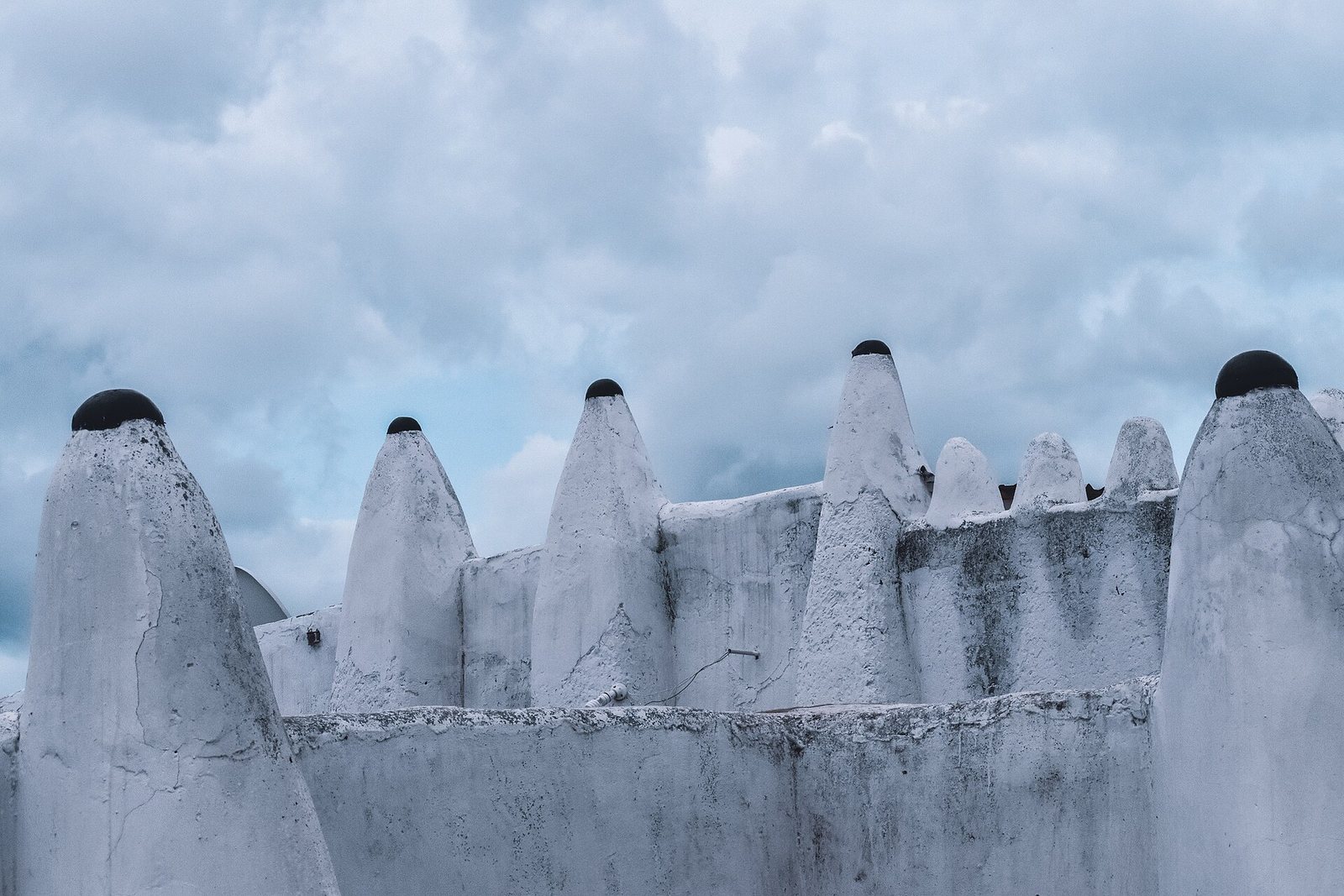
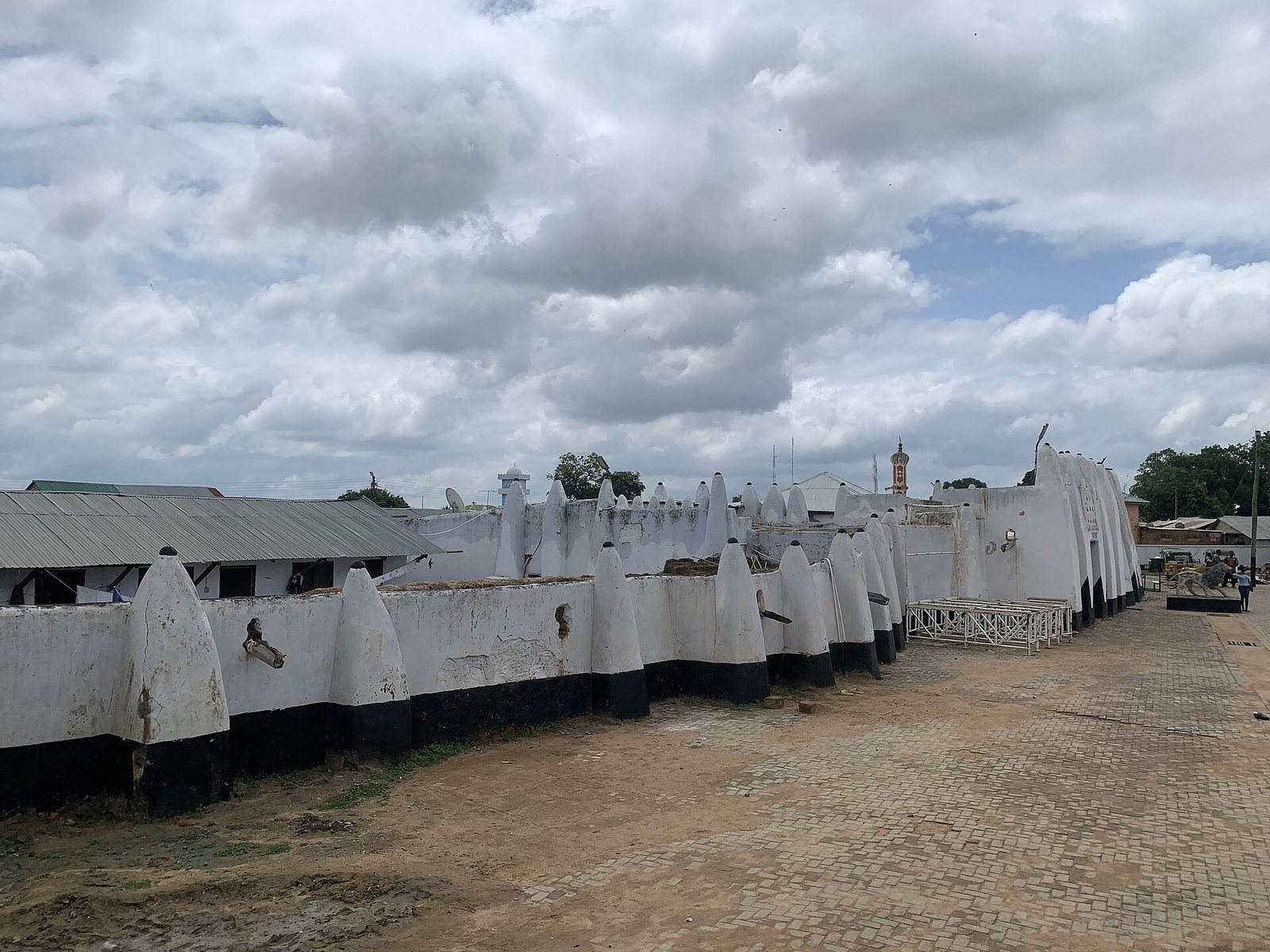
The palace has a Y-shaped form and traditional earthen construction in the Sudano-Sahelian style, a building tradition associated with the Sahel and nearby regions. Its design is thought to combine Moorish architecture, associated with Muslim societies of North Africa and medieval Iberia, with Sahel-Sudan traditions.
Sun-dried mud-brick walls form the building, while Y-shaped wooden columns support its flat roofs. The roofs have a framework of bush poles covered with mud. In the palace, the chief sits on a lion or antelope skin, while others sit on cow or sheep skins. Former kings are buried in front of the building.
Few historic earthen buildings of this kind appear to survive in Ghana’s Upper West Region. The scarcity of skilled artisans needed to maintain them may be one reason.