Linford Manor: A Seventeenth-Century Mansion and Recording Studio
Site at a Glance
- Popularity
- Medium
- Country
- United Kingdom
- Primary era
- Early Modern
- Eras represented
- Early Modern
- Civilizations
- English
- Site type
- Domestic
- Remains
- Manor House
On this page10 sections
History
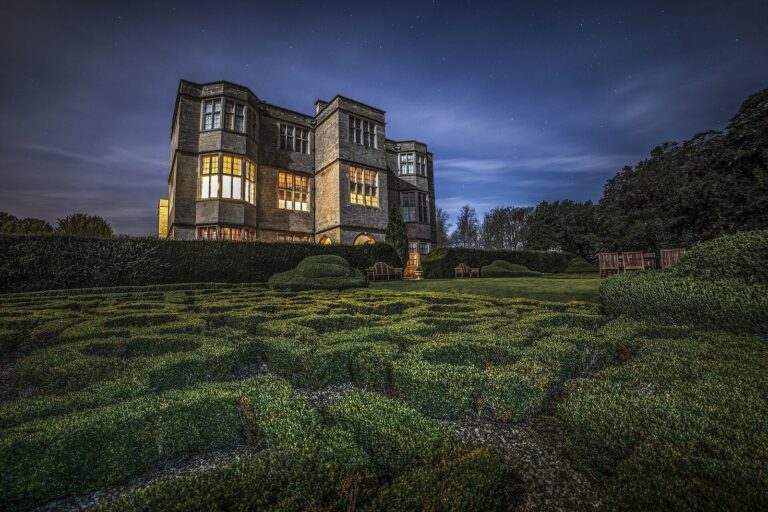
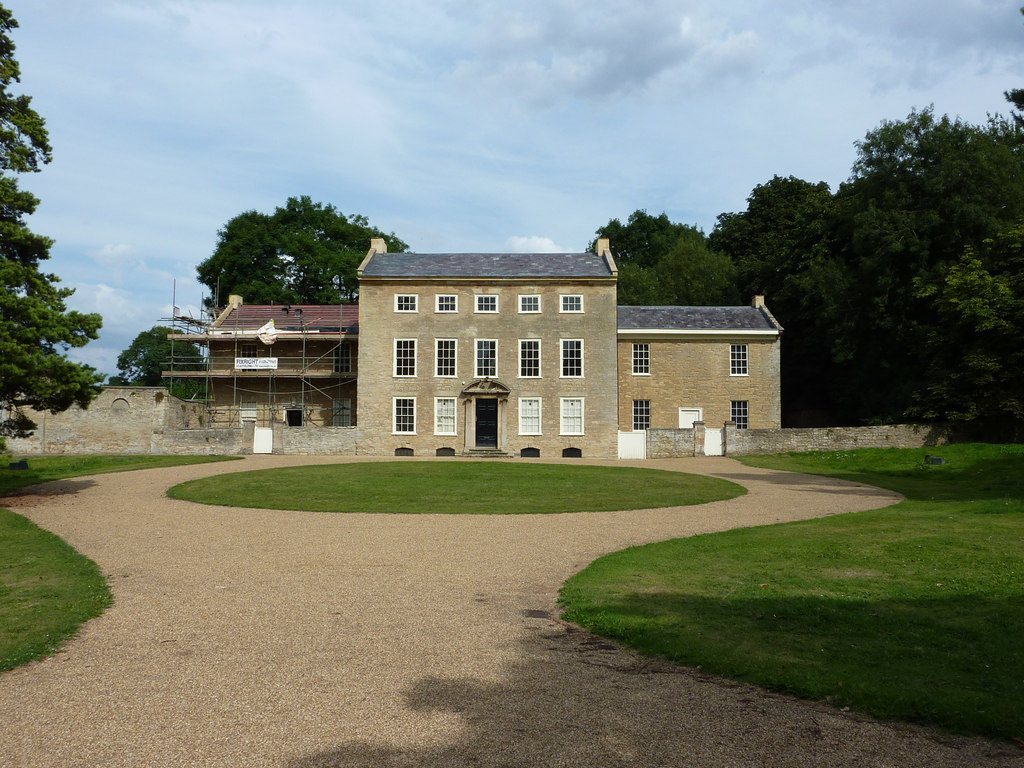
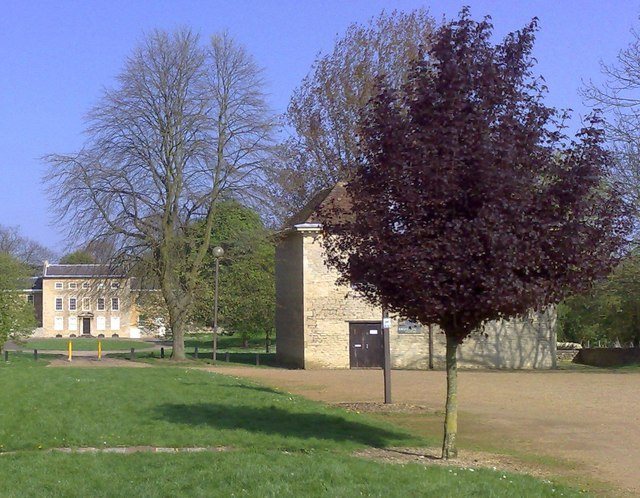
Linford Manor, also known as Great Linford Manor, is a seventeenth-century mansion in Great Linford, a district of Milton Keynes, England. Sir William Pritchard built it in 1678 on land he had bought from the Napier family, slightly downhill from an older medieval manor. Pritchard was an English merchant and politician who served as Lord Mayor of London.
The manor and its owners
In 1704, the property passed to Pritchard’s relatives, the Uthwatts, who enlarged the house over time. The manor had originally served Little Linford as well as Great Linford.
Arts centre and recording studio
Milton Keynes Development Corporation bought the manor in 1972 to create an arts centre. The centre received financial support from the corporation for a short period, but closed in 1984. Harry Maloney bought the property in 1984–85 and turned it into a residential recording studio, which he directed from the mid-1980s into the early 1990s.
The studio invested in digital recording early in its development in the United Kingdom. Work there included Biffy Clyro’s second album, The Vertigo of Bliss, and recordings by PJ Harvey. Jamiroquai frontman Jay Kay confirmed that the band’s album Travelling Without Moving was recorded at the manor.
Later ownership
Pete Winkelman bought the manor in 1993 and continued its use as a recording studio. Recording became less frequent over time, and Winkelman now uses the house as his family home.
Remains
The manor house stands near the Grand Union Canal, within surrounding parkland. The canal once had a wharf here that was separate from Great Linford wharf. Springs still feed descending ponds in the grounds. Two ponds lie on the manor side of the canal, while another is on the Railway Path side. The parkland remains open to the public and is owned by Milton Keynes Parks Trust.
Recording and arts buildings
Manor house studio
The main recording studio occupied part of the manor house. Its equipment included a 48-channel, 56-frame SSL recording and mixing desk, while artists and producers stayed in rooms upstairs.
Pavilion Studio
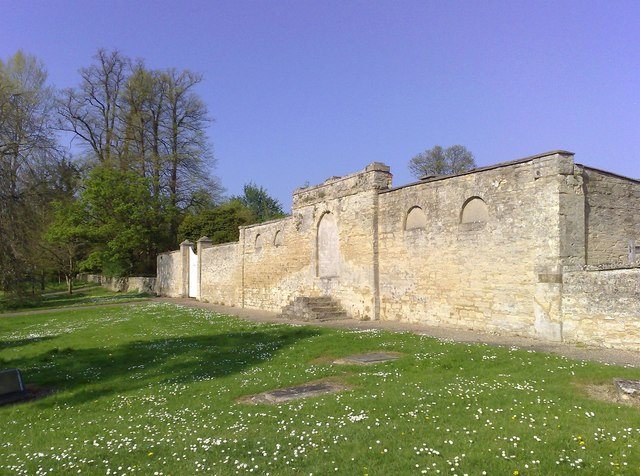
A second studio, known as the Pavilion Studio, was established in one of the Pavilion Houses opposite the manor. It housed a customized vintage analogue Shep/Neve inline desk. The building has since returned to community arts use.
Almshouses
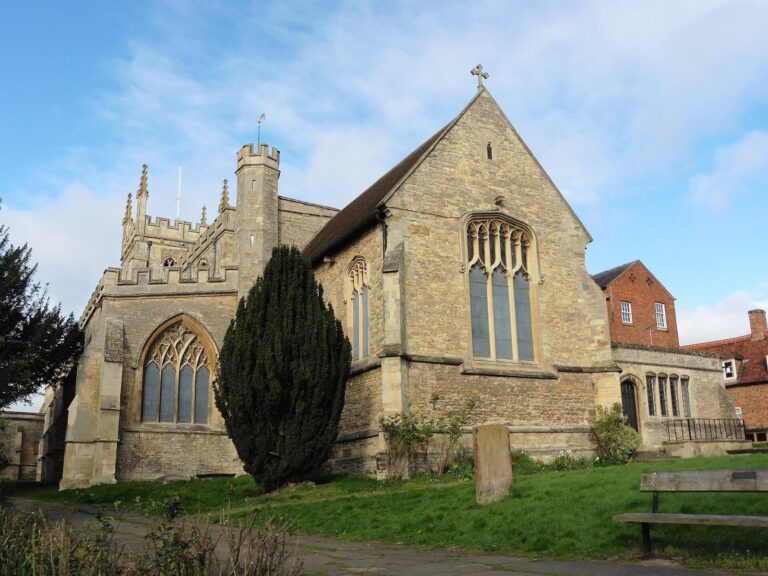
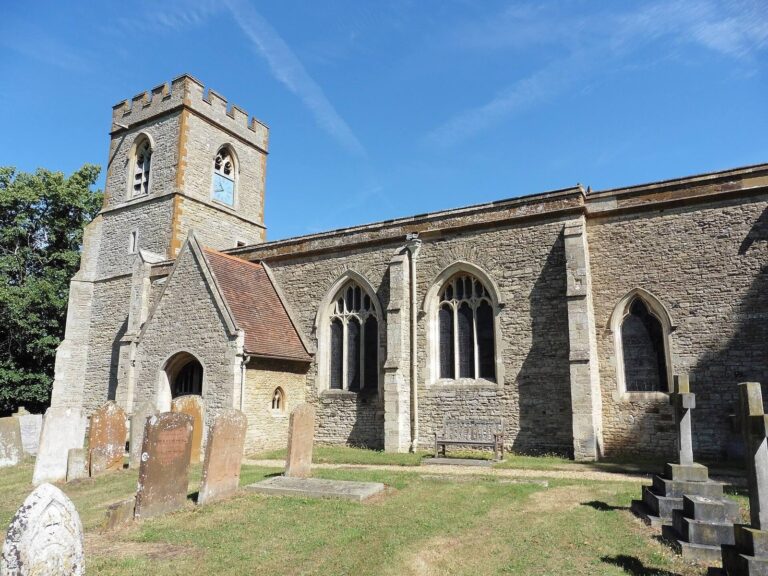
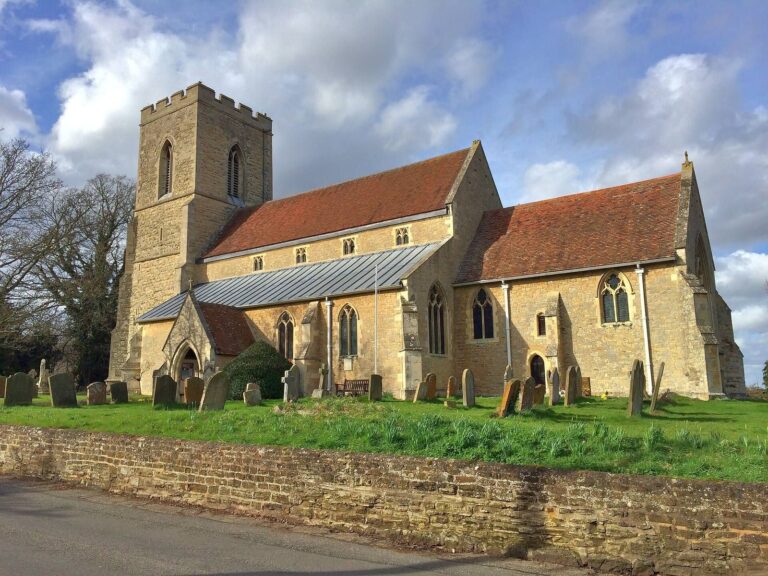
An almshouse beside the church in the manor park provided accommodation for artists using the Pavilion Studio. Former almshouses beside the stables now serve as artists’ studios.
Stables and gatehouses
The former stables and their associated gatehouses now serve as an arts centre.