Otamendi Belgrano Palace: Historic Residence and Cultural Center in San Fernando
Site at a Glance
- Popularity
- Medium
- Country
- Argentina
- Primary era
- Modern
- Eras represented
- Modern
- Civilizations
- Unclassified
- Site type
- Domestic
- Remains
- Elite Residence
On this page7 sections
History
The Belgrano family residence
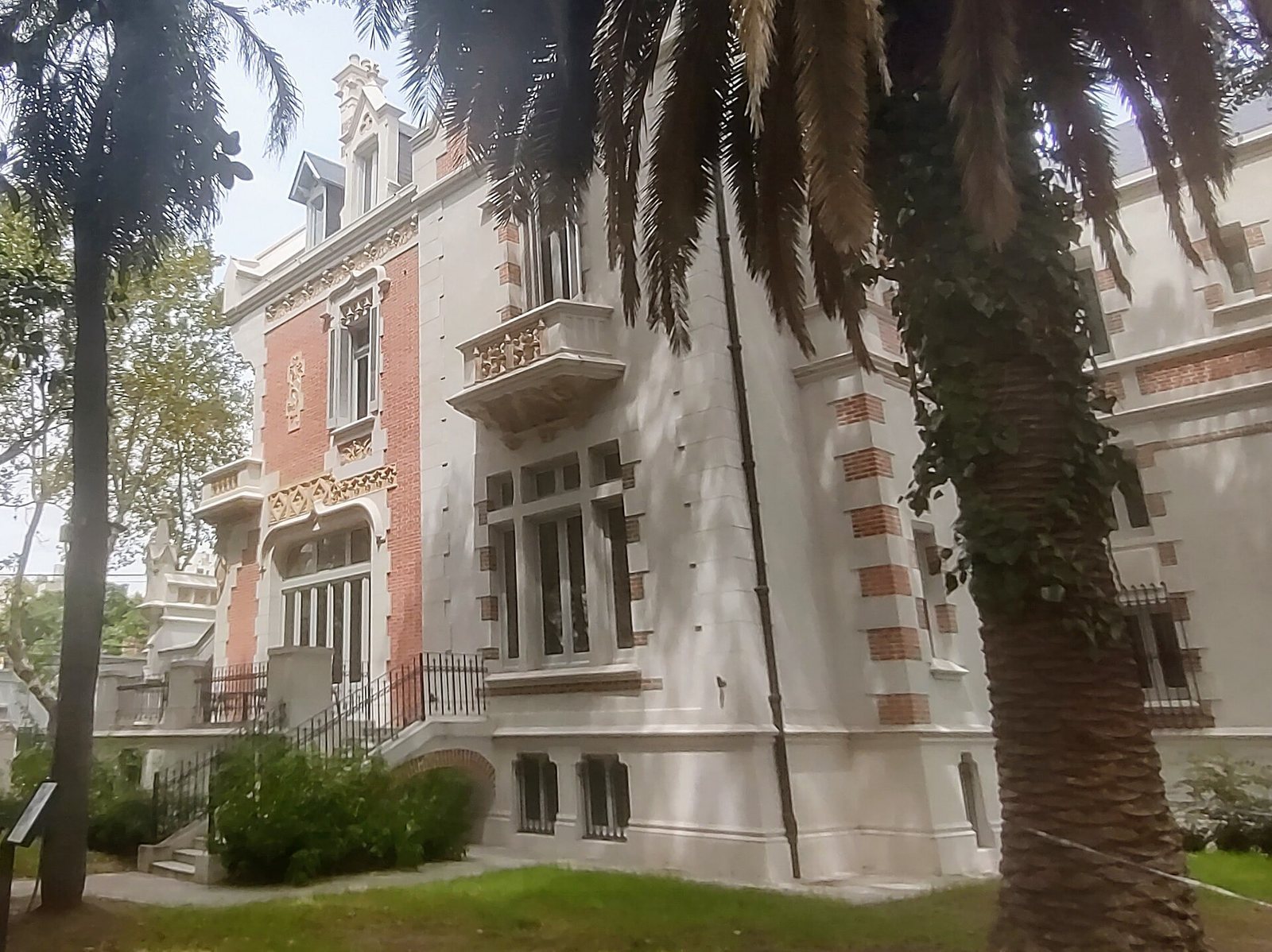
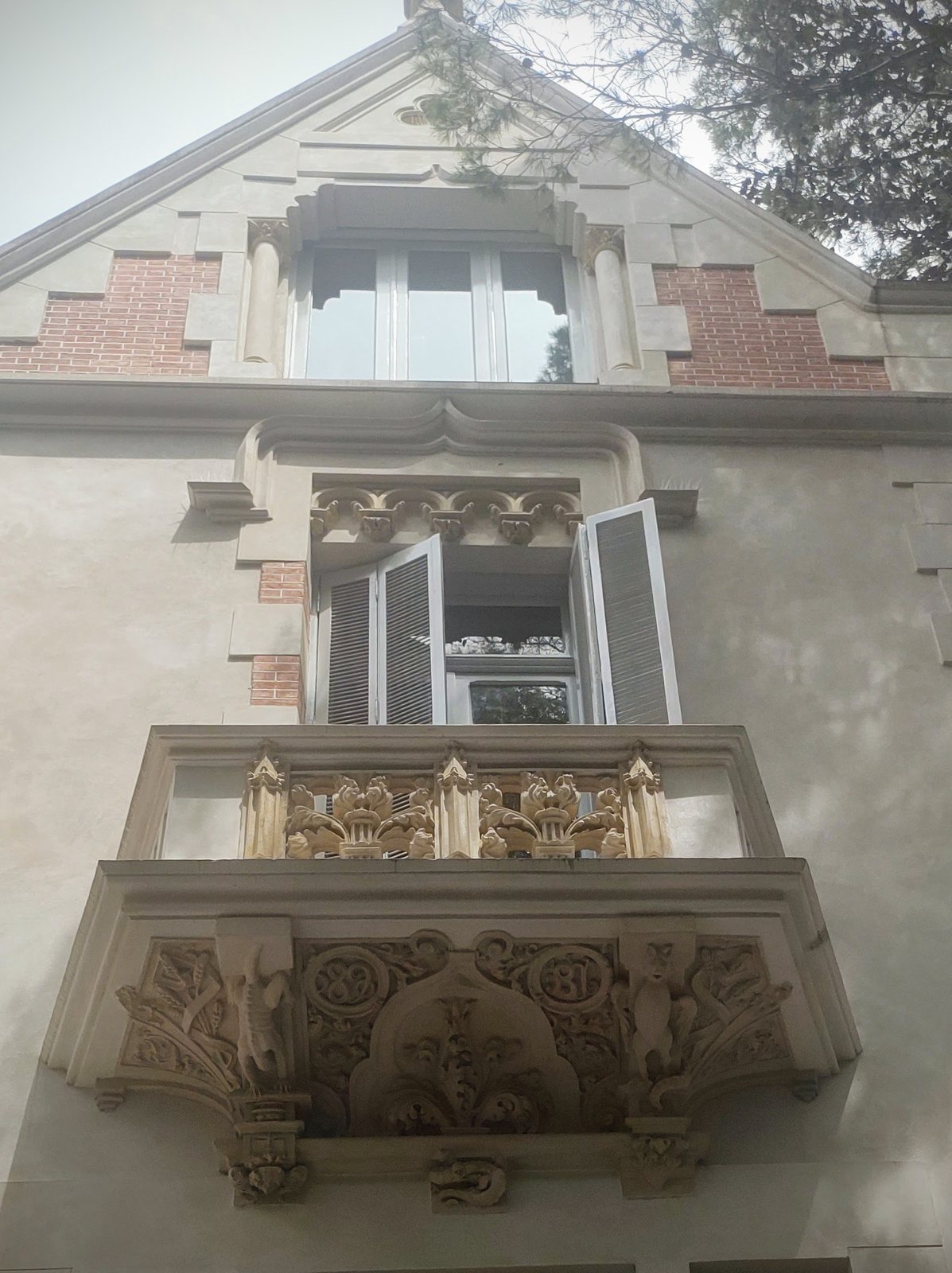
Otamendi Belgrano Palace is an eclectic-style residence in San Fernando, Buenos Aires Province, Argentina, designed by Uruguayan architect Joaquín Mariano Belgrano and built from 1879 to 1882. It opened in 1882 as Belgrano’s family home.
The Belgranos had longstanding ties to San Fernando. Joaquín was a great-grandnephew of Carlos José Belgrano, who held military and administrative responsibilities at the Fort of San Fernando de la Buena Vista and commanded troops that fought the British in the area. Carlos’s brother, Manuel Belgrano, was an Argentine military and political leader associated with the independence movement. Joaquín, who had trained in Paris, lived in the palace with his wife, Josefina Rawson, and their seven children until his death in Paris in 1901.
Joaquín first named the residence Villa María, in honor of his mother, María Villarino Márquez. It later became known as Belgrano Palace and then Otamendi Palace. In 1903, Josefina sold it to Rómulo Otamendi and Matilde Carballo, who used it as a summer home.
From summer home to state property
After the premature death of Rómulo and Matilde’s only daughter, Estela Matilde, and Matilde’s later death, Rómulo donated the property to the Society of Beneficence of Buenos Aires, a charitable institution that administered social-welfare services. The society established a girls’ home there, operated by the Spanish Congregation of the Holy Guardian Angels of Bilbao, a religious order dissolved in 1936. That year, the property passed to the Argentine state.
Later uses included a juvenile correctional institute and a drug rehabilitation center. By 2000, a unit of the Ministry of Social Development was based there. These successive uses damaged the palace, which was then abandoned. It was unlawfully occupied and vandalized, and a deliberately set fire in 2017 destroyed part of its roofs.
Municipal ordinances and the National Commission of Historic Monuments protect the palace. In 2019, a decree by Marcos Peña authorized its demolition and called for its sale, citing the building’s condition. San Fernando mayor Juan Andreotti’s efforts to buy it for the municipality were unsuccessful. The state placed the property in municipal custody in 2020.
A national law passed in 2022 enabled the transfer of the palace’s bare ownership, meaning legal title without necessarily transferring immediate possession or control, to the city through the Agency for Administration of State Assets. Restoration began in January 2022 and was completed in July 2023. The palace now houses a cultural center and theater.
Remains
Main structure
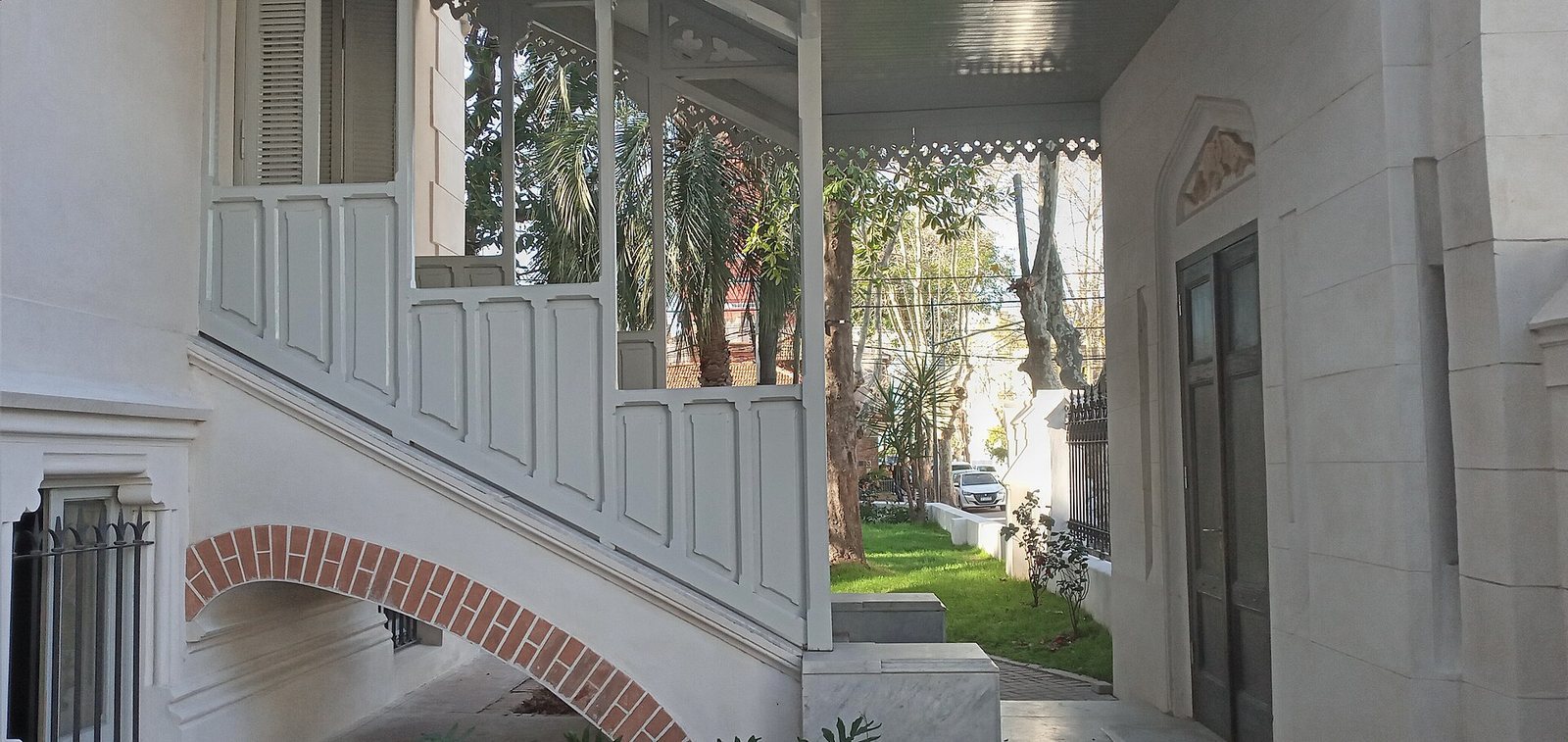
European-imported materials were used to construct the palace. When it opened, the residence had eight floors and more than twenty rooms.
Tower
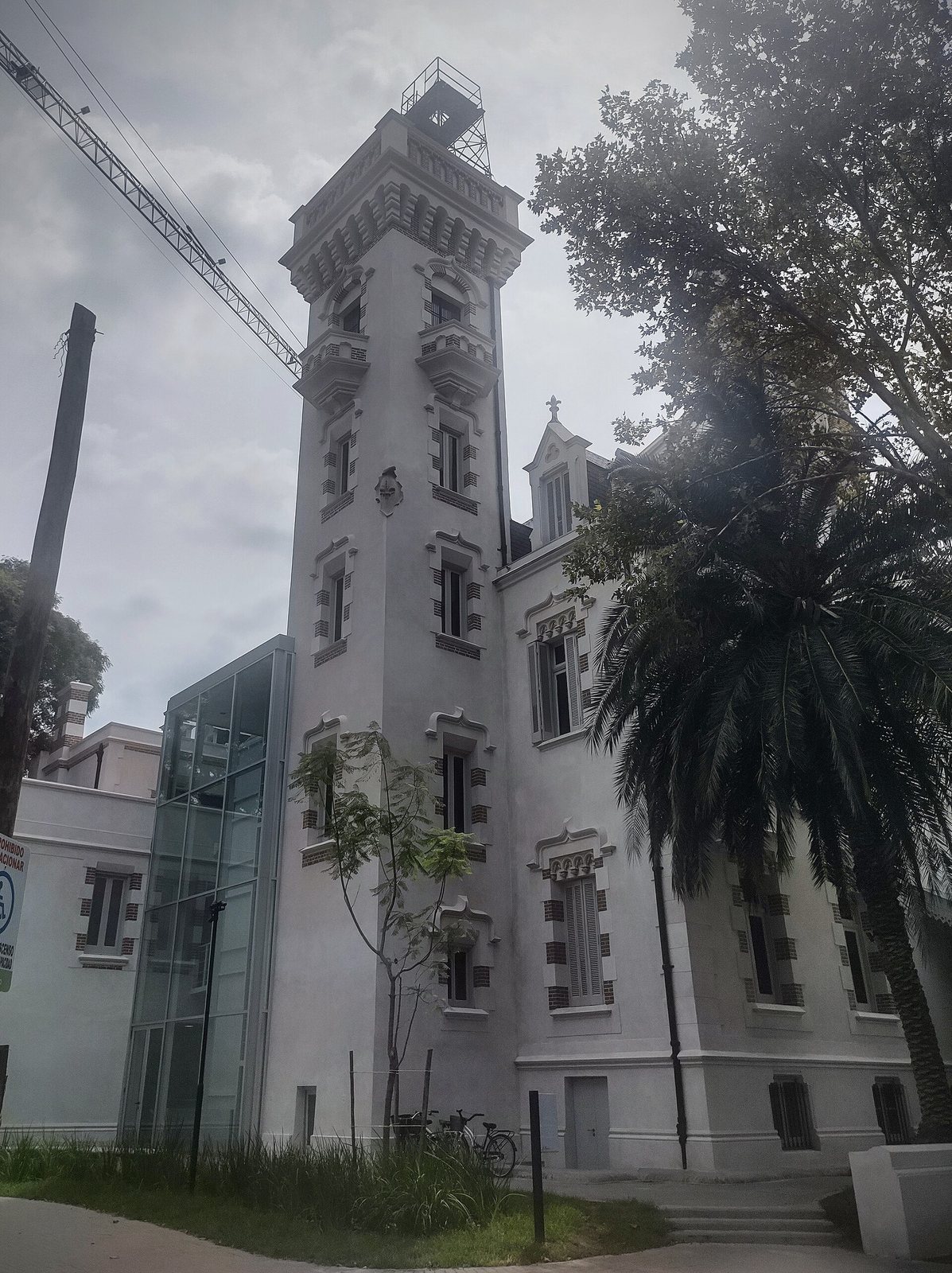
A neo-Gothic tower formed part of the design and made the palace San Fernando’s tallest building for many years. It was intended as a reference to the Belgrano family’s military history.
Vestibule and library
The residence included a prominent library of more than 5,000 volumes and a vestibule. The vestibule retains a plaque made from Delft tiles by the landscape painter Cornelis Springer. An oral tradition holds that Delft was Josefina Rawson’s favorite city.