Gyantse Dzong: A Tibetan Fortress Guarding the Approaches to Lhasa
Site at a Glance
- Popularity
- High
- Country
- China
- Primary era
- Medieval
- Eras represented
- Medieval
- Civilizations
- Mongolian, Tibetan
- Site type
- Military
- Remains
- Castle
On this page9 sections
History
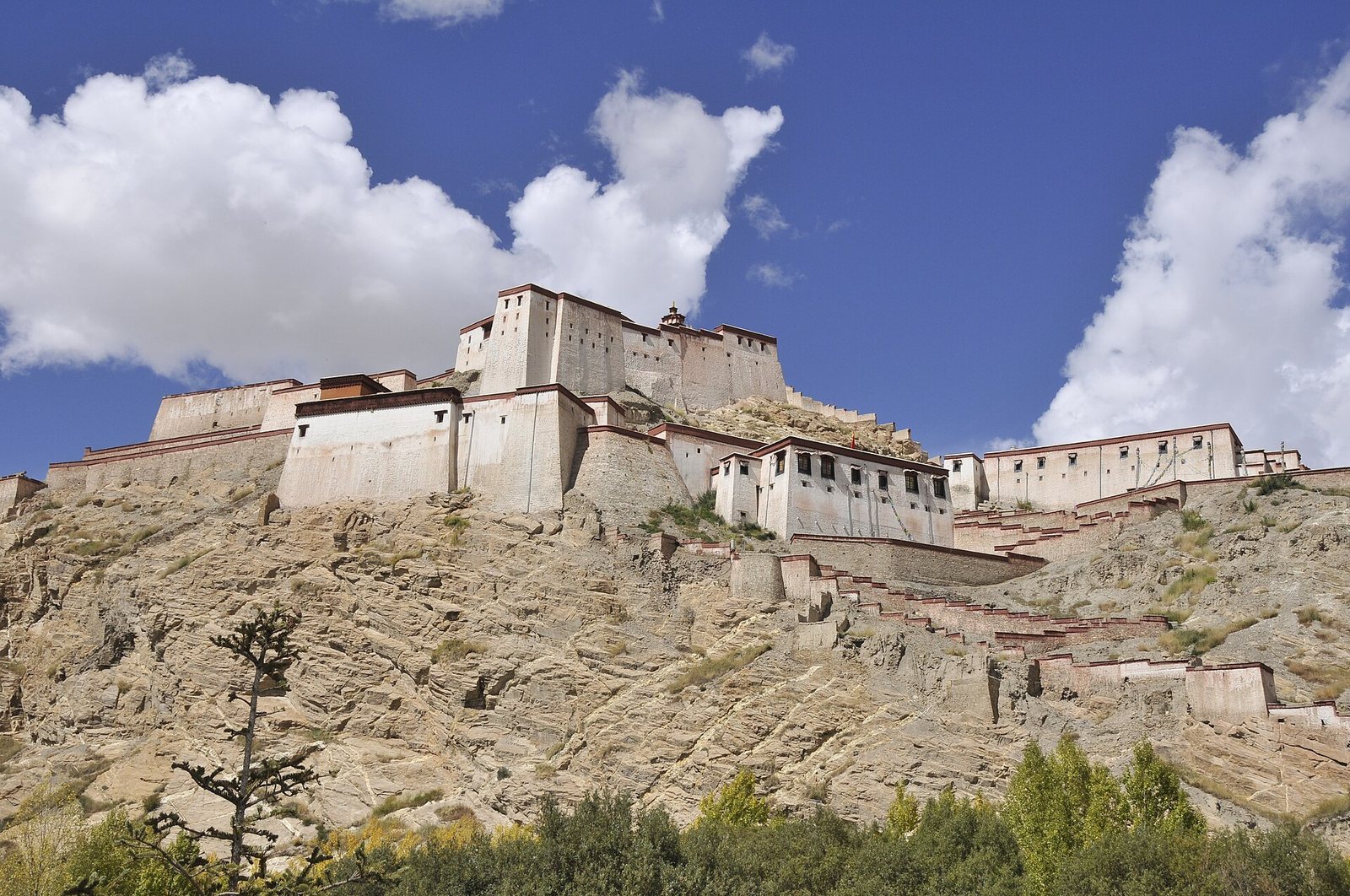
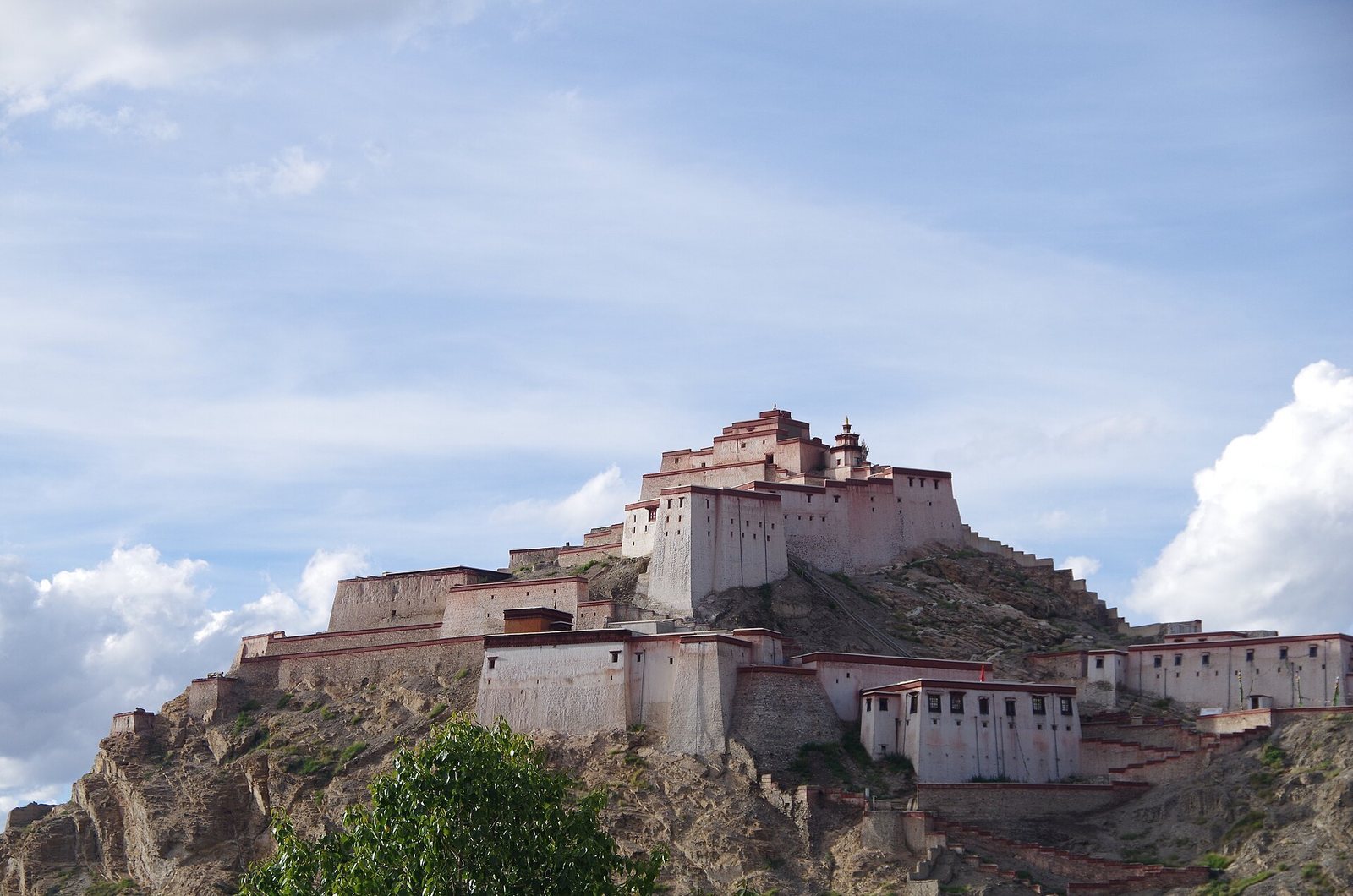
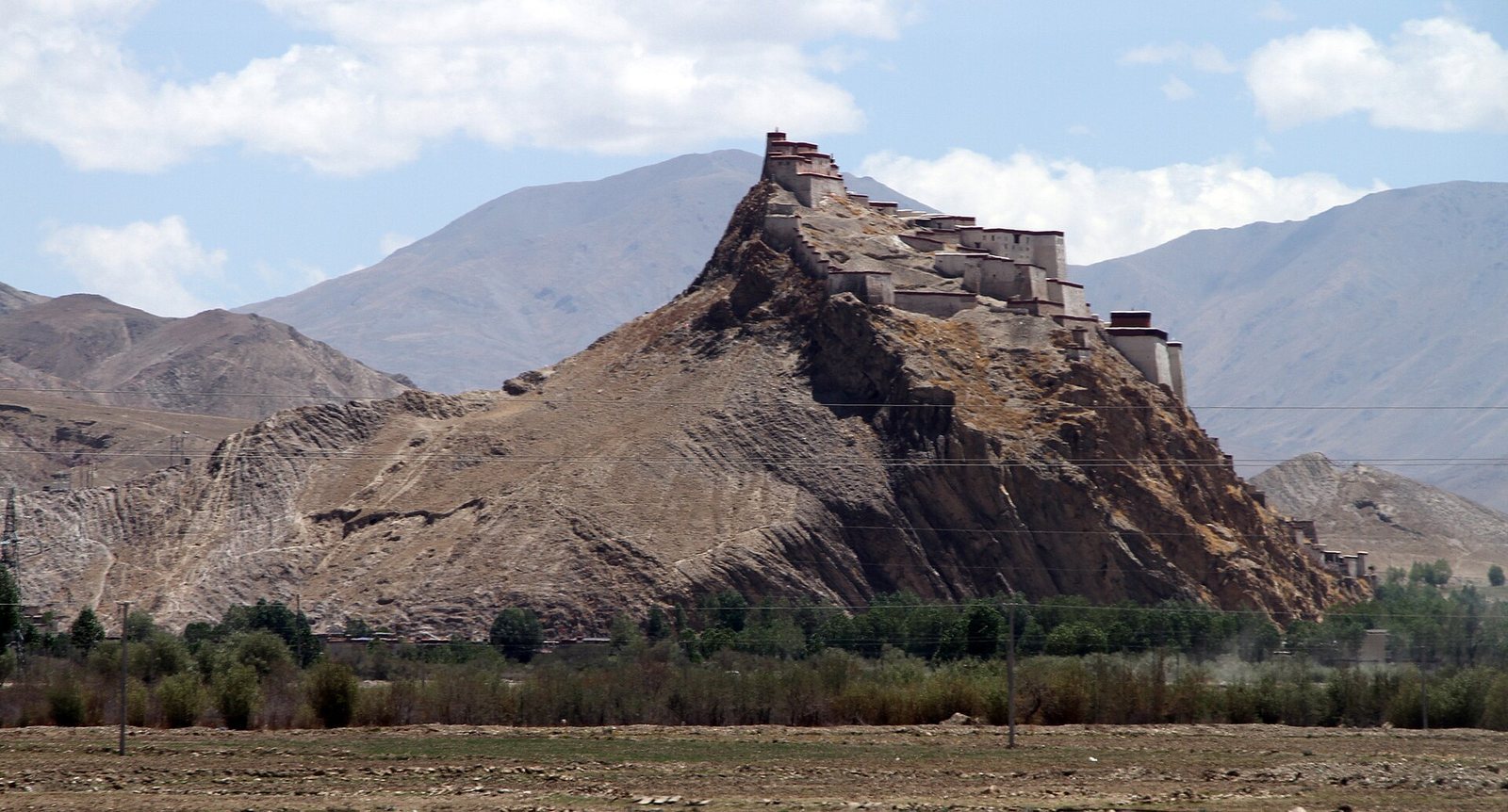
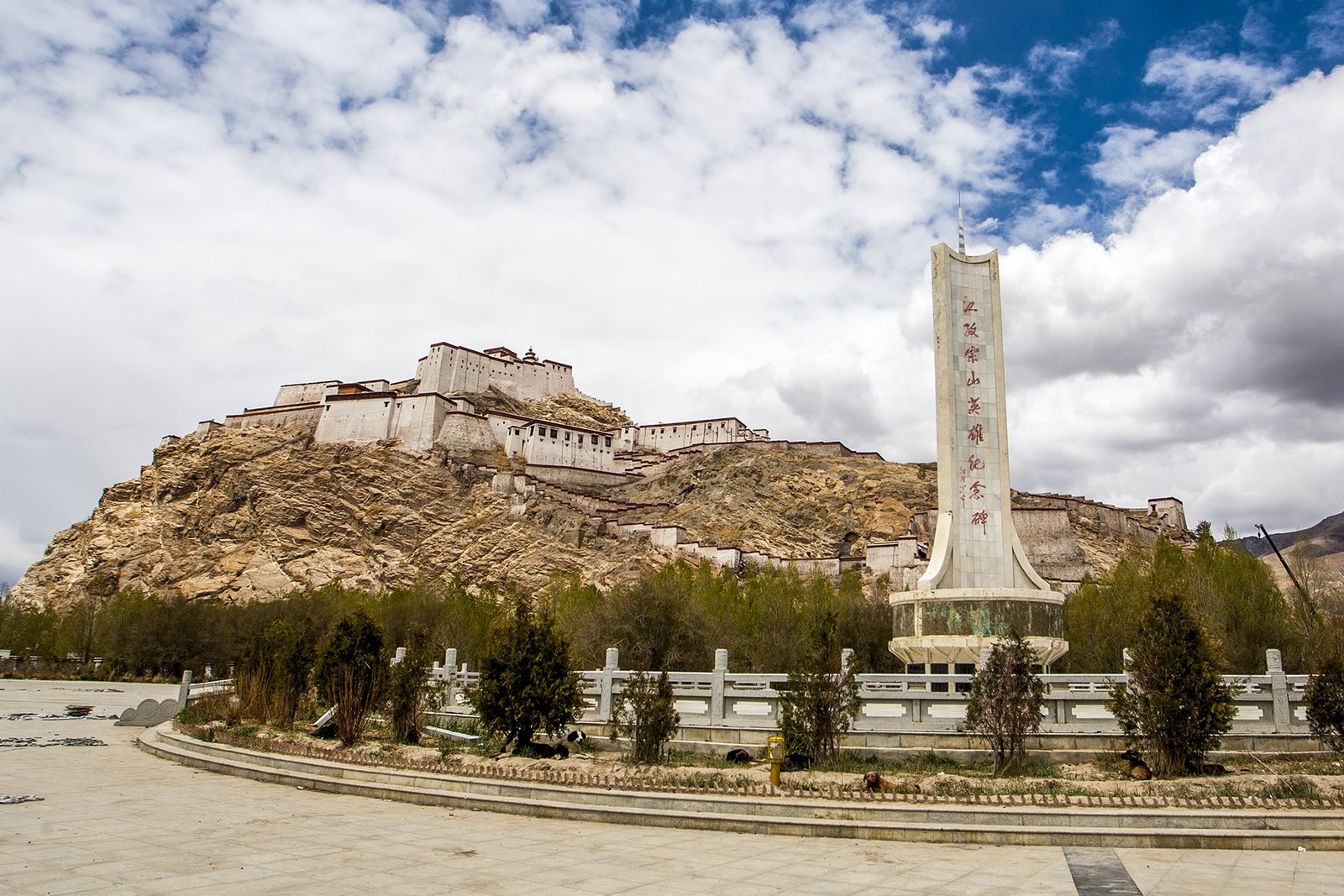
Gyantse Dzong is a Tibetan fortress complex on a rocky rise above Gyantse in China, with origins reaching back to the ninth century. It guarded southern approaches to the Tsangpo Valley and Lhasa, and became a focus of fierce fighting during the British military expedition into Tibet in 1904.
Early fortress and medieval expansion
The earliest stronghold, called Gyel-khar-tse, is attributed to Pelkhar-tsen, son of King Langdharma, whose reign is placed around 838–841. A castle associated with the Yarlung kings, an early Tibetan ruling dynasty, preceded the later dzong. Tradition dates the fortress walls to 1268, after the Sakyapa, a school of Tibetan Buddhism, gained power.
In 1365, local prince Phakpa Pelzangpo built a large palace. He had gained favor through campaigning for the Sakyapas in the south, and brought the Tibetan Buddhist scholar and teacher Buton Rinchendrub to live in a temple there. The fortress was constructed in 1390, the year a large nearby temple is also believed to have been established.
Later in the fourteenth century, Phakpa Pelzangpo’s son Kungpa Phakpa enlarged the complex and transferred the royal residence there from his father’s palace and fort at the entrance to the Gyantse Valley. He also built Samphel Rinchenling beside the castle, the first temple on the hilltop.
Strategic role and the 1904 expedition
The fortress guarded routes toward the Tsangpo Valley and Lhasa, including access along the Yarlung Tsangpo, a major Tibetan river known downstream as the Brahmaputra, and the road to Lhasa. Nepalese invaders also attacked the fortress.
British forces reached Gyantse on 12 April 1904. Most of the defenders had left, so the British initially took the fortress without bloodshed. They soon withdrew to Changlo, about a mile south near the Nyang River, because they considered the fortress difficult to defend. On 5 May, hundreds of Tibetans attacked the British camp there. The assault was repulsed, with at least 200 casualties among the attackers. Two days later, infantry sent by General James Macdonald arrived after an ambush at Karo Pass, about 80 kilometres east of Gyantse, in which four men were killed and thirteen badly wounded. During the siege of Changlo, Tibetan forces fired small lead and copper cannonballs from the dzong.
On 28 June, reinforcements led by Younghusband, the British officer in charge of the expedition, reached Changlo and lifted the siege. The force included more than 100 mounted soldiers, over 2,000 infantry, eight artillery pieces, 2,000 laborers, and 4,000 yaks and mules. That day, heavy artillery fire captured Tsechen Monastery and Dzong, which guarded Gyantse Dzong’s rear. Macdonald judged that Tsechen had to be taken before an assault on Gyantse.
The attack on Gyantse began on 5 July. Tibetan defenders held out into the afternoon of 6 July, when artillery broke through the wall and struck the gunpowder store, causing a major explosion. British and Gurkha troops, soldiers recruited from Nepal, climbed the rocky face and entered despite defenders hurling stones and boulders. John Duncan Grant and Havildar Kabir Pun, a non-commissioned officer, received awards for their actions with fellow soldiers of the 8th Gurkha Rifles, a regiment of the British Indian Army.
After the capture, prisoners of war were made to remove the dead Tibetan defenders for burial. British military engineers then demolished the remaining fortifications at Gyantse, Tsechen, and other locations. With the route to Lhasa open, the British began their march there on 14 July. The determined defence led the Chinese government to call Gyantse the “Hero City.”
Destruction and restoration
China had designated the fortress a national monument in 1961. During the Cultural Revolution, a Chinese political campaign from 1966 to 1976 that targeted traditional institutions and cultural heritage, Red Guards dynamited the walls in 1967 and looted the fortress. Valuable objects were destroyed or removed from the Tibet Autonomous Region. The dzong has since undergone restoration in stages.
Remains
Gyantse Dzong stands on a large grey-brown rocky spur above the town, in its southern part. A wall about three kilometres long enclosed the town, and the fortress entrance lies on its eastern side. Much of the fortress is now in ruins, though it remains among the best-preserved dzongs in Tibet. The fourteenth-century Pelkhor Monastery was built nearby.
Fortress walls and murals
Most of the fortress walls are ruined, but surviving sections retain murals from the fourteenth century. They include works in the Newari artistic tradition, associated with the Newar people of Nepal, and in the Gyantse style that developed from it.
Restored buildings and religious features
Chapel and museum
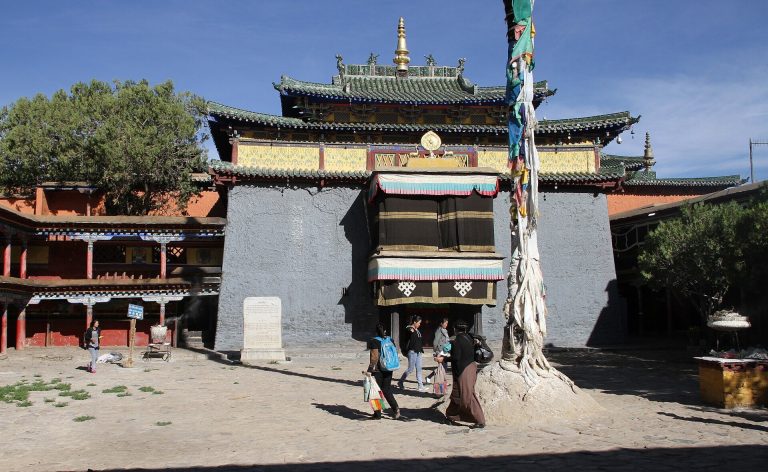
Two parts of the complex have been restored. They include a chapel decorated with murals and Buddhist statues, and a separate building that houses a small museum. The museum presents the 1904 expedition from a Chinese perspective.
Sakyamuni temple
A small temple within the fortress, dedicated to Sakyamuni, the historical Buddha, has also been renovated. Its murals are badly deteriorated; one depicts Avalokiteshvara, a bodhisattva in Buddhist traditions.