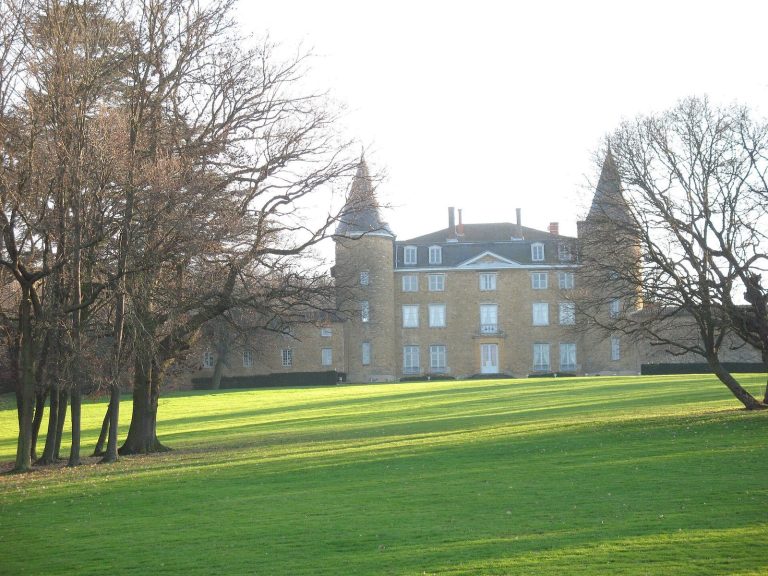
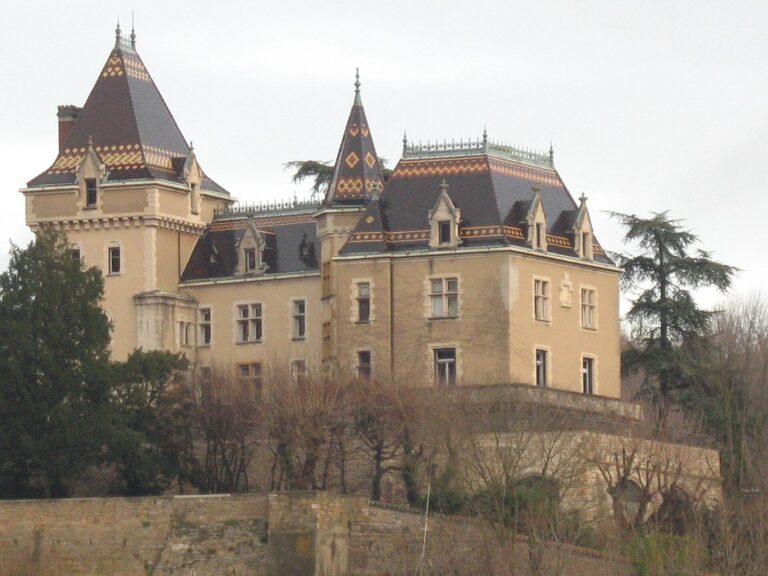
Fort du Mont Verdun: A French Military Fort Overlooking Lyon
Site at a Glance
- Popularity
- Medium
- Country
- France
- Primary era
- Modern
- Eras represented
- Modern
- Civilizations
- French
- Site type
- Military
- Remains
- Fort
On this page8 sections
History
Construction and early military use
Fort du Mont Verdun is a French military fort above Lyon, in France. Construction began in 1874 as part of Lyon’s second fortified belt, a line of forts intended to defend the city. It was the belt’s largest fort and the only one regarded as a mountain fort; the line also included forts at Bron, Vancia, and Feyzin.
In 1886, workers reinforced the barracks with special concrete. The fort was decommissioned in 1889 and later served as a store and ammunition depot.
Twentieth-century military roles
German forces used the fort for anti-aircraft defense in 1943 and 1944. After the war, the French Air Force established an aircraft-detection installation there. In the early 1970s, a command post for France’s nuclear strike force was installed as part of what became Airbase 942 Lyon-Mont Verdun. The fort remains owned and occupied by the French Air Force as part of the base.
Remains
Fort and supporting defenses
At an elevation of 630 metres, the fort overlooks Lyon, Limonest Pass, the lower Azergues valley, and the Saône valley. Its main structure has a pentagonal plan and a surrounding ditch protected by caponiers, covered defensive works protecting the ditch. A fixed bridge leads to the entrance, with a rolling bridge extending it.
Earth mound, barracks, and gun positions
A thick central mound of earth conceals a two-storey barracks designed to house about 500 men. Fourteen artillery platforms were arranged on the mound’s surface. The fort’s defenses also included a lower battery and four associated batteries at Mont Thou, Les Carrières, Narcel, and La Freta. An artillery battery is a group of gun positions.
Stores and communications
Two powder magazines, used to store gunpowder, had capacities of 76 and 65 tonnes. An open yard provided space for storing shells. A telegraph connected the fort with Fort Saint-Eynard and the Bastille fort at Grenoble.
Surrounding military features and radar
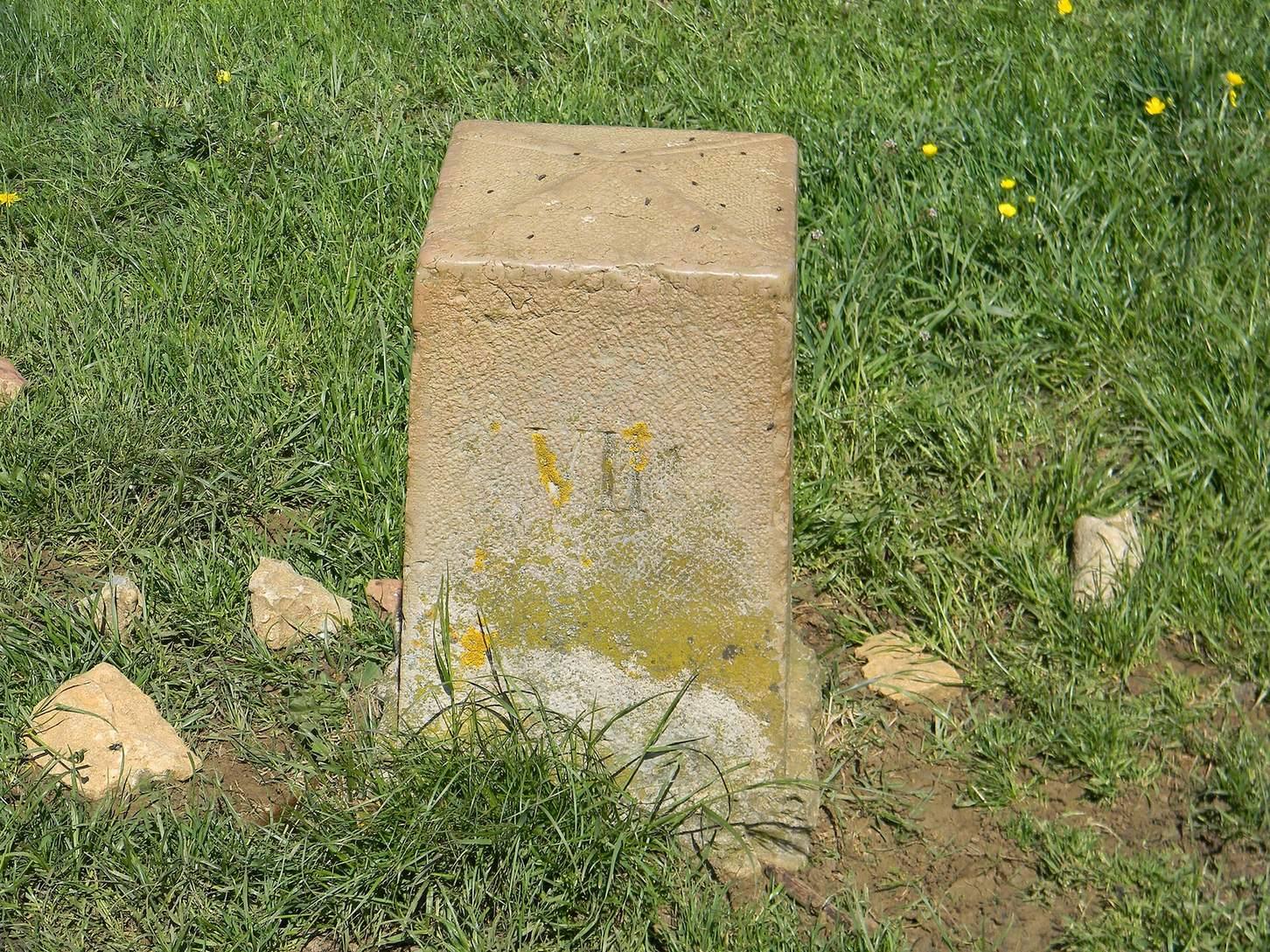
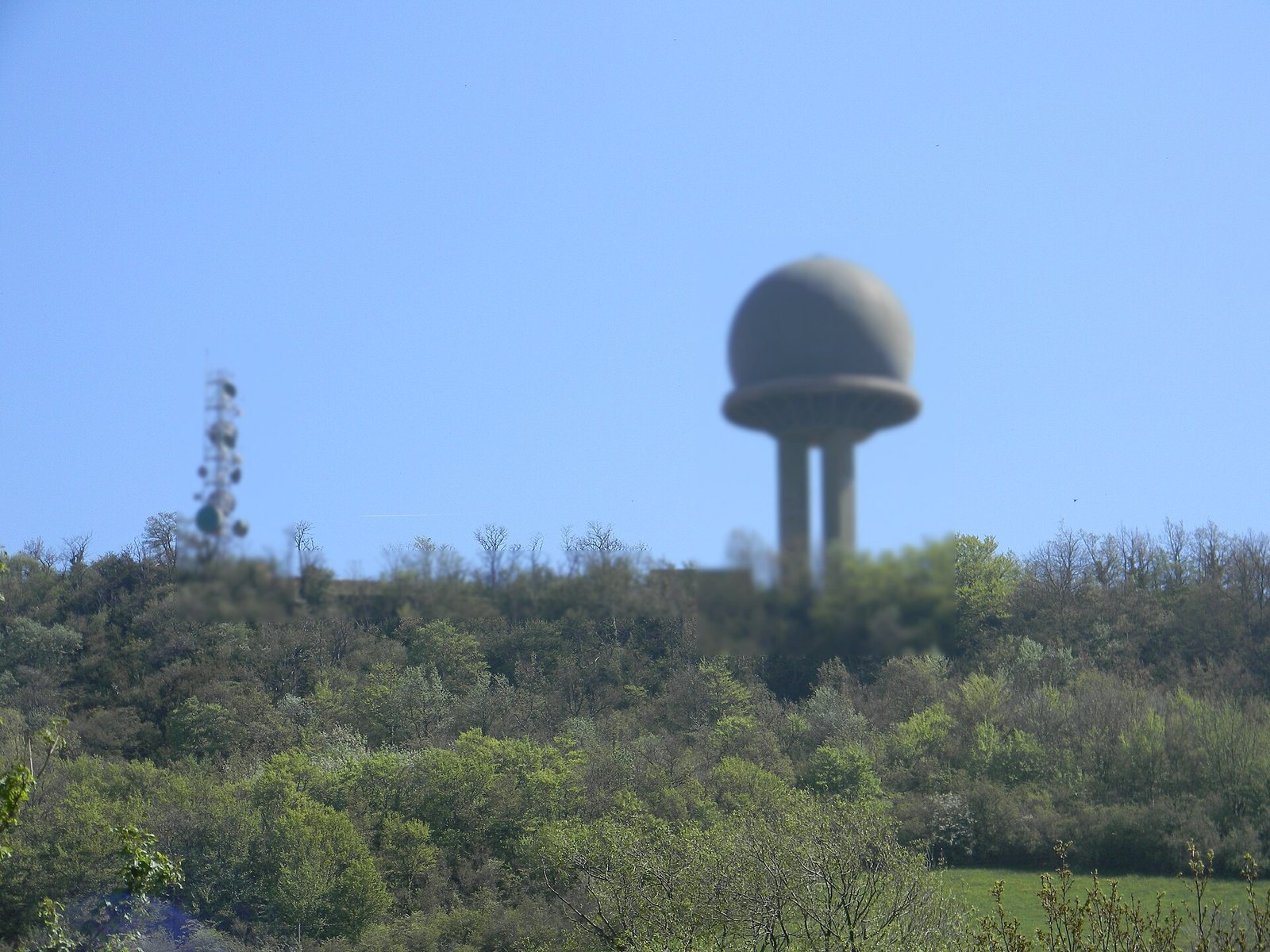
Markers remain visible in nearby fields at the boundaries of military easements, legally restricted areas around military installations. A radome, a protective dome for radar equipment, stands at the summit and can be seen from Lyon.