St Mary’s Church, Hardmead: A Medieval Anglican Church
Site at a Glance
- Popularity
- Very Low
- Country
- United Kingdom
- Primary era
- Medieval
- Eras represented
- Medieval, Early Modern, Modern
- Civilizations
- British, English
- Site type
- Religious
- Remains
- Church
On this page10 sections
History
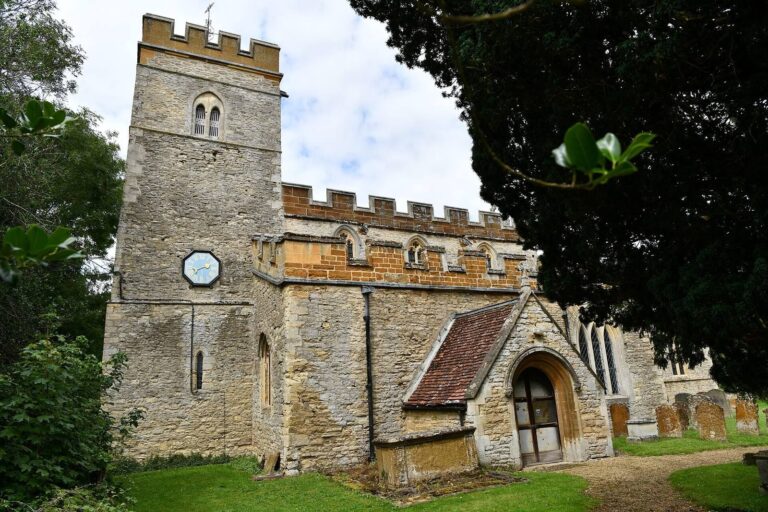
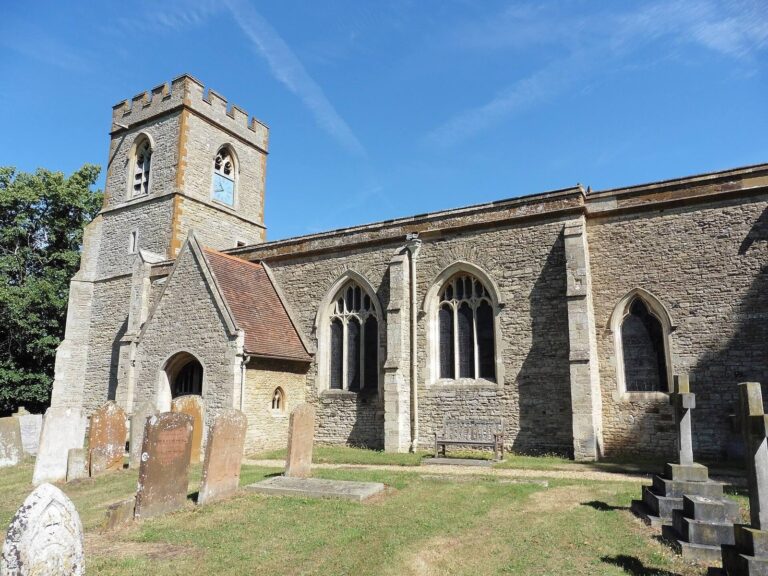
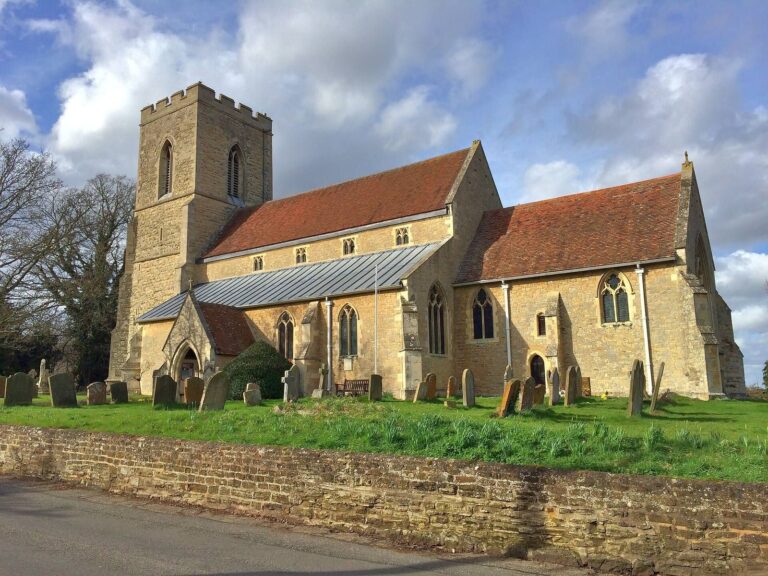
St Mary’s Church, Hardmead, is an Anglican church in Hardmead, Buckinghamshire, England. Anglicanism is a Christian tradition that developed from the Church of England. Dedicated to the Assumption of Mary, the belief that Jesus’s mother was taken bodily into heaven, the church once served a medieval village that has since disappeared.
Medieval development
The west tower dates to the 13th century, and the chancel was built somewhat later. In the 15th century, the church was altered with the addition of a clerestory and the tower’s upper stage. These phases shaped the building that survives today.
Redundancy and care
St Mary’s is no longer in regular use for worship, although services are held very occasionally as part of the local SCAN Parish, which includes Sherington with Chicheley, North Crawley, Astwood and Hardmead. After conversion to a house was proposed, the Friends of Friendless Churches acquired the church. It was placed in the charity’s care under a 99-year lease that took effect on 7 September 1982. The Friends of Hardmead manage it. The church was listed at Grade I, England’s highest category for buildings of exceptional interest, on 17 November 1966.
Remains
Plan and exterior
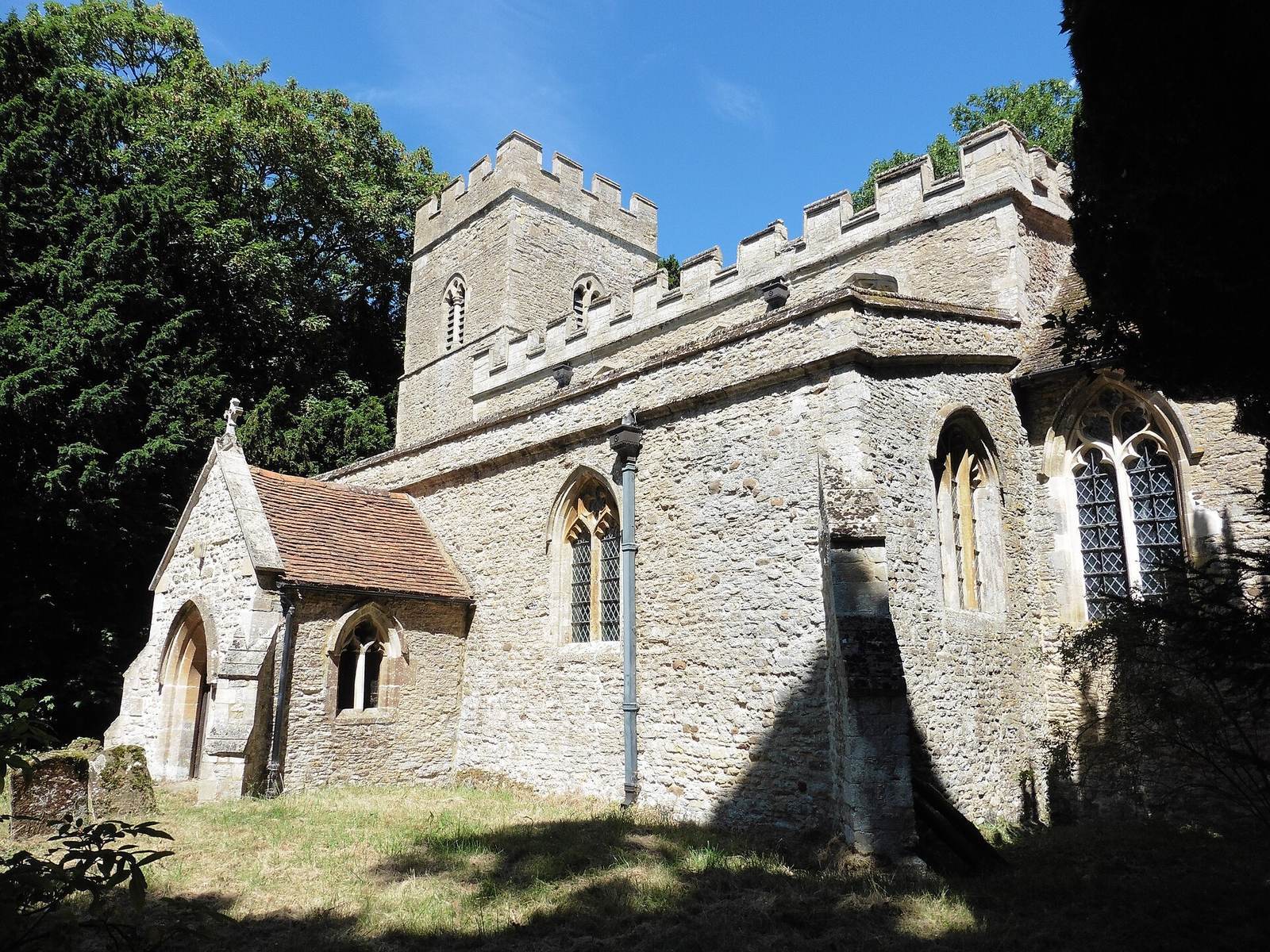
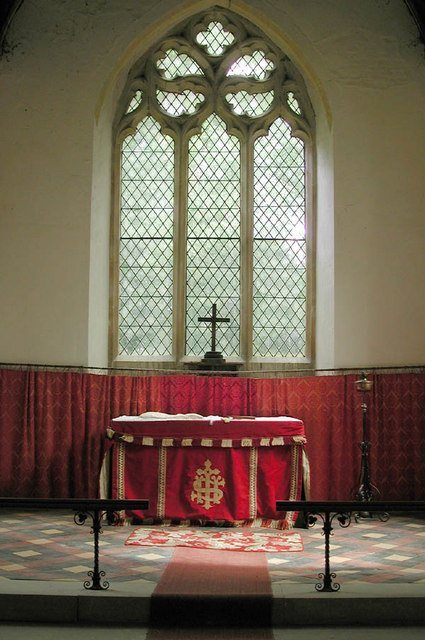
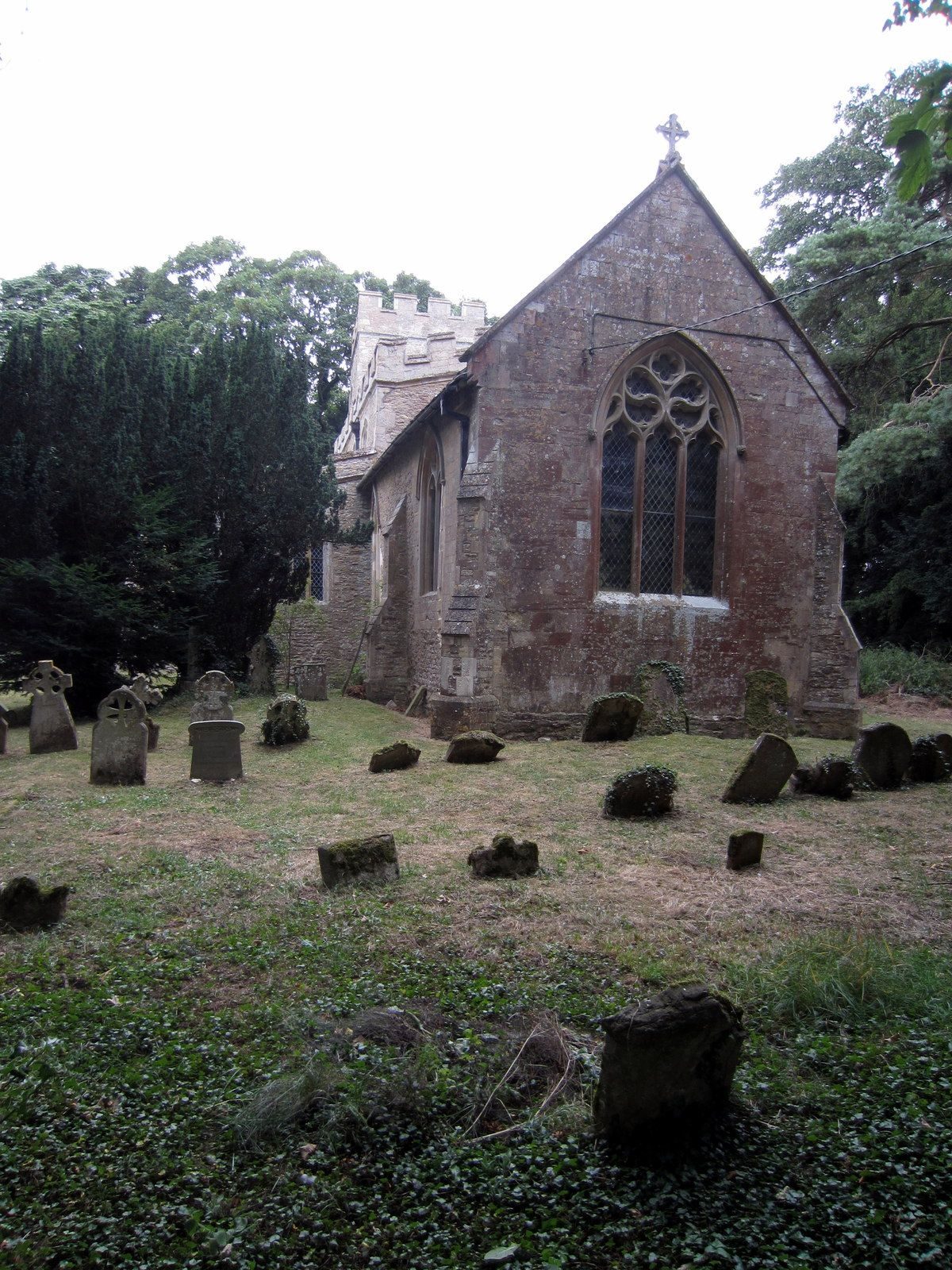
Built of stone, the church has a nave with two structural sections, or bays, and north and south aisles alongside it. A clerestory, a high wall with windows above the lower roofs, rises above the adjoining spaces. The plan also includes a chancel, the area around the altar, a south porch and a west tower. The nave and aisle roofs are flat and covered in lead, while the chancel roof is tiled. The tower has no buttresses; its bell openings have ornamental stonework, and its parapet has alternating raised and lowered sections. The nave parapets share this pattern, while those over the aisles are plain. The east window and two chancel windows have Decorated tracery, ornamental stonework associated with an elaborate phase of English Gothic architecture.
Interior features
Arcade and furnishings
A double arcade, a pair of rows of arches, dates to the 14th century. The 15th-century font, a vessel used for baptism, is carved with tracery. Bench ends, the exposed ends of the pews, date from about the same period.
Catesby memorials
The north aisle contains memorials to members of the Catesby family. A wall monument commemorates Francis Catesby, who died in 1636, while a memorial brass, an engraved metal plaque, commemorates another Francis Catesby, who died in 1556.
Shedden memorial
A monument in the chancel commemorates Robert Shedden, who died in 1849 aboard the yacht Nancy Dawson during an unsuccessful expedition to find Sir John Franklin. Franklin, a British naval officer and Arctic explorer, had disappeared with his expedition while seeking a Northwest Passage in the 1840s. A relief carving of the yacht appears beneath Shedden’s memorial.
Organ and bells
J. W. Walker of London made the organ around 1837; Robert Shaftoe of Pavenham restored it around 1995. The church has three bells, none of them ringable. Robert Chamberlain cast the oldest around 1399. An unknown maker cast the next around 1499, and the third dates to around 1599, possibly cast by William Rufford.