Tsarski dolmen: A Prehistoric Megalithic Tomb in Bulgaria
Site at a Glance
- Popularity
- Very Low
- Country
- Bulgaria
- Primary era
- Iron Age
- Eras represented
- Iron Age
- Civilizations
- Thracian
- Site type
- Burial
- Remains
- Tomb
On this page5 sections
History
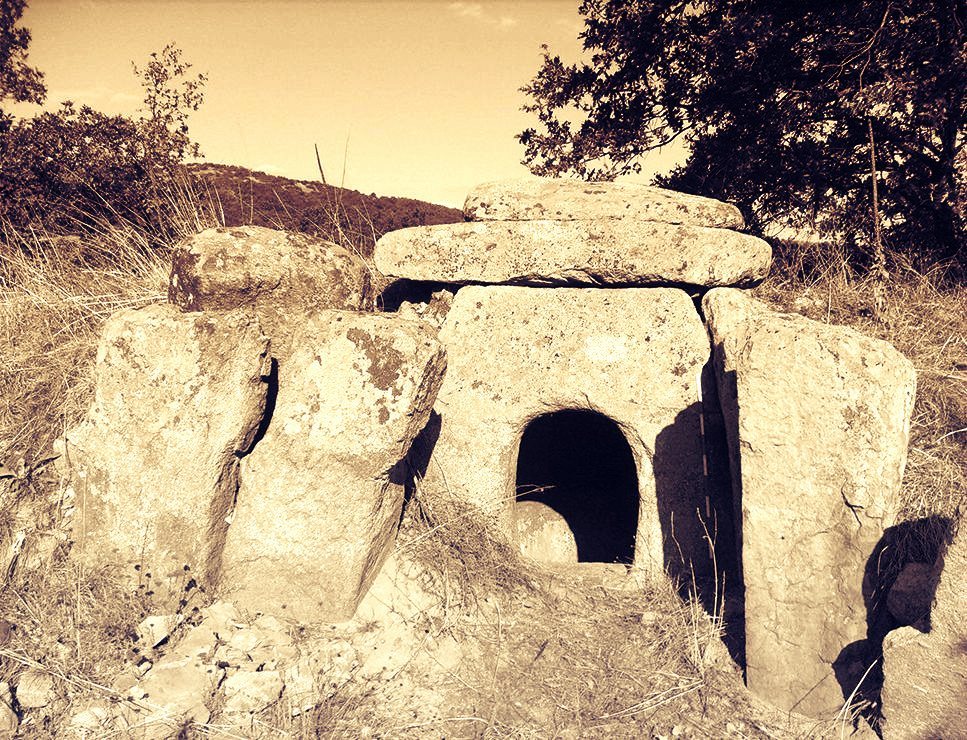
Tsarski dolmen is a prehistoric megalithic tomb in the White Grass locality, south of Hlyabovo in Bulgaria’s Haskovo Province. A dolmen is a prehistoric tomb built from large stones or slabs. The monument dates to the 12th to 7th centuries BCE and belongs to the Early Iron Age, the opening phase of the Iron Age after the Bronze Age.
Hermann and Karel Shkorpil brought the dolmen to scholarly attention in 1888. Georgi Bonchev visited and described it in 1901, and Vasil Mikov undertook its first archaeological investigation in the early 1930s. On 5 February 1964, the dolmens near Hlyabovo were designated natural monuments.
Remains
The monument is arranged around a burial chamber with a front antechamber and possible evidence for a second antechamber. Its principal structures are built from large stone slabs.
Burial chamber
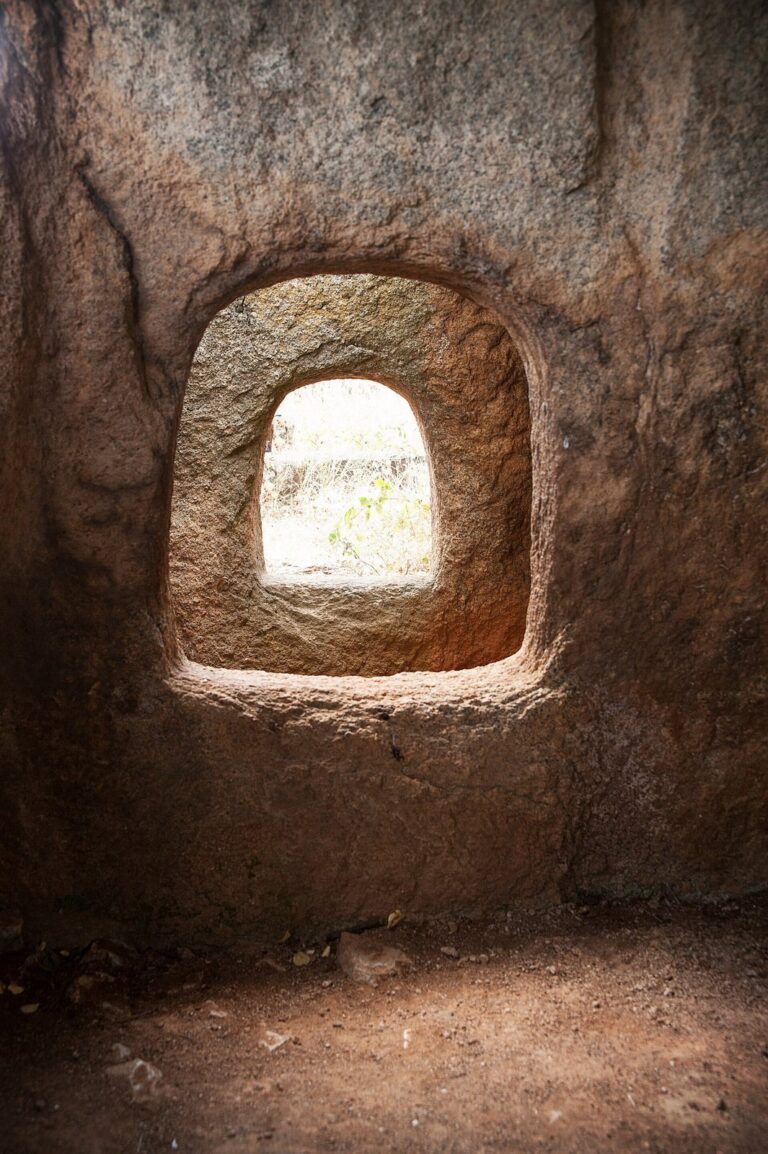
The rectangular chamber measures 2.20 × 1.50 m. Its front is a trapezoidal slab, 2.20 m wide at the base and narrowing to 1.10 m at the top. An arched entrance, set 0.40 m above the slab’s lower edge, measures 0.60 × 0.75 m. Two closely joined slabs, each 2.20 m high, form the rear wall. The eastern longitudinal wall has a vertical lower slab measuring 1.80 × 2.60 m and an upper slab almost as long and 0.30 m high; the upper part of the eastern slab is broken. Two inward-leaning slabs make up the western wall. A roof slab measuring 2.85 × 2.10 m and 0.45 m thick covers the chamber. Grooves on the carefully smoothed inner faces of the slabs hold the walls in place. The single-slab floor is broken, and treasure hunters entered through a breach on the eastern side, also breaking the floor slab.
Front antechamber
The front antechamber is slightly wider than the burial chamber. Grooves at the ends of its side walls, beside the chamber’s front wall, receive that wall. A groove runs along three sides of the antechamber’s roof slab.
Possible second antechamber and stone enclosure
A projection of the front antechamber’s western wall has been interpreted as evidence for a second antechamber. It may have joined the dolmen’s stone base and probably stood open at the front; it was destroyed in antiquity. Karel Shkorpil noted a slab measuring 2.10 × 1.50 m in front of the monument that may have belonged to it. He also described a square stone enclosure around the dolmen, with sides measuring 7 m.