Boneffe Abbey: A Cistercian Monastery in Belgium
Site at a Glance
- Popularity
- Low
- Country
- Belgium
- Primary era
- Modern
- Eras represented
- Early Modern, Modern
- Civilizations
- Habsburg, Holy Roman Empire, Spanish
- Site type
- Religious
- Remains
- Monastery
On this page8 sections
History
Boneffe Abbey, a Cistercian monastery in Boneffe, now within Éghezée, Belgium, was founded in 1227 by the Cistercians, a monastic order that developed from the Benedictine tradition, for a community of nuns. The abbey is first mentioned in 1222. Cistercians from Clairvaux, a major abbey of the order, established the house, which belonged to Clairvaux’s lineage. Moulins-Warnant was its mother abbey, the parent monastery in the Cistercian network. Its patron was Our Lady, a Christian title for Mary, the mother of Jesus. Boneffe belonged to the Diocese of Liège, a church district overseen by a bishop, until 1559, then to the Diocese of Namur.
Medieval community
The abbey was destroyed in 1355, and the nuns’ community had been disrupted by 1413. In 1461, monks from the abbeys of Anhée and Walcourt replaced the nuns. The monastery was evacuated from 1480 to 1483 because of plague. The monks remained at Boneffe until the abbey was suppressed.
Damage and rebuilding
A new abbey church was built between 1524 and 1533. In November 1568, rebel forces in the Dutch Revolt, an uprising against Spanish rule in the Low Countries, sacked the abbey and set fire to its church. The community fled to Namur, and abbot Cornelis Lievens died in Leuven in 1569.
Restoration of the monastic buildings and abbey farm began in 1579. The monks returned in 1589 and continued the work. The rebuilt church was consecrated in 1617 by Jean Dauvin, bishop of Namur. Later, Dutch troops ravaged the monastery, followed by French forces. During the War of the Spanish Succession, an early eighteenth-century European conflict over competing claims to the Spanish throne, the abbey stood on the front line a few miles from Ramillies and suffered further damage and plundering. Rebuilding was completed in 1711.
Suppression and aftermath
French Revolutionary authorities suppressed the abbey in 1796. The monks were expelled, and the land was sold at auction and divided into three private farms, later owned by the Méus and Bouvier families. Nicolas-Joseph Minsart, also known as Dom Jérôme, with Dom an honorific used for monks in some Catholic orders, was the last surviving monk. He died in 1837 while serving as a priest in the Diocese of Namur; he had also been parish priest of Saint-Loup in Namur and founded the Sisters of Saint Mary. The entrance portal received protected-heritage status in 1947, and the former abbot’s residence is listed as a heritage building.
Remains
Surviving complex
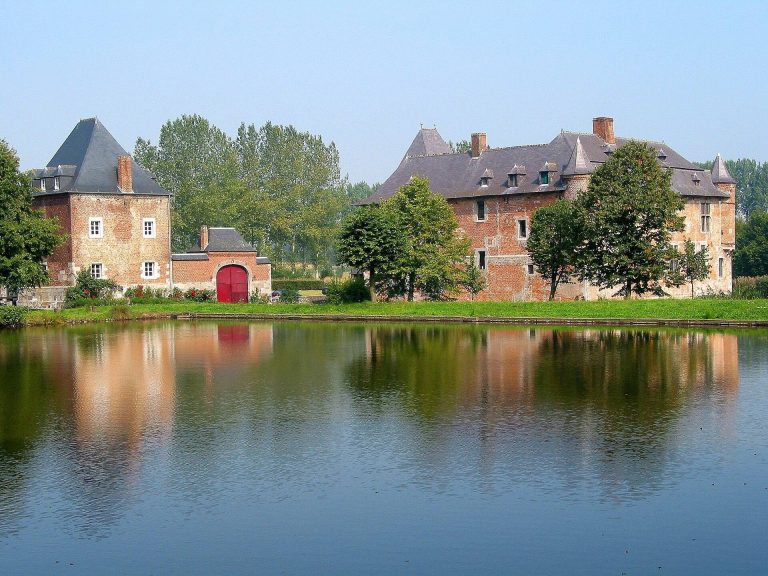
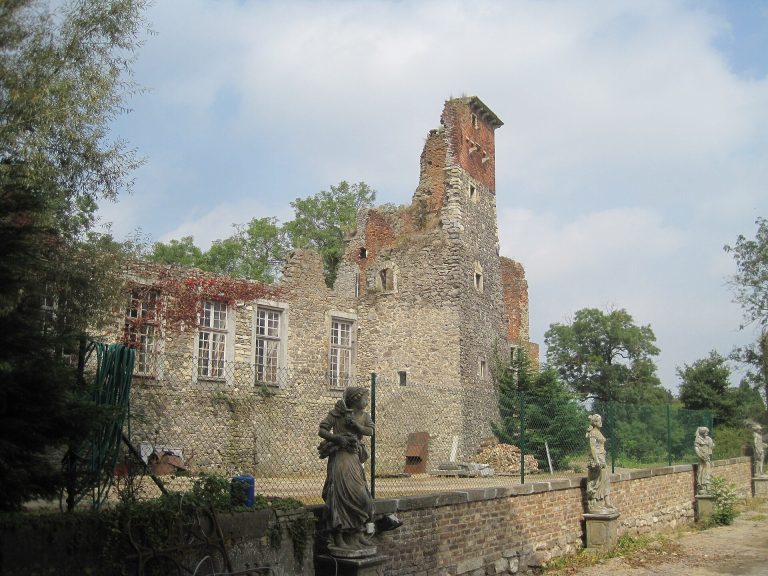
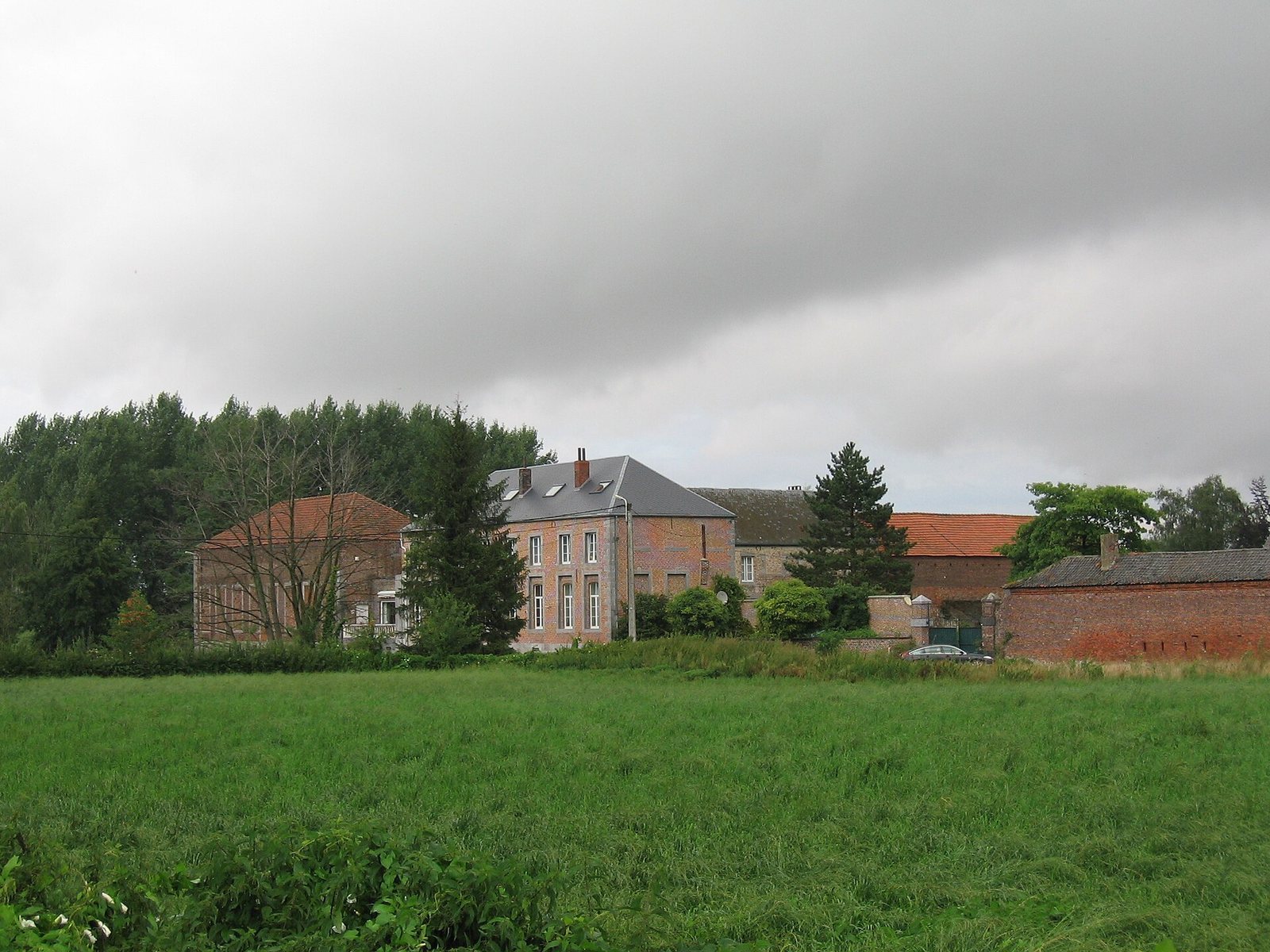
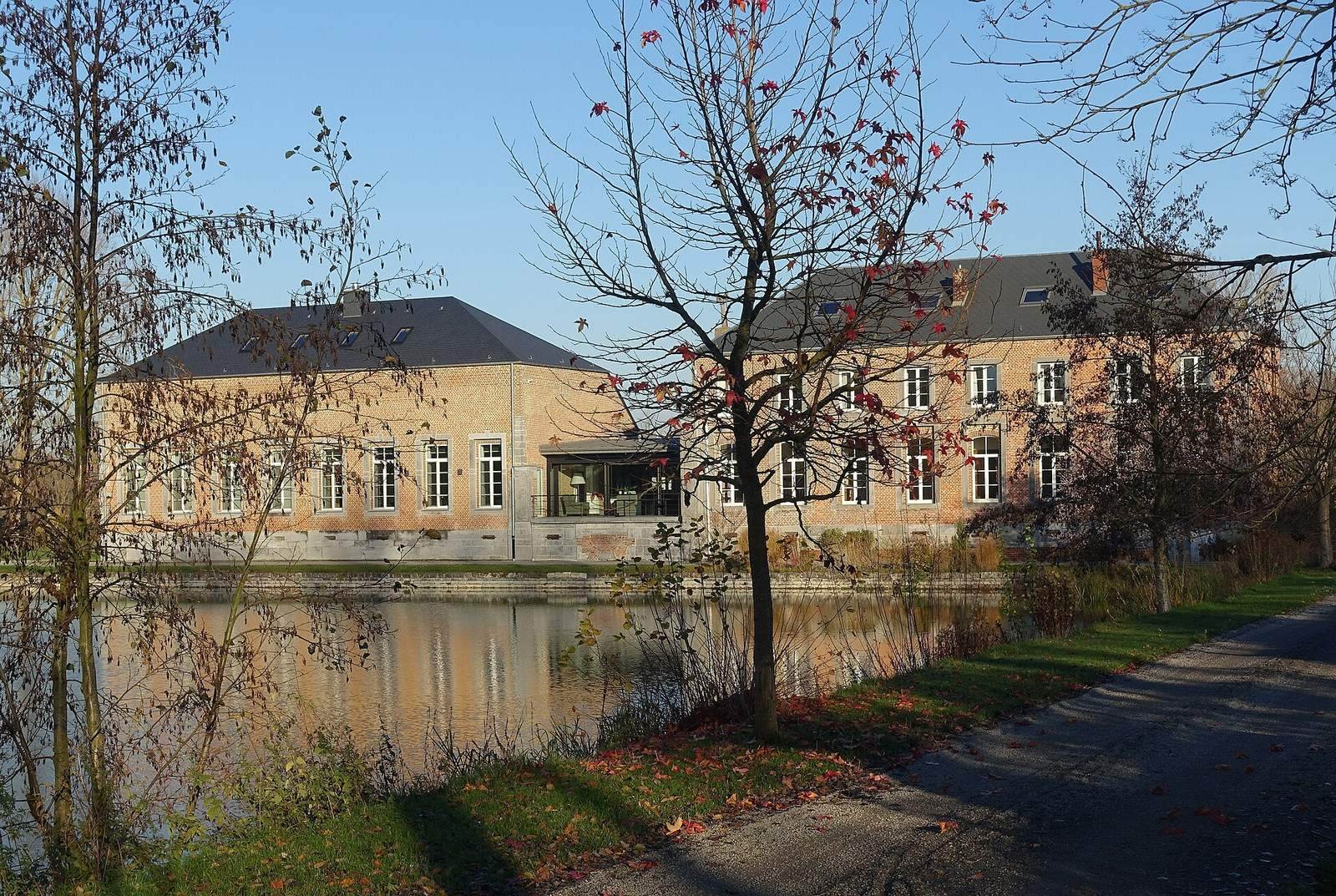
The surviving abbey buildings stand on the banks of the Mehaigne at Boneffe. The complex consists mainly of buildings from the eighteenth and nineteenth centuries and includes the former abbey’s main wing. It is privately owned.
Former abbot’s residence
The residence was first built in the early sixteenth century and repaired during the seventeenth and eighteenth centuries. It is now used as a farmhouse.
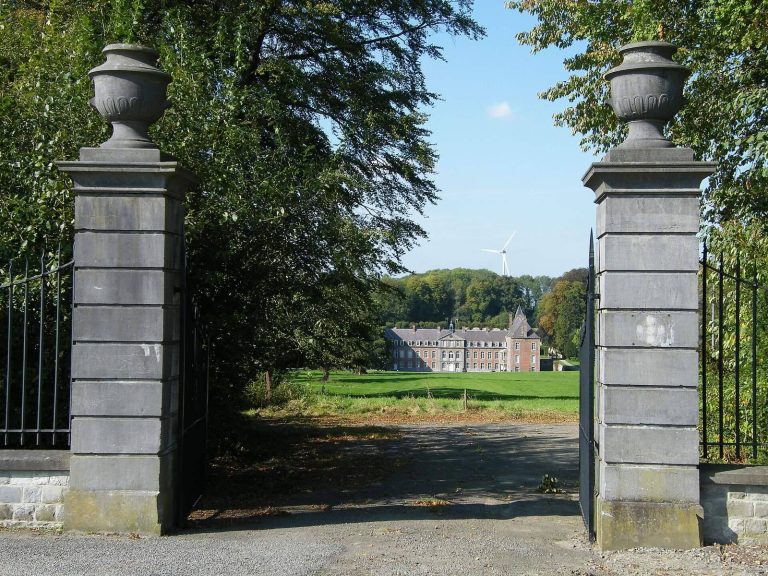
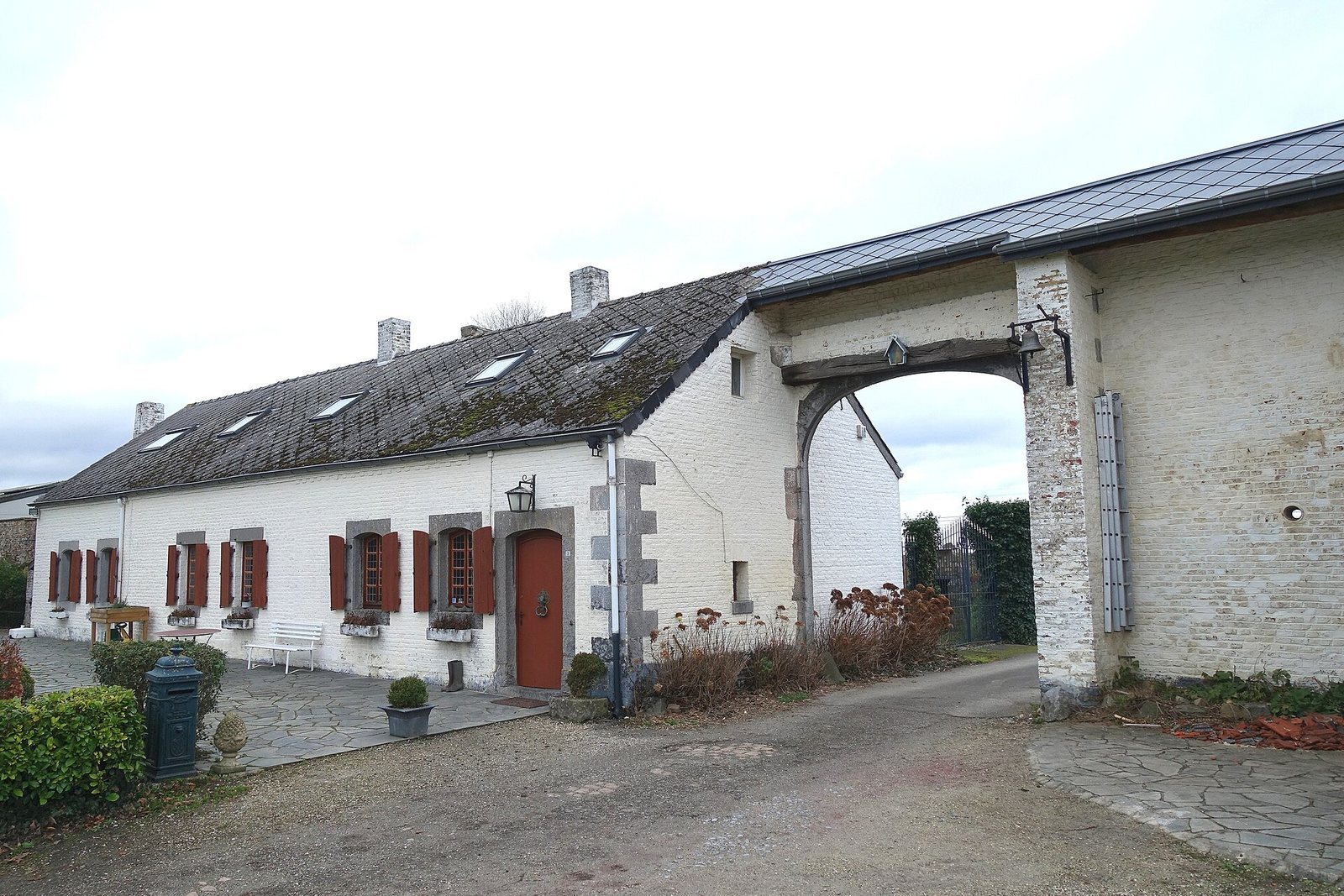
Entrance portal
The surviving entrance portal dates to 1777.