Ojinzuka Kofun: A Late Fourth-Century Burial Mound in Japan
Site at a Glance
- Popularity
- Medium
- Country
- Japan
- Primary era
- Classical
- Eras represented
- Classical, Medieval
- Civilizations
- Yamato
- Site type
- Burial
- Remains
- Burial Mound
On this page7 sections
History
Ojinzuka Kofun is an ancient Japanese burial mound in Samukawa, Kanagawa Prefecture, Japan, built in the late fourth century. It is the principal tomb in a group of smaller mounds. Some of those surrounding tombs date to the late sixth or early seventh century, and the long interval has been interpreted as evidence that local chiefs continued to use the area as a special burial ground during the Kofun period.
Burial ground and shrine traditions
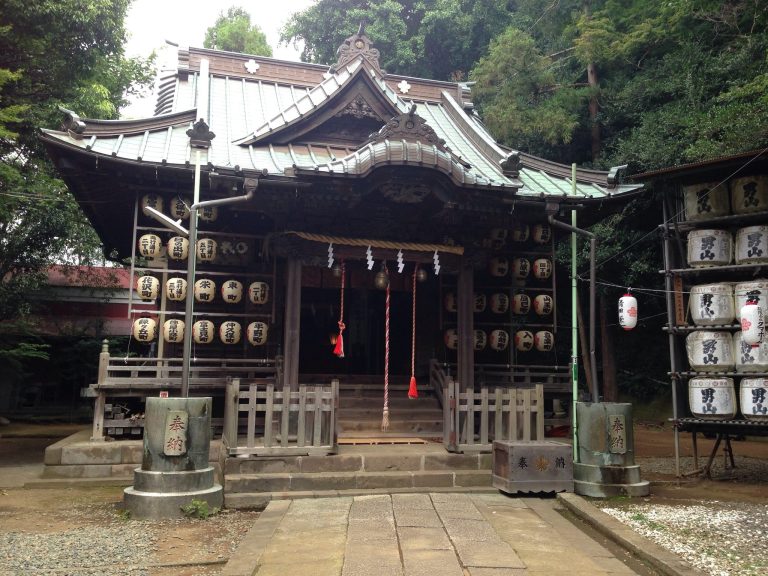
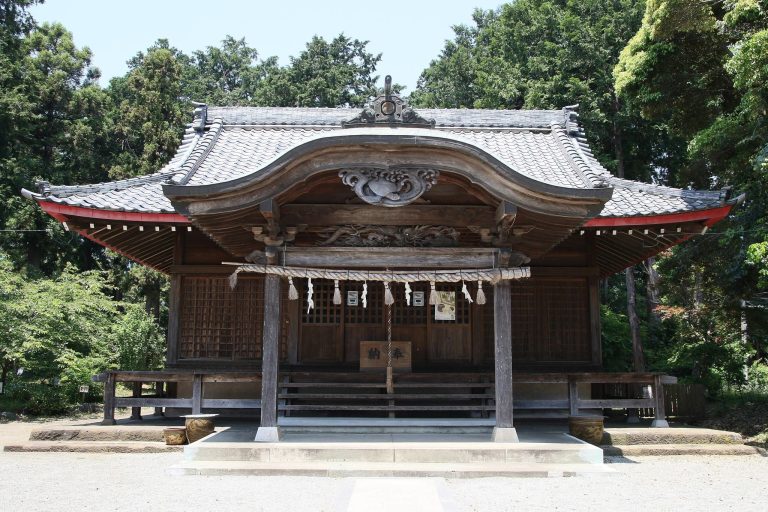
The identity of the person buried at Ojinzuka is unknown. Local tradition names the deceased as Kayatakehiko no Mikoto, regarded as the first Sōbu provincial chieftain, an authority with local administrative responsibilities. According to this tradition, his descendants raised the mound in his honor. Samukawa Shrine, long associated with Ojinzuka, was also believed to enshrine the ancestors of the province’s chiefs.
The tradition linking the tomb to Kayatakehiko no Mikoto appears in a shrine record begun around 1659 by one of Samukawa Shrine’s priests and in the 1841 New Compilation of the Gazetteer of Sagami Province. The name Ojin is thought to have become associated with the mound after Emperor Ojin was connected with the shrine’s deities in the medieval period. The Kamakura shogunate, a warrior government based in Kamakura, also revered Ojin as a protector of warriors. Around the time of the Meiji-era investigation, the mound was additionally known by names meaning Vehicle Mound and Gourd Mound, and local belief held that the shrine deity’s sacred presence rested there.
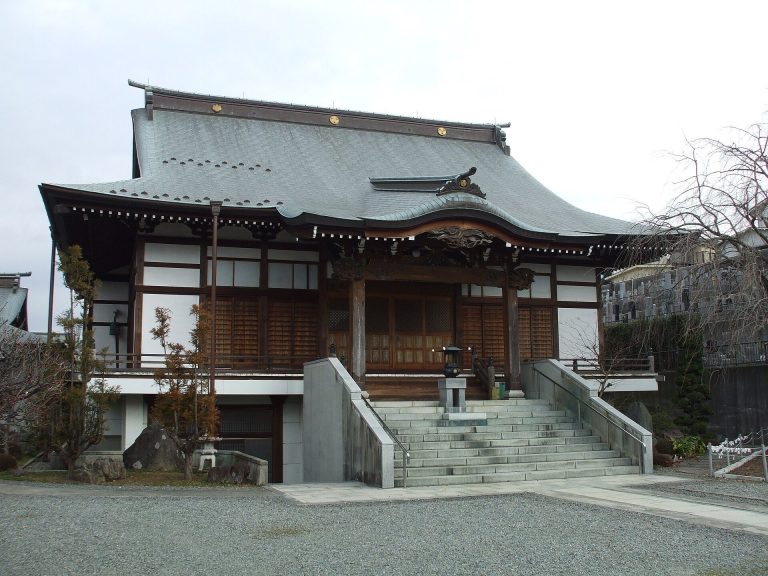
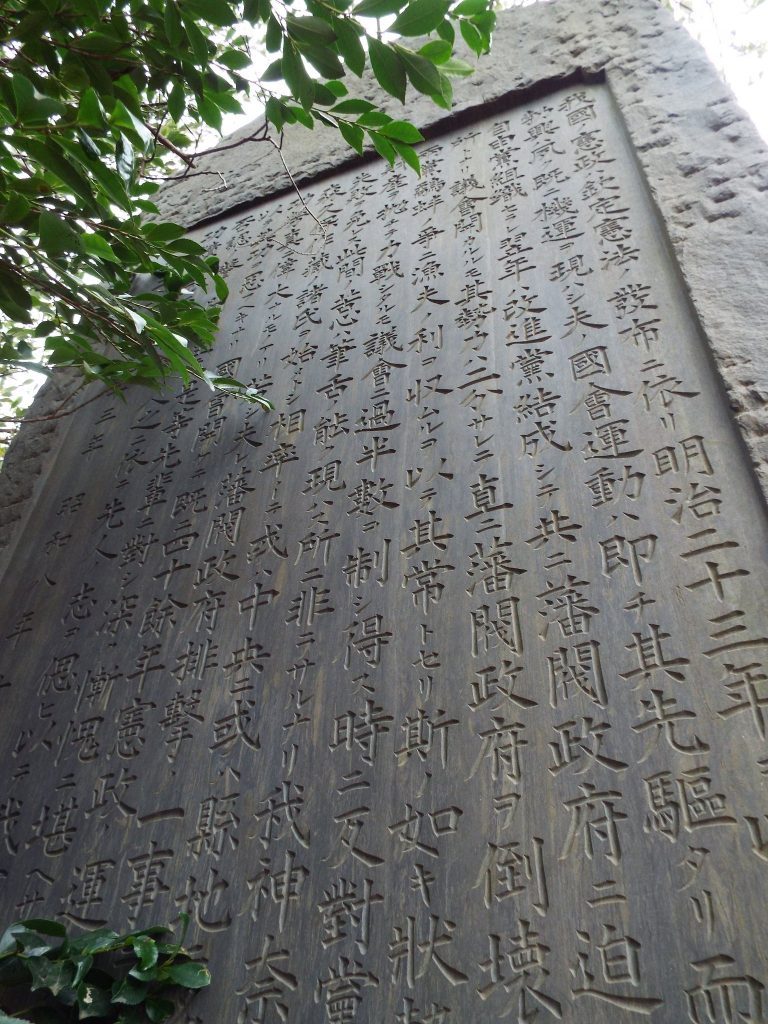
A copy of an inscription dated 1686 from Anrakuji’s bell was found among Nansenji’s old records during the Meiji-era investigation. It described Anrakuji as a temple attached to Samukawa Shrine, reflecting the historical interweaving of Buddhist and shrine institutions. The inscription recounted a tradition that ancient reserve soldiers built the mound, that the shrine deity’s presence settled there, and that Anrakuji raised a stone marker at the site.
Investigation and modern recognition
In 1908, a villager found three comma-shaped beads while cultivating land near the smaller mounds. After showing them to the village mayor and Samukawa Shrine’s chief priest, the villager helped prompt an excavation directed by Shogoro Tsuboi, a professor at Tokyo Imperial University and a pioneering Japanese anthropologist. Excavation of burial mounds was unusual at the time, and the Yokohama Boeki Shimpo covered the work extensively, although no excavation report was produced.
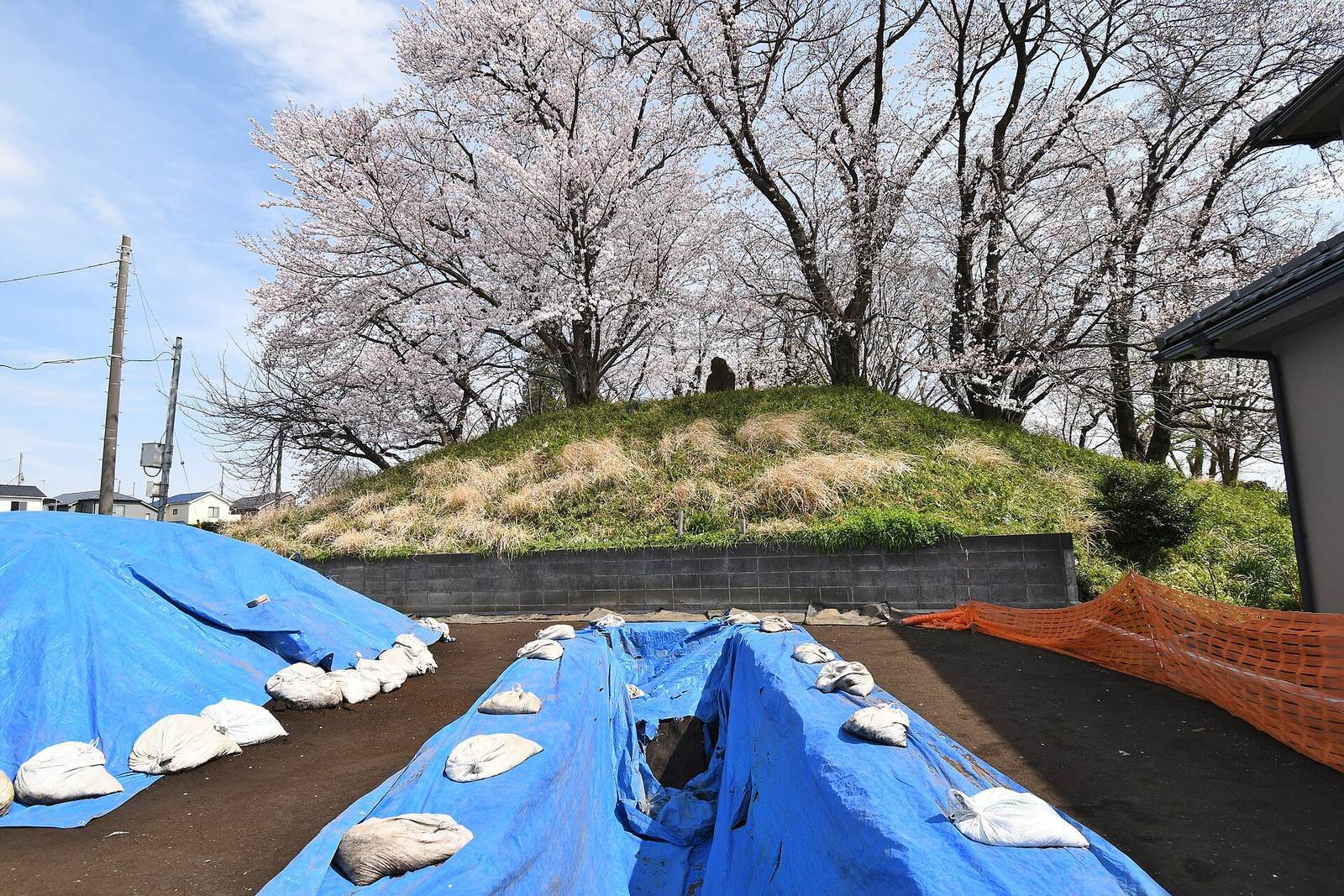
Three of the smaller mounds were excavated in 1908 and 1972. The other two were investigated between 2005 and 2011 during work at the Okada Nishikawachi archaeological site, connected with land readjustment near Samukawa Station’s north exit. Surveys of Ojinzuka took place in fiscal 1982 and 2016, and Samukawa Town’s education board began an excavation program in fiscal 2017. The mound is designated a Samukawa Town Important Cultural Property. A local song from 1931 calls it the tomb of a provincial chief, reflecting its place in local understanding.
Remains
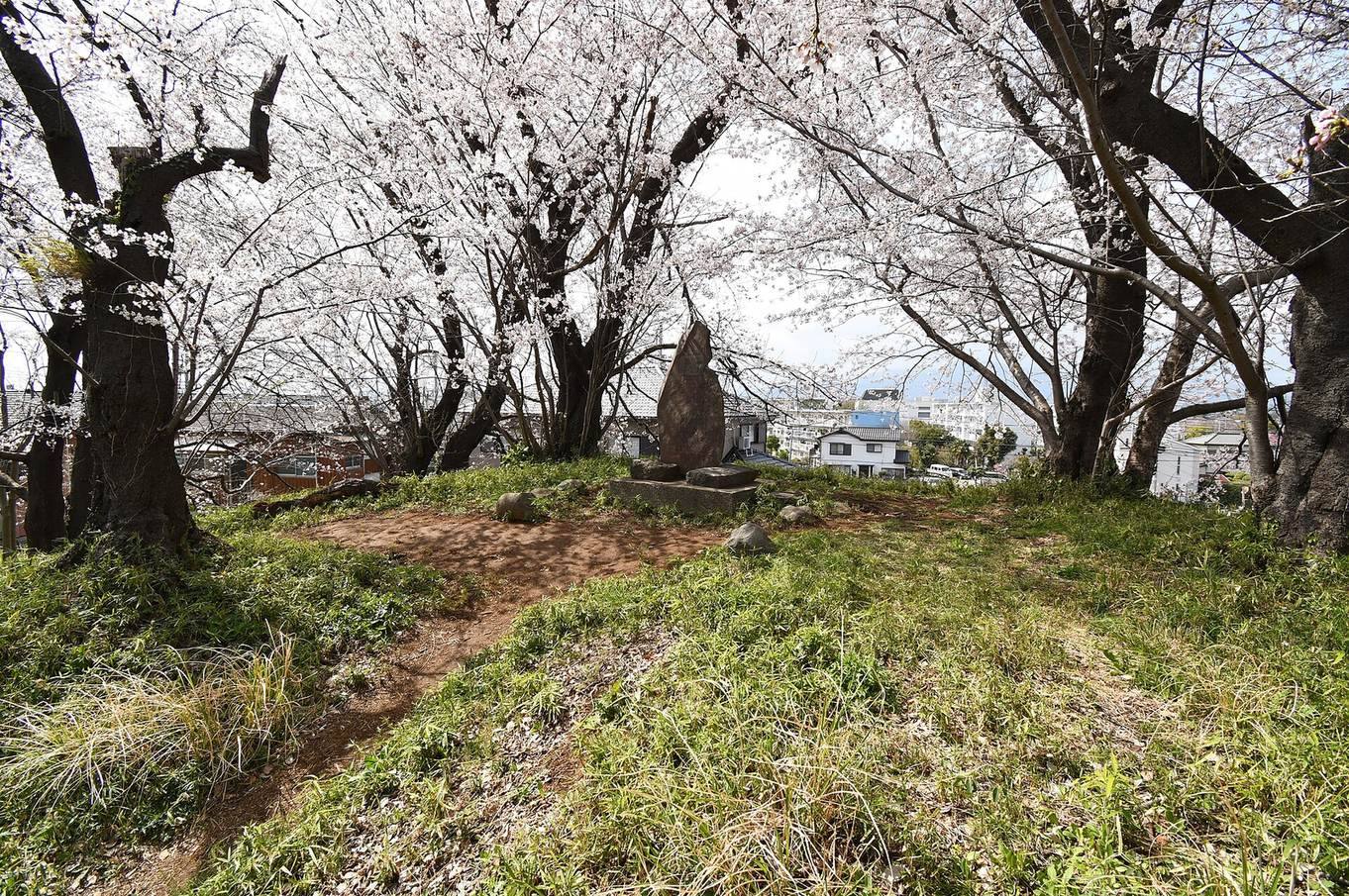
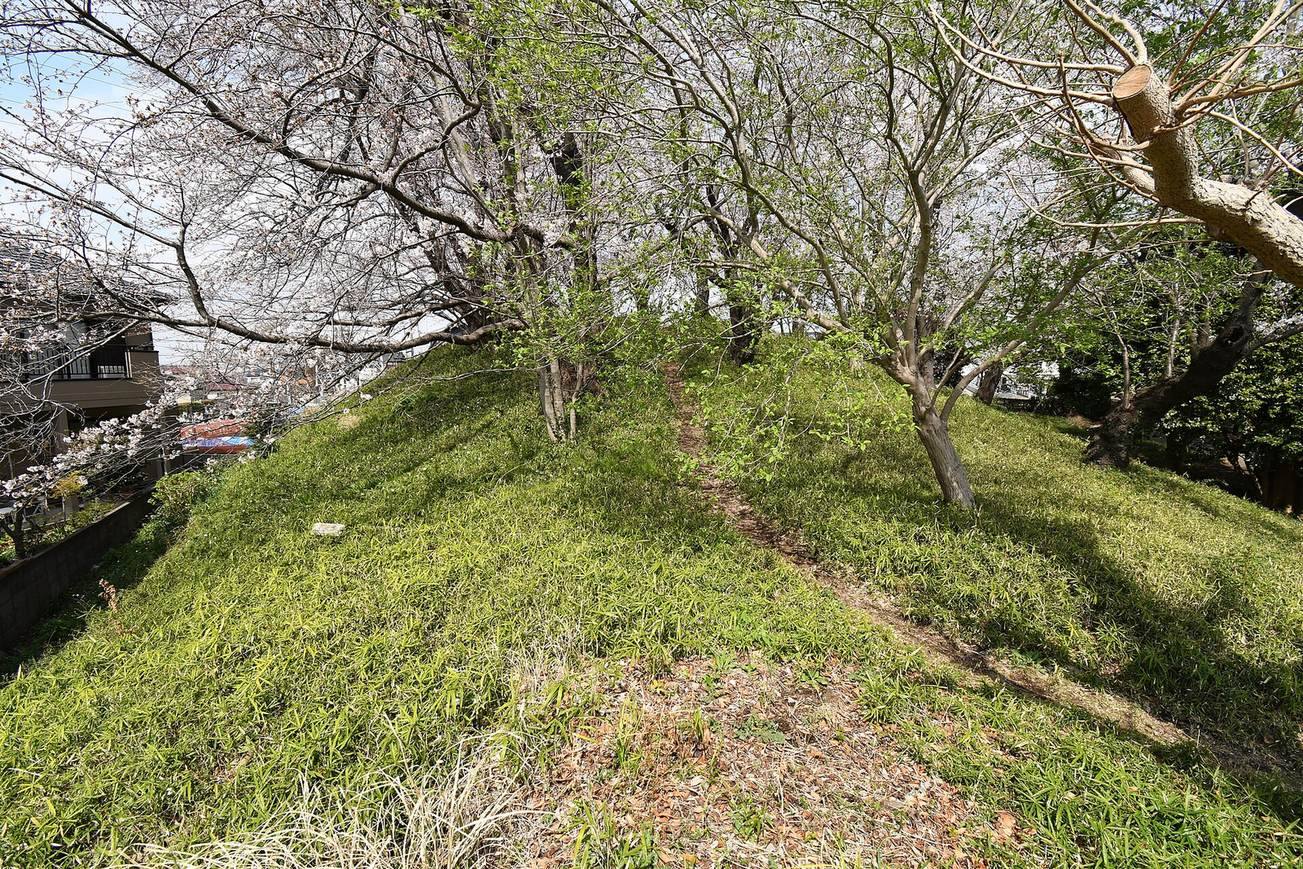
Ojinzuka stands at the tip of a plateau on the east bank of the Sagami River, behind Anrakuji. Its projecting front faces southwest. The mound’s form and its surviving relationship to the nearby burial group define the site’s layout.
Mound and burial
The mound has a keyhole shape, with a circular rear section and a projecting front. The front has been substantially leveled. The surviving mound is about 51 metres long; its circular rear section measures about 37.5 metres across and stands 5 metres high. The burial facility is thought to have been a gravel coffin placed in a grave pit. Excavation recovered a bronze imitation mirror, a straight sword and iron objects.
Samukawa Shrine’s collection hall preserves and displays finds from Ojinzuka and the surrounding group. Its collection includes two Japanese mirrors, one imitation mirror, four comma-shaped beads, five faceted beads, two tubular beads, eleven small beads, six gold rings, at least twelve iron arrowheads, a straight sword and other iron objects.
Later Buddhist use
A Buddhist scripture mound, a mound associated with depositing scriptures, was made on Ojinzuka’s circular rear section between the late Heian and early Kamakura periods. Finds associated with it include two Japanese mirrors: one decorated with autumn grasses inside an enclosure, the other with scattered chrysanthemums and paired sparrows. A statue of Dainichi Nyorai, a central cosmic Buddha, on a lotus pedestal was also formerly associated with the mound. An inscription on the pedestal described the site as the tomb of an earlier ruler connected with Samukawa Shrine’s deity.
Surrounding mounds
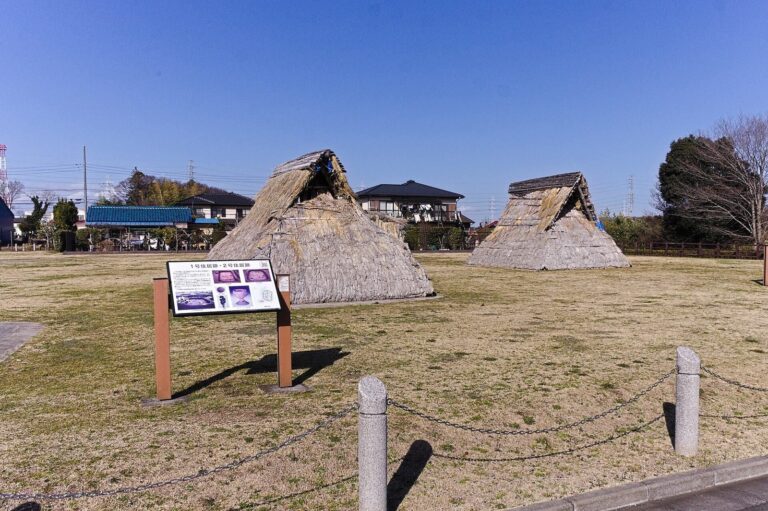
Five smaller burial mounds once stood around Ojinzuka, and one survives. A stone burial chamber is preserved at a mound developed as Otsuka Kofun Park. Excavations within the group recovered stone chambers, earrings, faceted beads and iron objects, including arrowheads.