Saint Julian’s Church in Ath: The Town’s Principal Catholic Parish Church
Site at a Glance
- Popularity
- Low
- Country
- Belgium
- Primary era
- Modern
- Eras represented
- Medieval, Early Modern, Modern
- Civilizations
- Belgian, Duchy of Burgundy, Dutch, Holy Roman Empire
- Site type
- Religious
- Remains
- Church
On this page13 sections
History
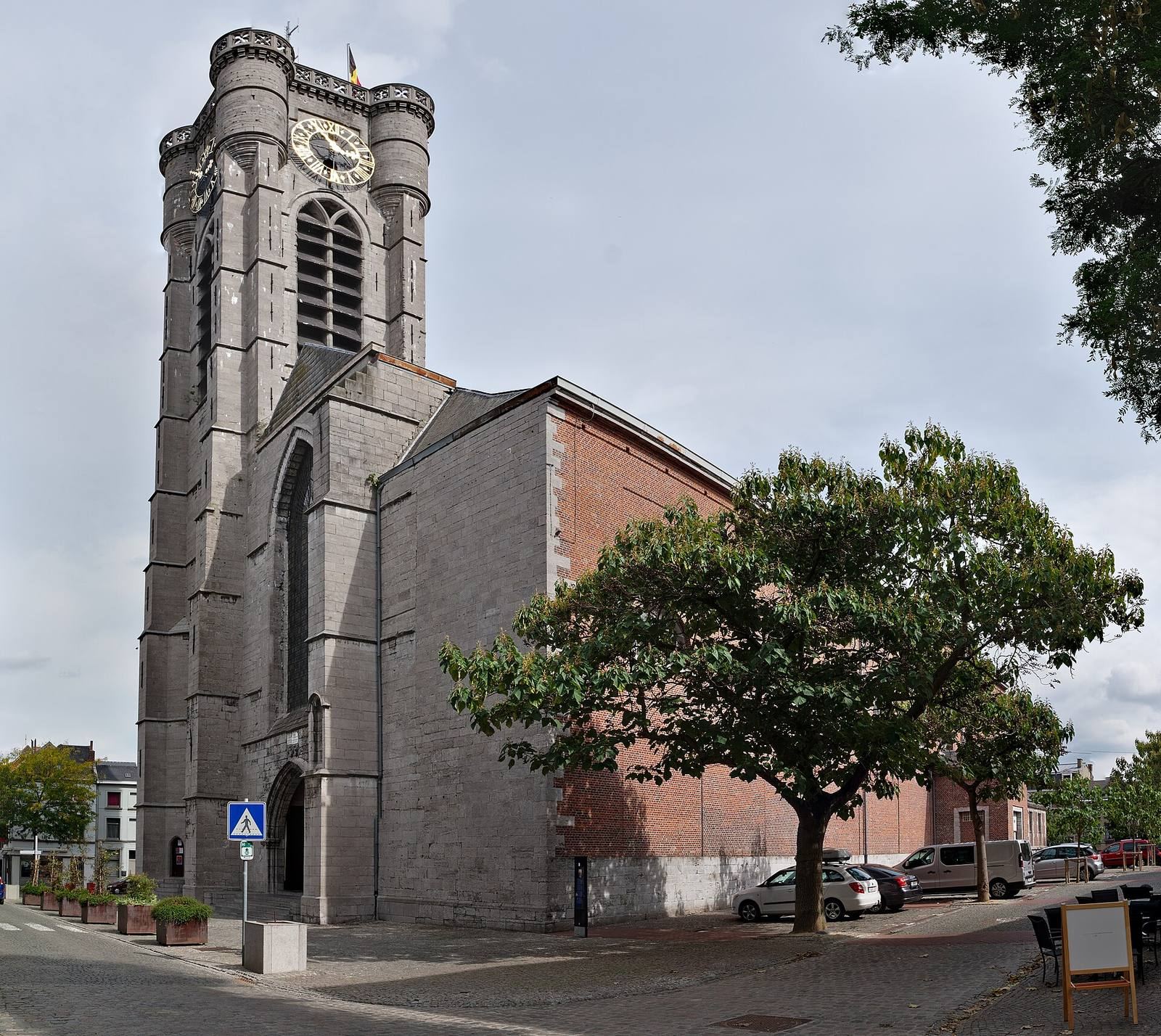
Saint Julian’s Church, dedicated to Saint Julian of Brioude, a Christian martyr associated with Brioude in France, is a Catholic church in Ath, Belgium. Its Gothic construction began in 1395, and rebuilding after an 1817 fire gave it its present neoclassical form. It serves as Ath’s principal Catholic parish and belongs to the Diocese of Tournai, a church territory overseen by a bishop.
Medieval foundation
A church dedicated to Saint Julian stood at Vieux Ath by 1076, before the town developed. In 1394, the church was transferred within Ath’s fortified enclosure. The site included land donated by alderman Séjournet and a further 13.5 masures, a historical local land measure, from burgher land belonging to the Count of Hainaut. Construction began in 1395. The church opened for worship in 1404 and was consecrated on 7 July 1415. Its tower was completed in 1462 and its spire in 1464; the overall building campaign is dated to 1465.
Damage and rebuilding
A thunderstorm destroyed the tower’s spire in 1606. Lightning struck the church in 1612, 1705, and 1791, and a storm damaged it in 1799. During the French Revolution, the political upheaval that began in France in 1789, the building served as a Temple of the Law, a secular civic place of worship.
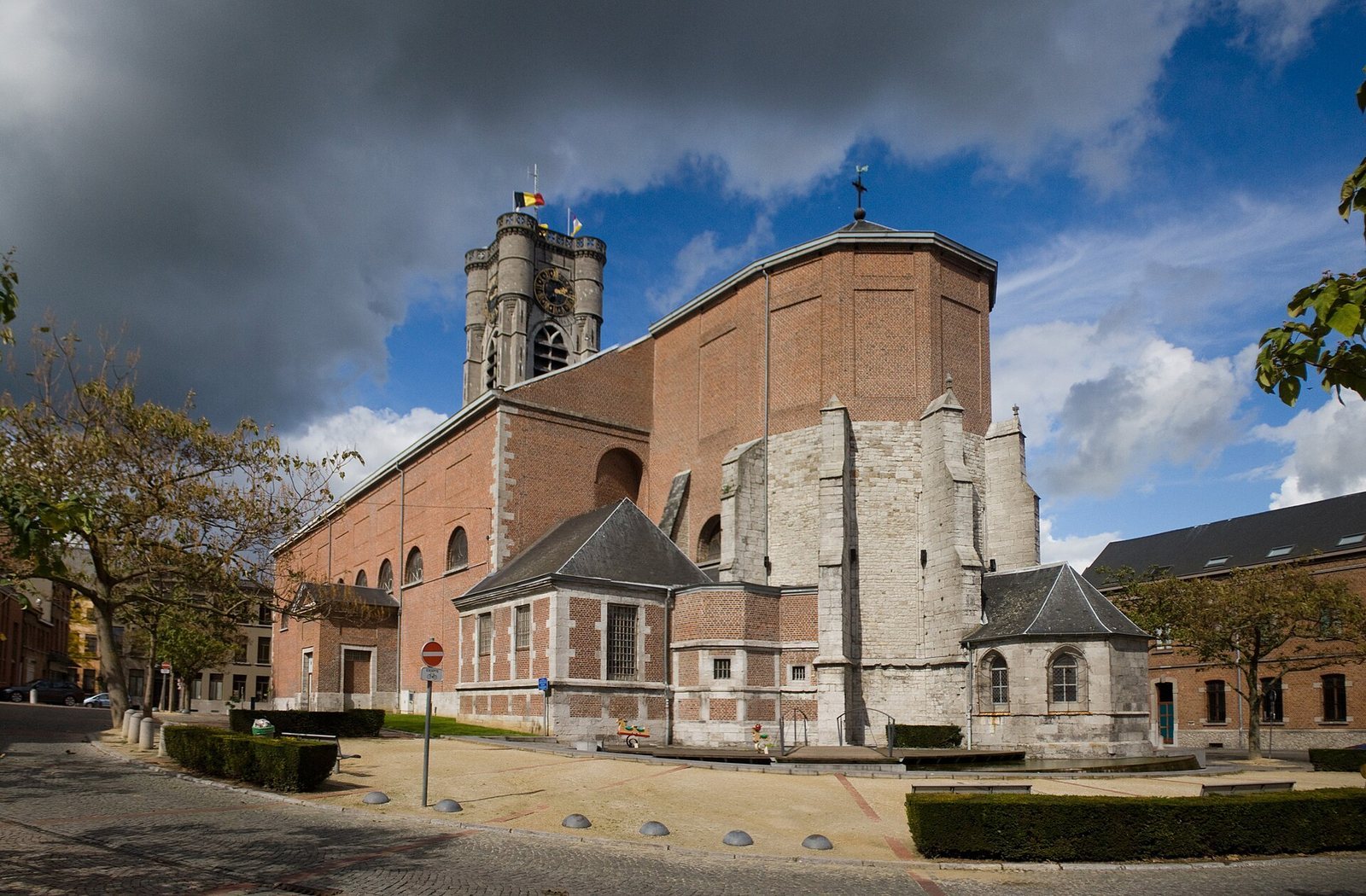
On 10 April 1817, lightning struck the spire and started a fire that devastated the church. Rebuilding from 1819 to 1822 followed designs by Gabriel Florent, an Ath goldsmith and sculptor, with financial support from William I, the first king of the Netherlands. The tower was restored between 1846 and 1854.
Parish use and later restoration
A fire in 1951 caused the vaults to collapse and led to extensive repairs. The church returned to worship during Ath’s Ducasse, its traditional annual festival, in 1953. It received protected-heritage status in 1941.
The church was repainted in 1994. A fire in 2001 prompted further repainting and the restoration of paintings. In 2004, work renovated the tower’s ground floor and renewed attention to the Chapel of the Good Death, marking 600 years since the church opened for worship.
Remains
Architecture and surviving fabric
Nave and interior
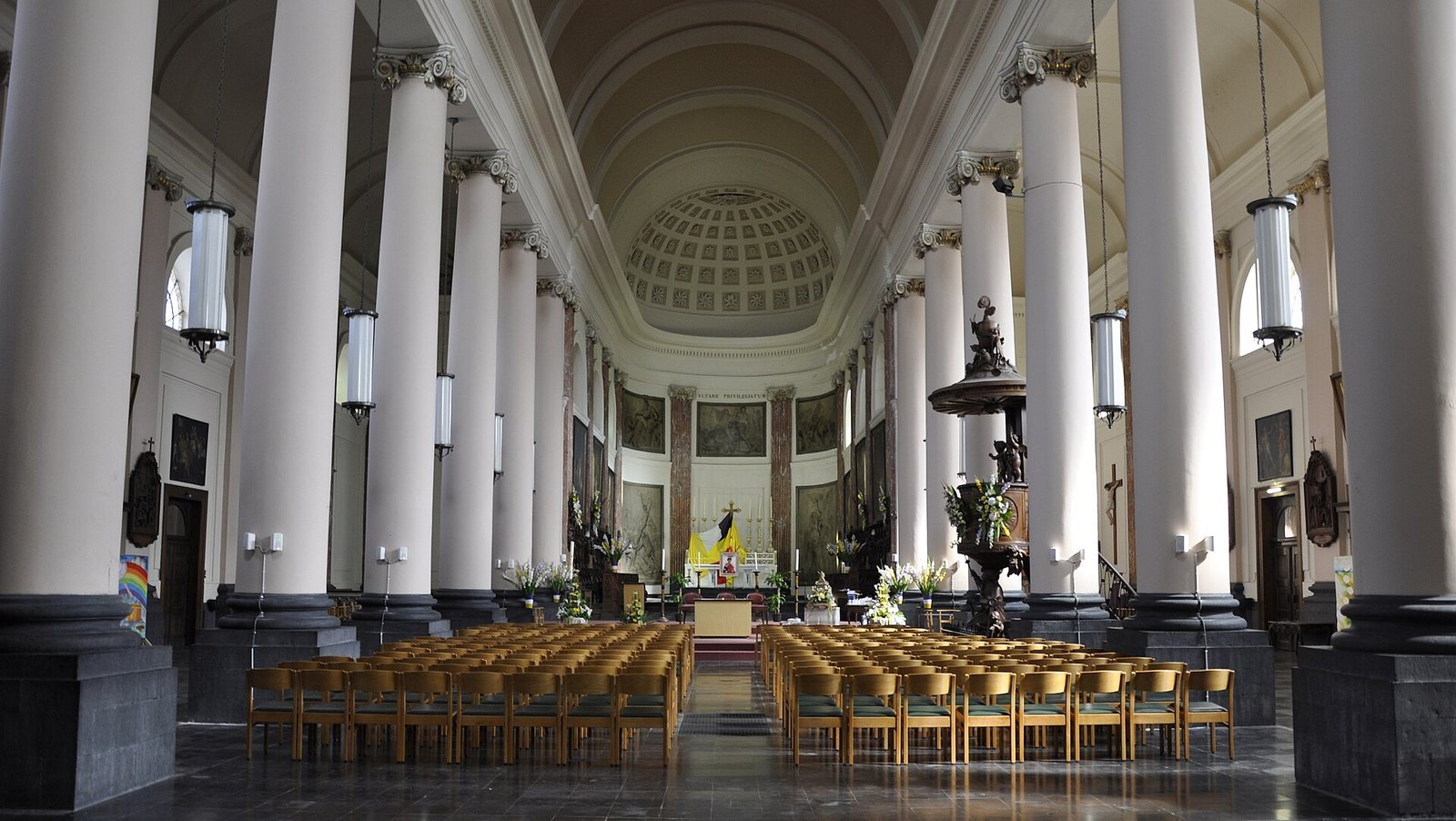
The present church is an austere neoclassical building, with an interior likened to a Greek temple. Corinthian-inspired columns, a classical style associated with capitals decorated with acanthus leaves, separate the nave, the central space, from the aisles, the passages alongside it.
Tower and retained fabric
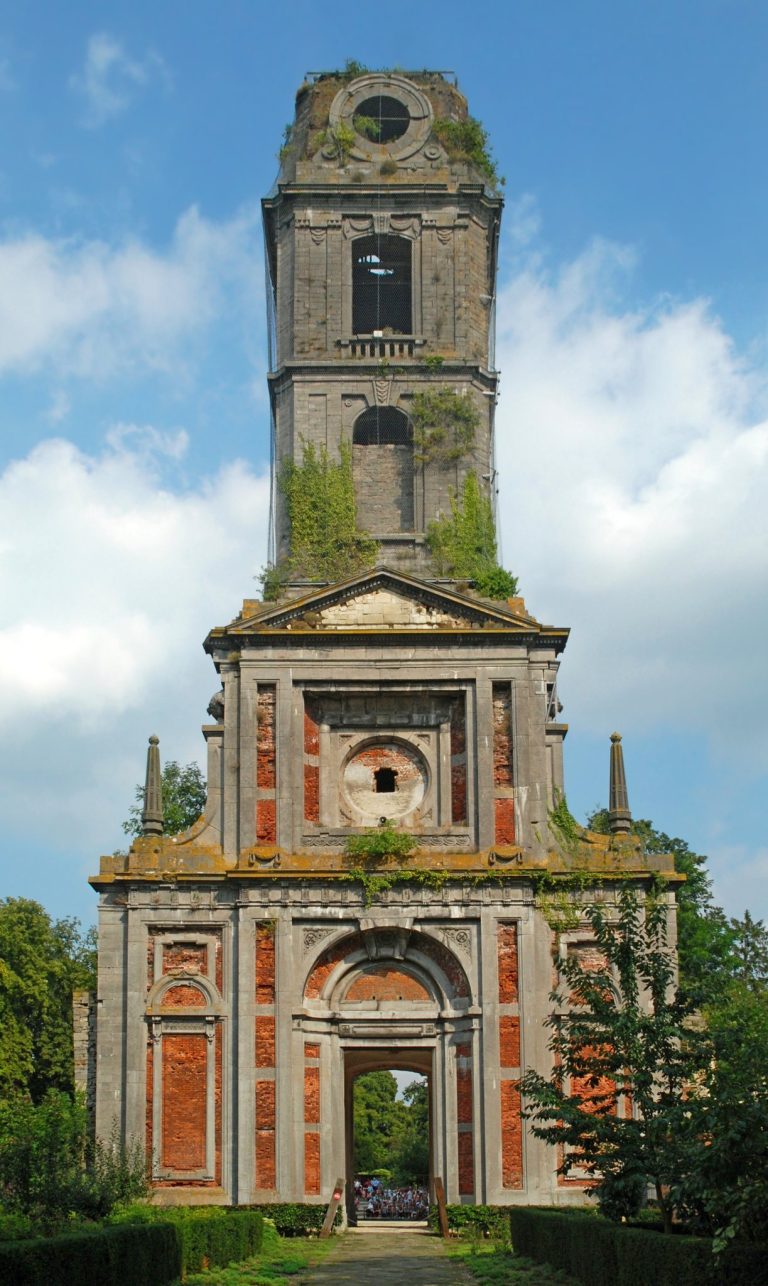
The 1817 fire left the tower, entrance portal, outer walls of the choir apse, and the Chapel of the Good Death standing. The choir apse is the semicircular end of the choir. Before the fire, the tower and its spire together reached about 90 metres; the spire was not rebuilt. The tower has a neo-Gothic balustrade, which was repaired from 1982 to 1984. The stained-glass window in the façade was replaced in 1996.
Chapel of the Good Death
This sixteenth-century chapel is among the parts of the church that survived the 1817 fire. Its place within the surviving fabric preserves a feature from the earlier building alongside the later reconstruction.
Furnishings and artworks
Paintings and carved work
The church contains paintings by Lambert Mathieu (1804-1861) and by Ducorron. Brussels sculptor Jean-François Malfait made the sculpted choir stalls and the Stations of the Cross, devotional scenes depicting events in Jesus’s final hours before his crucifixion.
Pulpit and lectern
The furnishings also include a neoclassical pulpit, various sculptures, and a brass lectern dated 1723.
Carillon
The carillon, a set of tuned bells played from a keyboard, is known at the church by 1481; Jean Godefroid played it in 1486. By 1520 it had about twelve bells. The 1817 fire destroyed the instrument, which was later reconstructed with 43 bells and inaugurated on 23 August 1953. Additions in 1981 and 2000 brought the carillon to 49 bells. A bell cast by G. Witlock in 1714 survives from an earlier carillon.