Klinger: An Eighteenth-Century Mining Reservoir in Slovakia
Site at a Glance
- Popularity
- Very Low
- Country
- Slovakia
- Primary era
- Modern
- Eras represented
- Modern
- Civilizations
- Austria-Hungary, Austrian Empire, Habsburg, Hungarian
- Site type
- Infrastructure
- Remains
- Dam
On this page7 sections
History
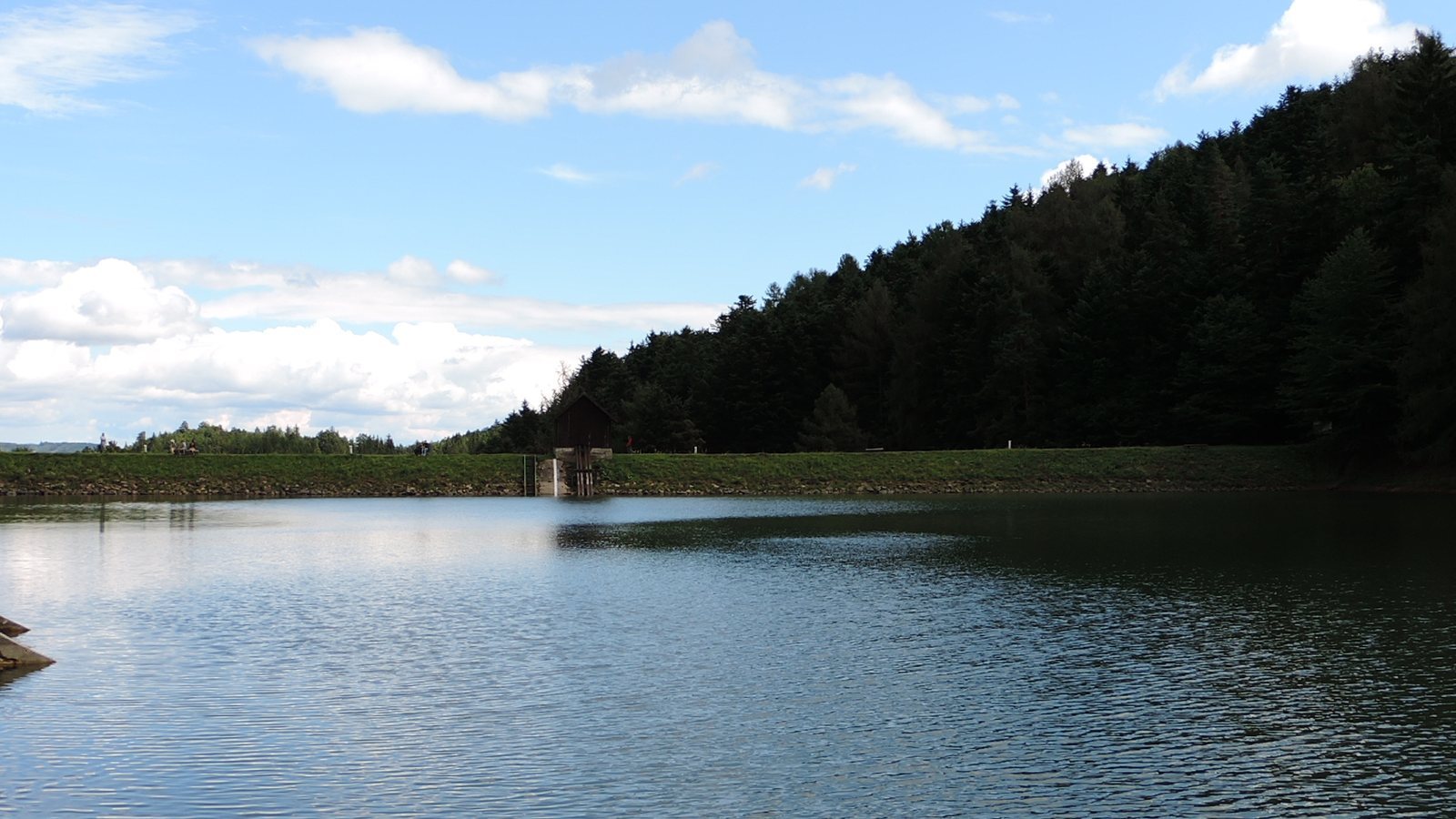
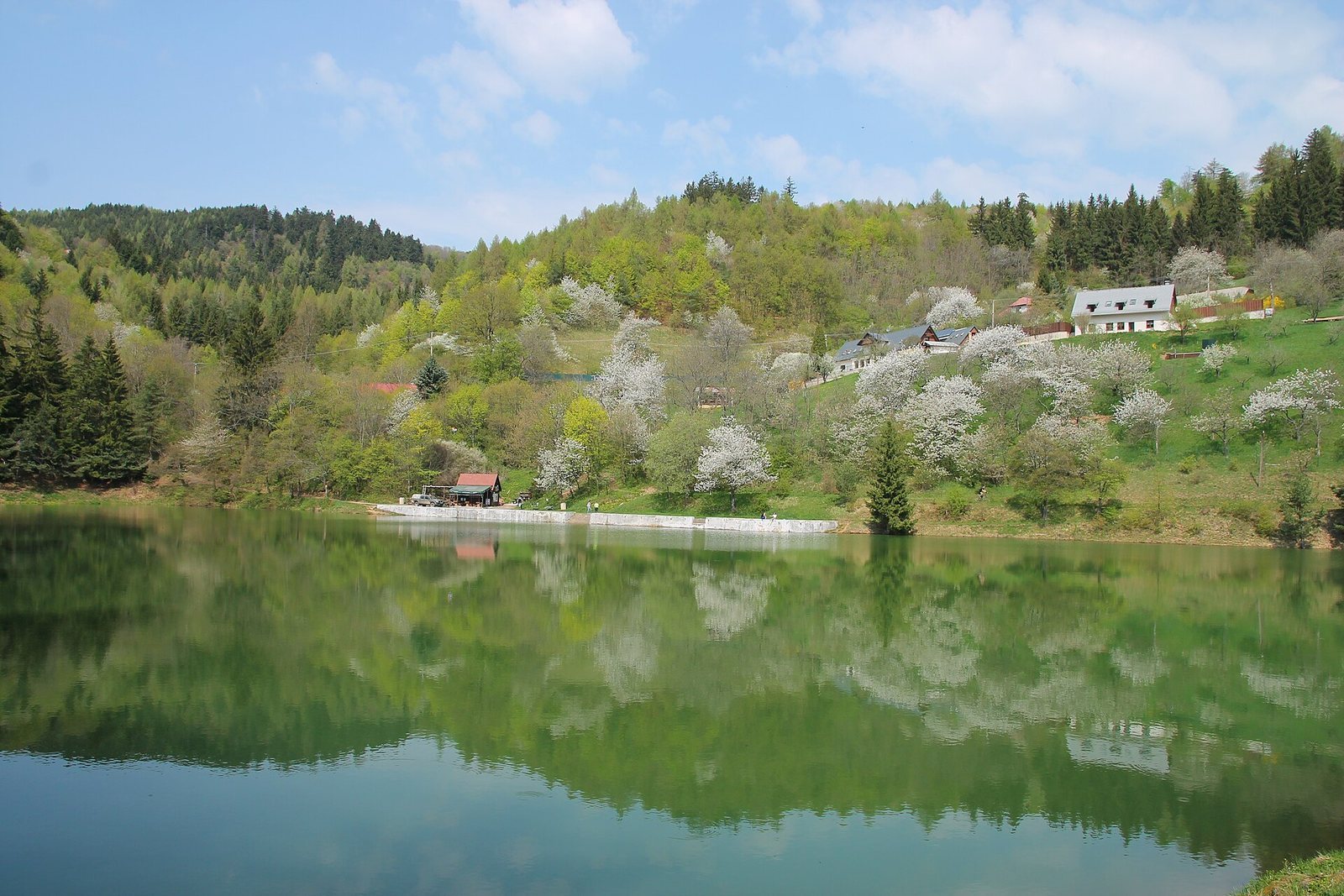
Klinger is an artificial mining reservoir on the northern slope of Vtáčnik hill, about 1 km southwest of central Banská Štiavnica in Slovakia. Built at the beginning of the second half of the eighteenth century, it was designed by the Slovak mining engineer Jozef Karol Hell to supply water for mining and metallurgical machinery. It was one of the smaller reservoirs of its kind in the historic Banská Štiavnica mining district.
Construction and rebuilding
The reservoir was first recorded in 1765. Its name came from the adit, a mine passage that opens to the surface, below whose outlet it was built. Stored water powered equipment at the nearby Andrej, Maximilián, and Žigmund mining works.
The original dam was dismantled in 1829, and a replacement was built by 1833. Additional material was brought from Červená Studňa pass along a specially constructed railway with narrow track spacing. It was the first overground railway line in what is now Slovakia.
Changing uses
Klinger began to serve as a bathing place in the first half of the nineteenth century. Nearby tobacco factories also used the reservoir until 1907. It is now used only for recreation and is designated as cultural heritage of Slovakia.
Remains
Reservoir and dam
The reservoir covers 2.10 hectares and holds 157,900 cubic metres of water, with a maximum depth of 11 m. Its water surface lies 683 m above sea level. The replacement dam was built slightly higher than its predecessor and placed slightly below it, using material from the dismantled structure.
Water supply channels
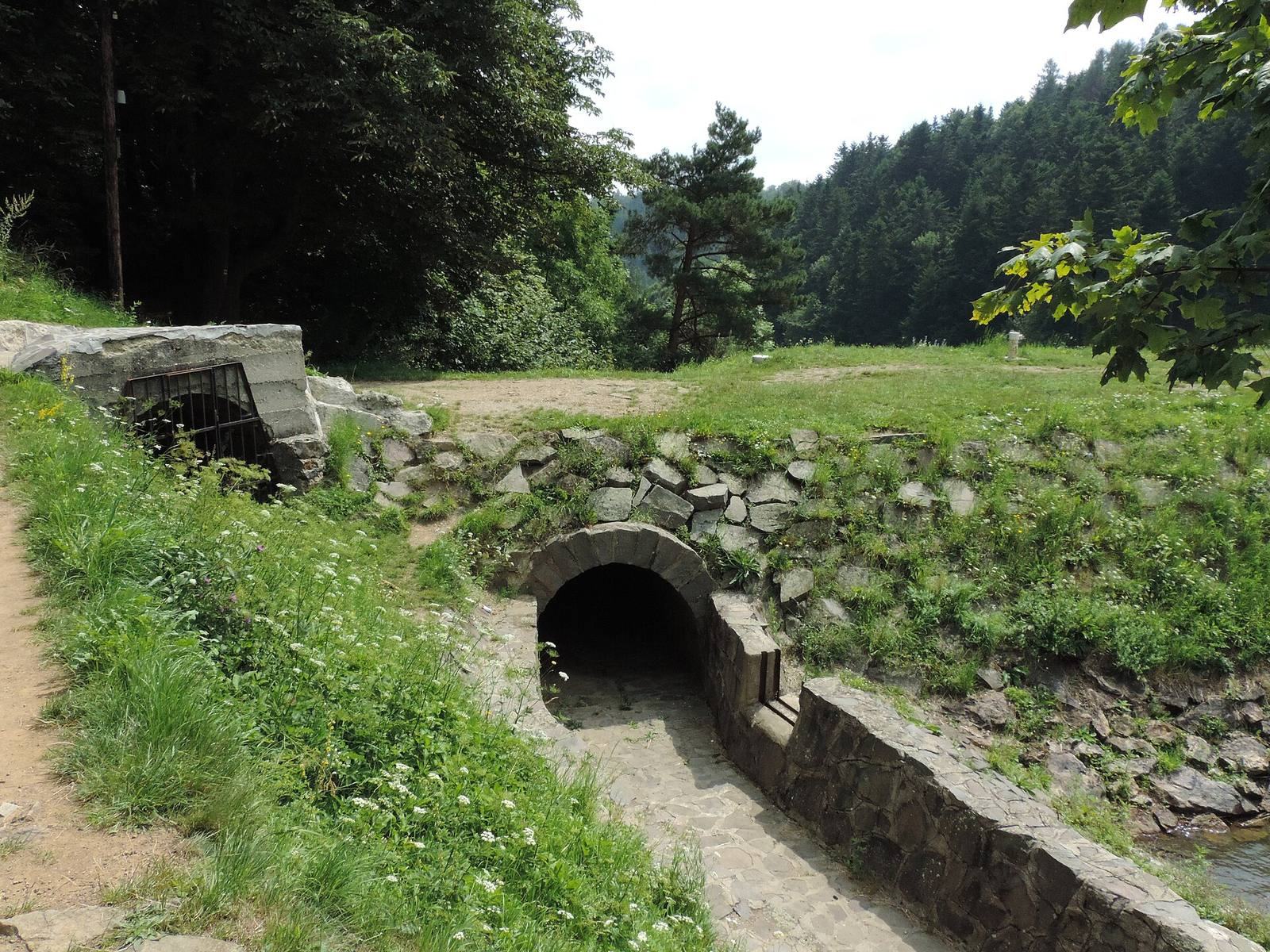
Five collection channels, together 8 km long, supplied the reservoir. They drew water mainly from intakes on the slopes of the neighboring mountains Tanád and Paradajs, each given as 939 m high.
Former bathing facilities
Before the First World War, two wooden bathing pools were fenced off within the reservoir. Wooden cabins used as changing rooms surrounded the pools on all four sides.