Nechaieva Mohyla: A Scythian Burial Mound in Ukraine
Site at a Glance
- Popularity
- Low
- Country
- Ukraine
- Primary era
- Iron Age
- Eras represented
- Iron Age, Modern
- Civilizations
- German, Scythian
- Site type
- Burial
- Remains
- Burial Mound
On this page4 sections
History
Scythian mound and changing name
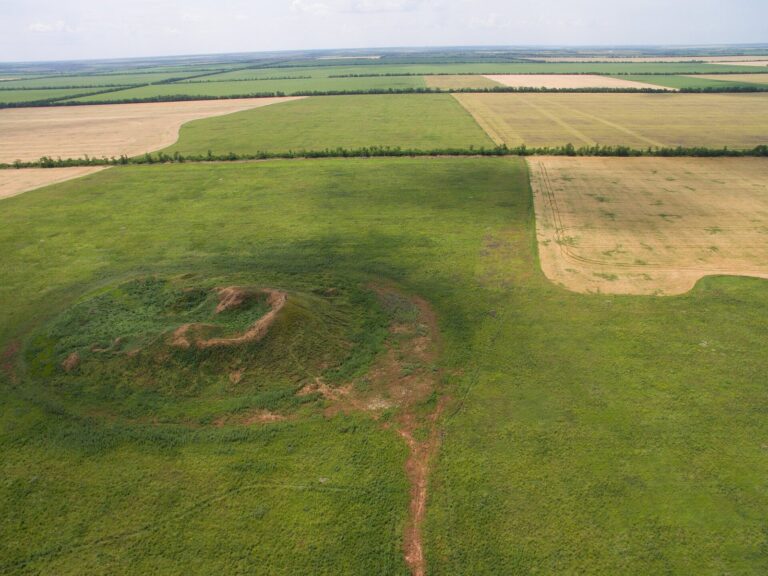
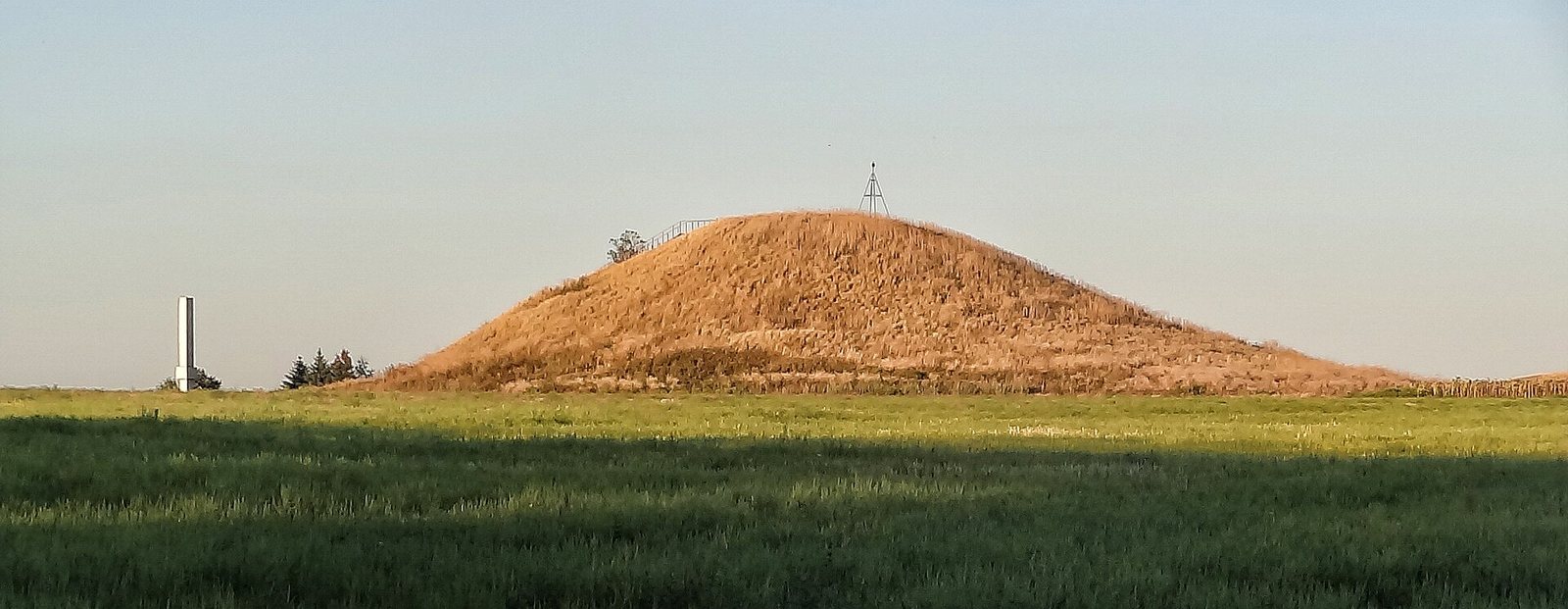
Nechaieva Mohyla is a Scythian burial mound near the village of Lebedynske in Ukraine, dating to the fourth century BC. The Scythians were ancient peoples of the Eurasian steppe, known in part through their burial mounds. Nechaieva Mohyla is designated an archaeological monument of national significance.
The mound is also called Hehelina Mohyla. Research in the 1990s by Vasyl Shatunov connected the Nechaiev family with a woman landowner from the Hehelin family through their correspondence. The Hehelins were probably neighbors, and the mound may once have been on their land. The Nechaievs may have acquired that land before the second half of the nineteenth century, after which the name Nechaieva Mohyla became more widely used.
Archaeology and wartime fighting
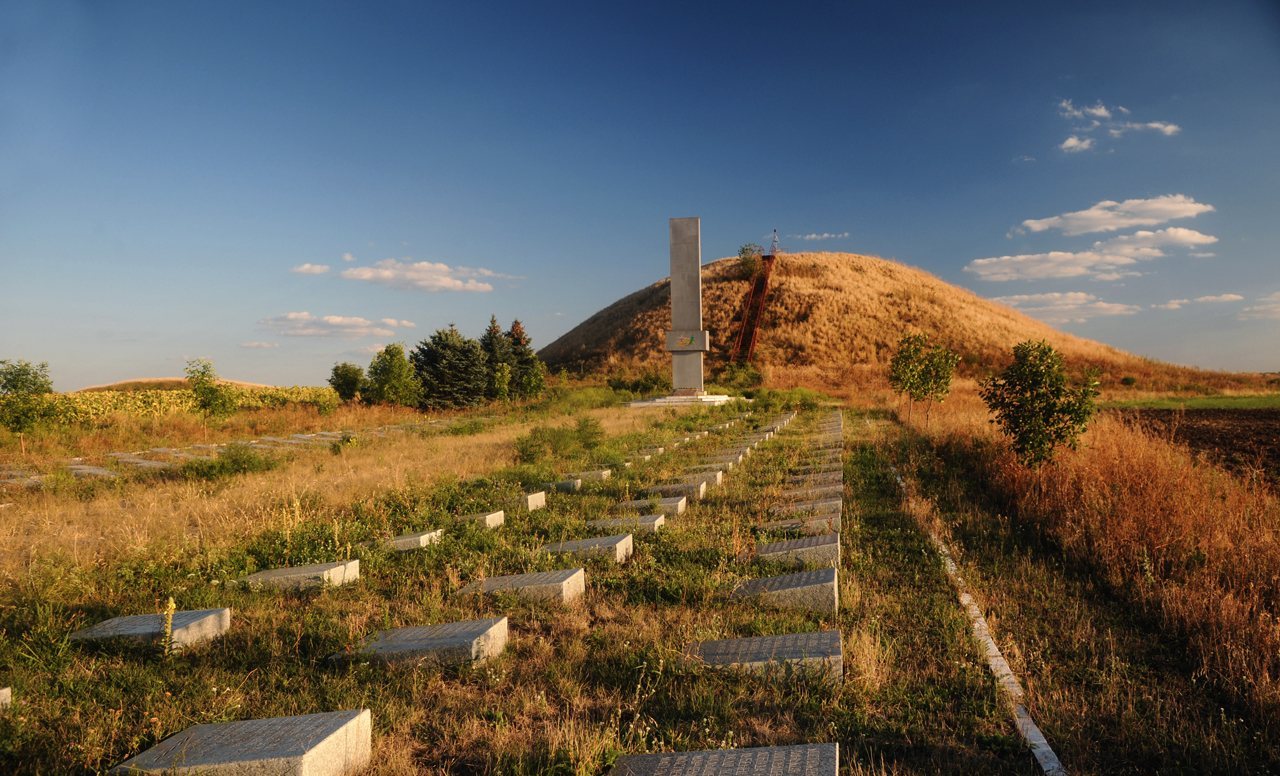
In the nineteenth century, archaeologists Ivan Zabelin and Dmytro Yavornytskyi planned to excavate the mound, but the Nechaiev landowners refused permission. The mound later became an active combat position during fighting in late 1943 and early 1944. German forces fortified it as a firing position while trying to hold the Nikopol bridgehead, an area held beyond an obstacle to support further military operations. Control of the commanding height changed hands repeatedly, with heavy losses on both sides.
After the Second World War, archaeologists A. I. Terenozhkin and B. N. Mozolevsky planned to investigate the mound, but the work did not begin. It remains uninvestigated.
Remains
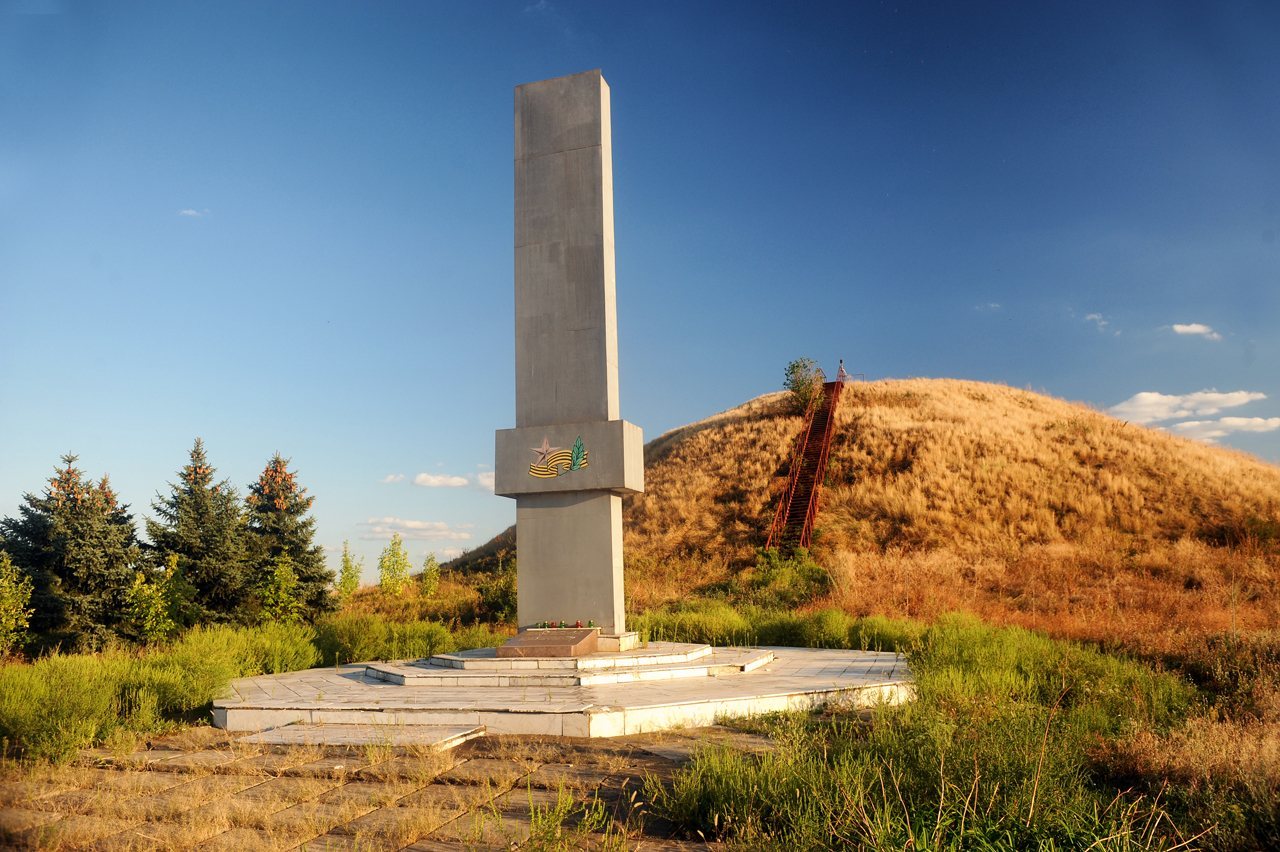
The site is centered on the burial mound, with a memorial to soldiers killed in the fighting standing at its foot. The mound is 15.1 metres high today; in the early twentieth century it stood 3 to 3.5 metres higher. It is described as the highest Scythian burial mound in the Eurasian steppe zone.