Church of Saint John the Baptist in Catanzaro: A Roman Catholic Church
Site at a Glance
- Popularity
- Low
- Country
- Italy
- Primary era
- Early Modern
- Eras represented
- Medieval, Early Modern, Modern
- Civilizations
- Italian, Kingdom of Naples, Norman, Spanish
- Site type
- Religious
- Remains
- Church
On this page13 sections
History
Fortress and foundation
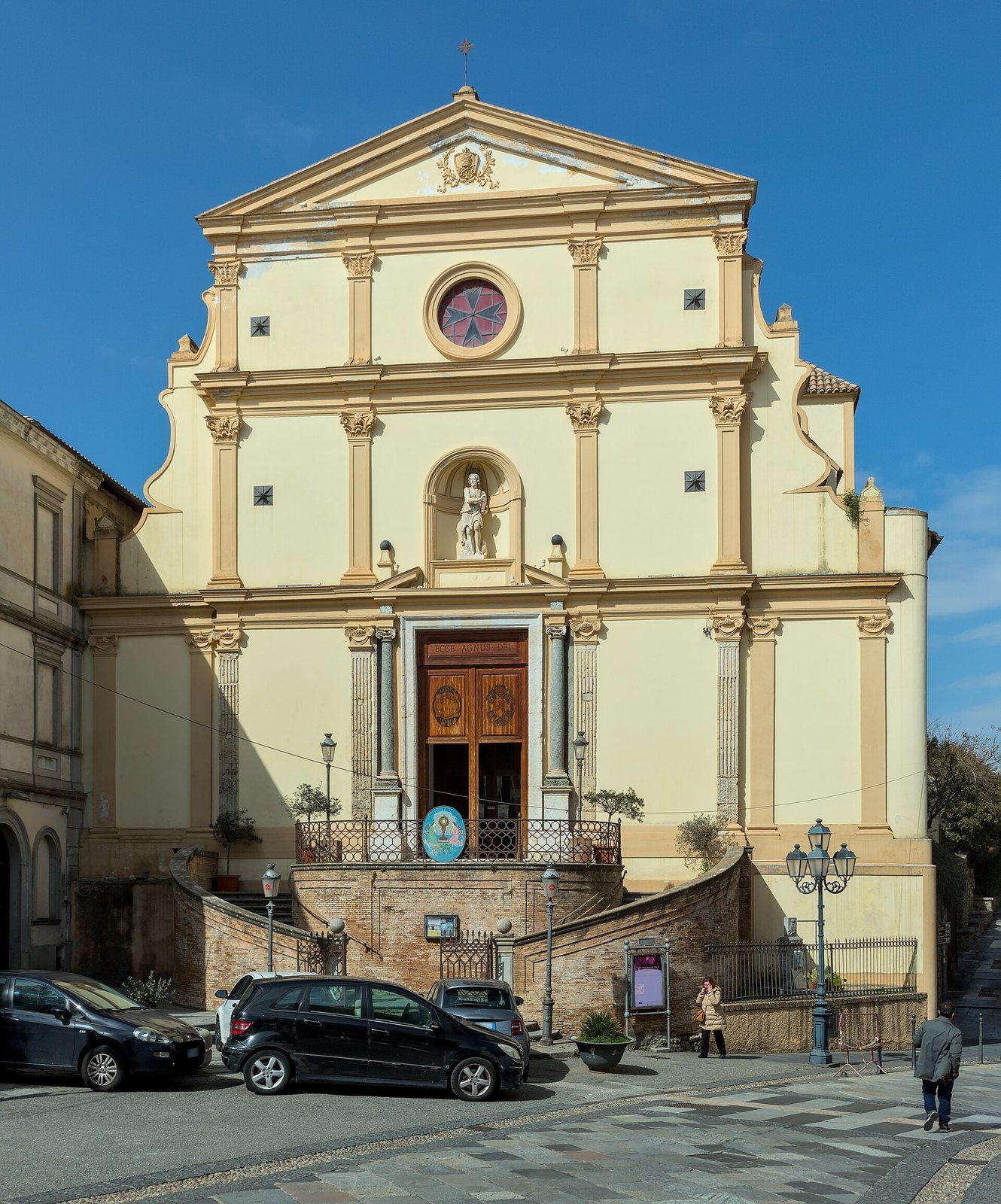
The Church of Saint John the Baptist is a Roman Catholic church in Catanzaro, Italy, founded in 1532 on the site of earlier fortifications. Dedicated to Saint John the Baptist, the Christian prophet associated with the baptism of Jesus, it belongs to the Archdiocese of Catanzaro-Squillace. Its façade is Renaissance in style, while the interior is Baroque.
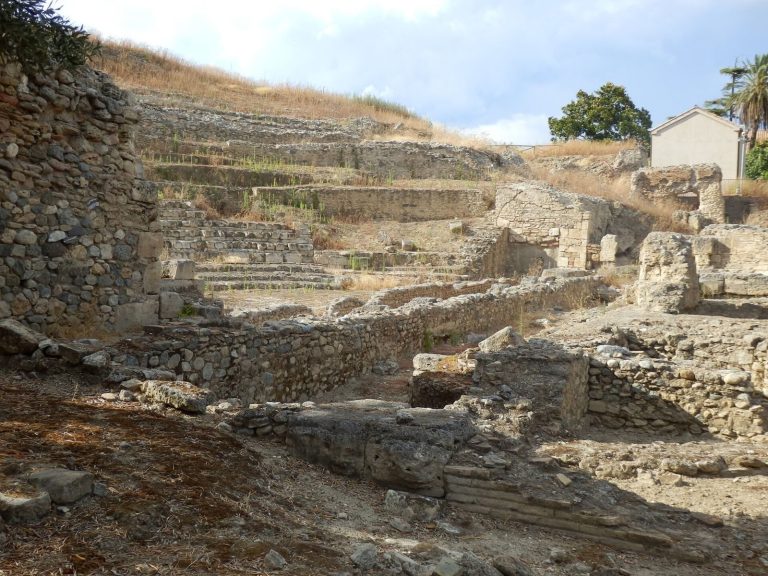
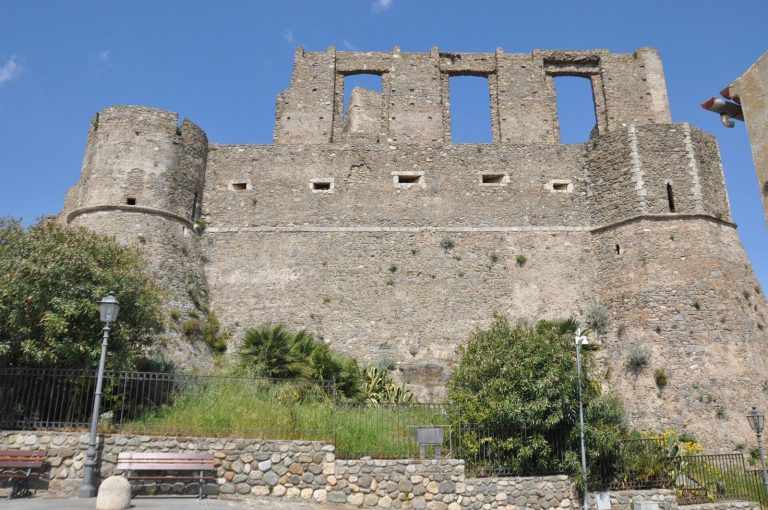
An 11th-century castle and defensive works once occupied the site. Norman ruler Robert Guiscard commissioned them; he became Duke of Apulia and Calabria and played a leading role in the Norman conquest of southern Italy. The fortifications fell into ruin around the 15th century amid repeated rebellions by Catanzaro’s citizens against Count Antonio Centelles, a nobleman associated with the city. Religious buildings began to occupy the former fortified ground from the 16th century.
Convent, confraternity, and later worship
In 1663, the Teresian Fathers established a convent behind the church. They were members of the Discalced Carmelites, a branch of the Carmelite order shaped by Teresa of Ávila’s reform. Pope Clement VIII gave the associated Archconfraternity of Saints John the Baptist and John the Evangelist two paintings of its patron saints. An archconfraternity is a Catholic confraternity granted special status. It is honorarily associated with the Knights of Malta, a Catholic religious order, and affiliated with the Lateran Archbasilica, the pope’s cathedral in Rome. Saint John the Evangelist is traditionally associated with the Gospel of John.
The 1832 earthquake destroyed the early-medieval royal church of San Giorgio. In 1834, devotion to Saint George, a Christian martyr traditionally linked to the dragon legend, was transferred to this church.
Remains
On Triavonà hill, identified as Catanzaro’s highest hill, the church has a long, single nave (central hall) arranged in a Latin-cross form, with a longer central axis crossed by a shorter one. Its exterior is Renaissance in style and its interior Baroque. A palace stands beside the church.
Architecture
Interior layout and ceiling
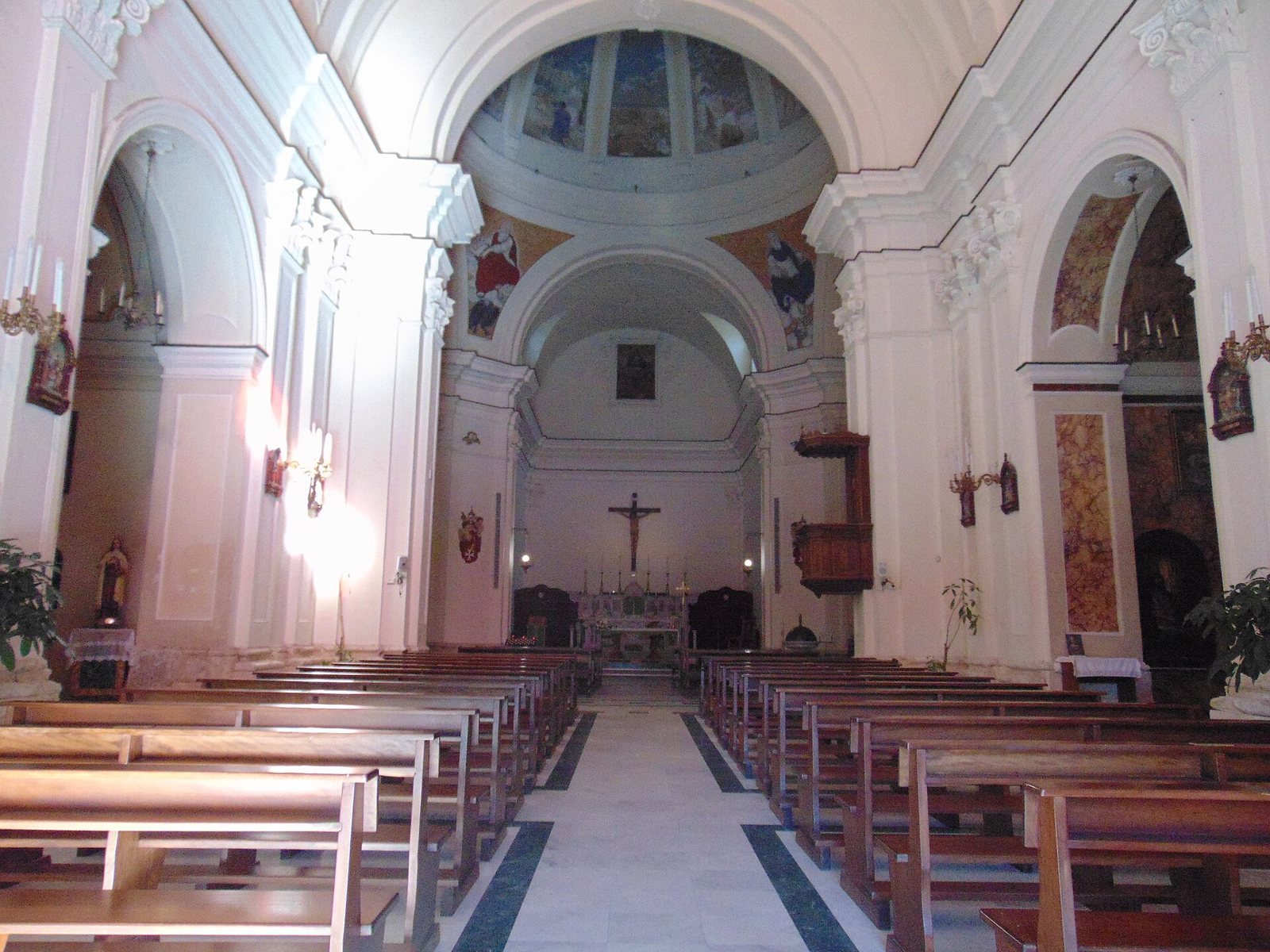
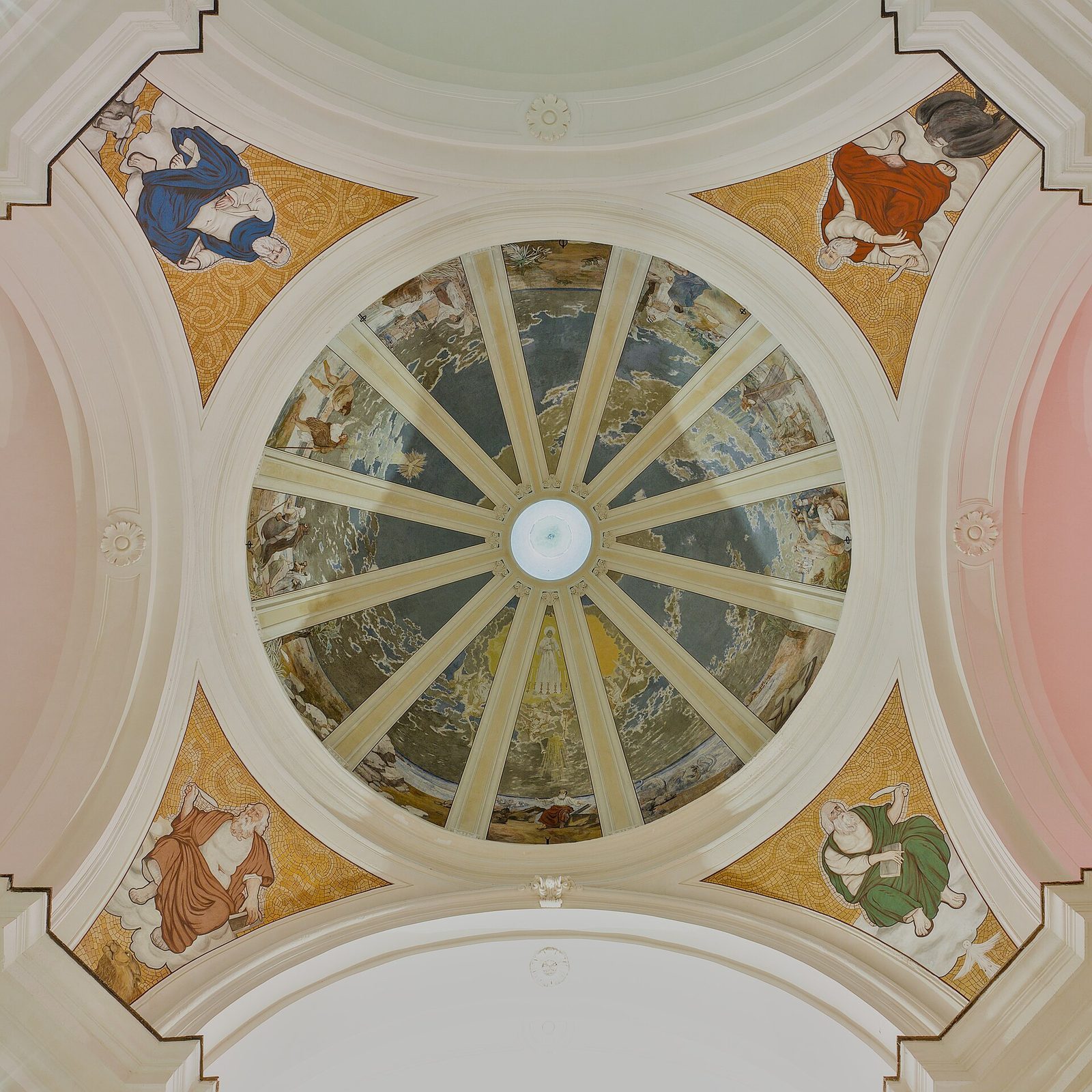
Three chapels line each side of the nave, and a dome covers the presbytery, the area around the main altar. A barrel vault, a continuous arched ceiling, spans the nave. Semicircular windows set into the vault contain images of the Jerusalem cross associated with the Knights of Malta.
Façade and entrance
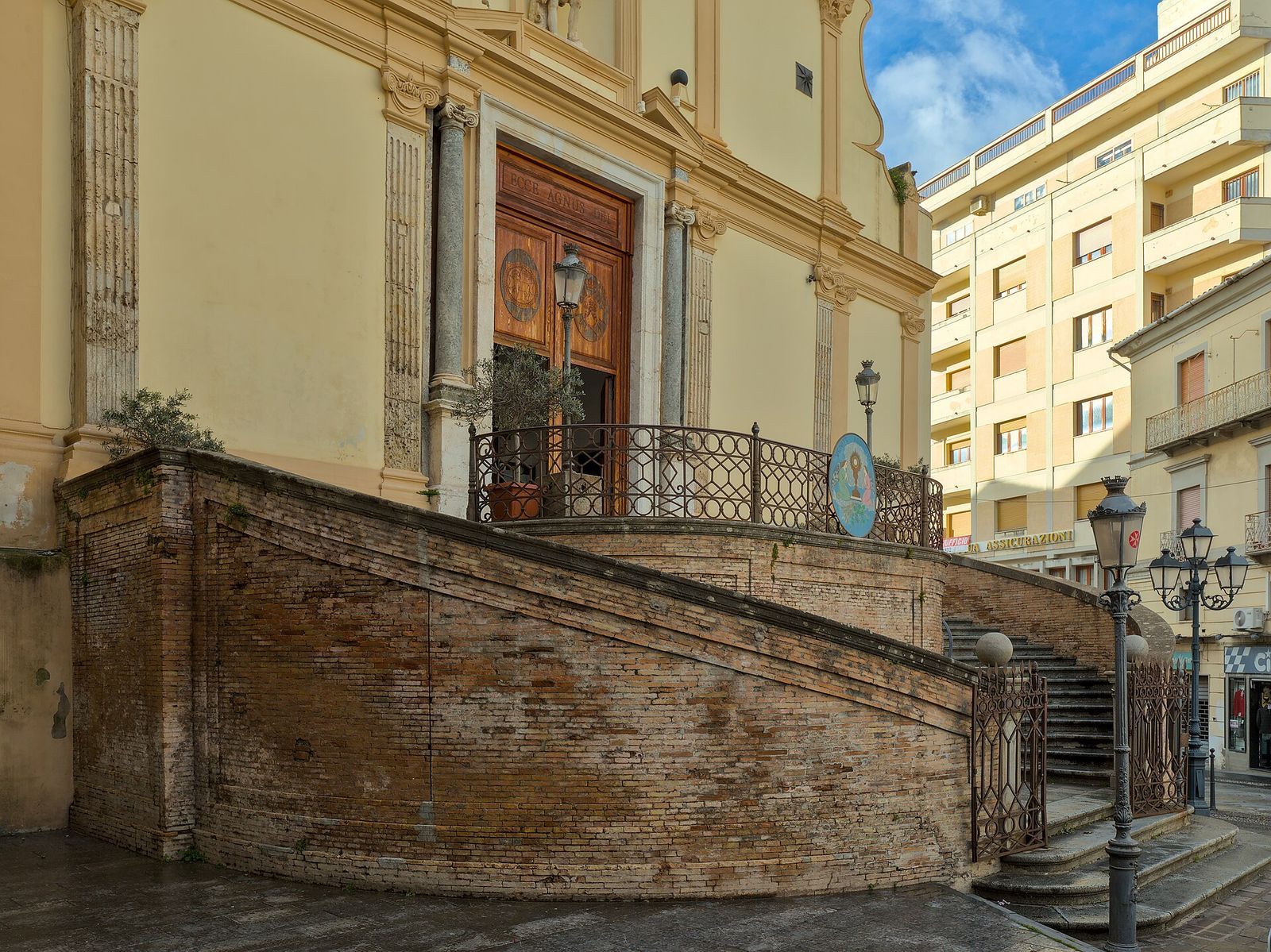
The façade features Ionic and Corinthian capitals, the shaped tops of columns, and a pediment, a gable-shaped feature crowning the front. The 17th-century entrance portal is flanked by columns of green stone from Gimigliano, topped with Ionic capitals. In a niche above it stands a statue of Saint John the Baptist made in Naples in 1632 and attributed to Giandomenico Monterosso.
Staircase
A semicircular double staircase dates to 1877, when the street level was lowered to make access to the church easier.
Archaeological remains
Excavations beneath the nave floor uncovered tombs of both commoners and nobles, along with a wall painting of the Madonna and Child. The image may represent the Madonna of Constantinople.
Paintings and sculpture
Wall paintings
Paintings made in 1910 by Sesto Bruno of Crotone show episodes from the lives of Saint John the Baptist, including his preaching and the baptism of Christ, as well as the Apocalypse associated with Saint John the Evangelist. Early-20th-century paintings by Catanzaro artist Attilio Armone depict the Four Evangelists, Matthew, Mark, Luke, and John, traditionally credited with the canonical Gospels.
Painted works
The choir area contains a canvas of the Madonna of Constantinople. In the transept, the cross-arm of the church, are a 17th-century Immaculate Conception and 18th-century works depicting the Ecstasy of Saint Teresa and Saint Francis Xavier, a Jesuit missionary. The Chapel of Saint George contains 18th-century images of the Madonna of Mount Carmel and the Salus Populi Romani; the latter shows the Virgin Mary with Saints Vitalian, a seventh-century pope, and John the Evangelist. Two paintings of Saints John the Baptist and John the Evangelist are attributed to the school of Annibale Carracci, an influential Italian painter associated with the Bolognese school.
Sculpture
A 16th-century wooden Crucifix stands in the choir. Other works include an 18th-century statue of Saint Francis of Paola, founder of the Minim order, with a face, hands, and feet made of wax, and an 18th-century wooden statue of Saint Philomena, venerated as a young Christian martyr. The latter wears a green silk-velvet garment made in Catanzaro. A 19th-century papier-mâché statue of Saint George was made by Catanzaro sculptor Vincenzo Pignatari. The church also holds a Neapolitan-school statue of the Sacred Heart of Jesus with Saint Margaret Mary Alacoque, a French nun associated with devotion to the Sacred Heart, at its feet, brought from the cathedral, and a statue of Saint Anthony brought from the convent of Santa Maria degli Angeli.