Church of Saints Vitus, Modestus and Crescentia in Nasiechowice: A Medieval Parish Church
Site at a Glance
- Popularity
- Very Low
- Country
- Poland
- Primary era
- Medieval
- Eras represented
- Medieval, Early Modern, Modern
- Civilizations
- Unclassified
- Site type
- Religious
- Remains
- Church
On this page11 sections
History
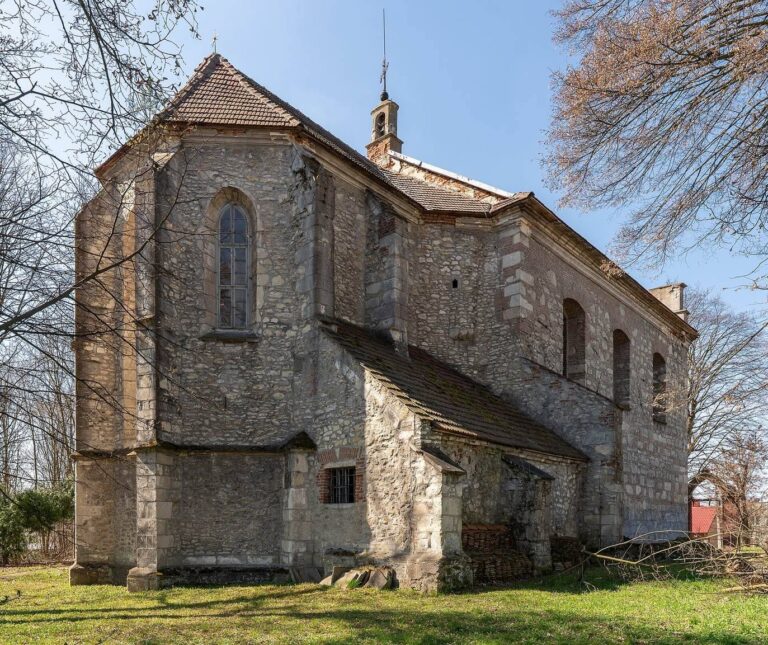
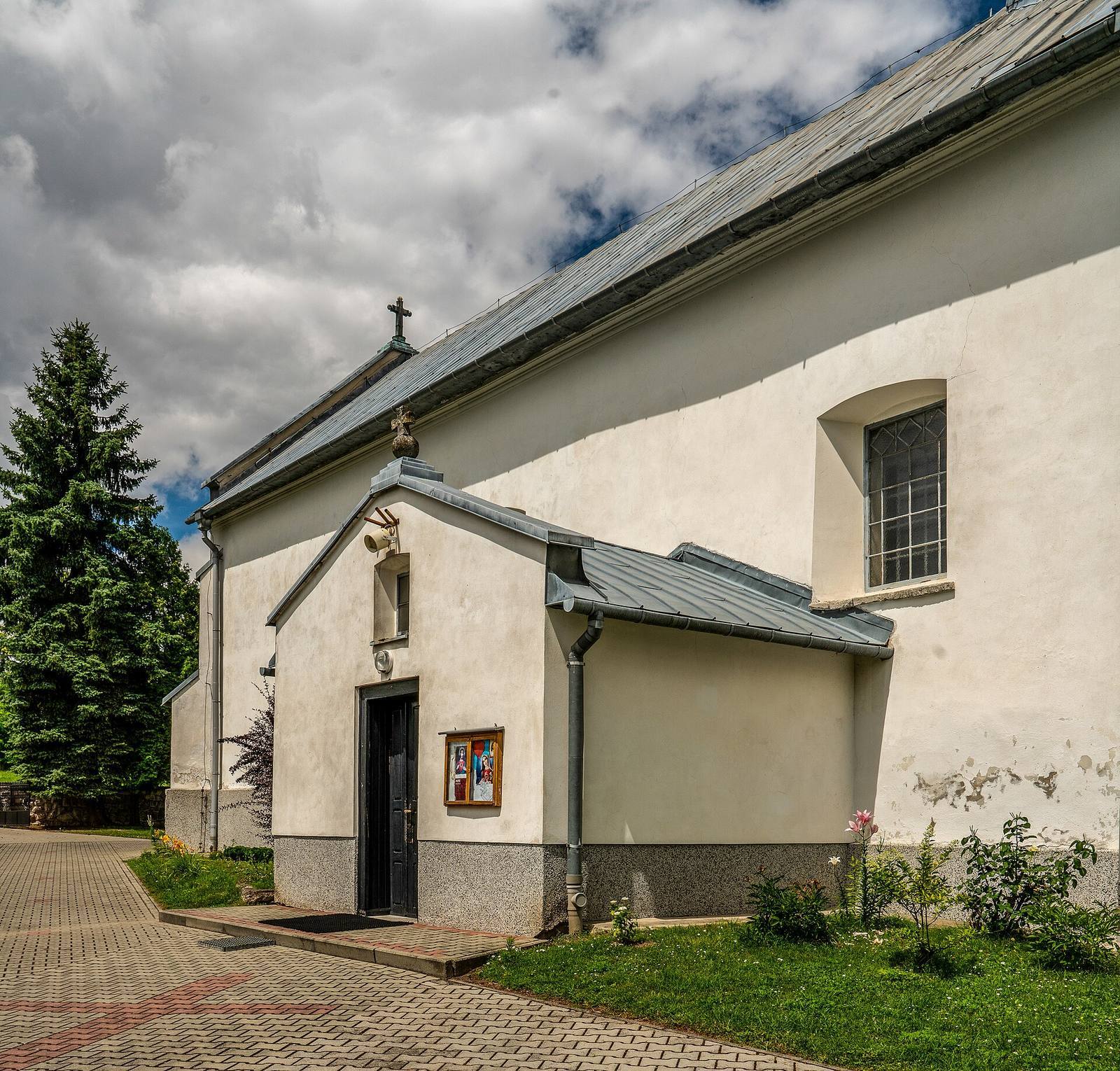
The Church of Saints Vitus, Modestus and Crescentia in Nasiechowice, Poland, is a Roman Catholic parish church built in masonry in the early fourteenth century and now in an eclectic style. Dedicated to three Christian martyrs, it observes their shared liturgical memorial on 15 June.
Early church and decline
By 1791, the church was in poor condition. Priest Trąbski arranged repairs around 1798. In 1810, priest Stanisław Korkoszyński tried to restore the building and temporarily covered its leaking roof with straw.
The church fell into ruin again during the nineteenth century. Marcinkowski, the parish priest of nearby Niedźwiedź, closed it, and services moved to a tavern belonging to the parish priest. The tavern was converted into a chapel in 1839, and worship continued there for four years.
Nineteenth-century repairs and rebuilding
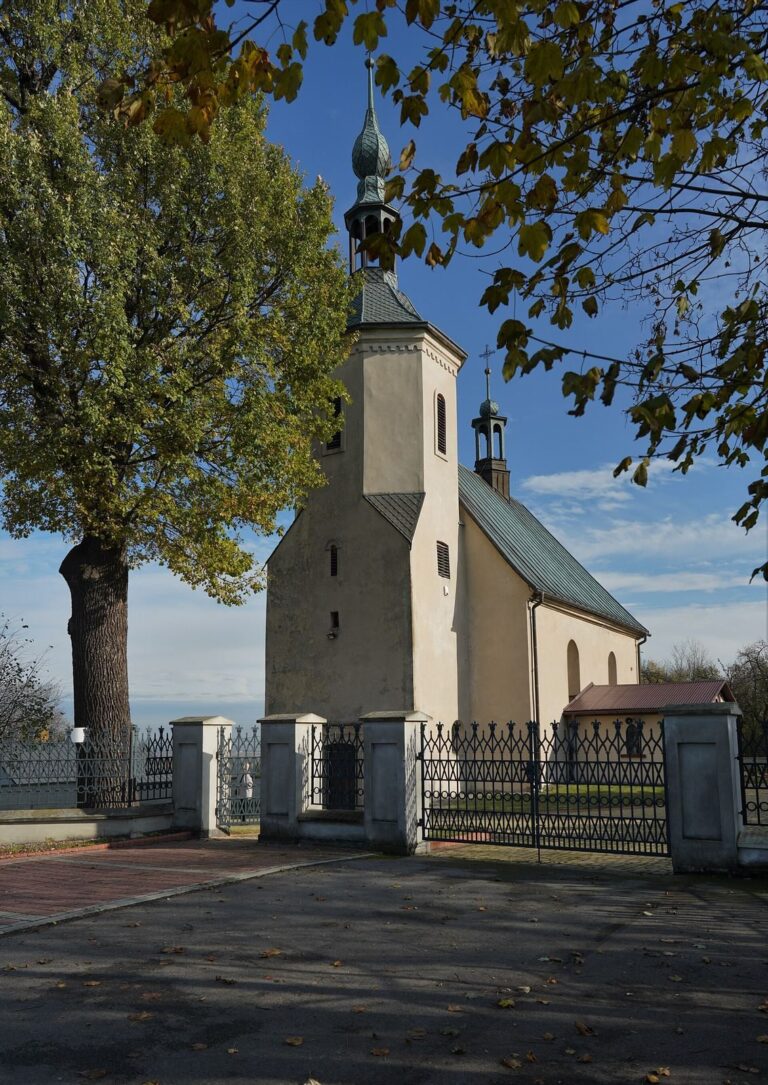
After 1854, priest Antoni Powązka added a bell turret to the roof, covered the roof with shingles, and put the churchyard cemetery in order. A restoration financed by local landowner Cyprian Bzowski followed in 1885 to 1886 and extended the church’s main body.
A Chapel of the Sacred Heart of Jesus was added to the church’s north side in 1935, and conservation work took place in 1975. On 16 September 2009, the church and bell tower were entered in the Lesser Poland Voivodeship register of immovable monuments.
Remains
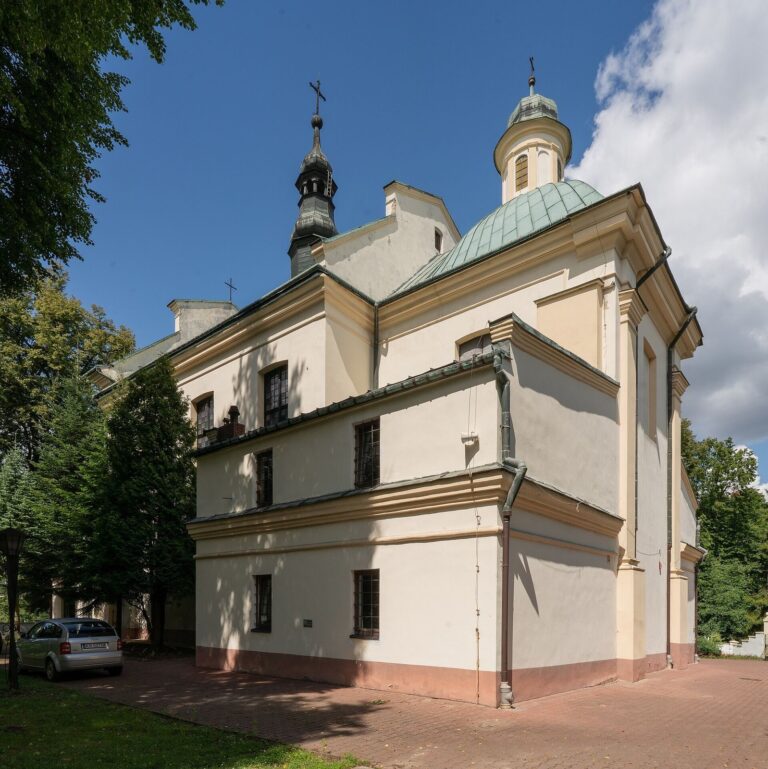
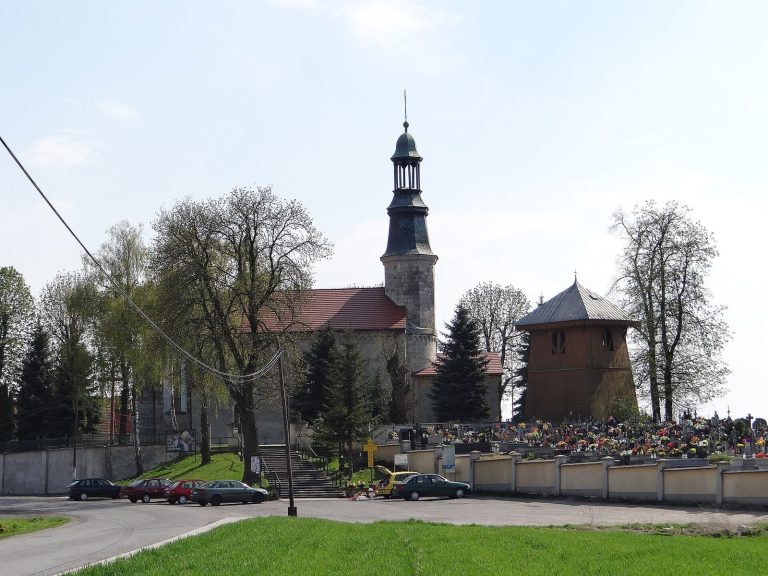
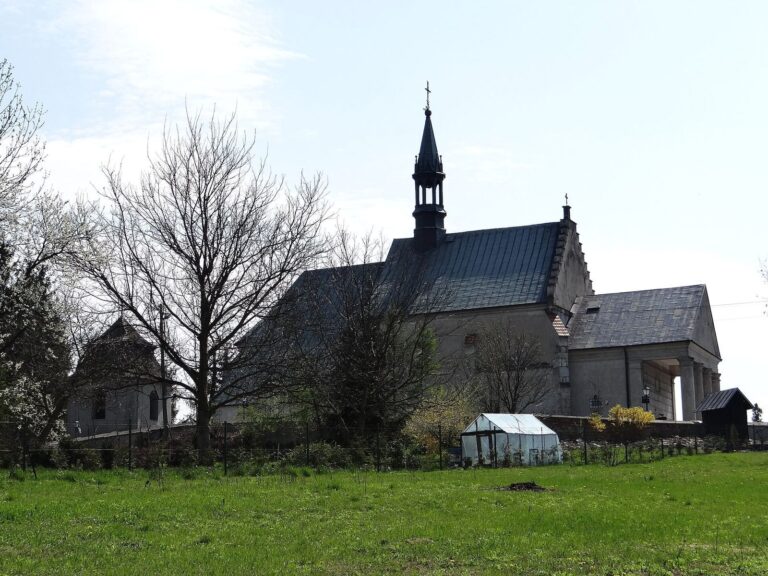
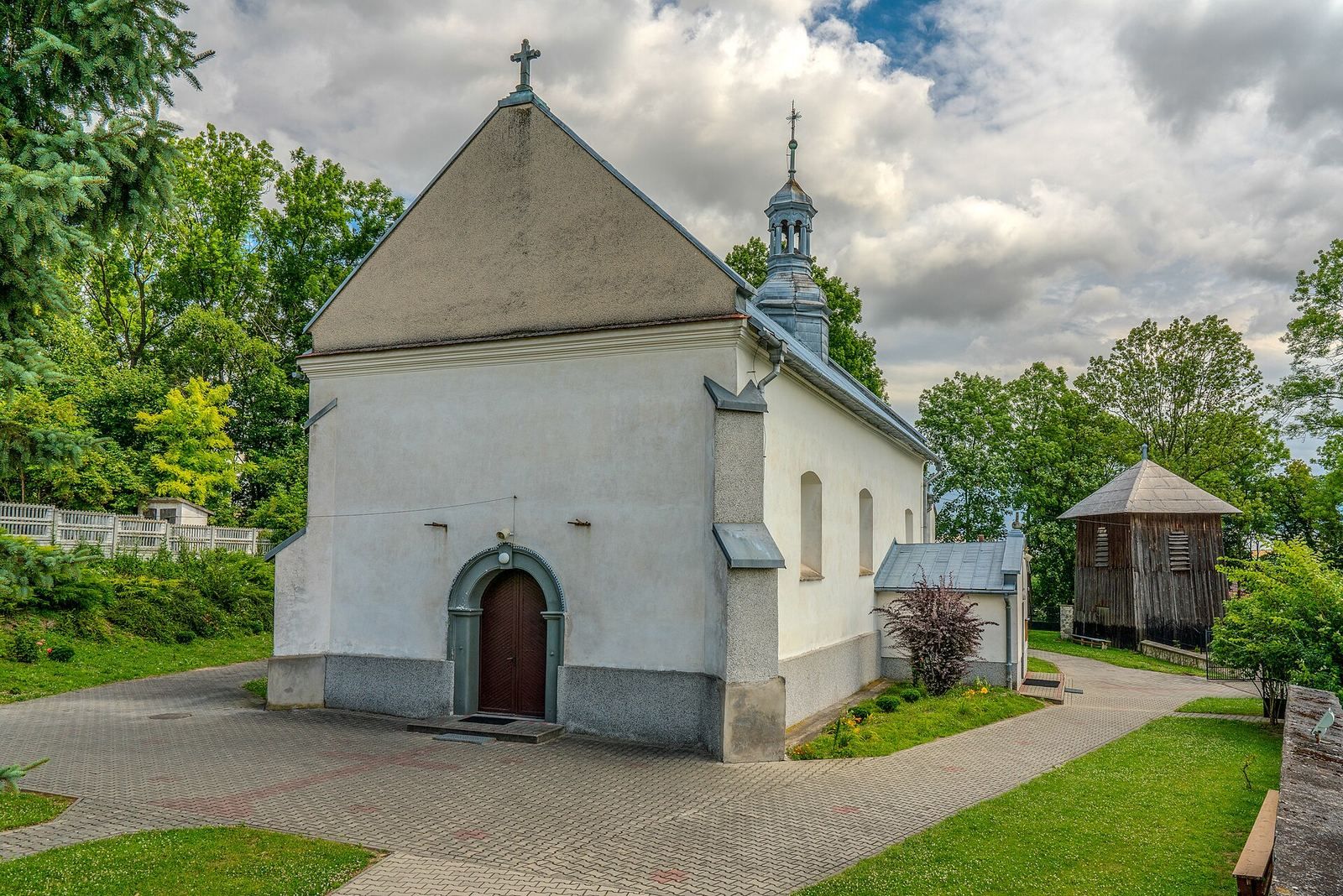
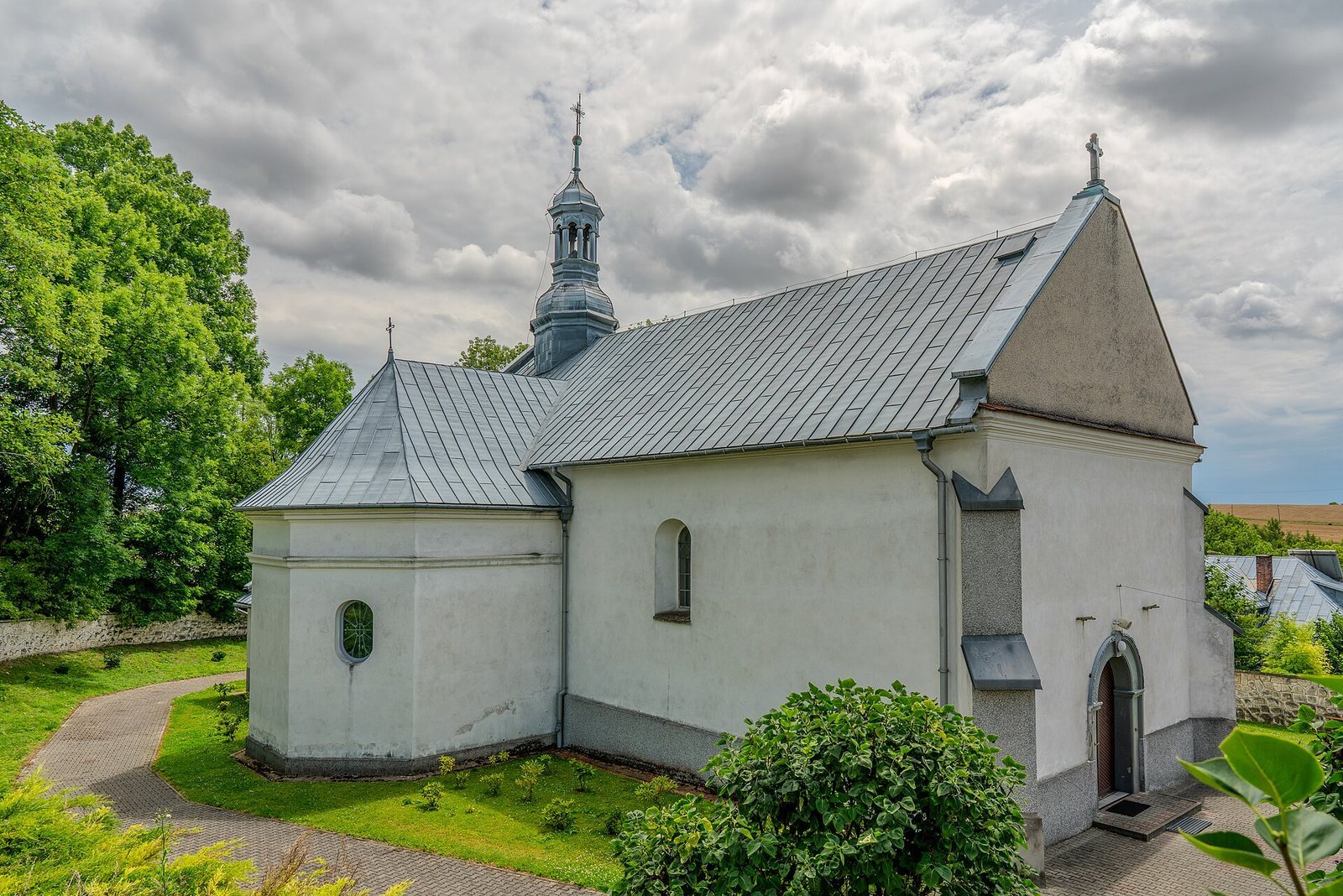
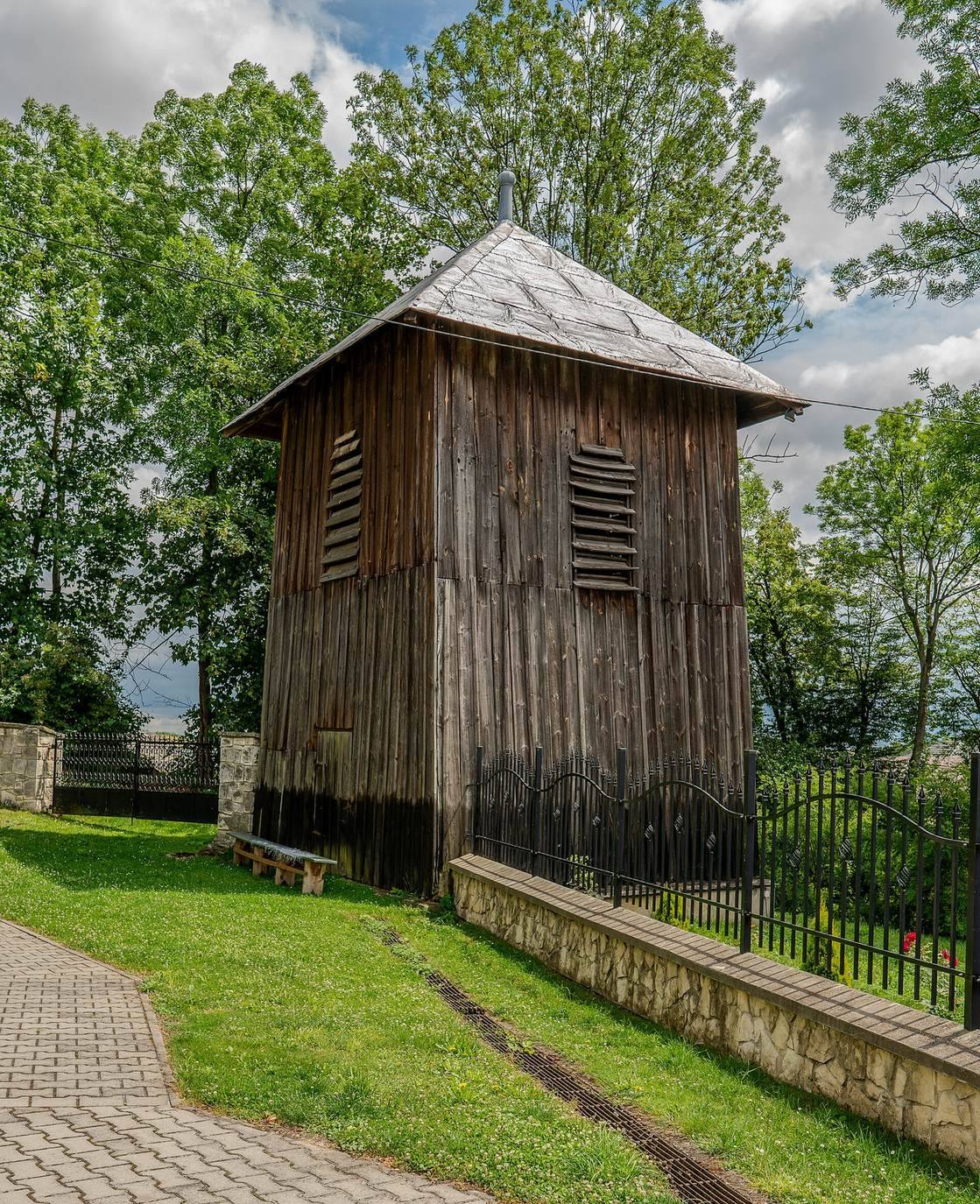
The oriented masonry church has a single nave and a square chancel, the area around the altar, narrower than the nave. A bell turret sits on the roof, while a wooden bell tower stands in the churchyard.
Church and churchyard structures
Main church
The first church had Gothic features, which were lost during later rebuilding. A Chapel of the Sacred Heart of Jesus is attached to the north side of the church.
Bell structures
The church has a roof-mounted bell turret. In the churchyard, a wooden bell tower built on supporting posts dates to 1740.
Interior furnishings and artwork
Altars and paintings
The interior furnishings are Baroque, a European artistic style, and Rococo, an ornate style that developed from Baroque. The church has three altars, including a Rococo high altar from the second half of the eighteenth century and two Baroque side altars. The side altars hold images of Saint Mary Magdalene and the Virgin and Child; the latter has a late-Baroque ornamental cover dating to the second half of the eighteenth century. The image of Saint Mary Magdalene and paintings of the Coronation of the Virgin and Saint Isidore are by Wojciech Gerson (1831–1901), a Polish painter and art teacher.
Organ
The organ has nine stops, each controlling a set of pipes, one manual or hand keyboard, and a pedalboard operated by the feet.
Vestibule relief
A relief in a griffin coat of arms in the vestibule depicts a dragon. The stone griffin has lost its wings and one hind leg after repeated cleaning and painting.