Mary Magdalene Church in Szczucin: A Roman Catholic Parish Church
Site at a Glance
- Popularity
- Low
- Country
- Poland
- Primary era
- Early Modern
- Eras represented
- Early Modern, Modern
- Civilizations
- Austria-Hungary, Austrian Empire, Habsburg, Polish–Lithuanian Commonwealth
- Site type
- Religious
- Remains
- Church
On this page10 sections
History
Construction and consecration
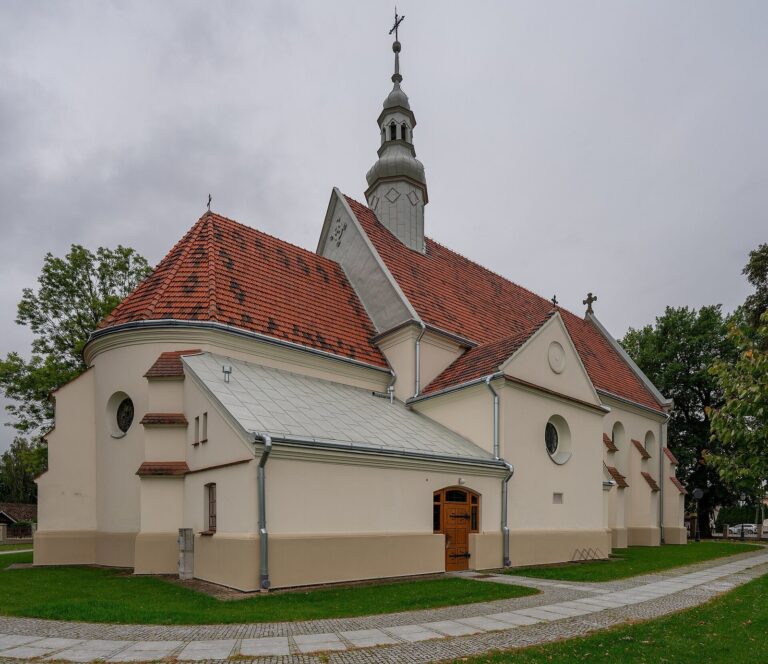
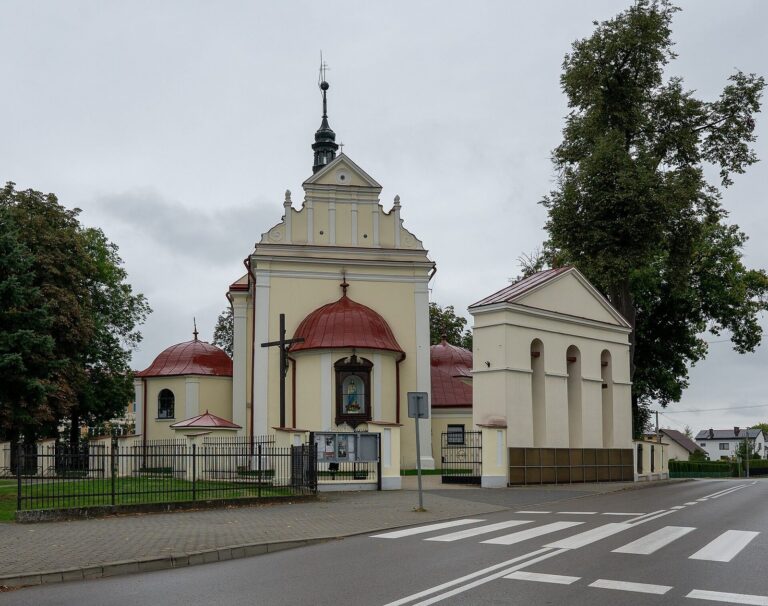
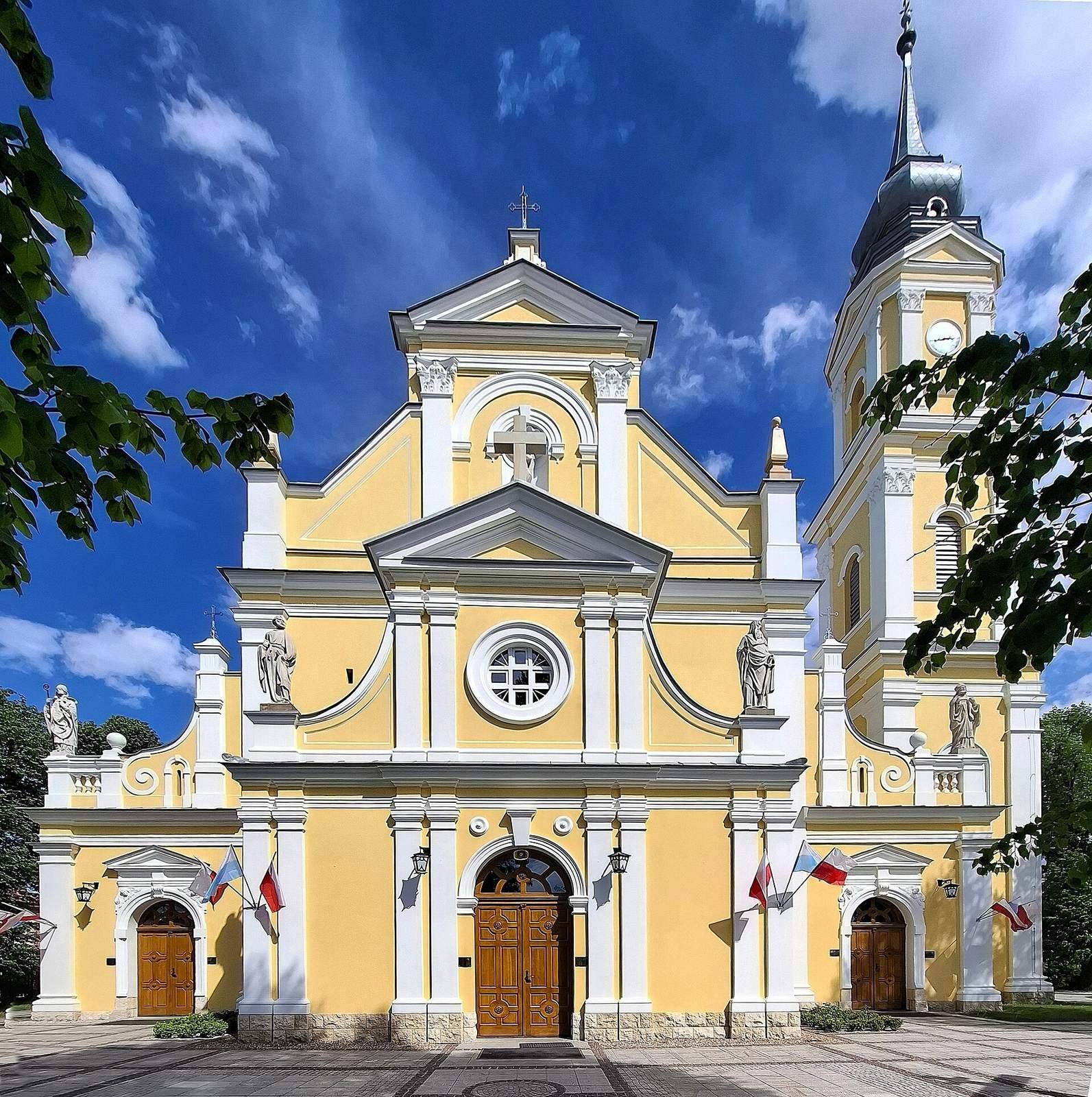
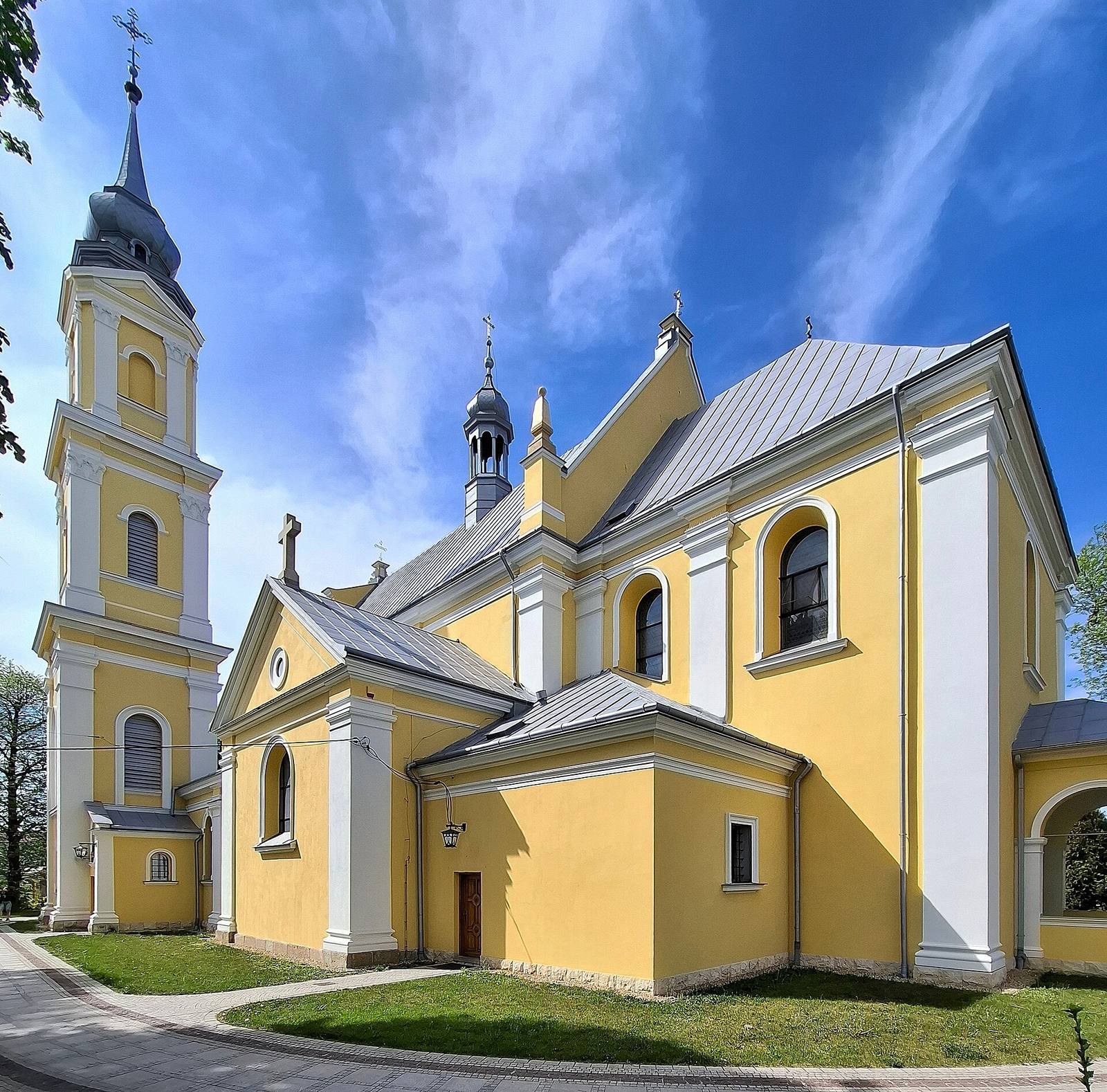
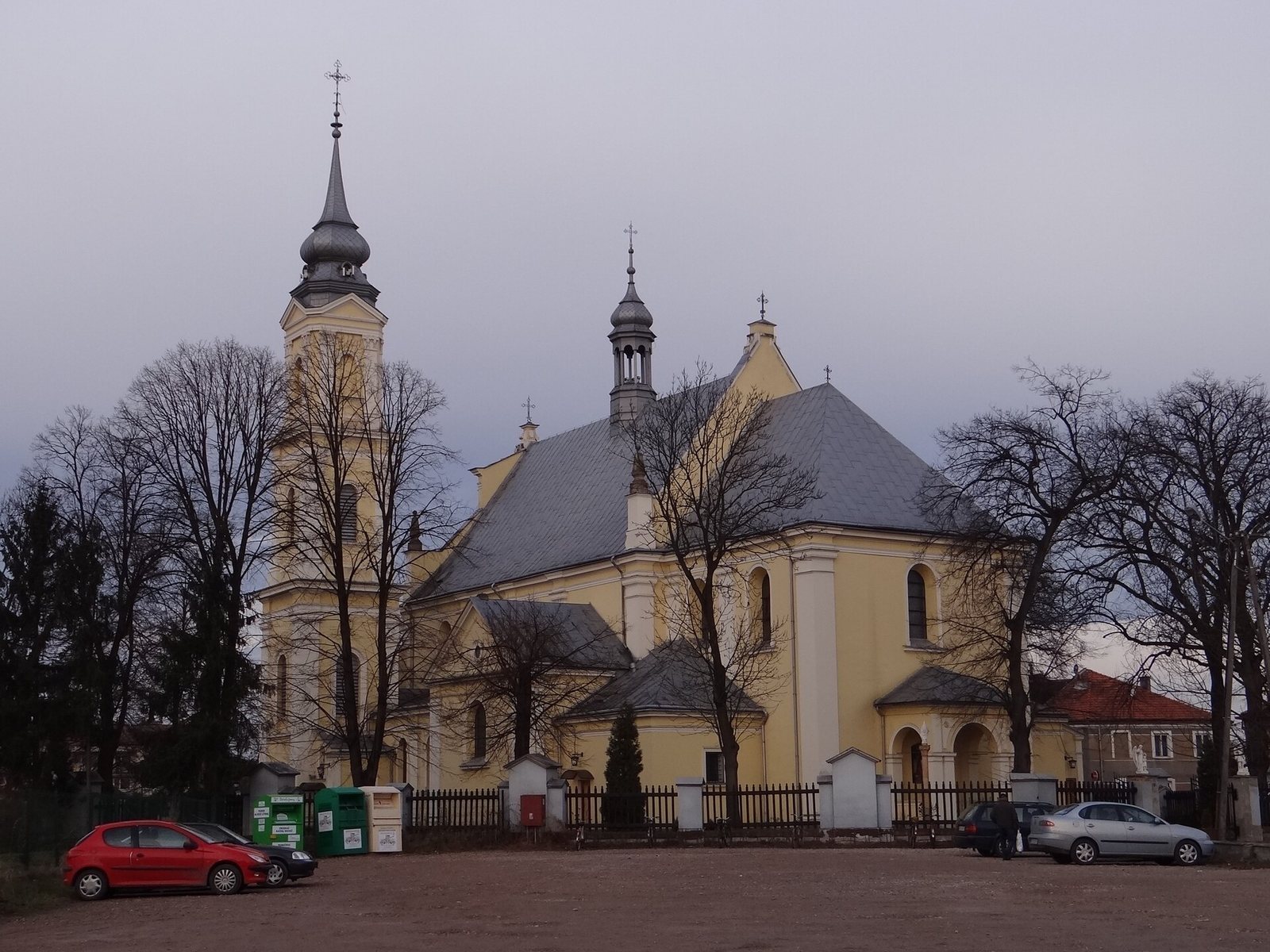
The Mary Magdalene Church in Szczucin, Poland, is a Roman Catholic parish church dedicated to Saint Mary Magdalene, a New Testament follower of Jesus associated in Christian tradition with his death and resurrection. Construction began in 1680 on the site of a wooden church and continued into the early eighteenth century; the building was consecrated in 1734. Its architecture combines Baroque, an ornate style, and Neo-Baroque, a later revival of Baroque forms.
The founders were Adam Miklaszewski, a priest who served as Szczucin’s parish priest and custodian of Pilica, and his nephew Seweryn Miklaszewski, a canon, or member of a church chapter of clergy, in Tarnów. The church belongs to the Szczucin deanery, a group of parishes within the Diocese of Tarnów, an area administered by a bishop.
Fire and expansion
A fire destroyed the church in 1795, after which it was rebuilt. Helena Husarzewska funded an expansion carried out from 1864 to 1873. In 1905, another enlargement added two side aisles, following an architect’s design.
Wartime damage and rebuilding
Wartime operations seriously damaged the church in 1944 and completely destroyed its tower. The tower was reconstructed from 1959 to 1960.
Remains
Building plan and fabric
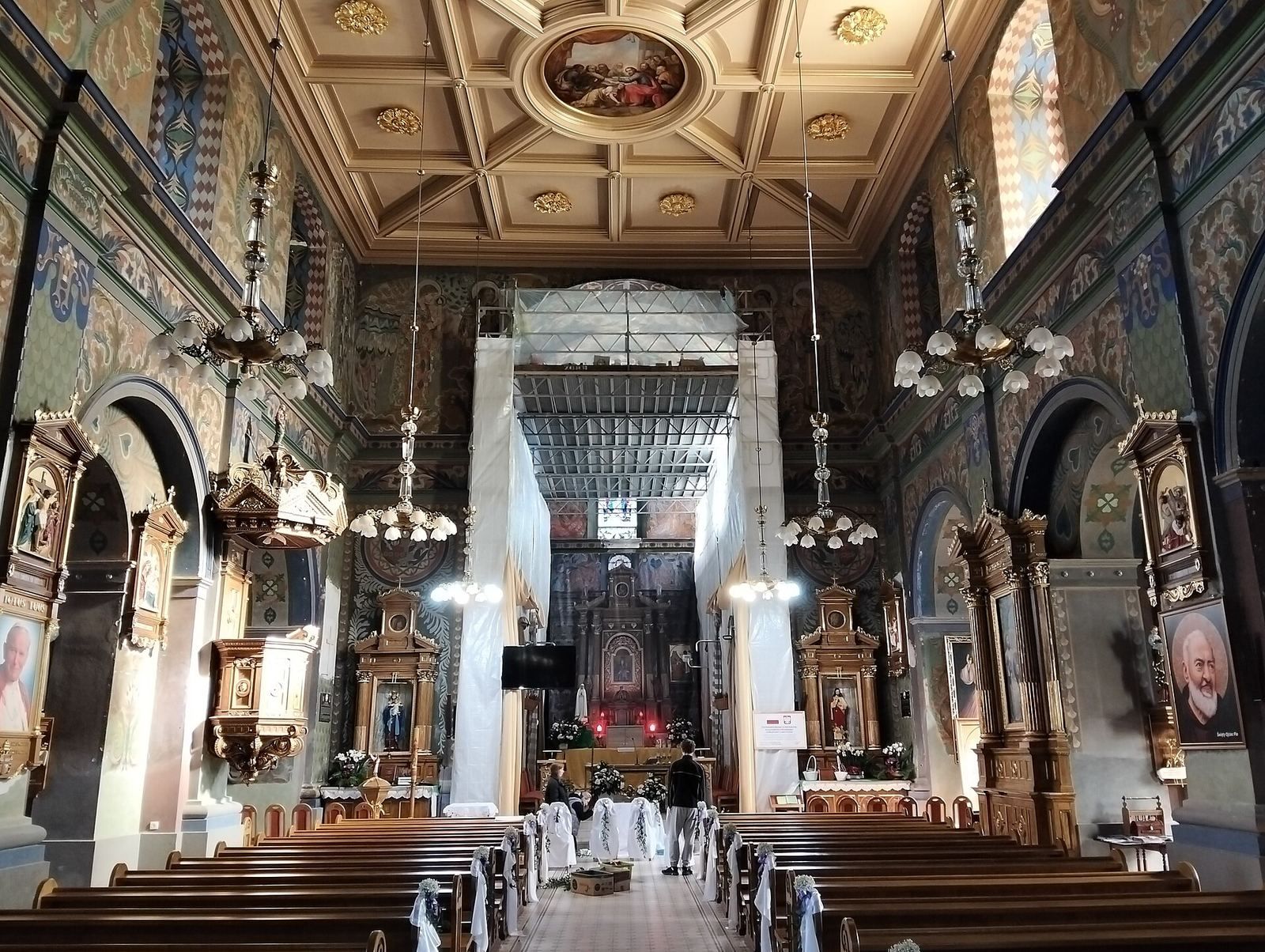
The church is built of brick and stone and is organized around a broad, rectangular nave, the main area for the congregation. It began as a single-nave building and now has three naves. The chancel, the area around the altar, ends in a straight wall, with a sacristy, a room for liturgical objects and vestments, attached on each side. The building also has two side chapels, an eastern porch, a spacious front porch, and a tower on its south side.
Interior fittings
Altars and furnishings
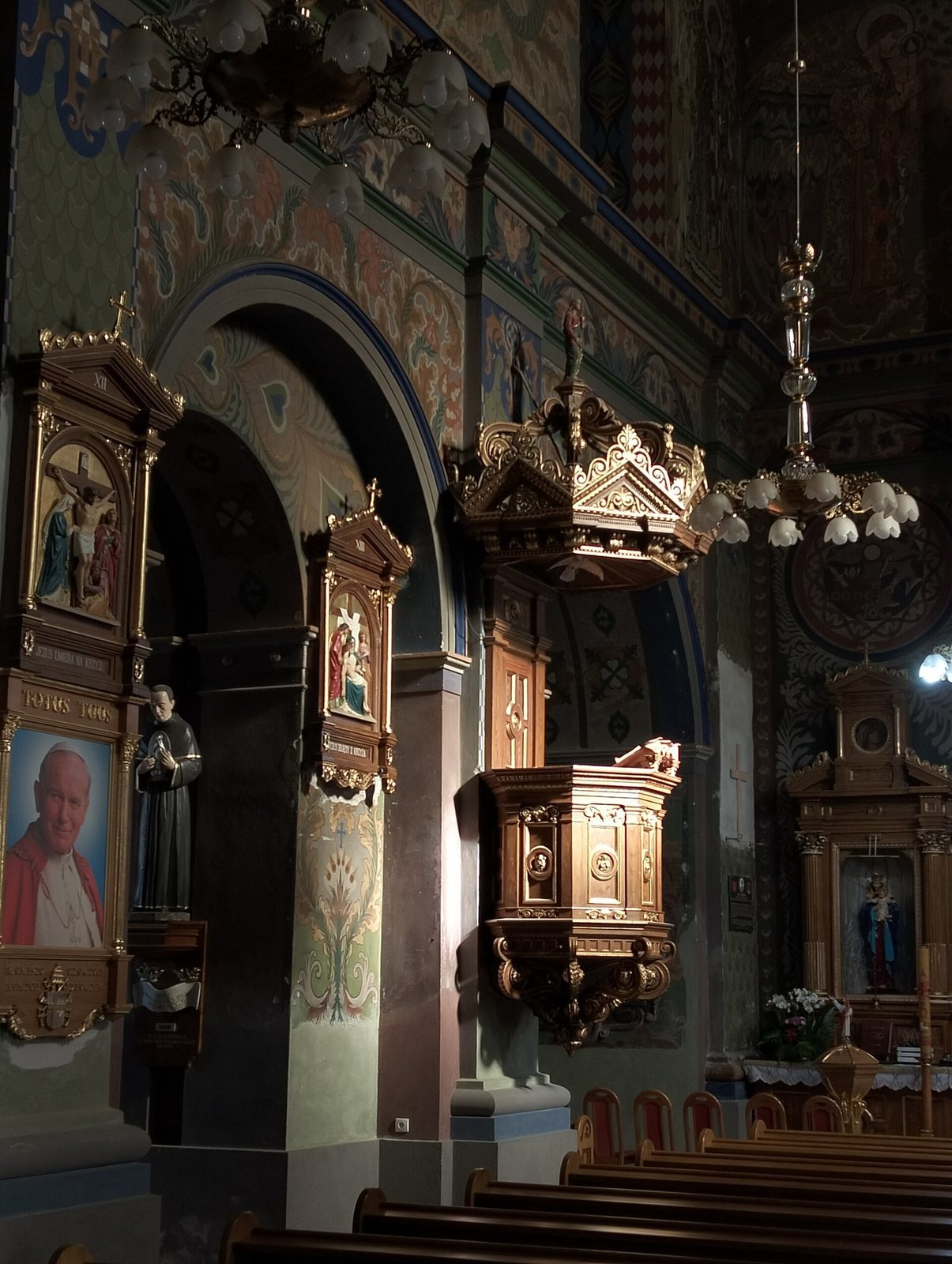
The altars and other furnishings date from the second half of the nineteenth century and the early twentieth century. Their styles include Neo-Renaissance, which draws on Renaissance forms, and eclectic design, which combines elements from different styles.
Organ
The organ case has openwork carved decoration in the Rococo style, a highly decorative style that developed from Baroque. Its carved work dates from the second half of the eighteenth century. The organ itself was made from 1973 to 1974 by Tadeusz Rajkowski’s firm in Włocławek. It has 26 stops, each a set of pipes that produces a particular tone.
Crucifixes
Three Baroque crucifixes in the church date from around the turn of the eighteenth and nineteenth centuries.