Rzhev Kremlin: The Fortified Center of Rzhev
Site at a Glance
- Popularity
- Medium
- Country
- Russia
- Primary era
- Medieval
- Eras represented
- Medieval, Modern
- Civilizations
- Unclassified
- Site type
- Military
- Remains
- Citadel
On this page8 sections
History
The Rzhev Kremlin was the fortified core and historic center of Rzhev, Russia. Its earliest defenses date to Ancient Rus, and the stronghold remained in use from the thirteenth through the seventeenth century. The site was rebuilt and strengthened over several centuries before fires and the loss of repairs led to the disappearance of its fortifications.
Early fortifications and rebuilding
In 1408, Vasily I, Grand Prince of Moscow, ordered the fortifications rebuilt in timber on a hill later known as Cathedral Hill. The fortress was strengthened during the fifteenth century to guard against Lithuanian raids.
Conflict and decline
During the Time of Troubles, a period of political upheaval in Russia from 1609 to 1612, Polish troops captured Rzhev, but the Kremlin held out. Fires repeatedly damaged its wooden defenses. After a major fire in 1676, the fortifications were not restored. This decision was also linked to the Eternal Peace, a treaty between Russia and the Polish-Lithuanian Commonwealth. Amid a lack of repairs and later construction on the site, the defenses probably disappeared gradually during the second quarter of the eighteenth century.
Later site history
Modern construction covered part of the site and damaged some archaeological deposits. Archaeologists E. A. Rikman and L. V. Alekseev surveyed the settlement remains. The Kremlin is designated a cultural heritage monument of federal significance in Russia.
Remains
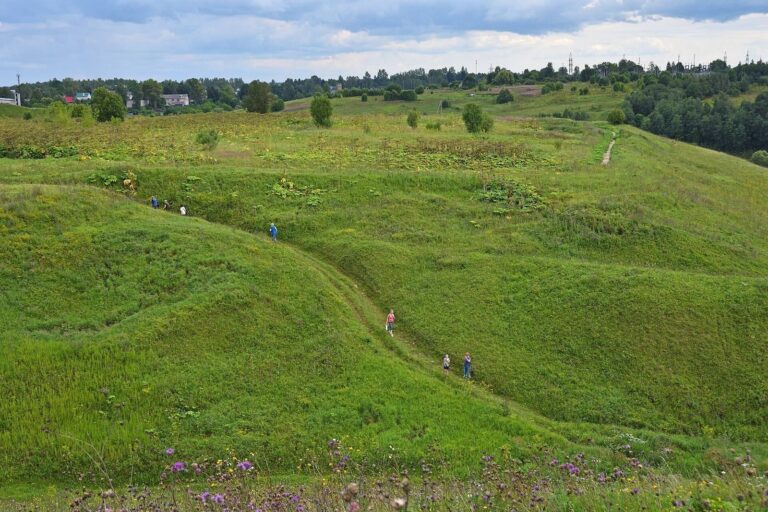
The fortress occupied the left bank of the Volga at its meeting with the Kholynka River. Its timber defenses followed a headland bordered by the steep banks of both rivers. The early inner stronghold measured 50 by 50 metres, while the adjoining outer fortified town measured 50 by 100 metres. In the 1408 arrangement, the outer town lay northwest of the inner stronghold, in the area of present-day Soviet Square.
Earthworks and settlement remains
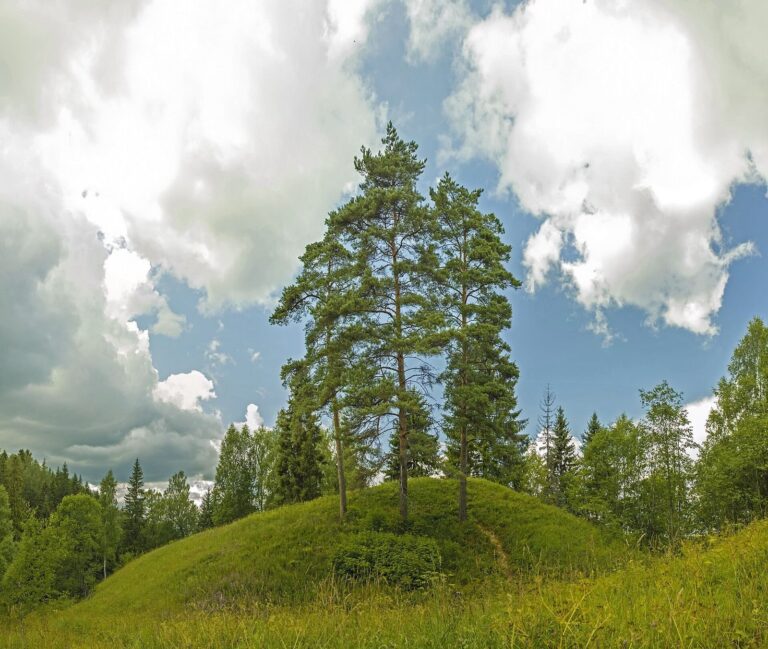
Ramparts survive, with traces of a ditch on the western side. A cultural layer spanning the thirteenth to seventeenth centuries has been identified among the settlement remains.
Buildings within the fortress
The fortress contained the Church of the Dormition, a governor’s court, and a government office. Built in the 1360s, the church burned in 1676 and was restored in the eighteenth century.
Commemorative monument
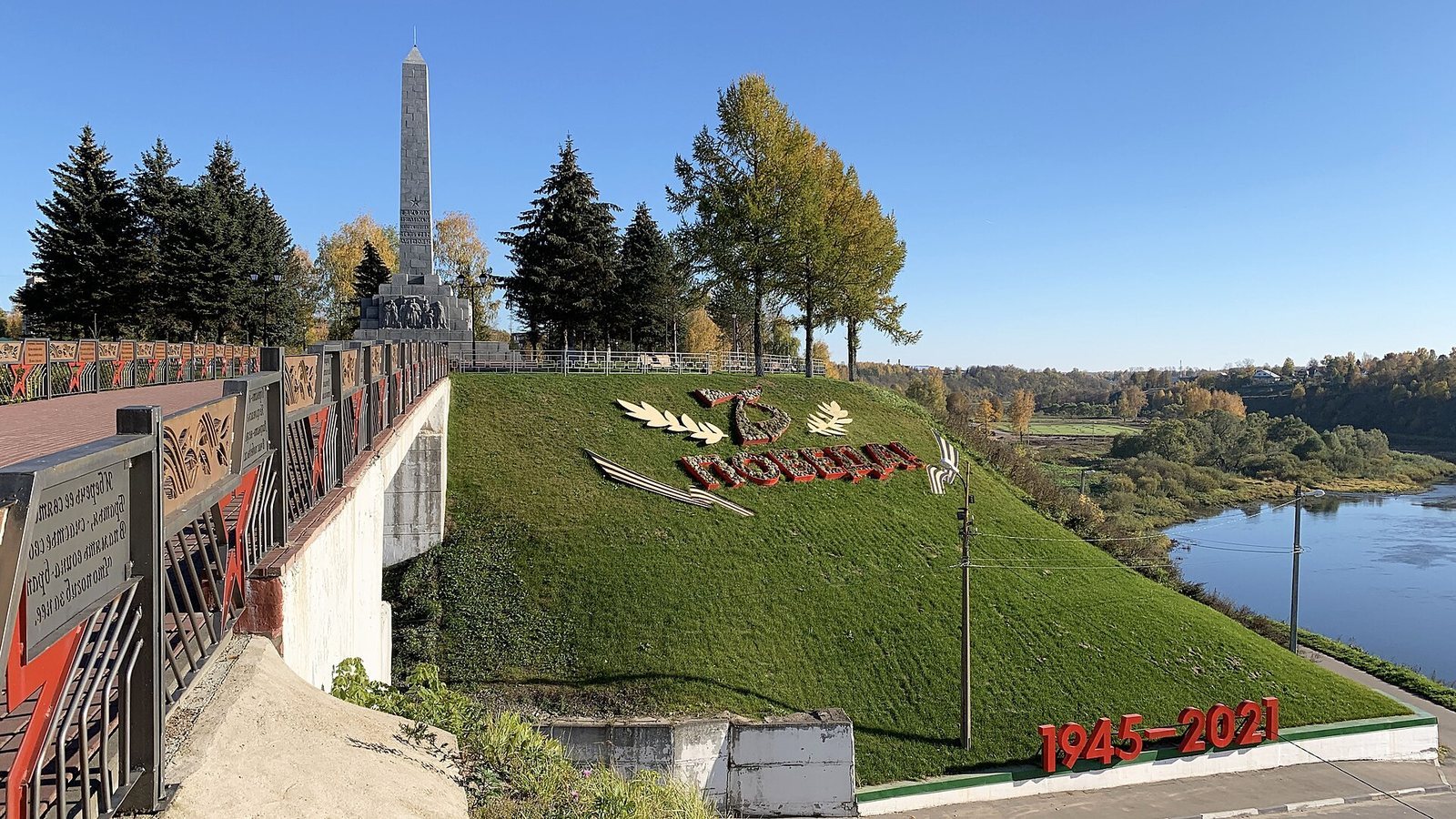
An obelisk commemorating the liberators of Rzhev was erected within the site in 1975.