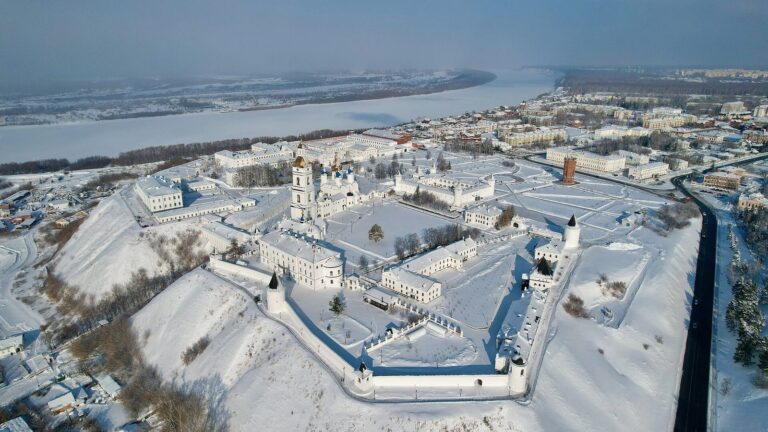
Znamensky Monastery: Siberia’s First Orthodox Monastery
Site at a Glance
- Popularity
- Medium
- Country
- Russia
- Primary era
- Early Modern
- Eras represented
- Early Modern, Modern
- Civilizations
- Russian
- Site type
- Religious
- Remains
- Monastery
On this page9 sections
History
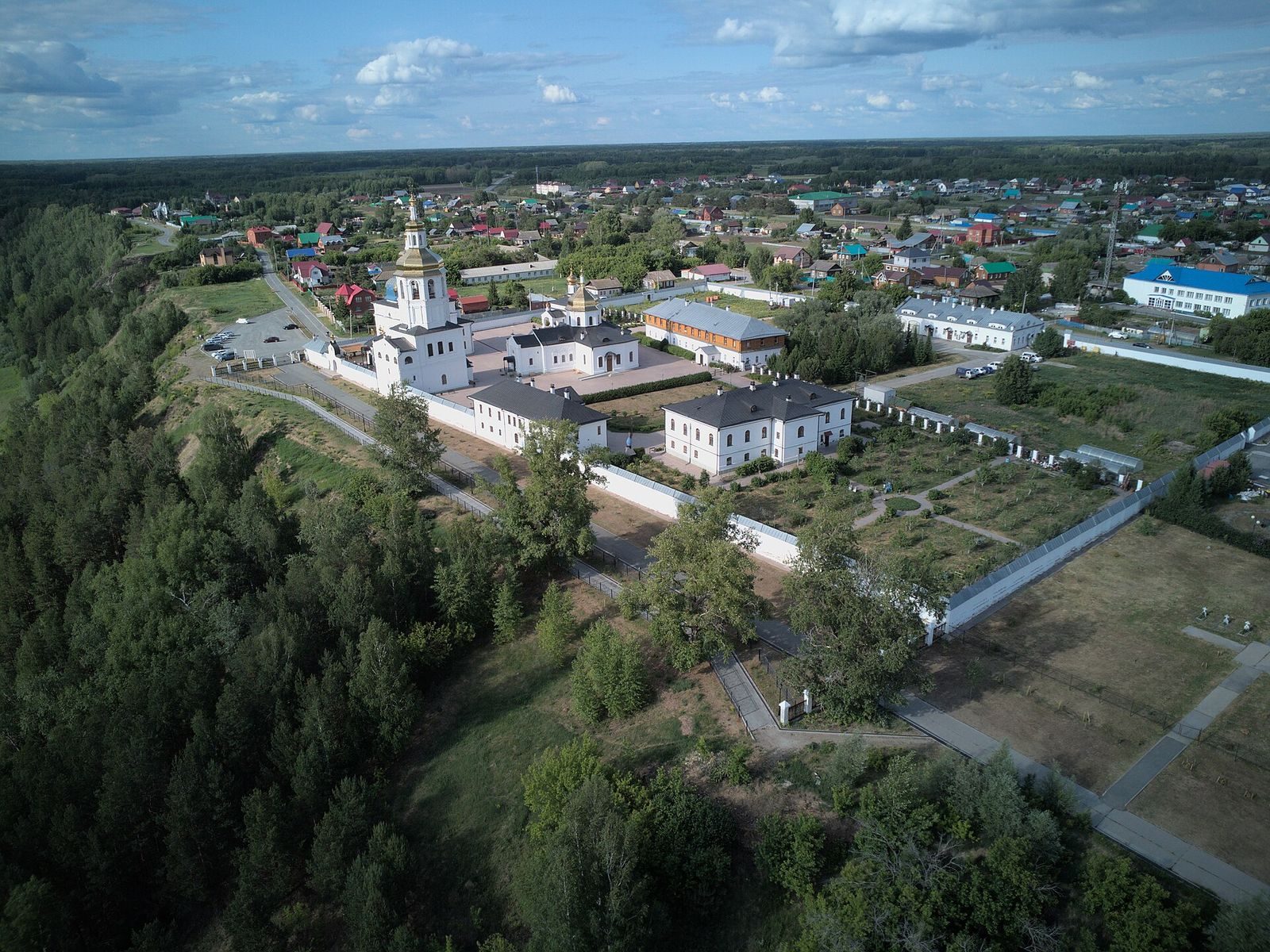
Znamensky Monastery was a male Orthodox monastery in Tobolsk, Russia, founded in 1623 at the behest of Cyprian, Siberia’s first archbishop and a senior Orthodox bishop. It was first mentioned in 1596. The monastery was Siberia’s first Orthodox monastery and became Tobolsk’s second most important ensemble of religious and civic buildings, after the Sofia Court, an ecclesiastical complex in the Tobolsk Kremlin. A tradition in the Siberian Chronicle tells that Saint Nicholas the Wonderworker, a Christian saint revered in Eastern Christianity, appeared at the future monastery site to Yermak, a Cossack leader associated with Russia’s expansion into Siberia.
Churches and religious education
Work on a stone Church of the Transfiguration began in 1685, and the church was consecrated in 1691. The monastery belonged to the Diocese of Tobolsk and Tyumen. In 1770, the Tobolsk Theological Seminary, a school for religious training, moved into the monastery at the direction of Bishop Varlaam of Tobolsk. The seminary helped make the monastery a center of spiritual education in Siberia.
Rebuilding and closure
By 1897, the Transfiguration Cathedral had deteriorated and was dismantled. A replacement was built on the same site between 1900 and 1905, broadly reproducing the earlier building’s appearance. The monastery closed in 1924, and almost all of its churches were demolished.
Remains
Monastery layout and buildings
The monastery stood in lower Tobolsk, at the corner of what are now Decembrists and Ershov streets. Its buildings included wooden and stone churches, a seminary, residences for the abbot and monks, and a 38-metre bell tower.
First church
The monastery’s first church was built of wood and dedicated to the Sign of the Most Holy Mother of God, an Orthodox title associated with an image of the Virgin Mary venerated in Great Novgorod.
Church of the Transfiguration
The stone cathedral had five domes and a cubic main volume, contrasted with light Baroque cupolas crowning the domes. Those cupolas date to around 1800. The central cupola’s two-tier drum, the structure supporting a dome, appeared in the mid-eighteenth century and reflects Ukrainian Baroque, a regional form of Baroque architecture.
Kazan Church
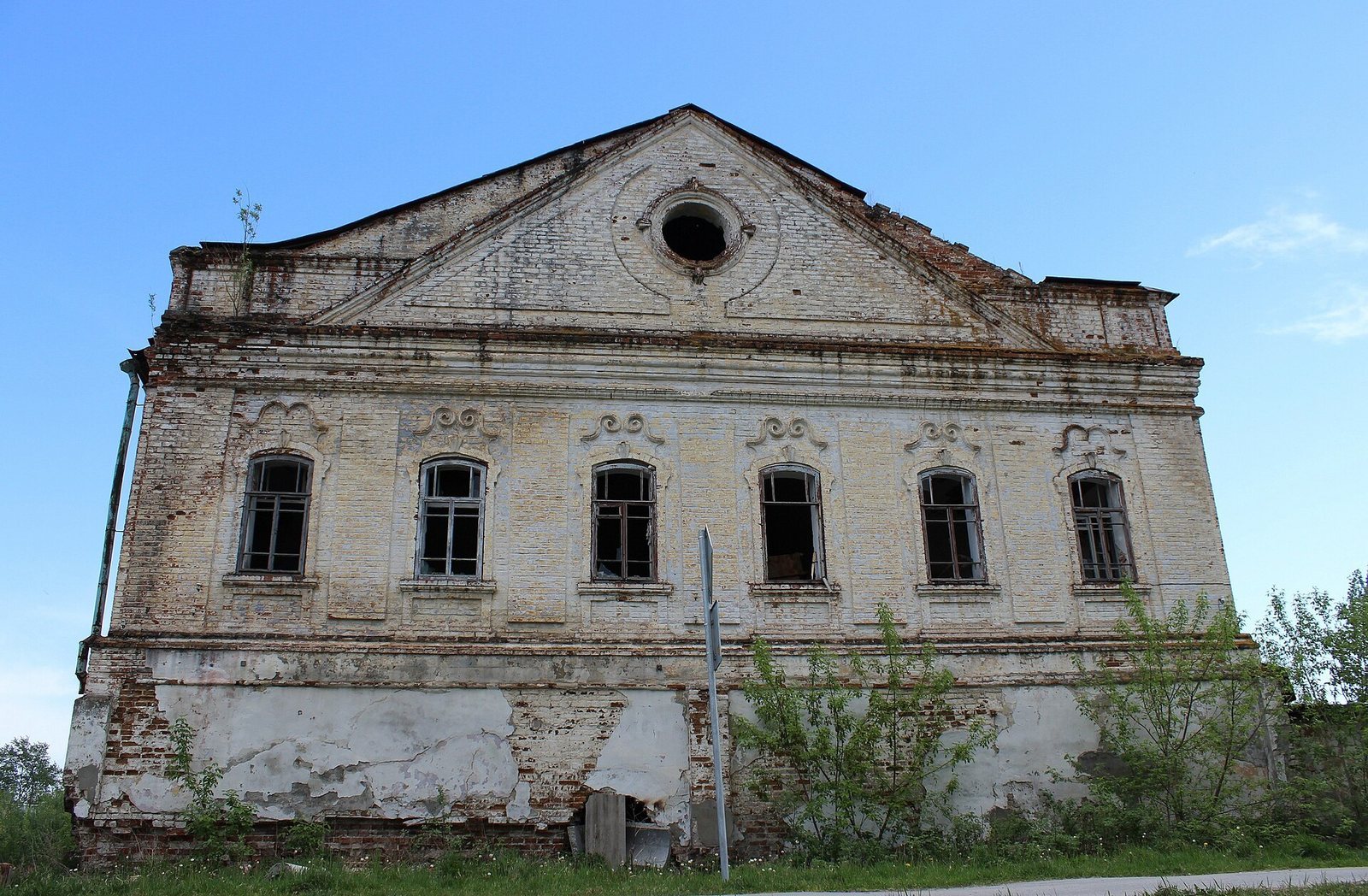
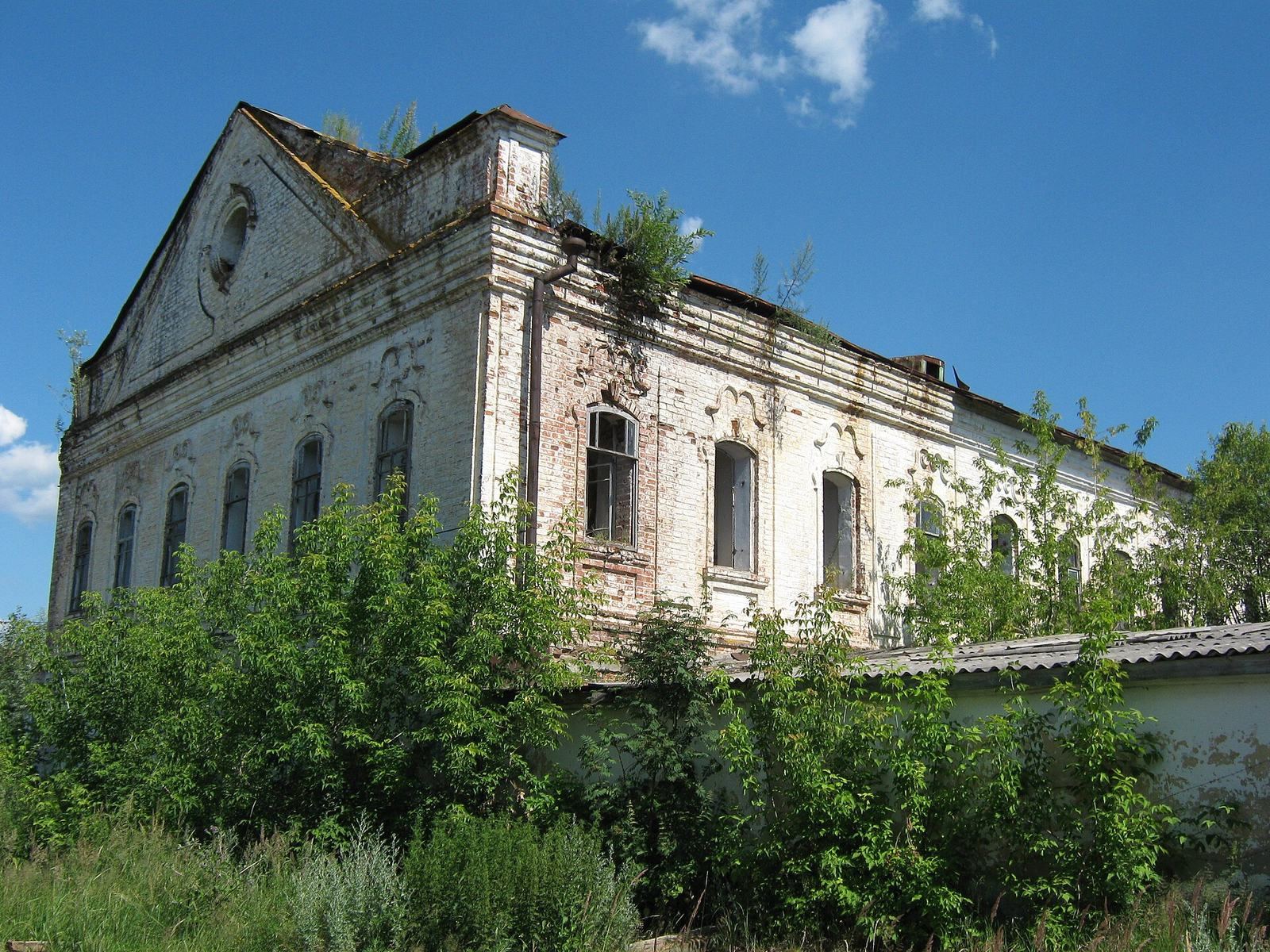
Kazan Church survives in ruins, attached to the abbot’s building.
Bell tower and other buildings
The monastery’s bell tower rose 38 metres. The complex also included a seminary building and residences for the abbot and monks. The surviving buildings are occupied by the Tobolsk Agricultural College and a former wine-making plant.