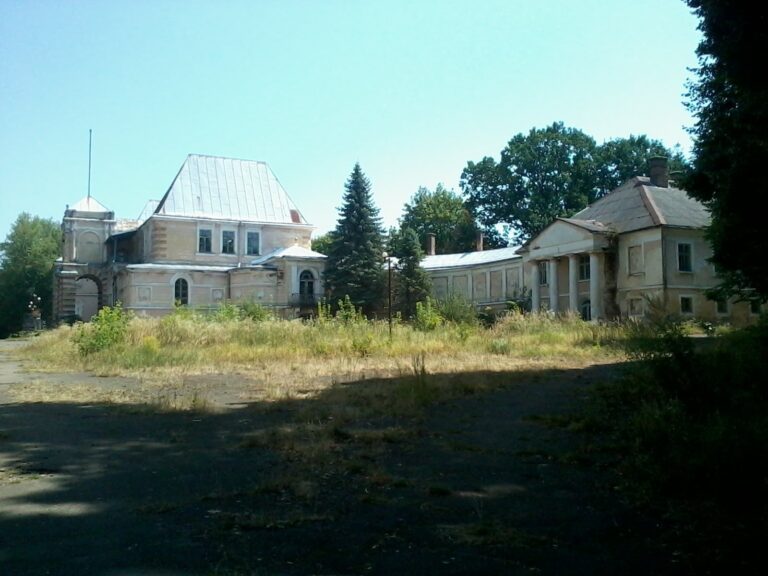
Drohobych Salt Plant: A Historic Salt-Production Complex in Ukraine
Site at a Glance
- Popularity
- High
- Country
- Ukraine
- Primary era
- Early Modern
- Eras represented
- Early Modern
- Civilizations
- Polish–Lithuanian Commonwealth
- Site type
- Economic
- Remains
- Production Complex
On this page7 sections
History
The Drohobych salt plant is a saltworks in Ukraine that has operated at the same site since at least the fourteenth century. Its salt production helped make Drohobych one of the Carpathian region’s wealthiest towns, and the plant is regarded as Ukraine’s oldest continuously operating industrial enterprise and one of Eastern Europe’s oldest.
Medieval production and crown control
The plant’s exact beginnings are uncertain. A frequently repeated foundation date of 1250 has no documentary basis, though the works may be older than the surviving evidence indicates. A 1390 grant refers to salt from Drohobych, while the saltworks itself dates back at least to the late fourteenth century. Salt production supported the town’s growth during the final decades of the Galicia-Volhynia principality, a medieval polity in western Ukraine. The plant supplied Galicia, Transcarpathia, Volhynia, Kholm, and the Kyiv region. Ukrainian salt carriers and traders known as Chumaks also came from Podillia, Bratslavshchyna, Kholm, and Volhynia to buy salt.
After Polish nobles took control of Drohobych in 1339, the salt manufactory became crown property. Royal salt-production towers, structures for processing brine into salt, in Drohobych, Yasenytsia, and nearby villages were operated by peasants compelled to serve the monarch. The king did not visit the area. In 1390, Władysław II of Opole, a Silesian duke, granted the Halych archbishopric, a church jurisdiction centered at Halych, a tenth of Drohobych’s salt.
Salt also moved along river routes. From piers in Volhynia on the Sluch and Horyn rivers, disposable cargo vessels called komiahy carried it down the Pripyat and Dnieper toward Kyiv.
Merchants and town regulation
During the fourteenth and fifteenth centuries, wealthy Italian merchants, mainly from Genoa, leased saltworks and managed them while also serving as principal workers. Their production of high-quality salt widened Drohobych’s trade with Europe. Caravan routes linked Italy with Lviv and Bukovina before continuing to Caffa in Crimea, bringing commercial returns to both the merchants and the crown. The merchants’ control and the uneven distribution of profits contributed to tensions. Townspeople resented being reduced to hired labor while Italian merchants held commercial and political influence.
In 1491, a conflict involving Italian merchants, Drohobych residents, and visiting traders was settled by a decree from Casimir IV, king of Poland. The decree standardized salt carts and set their capacity at 6,000 salt units each. It also led to a levy of three dinars, a currency unit, for every cart passing through town, whether it carried salt or other goods. Applying the same charge to all traders reduced disparities and helped pay for road maintenance.
Production and later history
In 1565, Drohobych produced 26,000 barrels of salt, divided approximately equally between the royal works and private saltworks. Income from the royal and private wells also supported a small church hospital known as the hospital for the poor.
The plant remains in operation, producing boiled table salt in iodized and additive-free forms. In September 2024, Ukraine’s State Property Fund placed the state enterprise’s integrated property complex on the privatization list, with investment and production capacity given as aims. The complex includes nine locally significant architectural monuments, and a future private owner must enter into a heritage-protection agreement with the responsible authority. Community leaders and councillors supported transferring the plant to community ownership and said they would seek international assistance to preserve salt production.
Remains
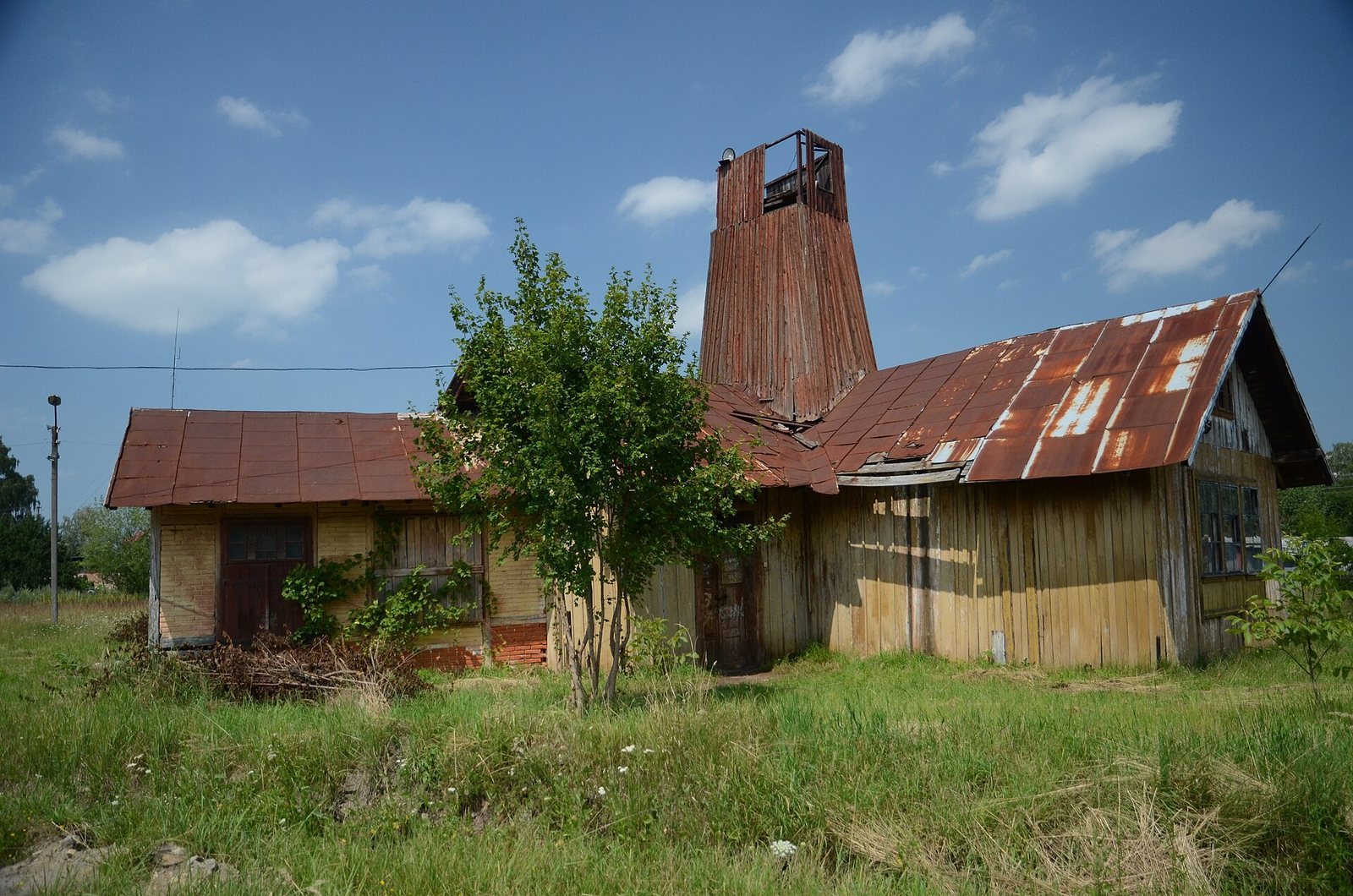
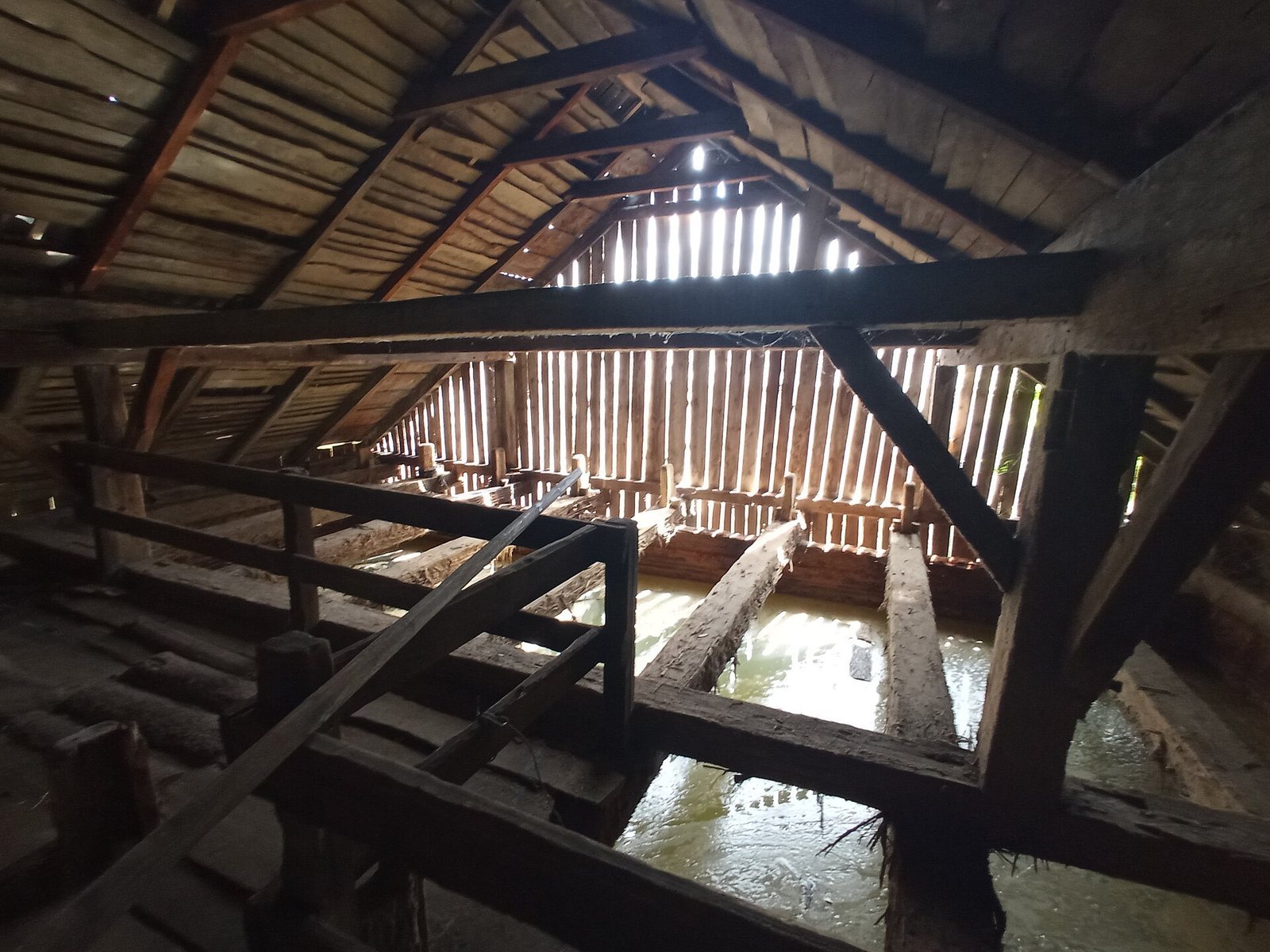
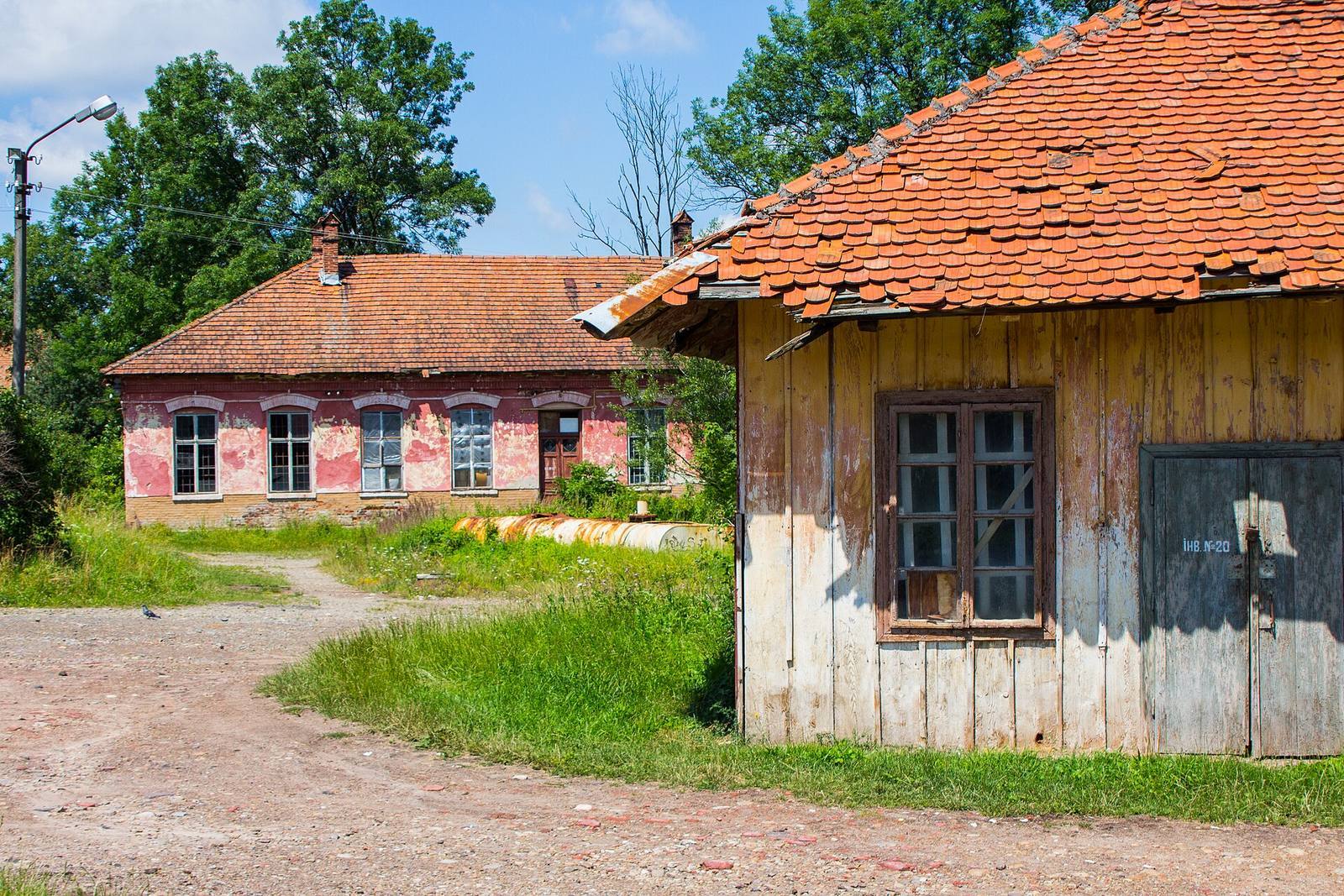
The Drohobych salt plant is a working industrial complex near sources of concentrated brine. Its buildings and equipment include a brine-storage building, an old mine building, the main administration building, warehouses, and a salt conveyor. Saltworks No. 2 stands in ruins.
Brine extraction and salt production
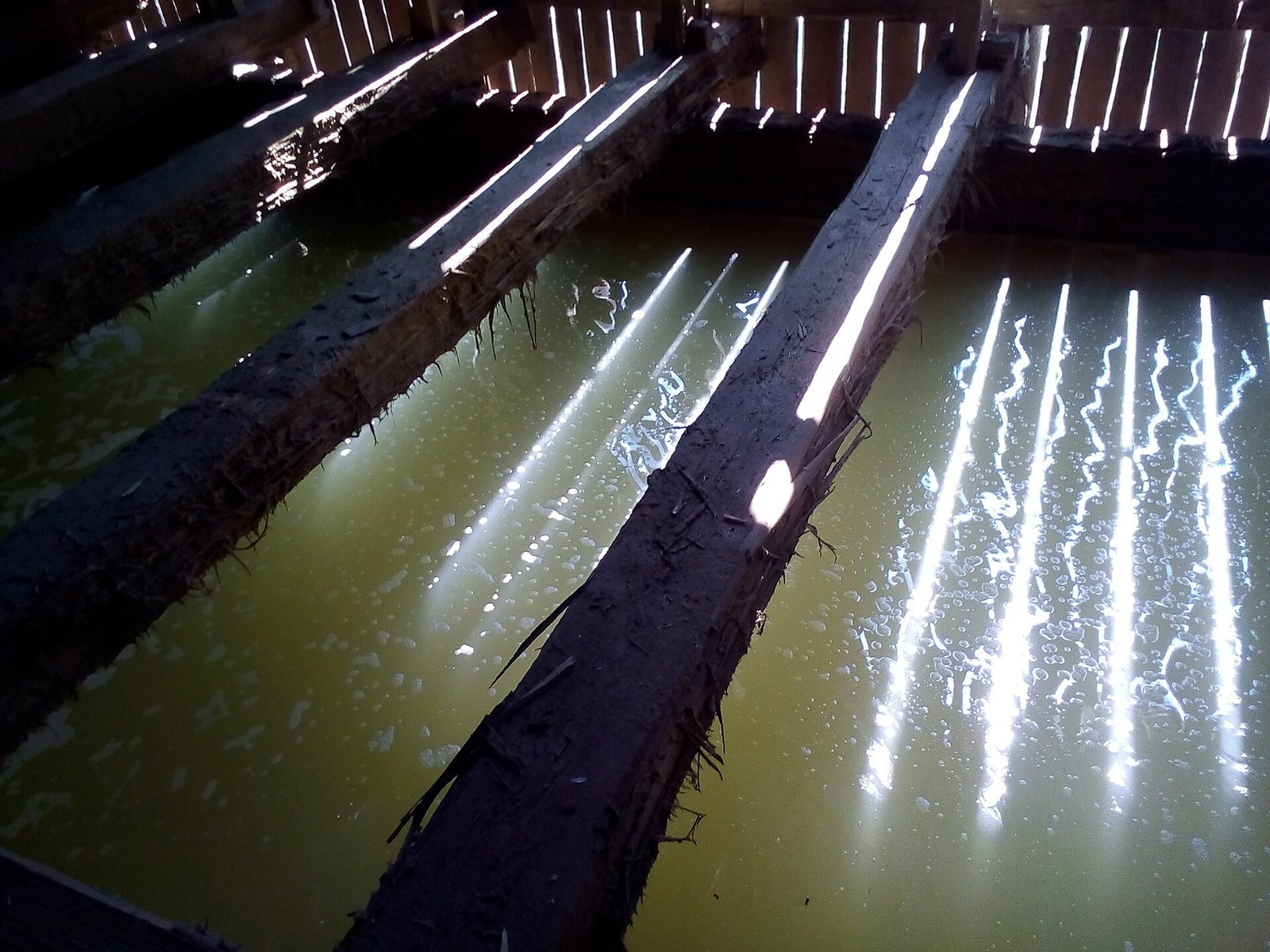
Production begins with brine pumped from the mine. It is clarified in settling tanks through gravity settling, then evaporated in pans. The resulting salt is ground to sale size and packaged. This sequence links extraction and processing within the plant’s working industrial complex.
Wells and historic street connection
A 1768 description names two wells on the plant grounds: the royal well, shaft No. 1, and Baron Hartenberg’s private well, shaft No. 2. The same description notes that Zhupna Street had a timber surface and was linked to the plant by a bridge over the then fairly deep Pobuk stream. Zhupna Street still exists.