Vodyanskoye Archaeological Site: A Golden Horde Settlement in Russia
Site at a Glance
- Popularity
- Medium
- Country
- Russia
- Primary era
- Medieval
- Eras represented
- Medieval
- Civilizations
- Golden Horde
- Site type
- City
On this page10 sections
History
Beljamen and the Golden Horde
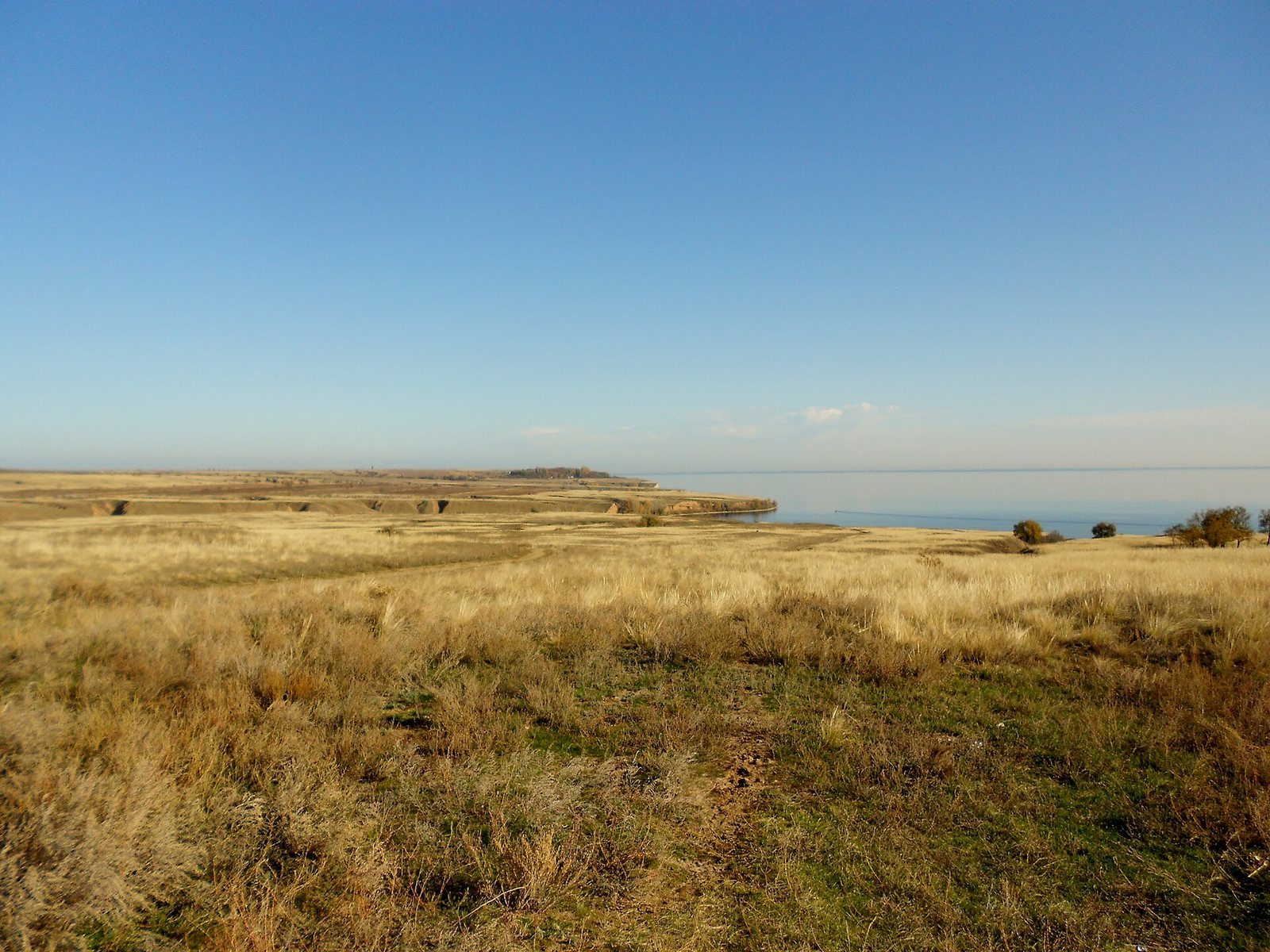
The Vodyanskoye Archaeological Site is a Golden Horde-period settlement on the Volga at the northern edge of Dubovka, in Volgograd Region, Russia. The Golden Horde was a Mongol successor state that ruled much of the western Eurasian steppe during the medieval period. Many specialists identify the settlement as Beljamen, a medieval city.
This identification was first proposed in 1889 by N. A. Tolmachev, a physician and coin specialist. He connected the site with the route described by the Arab geographer Abulfeda in 1321, which placed Beljamen along the Volga after Bulgar and Ukek, before the river turned southeast and passed southwest of Sarai. F. F. Chekalin, a member of the Saratov Scientific Archival Commission, supported the proposal by comparing fourteenth- and fifteenth-century Italian maps with known archaeological sites in the Volga region.
The proposed location also fits accounts of Timur’s 1395 campaign against the Golden Horde. Timur, a Central Asian conqueror, was expected to lead his army through the point where the Volga and Don come closest to one another, near the site. The name Beljamen has been interpreted as “city of oaks” or “oak city.” Nearby Dubovka, established in the seventeenth century, has been linked to oak groves that once grew along the Volga banks.
Destruction and archaeological investigation
Timur’s forces destroyed the city in 1395. Some finds from the site nevertheless date to the early fifteenth century. The settlement’s inhabitants included people with connections to Volga Bulgaria, a medieval state in the middle Volga region, and to Rus, the medieval East Slavic lands and polities.
Archaeological investigation began in the late nineteenth century. Major excavations took place from 1966 to 1974, especially under archaeologist G. A. Fedorov-Davydov. A. G. Mukhamadiev was associated with research in 1988–1990, and E. P. Myskov with work in 1992 and 2000–2005. Illegal digging increased from the 1990s, and only some finds recovered through it have been published. The site is a cultural heritage property of federal significance in Russia.
Remains
Religious and communal buildings
Mosque and Muslim cemetery
Excavations uncovered a mosque that has been fully investigated, along with a Muslim cemetery. These remains represent the settlement’s Muslim religious and burial sites.
Christian church and cemetery
A Christian church and cemetery were also found at the site. Christian religious objects from the settlement, together with northern ceramics, indicate the presence of people originating from Rus and Volga Bulgaria.
Bathhouses
Two bathhouses were excavated. Both had underfloor heating, a system that carried heat beneath the floor.
Domestic buildings
Residential remains include above-ground houses built of brick and wood, as well as dugouts. The houses were heated by a kan, a traditional system that channels heat beneath a floor.
Other finds
Writing styluses recovered from the site belong to type 10.