Church of Saint Stephen in Feodosia: An Armenian Apostolic Church
Site at a Glance
- Popularity
- Medium
- Country
- Ukraine
- Primary era
- Medieval
- Eras represented
- Medieval
- Civilizations
- Armenian, Genoese, Golden Horde
- Site type
- Religious
- Remains
- Church
On this page9 sections
History
An Armenian church in the medieval period
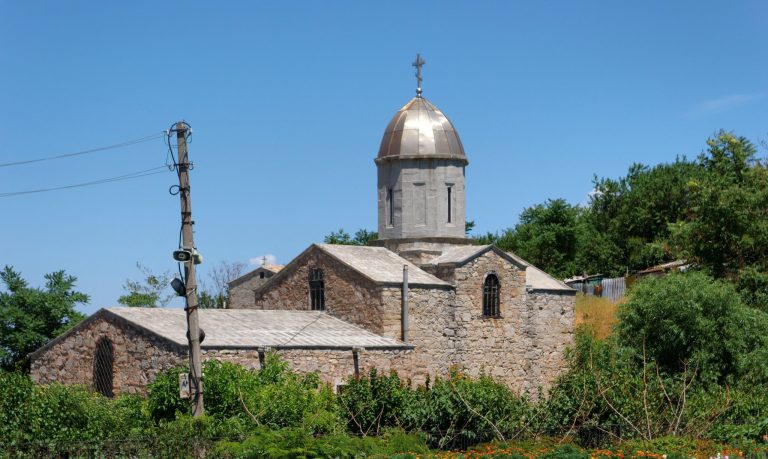
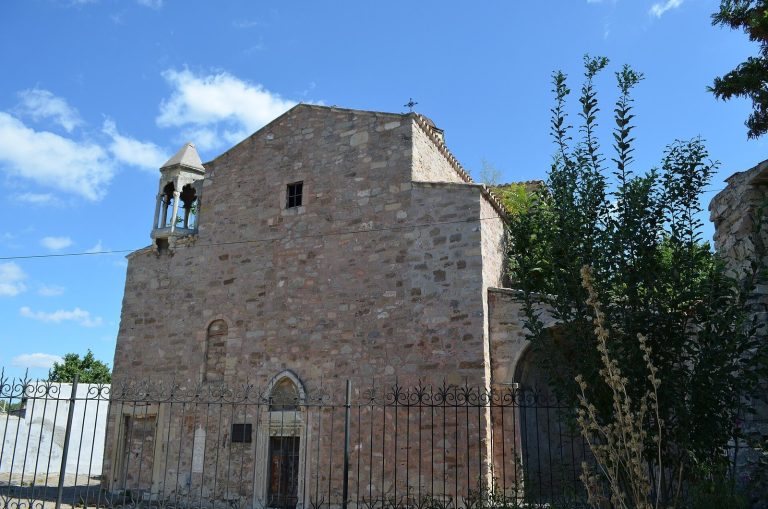
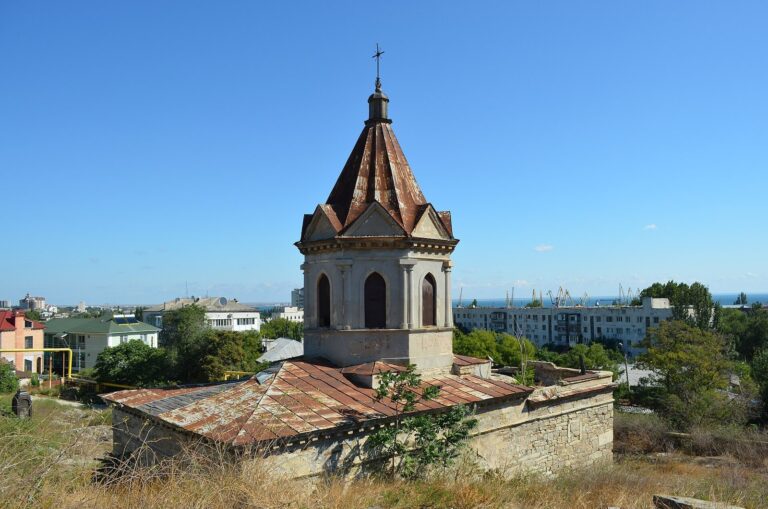
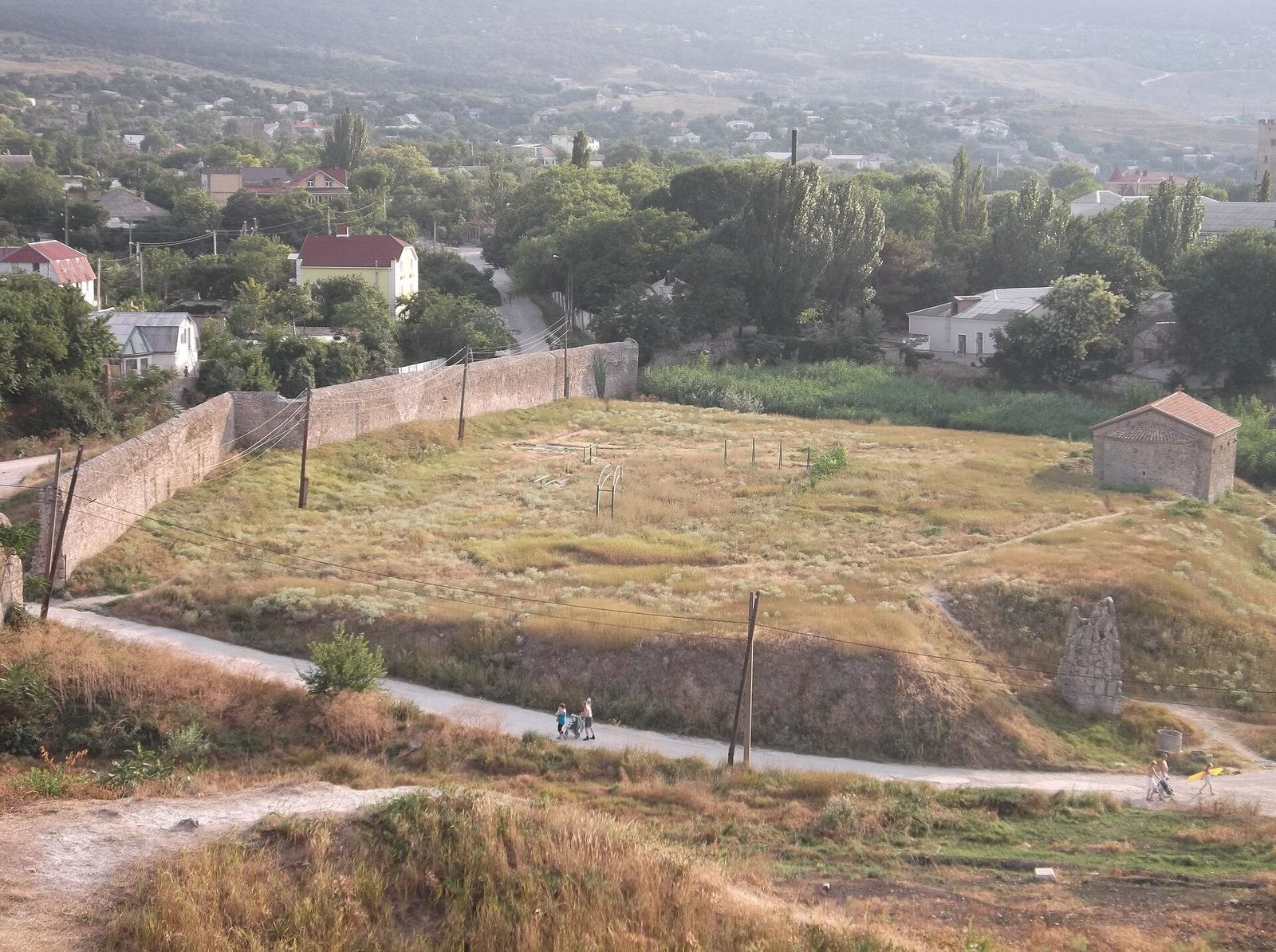
The Church of Saint Stephen is an Armenian Apostolic church in Feodosia, Ukraine, built in the first half of the fourteenth century for the local Armenian community. The Armenian Apostolic Church is the historic Christian church of the Armenian people. The building stood at the center of the Armenian Fortress district, later called Quarantine, within the city’s fortified area.
Armenian records refer to the church from 1438. In that year, the priest Simeon was named as its representative among clergy invited to the Council of Florence, a major church council attended by representatives of different Christian traditions. A commemorative note added to an Armenian manuscript in 1456 names the church’s builder as Khachatur, son of Grigoris, and says the manuscript was placed in the church.
Debated identity and changing use
The church’s original affiliation has been disputed. Greek inscriptions in its frescoes prompted interpretations that it began as a Greek church, but the inscriptions do not establish this. Greek texts also appear in Armenian religious art and may reflect Greek models. The nearby Armenian Fountain has likewise been cited as evidence of the Armenian community’s presence in the district.
The first identifications of the building as Greek date to the late eighteenth century. Russian military maps from that period vary, with some labeling it a Greek church and others identifying it as Armenian. Its use by Greek Orthodox clergy, and its association with the name Saint Demetrius of Thessaloniki, may also have begun then. One interpretation is that the Armenian archbishop leased the church to the Greeks as the Armenian community declined. The Armenian church continued to regard the building as its own.
Restoration and later use
The church was restored in 1955–1956, but fell into neglect during the 1990s. From the late 1980s, and continuing after the dissolution of the Soviet Union, local Armenians repeatedly sought the return of churches in the Armenian Fortress district to the Armenian Apostolic Church. Their requests were refused. In 2019, the church was transferred for free use to the Feodosia Diocese of the Russian Orthodox Church, which is part of the Eastern Orthodox communion.
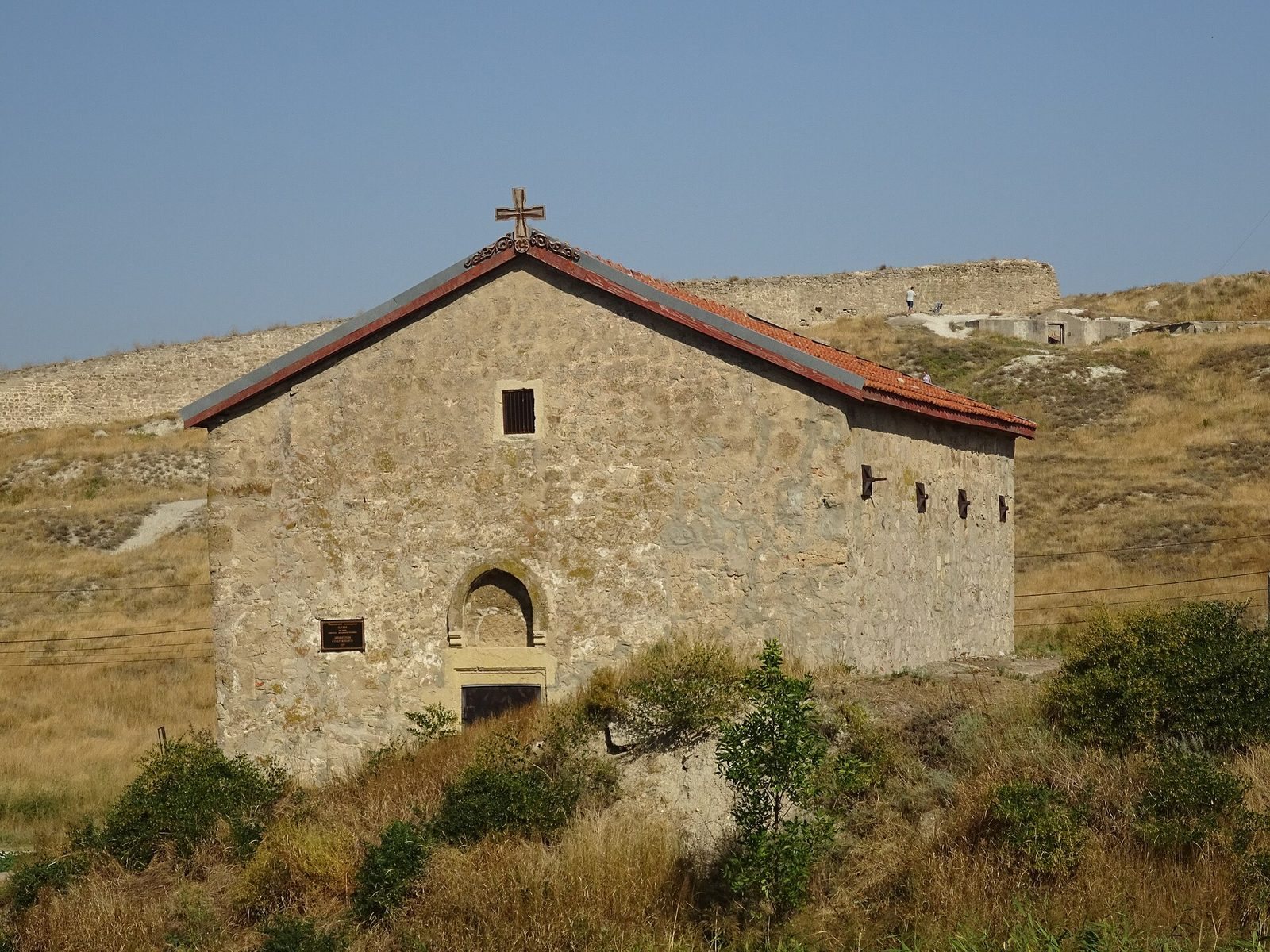
Preparatory work for another restoration project took place during the 2010s and 2020s. Following a year of restoration work, Russian Orthodox priests consecrated the church on 22 May 2023, formally dedicating it for religious use as the Church of Saint Demetrius of Thessaloniki. Saint Demetrius is an early Christian martyr venerated in Eastern Orthodox tradition. Signage during restoration identified the building as the Church of Saint Stephen, while signs installed afterward did not recount its Armenian history, a presentation criticized by independent local historians. The building is listed as a federal cultural-heritage site in Russia and a nationally significant architectural monument in Ukraine.
Remains
Plan and construction
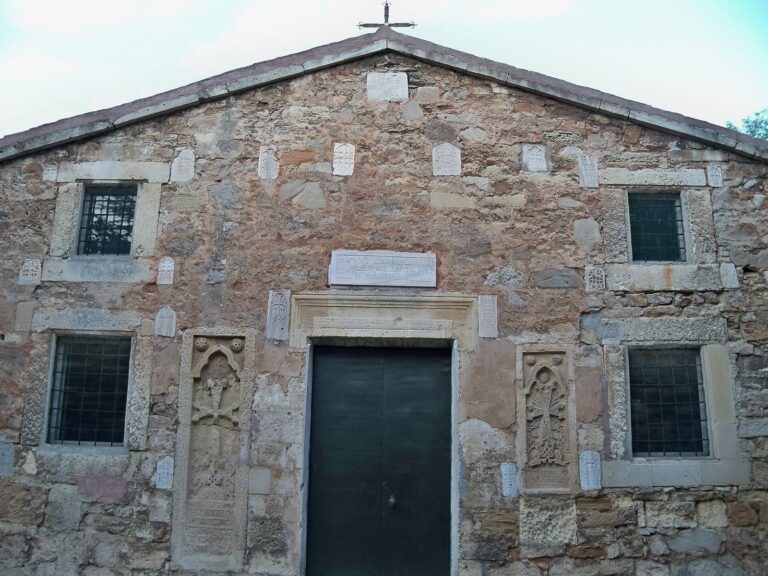
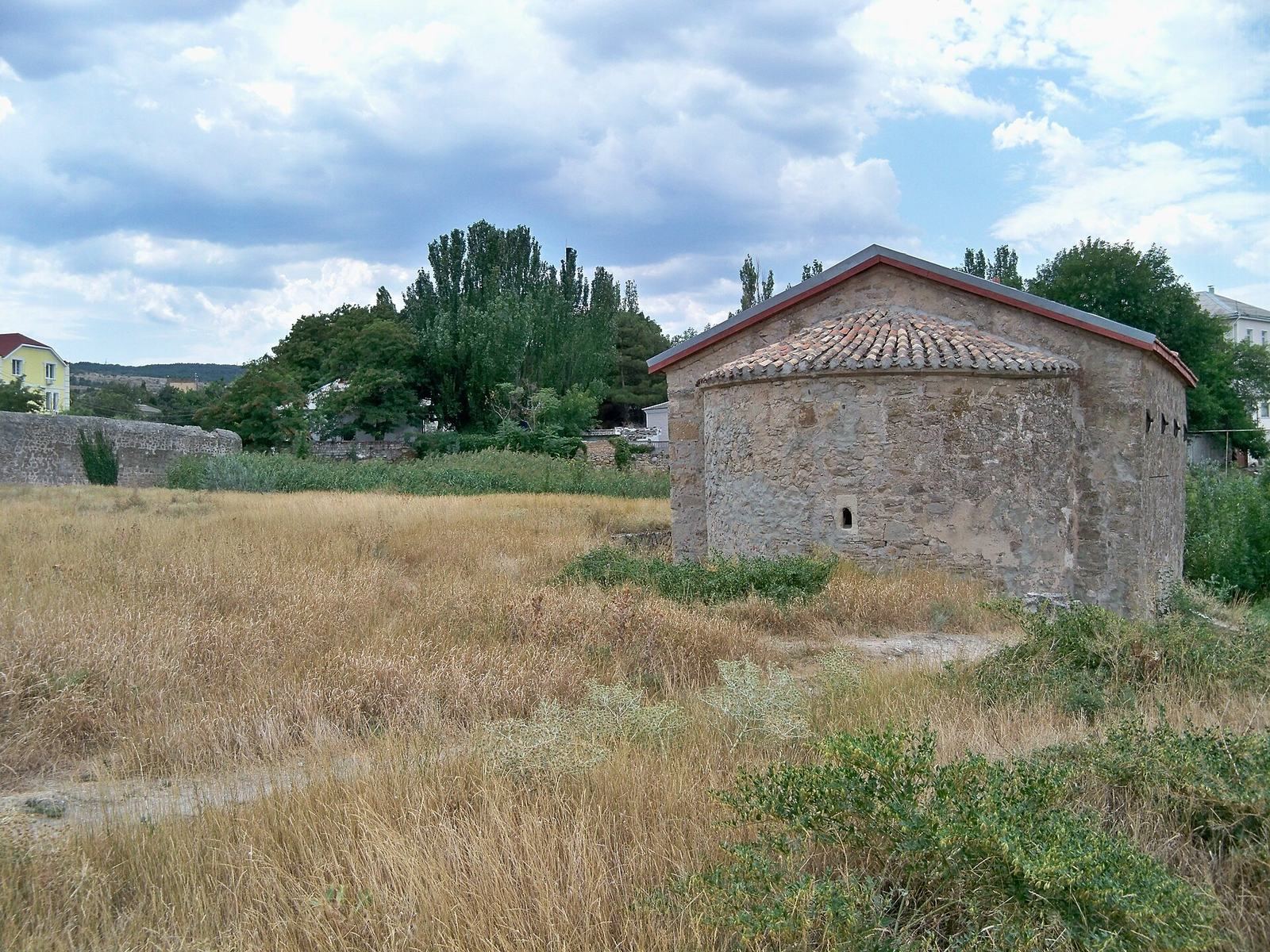
The modest church is rectangular, about 7 by 8 metres, and has a single apse, a projecting space at one end. It is a basilica, a long rectangular church form. Its plain exterior is made of rubble stone without a facing layer. Inside, a barrel vault, or continuous arched ceiling, rests on transverse arches that cross beneath it.
Entrance and roof
The entrance is on the west side. Its portal is framed with shaped dressed stone, with a pointed niche above. Tiles cover the gabled roof.
Frescoes
Frescoes, wall paintings made on wet plaster, survive inside, although most of the painted decoration has been lost. The best-preserved scenes were in the altar apse. They include Christ enthroned between John the Baptist on his right and the Virgin Mary on his left, and a Eucharist scene, relating to the Christian sacrament associated with the Last Supper. In that scene, Christ holds a chalice with six apostles on one side, and appears with bread and six disciples on the other. A Virgin and Child image also survives. Fragments of a Last Judgment remain on the west wall.
Nearby features
The Armenian Fountain near the church has inscriptions dated 1491 and 1643. A rock monument was discovered in 1913–1915 by physician K. Belilovsky near the Kafa mineral spring.