Lal Mahal: Shivaji’s Childhood Palace and Its Modern Memorial
Site at a Glance
- Rating
- 4.5
- Popularity
- Very High
- Country
- India
- Primary era
- Modern
- Eras represented
- Modern
- Civilizations
- Indian
- Site type
- Civic
- Remains
- Monument
On this page8 sections
History
Construction and Shivaji’s years at Lal Mahal
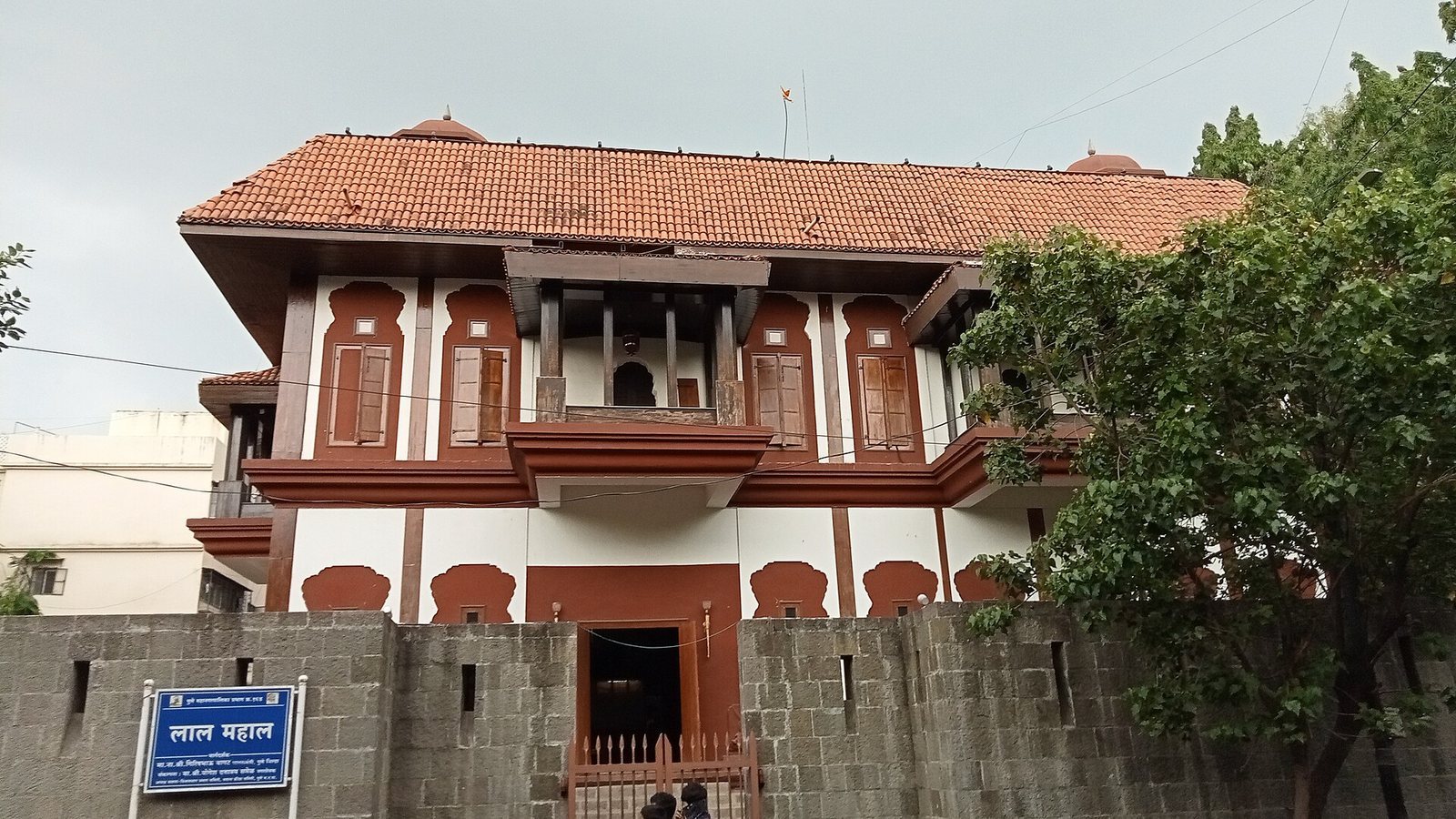
Lal Mahal, or the Red Palace, is a memorial in Pune, Maharashtra, India, commemorating a palace built there in 1630 for Shivaji’s upbringing. Dadoji Kondadeo, a seventeenth-century Deccan administrator, built the original palace in Shahaji’s jagir, an assigned territory tied to revenue collection, with Shahaji’s permission. The project was intended both to help revive Pune after it had been razed and to provide a home where Shahaji’s son, Shivaji, could be raised. Shivaji became the founder of the Maratha Empire, a South Asian polity.
Shivaji grew up at Lal Mahal with his mother, Jijabai, and remained there until he captured Torna fort in 1645. He married his first wife, Saibai, at the palace on 16 May 1640.
The raid and destruction
During a guerrilla attack on Mughal troops encamped in Pune, Shivaji confronted Shaista Khan, a commander of the Mughal Empire, a major early modern South Asian empire, at Lal Mahal. Khan had occupied Shivaji’s childhood home, perhaps as a symbolic act. As he escaped through a first-floor window, Shivaji severed four of his fingers. After the defeat, Mughal emperor Aurangzeb transferred Khan to Bengal.
Attacks on Pune left Lal Mahal ruined toward the end of the seventeenth century, and the palace was eventually razed. A tradition holds that some of its earth and stones were used for good luck during construction of Shaniwarwada, a major fortified palace in Pune.
Reuse and reconstruction
Between 1734 and 1735, several houses were built on the palace land and assigned for the use of Ranoji Shinde and Ramchandraji. Records of the Peshwas, senior ministers who later exercised governing authority in the Maratha state, also place feasts on the site during the sacred-thread initiation of Sadashivrao Bhau, son of Chimaji Appa.
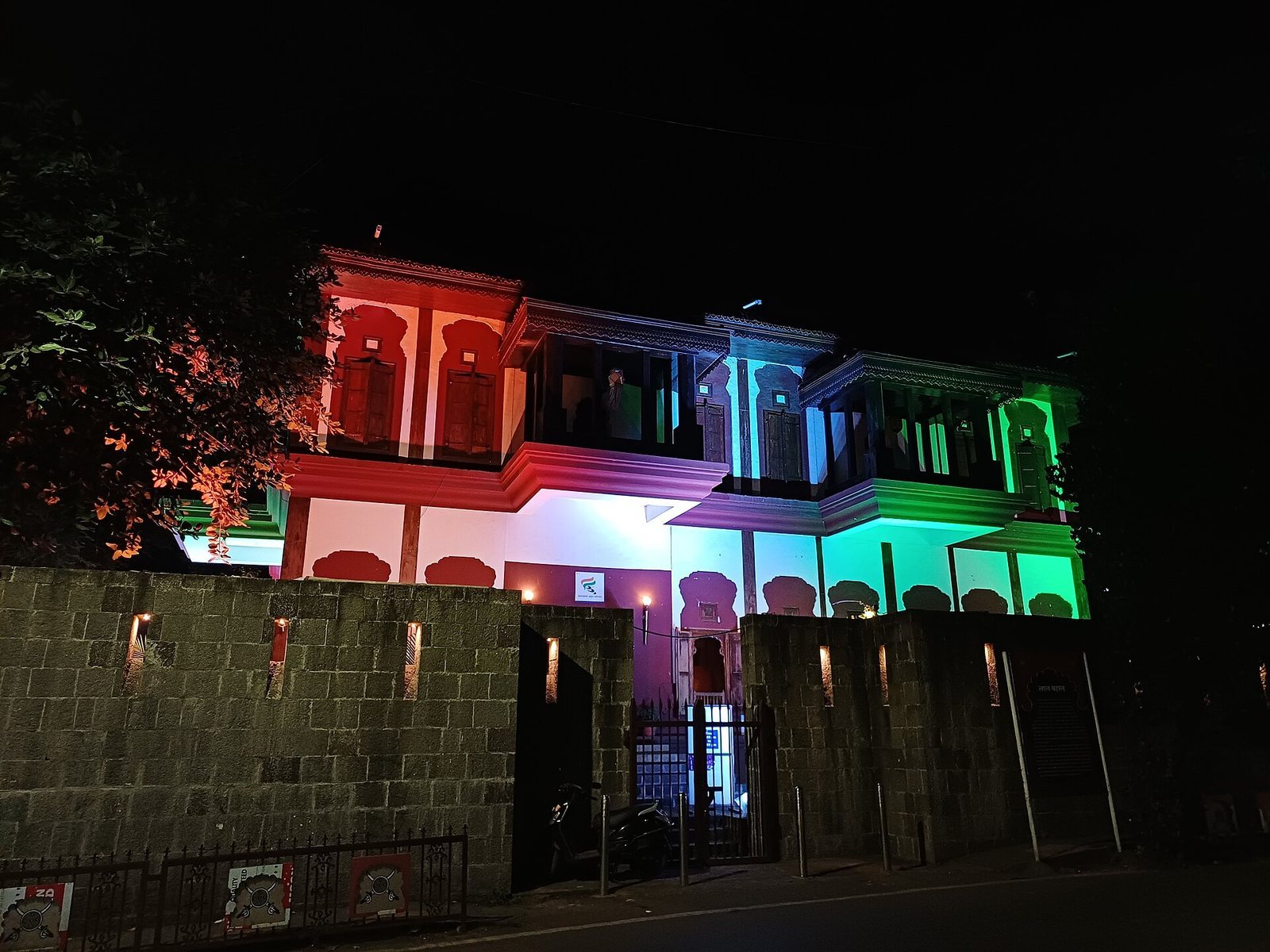
The Pune Municipal Corporation built the present Lal Mahal on part of the original palace land between 1984 and 1988. A finely detailed statue of Dadoji Kondadeo was installed during the reconstruction. In 2010, following protests and violence over the statue’s significance, the municipality removed it and transferred it to a municipal garden.
Remains
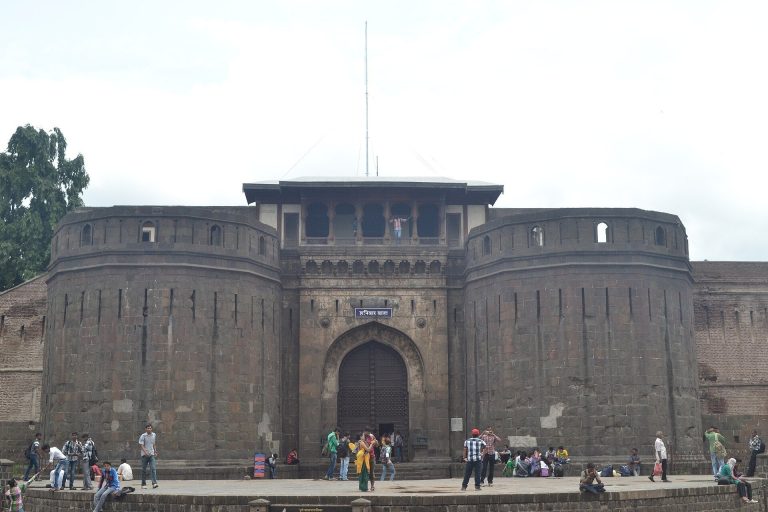
The present site is a modern memorial on part of the original palace land, near Shaniwarwada. The original palace is thought to have stood close to Shaniwarwada, roughly where the memorial now stands. The current building does not follow the original palace’s form.
Memorial and associated grounds
Displays
The memorial contains large oil paintings depicting events from Shivaji’s life, a statue of Jijabai, and a carving of Shivaji using a gold plow with his mother. Its displays also include a fiber model of Raigad, a hill fort in Maharashtra, with horsemen, and a large map of Maharashtra marking Shivaji’s forts.
Jijamata Garden
Associated with Lal Mahal, Jijamata Garden is a recreational park for children.