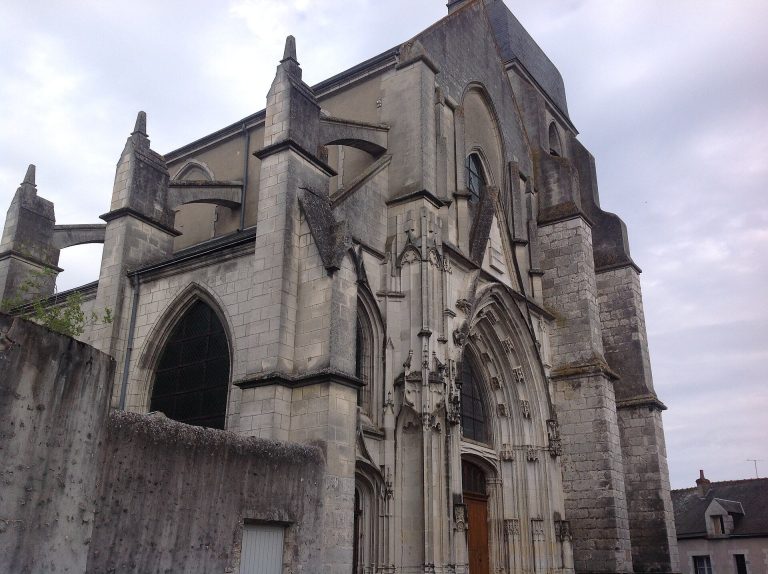
Manoir de Laleu: A Former Monastic Manor in France
Site at a Glance
- Popularity
- Very Low
- Country
- France
- Primary era
- Medieval
- Eras represented
- Medieval
- Civilizations
- French
- Site type
- Domestic
- Remains
- Manor House
On this page8 sections
History
Manoir de Laleu is a manor house at Le Vau in Chouzy-sur-Cisse, France. Its oldest parts date to the 15th century, and it began as an estate of Marmoutier Abbey, a Benedictine monastery near Tours, with a small community of monks.
Monastic manor
In 1275, the abbey leased a plot called Les Marteaux to thirteen cultivators. During a visit in 1325, Jean de Mauléon noted that Laleu’s three monks disliked getting up early for matins, the early-morning Christian prayer service, and were sharply reprimanded. He also found the buildings in good condition and the land and vineyards well tended. The community had enough wheat and wine to last until the next harvest.
An unsubstantiated hypothesis places Jeanne d’Arc at Laleu on the night of 24–25 April 1429, while she was travelling between Amboise and Blois.
From abbey estate to private ownership
Around the middle of the 16th century, Marmoutier came under commendatory administration. Under this system, an abbey’s revenues and formal authority were assigned to an abbot who might not live there. By the 18th century, Laleu’s tenants included merchants, notaries and members of the bourgeoisie, while the residence had become the usual home of modest ploughmen.
In 1780, Antoine-Jean Rattier bought the manor-house buildings and associated property at auction from de Fleury, then archbishop of Tours. The purchase included a kitchen garden and arable land. Rattier already leased Grande Varenne, a large Chouzy estate belonging to Marmoutier, and became mayor of Chouzy in 1810. He sold Laleu in 1813 to the great-grandfather of Camille Meusnier, who joined it with the Touche estate, also his property.
The Meusnier estate and later recognition
Camille Meusnier, a notary in Blois, and his son Maurice re-established Laleu’s vineyard between 1894 and 1939. It covered about twelve hectares, most of them in Les Marteaux. In 1933, French writer Léon Daudet set the penultimate chapter of his novel Un amour de Rabelais, titled L’Alleu, at Laleu. The manor entered France’s register of historic monuments in 1937, a heritage-protection designation.
Remains
Manor buildings
Residence and chapel
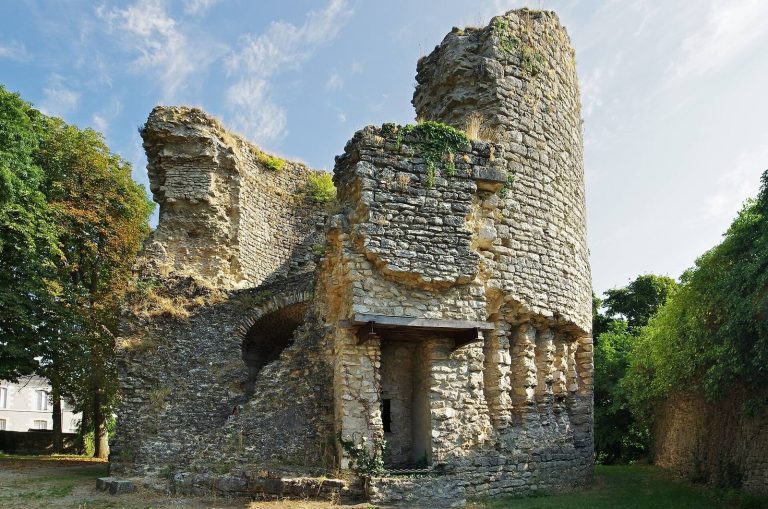
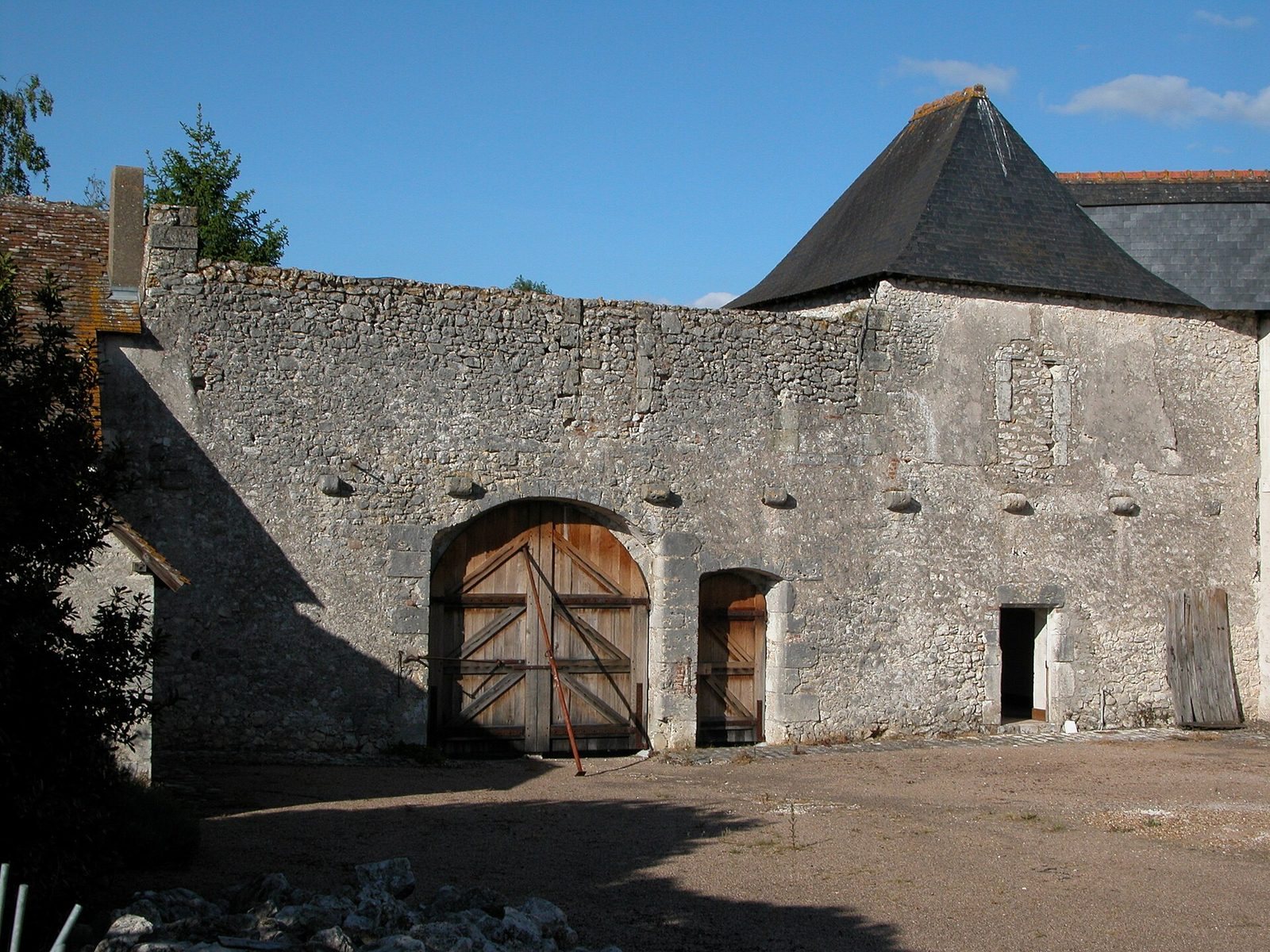
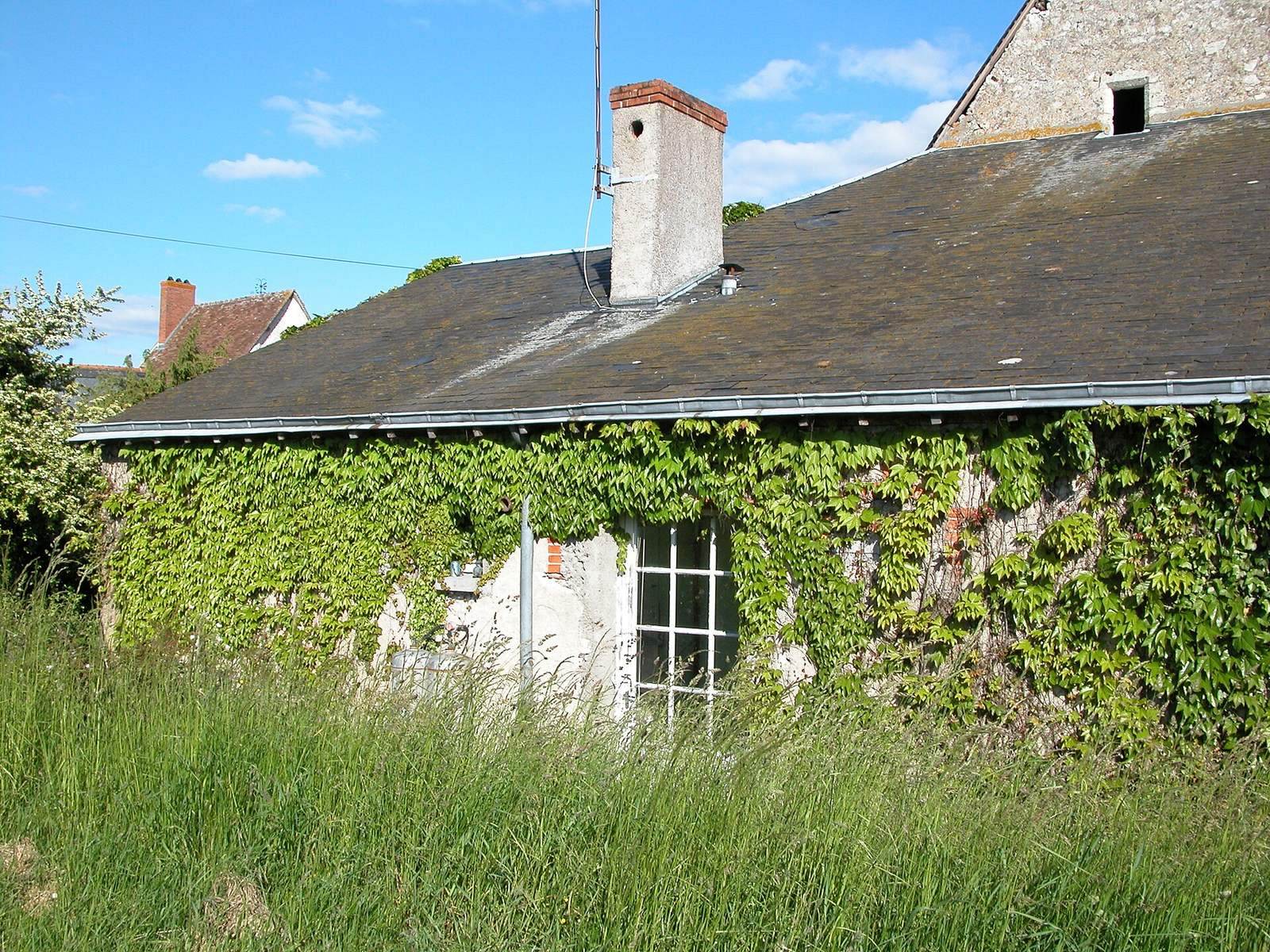
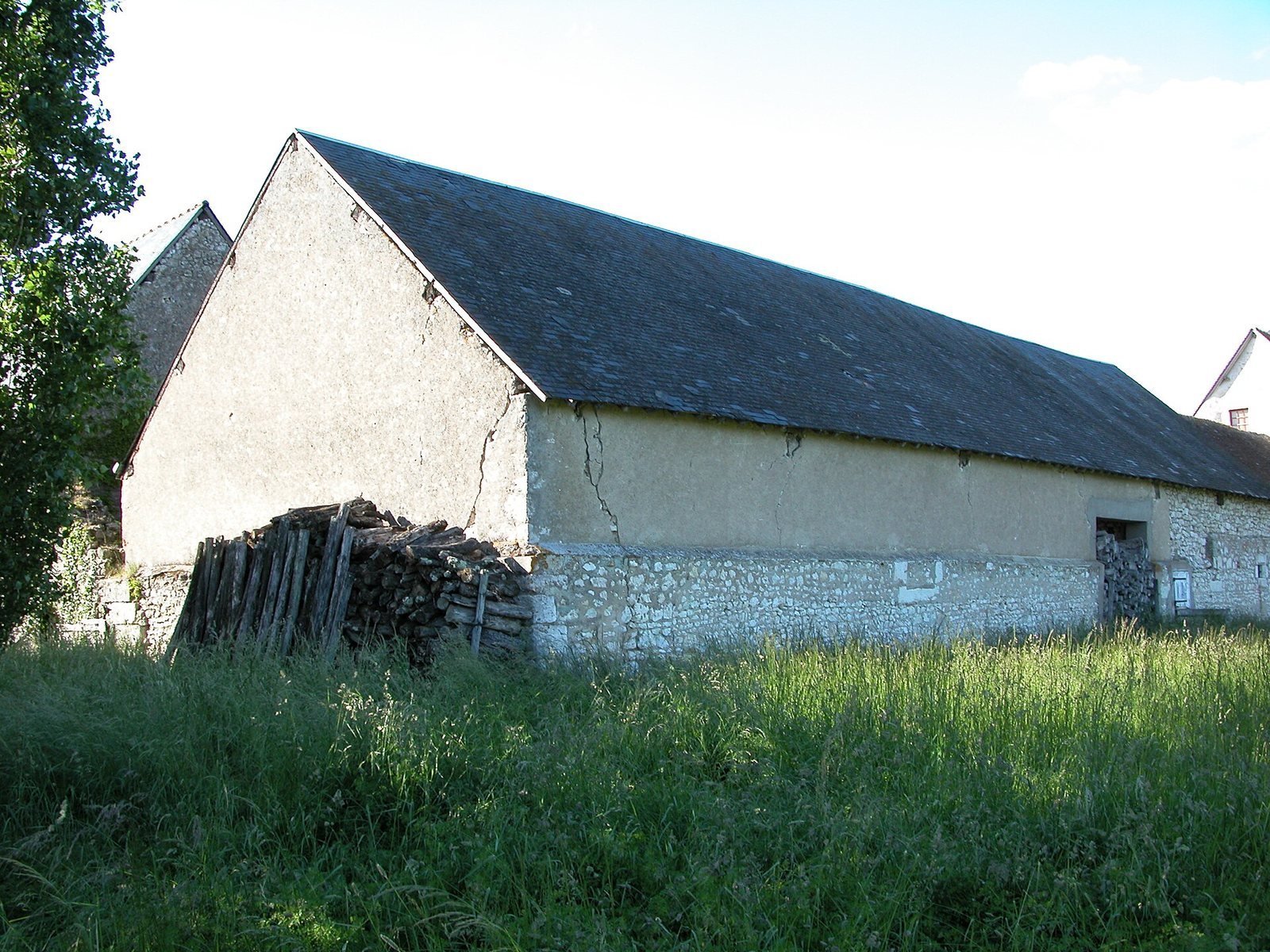
The complex brings together a main residential building, a farm, an entrance porch and a chapel. Its oldest architectural parts date to the 15th century. The main residence’s triangular gable and the chapel, whose walls have projecting supports topped with gargoyles, stood between two round towers at the corners of the façade.
Entrance and towers
The entrance porch stood alongside a smaller service doorway. Alterations in the early 18th century removed one of the façade’s two corner towers and two other towers.