Stećak Necropolis Maculje: A Medieval Burial Ground in Bosnia and Herzegovina
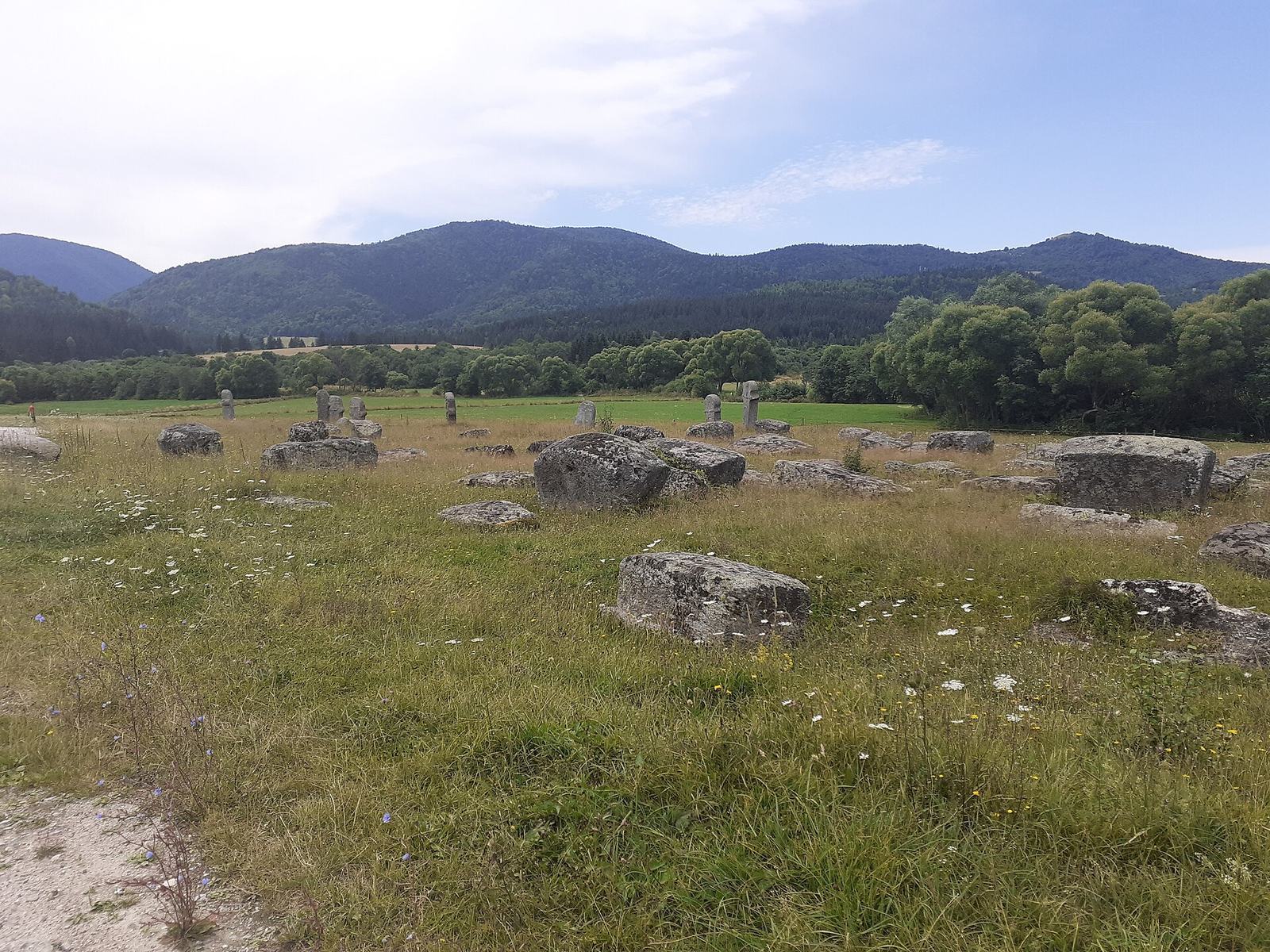
Site at a Glance
- Popularity
- Low
- Country
- Bosnia and Herzegovina
- Primary era
- Medieval
- Eras represented
- Medieval, Early Modern
- Civilizations
- Kingdom of Bosnia, Ottoman
- Site type
- Burial
- Remains
- Necropolis
On this page7 sections
History
Stećak Necropolis Maculje is a Christian burial ground in Seona, Bosnia and Herzegovina, centered on medieval stećci, monumental tombstones especially associated with Bosnia. Its medieval monuments date chiefly to the fourteenth and fifteenth centuries, and the cemetery also includes tombstones associated with the Ottoman period, when the region was under Ottoman rule.
Lašva and the medieval tombstone tradition
Maculje lies within the historical Lašva district, which covered the areas of present-day Busovača, Vitez, Novi Travnik, and Travnik. Bosnian bans, high-ranking rulers or governors, governed the district before it came under kings from 1377. Lašva was among the largest and most fertile districts of inner Bosnia, likely supported a substantial population, and was mainly agricultural. More than 50 stećak burial grounds dating to the fourteenth and fifteenth centuries have been identified in the area.
The stećak tradition began in the second half of the twelfth century and continued into an early phase in the thirteenth. Carving and decoration flourished most in the fourteenth and fifteenth centuries, reaching a peak from the second half of the fourteenth into the first half of the fifteenth. The practice declined gradually during the sixteenth century and had largely ended by its close.
Later tombstones and local traditions
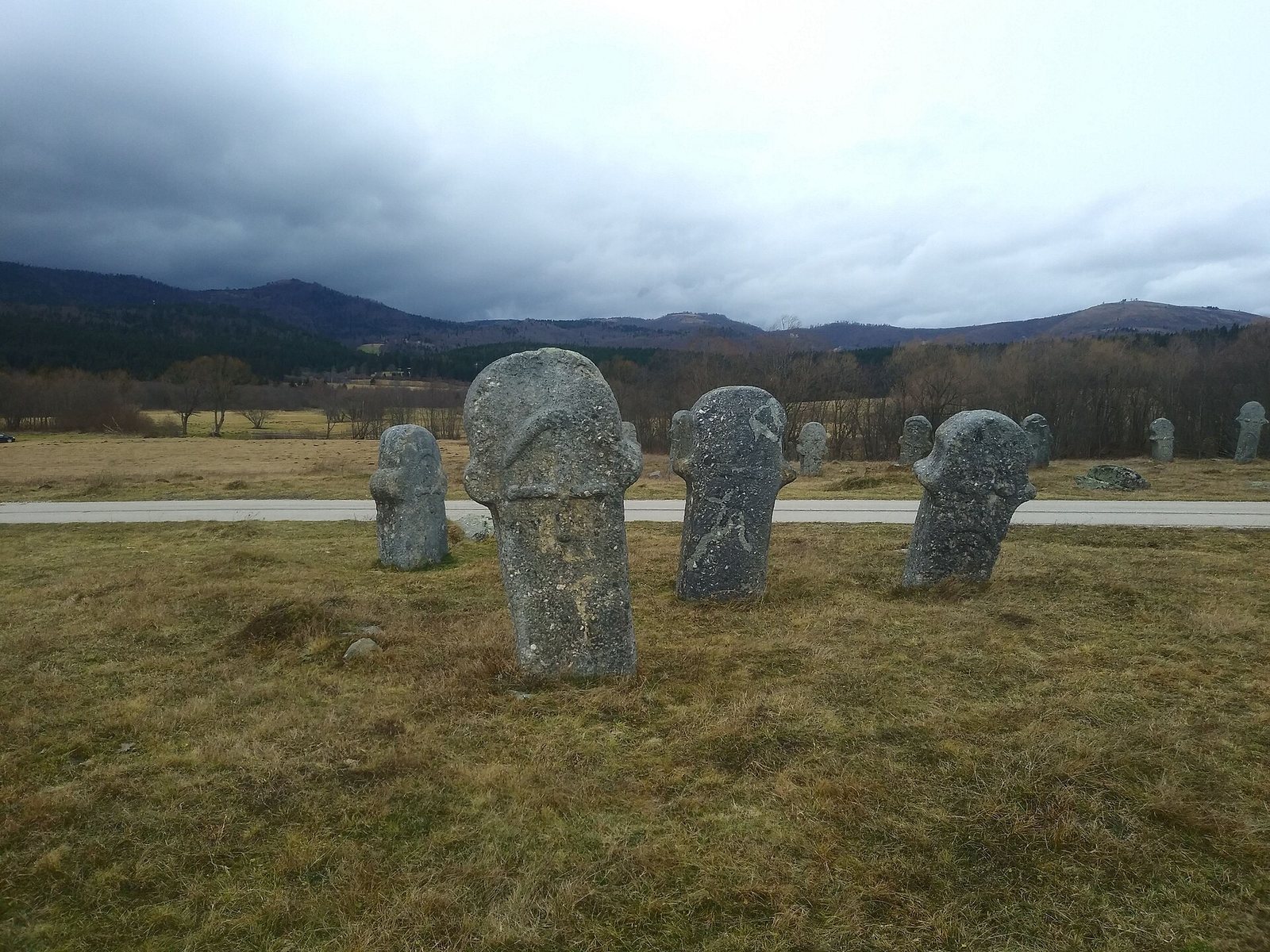
The cross-shaped tombstones at Maculje belong to a local form also found around Travnik and Zenica. Their development is tentatively placed in stages: a change from slab-shaped markers to crosses in the first half of the seventeenth century, crosses with an unformed head in the second half of that century, and formed heads, including rounded examples, in the eighteenth century. The relative dates of rounded and other cross shapes cannot be established more closely.
Local tradition calls the cemetery the Stone Wedding Party. One story tells of a wedding party caught in freezing weather on the road and turned to stone. In another, two lovers whose parents opposed their marriage met with a wedding party halfway between their homes; the bride’s mother cursed her daughter and the gathering, and they became stone.
Maculje was declared a National Monument of Bosnia and Herzegovina in September 2007. In 2016 it became part of a UNESCO World Heritage listing of 28 stećak necropolises: 20 in Bosnia and Herzegovina, three each in Serbia and Montenegro, and two in Croatia. The listing applies criteria addressing testimony to a cultural tradition and associations with beliefs and living traditions.
Remains
The necropolis lies in the Rostovo area between Novi Travnik and Gornji Vakuf, at an elevation of 998 metres and about 20 kilometres from Novi Travnik. A gravel road crosses the burial ground. Nearby springs include Rizvića vrilo, Korin do, and Ograda.
Burial monuments
Stećci
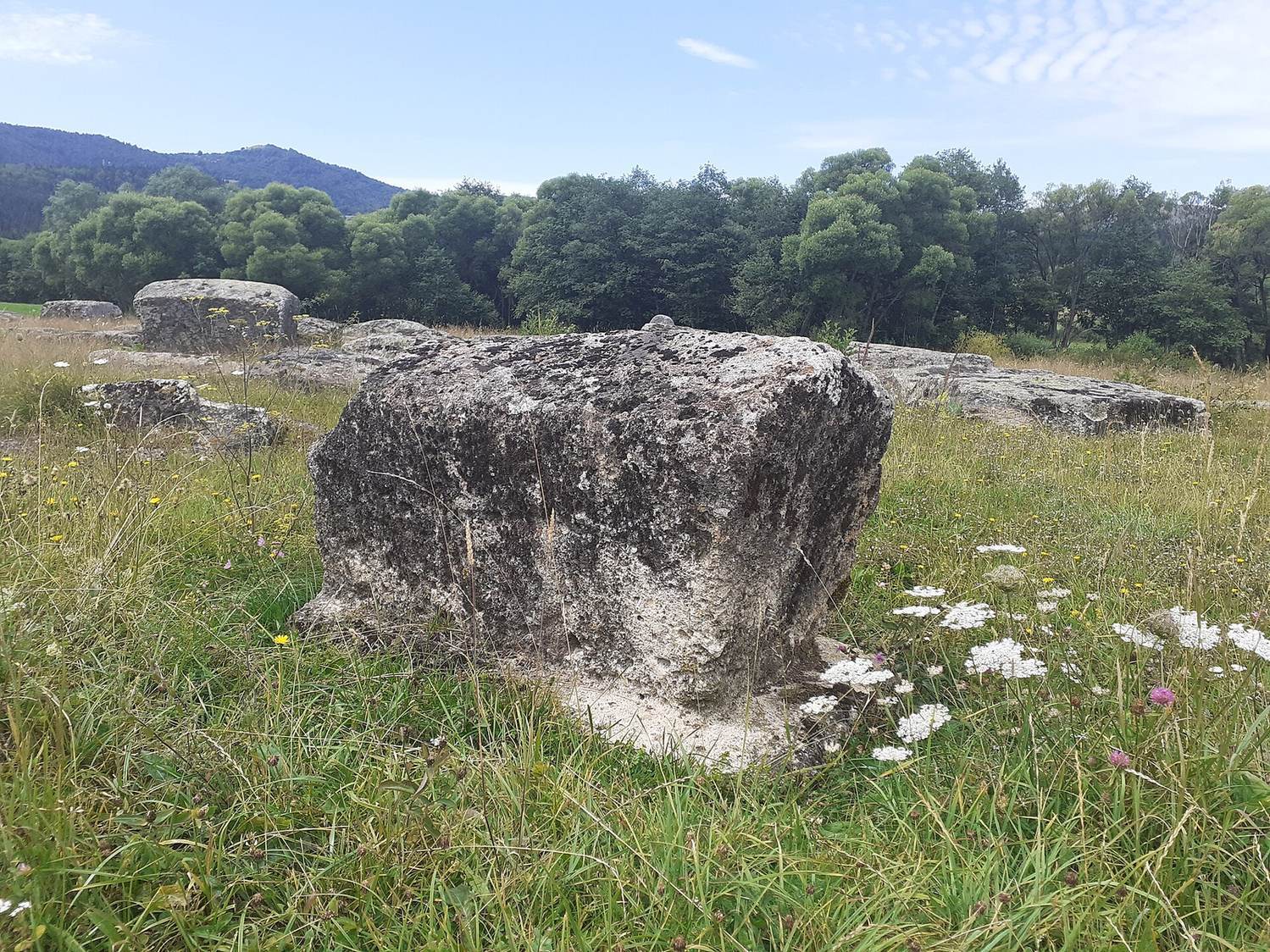
The 101 limestone stećci are arranged in rows, mainly along west–east and north–south alignments, with some set in other directions. They comprise 32 slabs, 52 chest-shaped monuments, and 11 gabled monuments; the form of six others cannot be determined because they have sunk into the ground. Their principal forms include chests with bases, gabled monuments with or without bases, and plain slabs. Most are carefully worked and generally well preserved, though some are roughly shaped and nearly amorphous.
Individual monuments include stećak no. 1, which measures 164 × 103 × 55 cm and bears a poorly preserved circular motif interpreted as an apple. No. 20 is a chest-shaped monument measuring 214 × 177 × 32 cm. No. 82 is a chest-shaped monument on a base that narrows toward the bottom.
Cross-shaped tombstones
Sixteen cross-shaped tombstones stand among the medieval monuments. On one side of the road are 94 stećci and nine crosses; on the other are seven stećci and seven crosses.