Glücksbrunn Castle: A Mining and Textile Estate in Schweina, Germany
Site at a Glance
- Popularity
- Medium
- Country
- Germany
- Primary era
- Early Modern
- Eras represented
- Early Modern
- Civilizations
- Holy Roman Empire
- Site type
- Domestic
- Remains
- Castle
On this page11 sections
History
Mining and the Trier family, 1701 to 1783
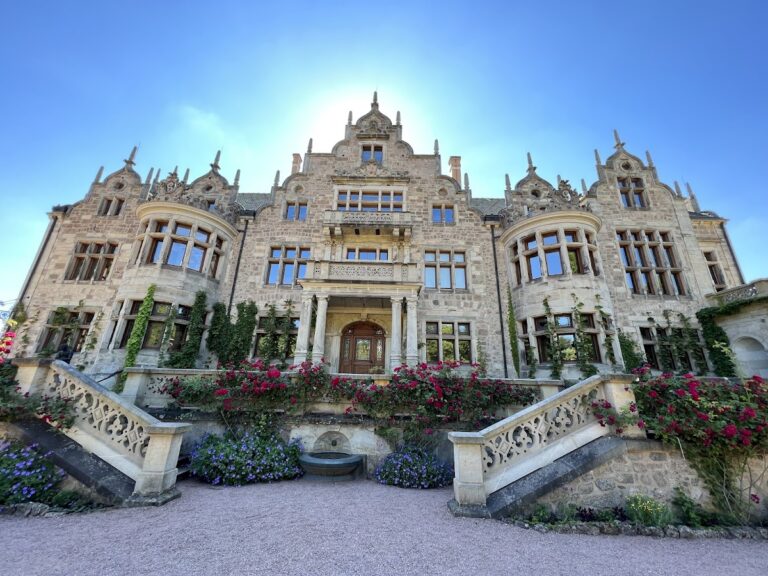
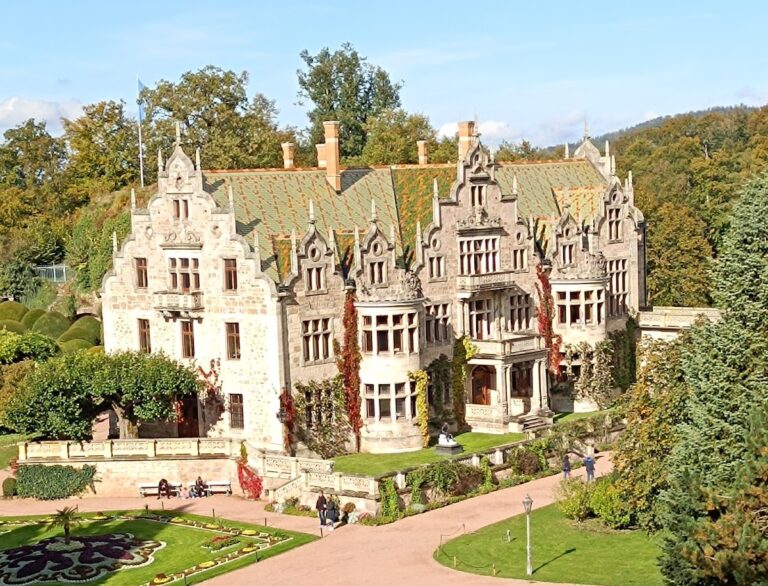
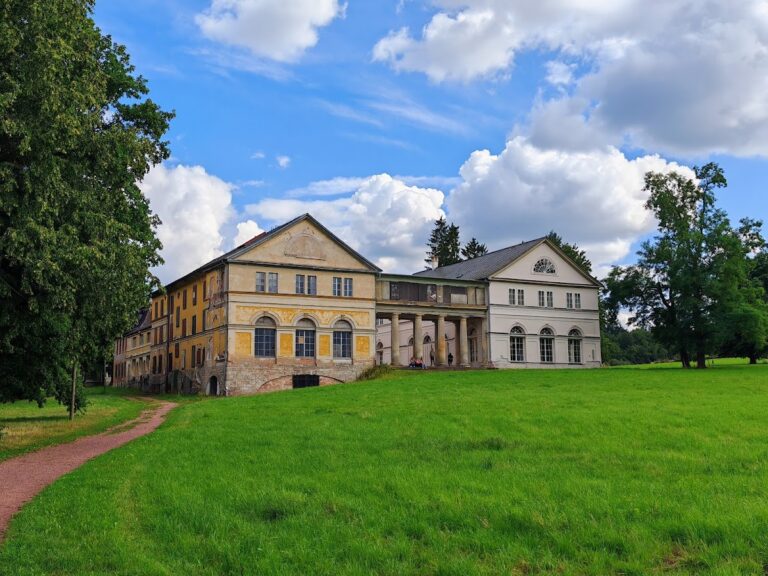
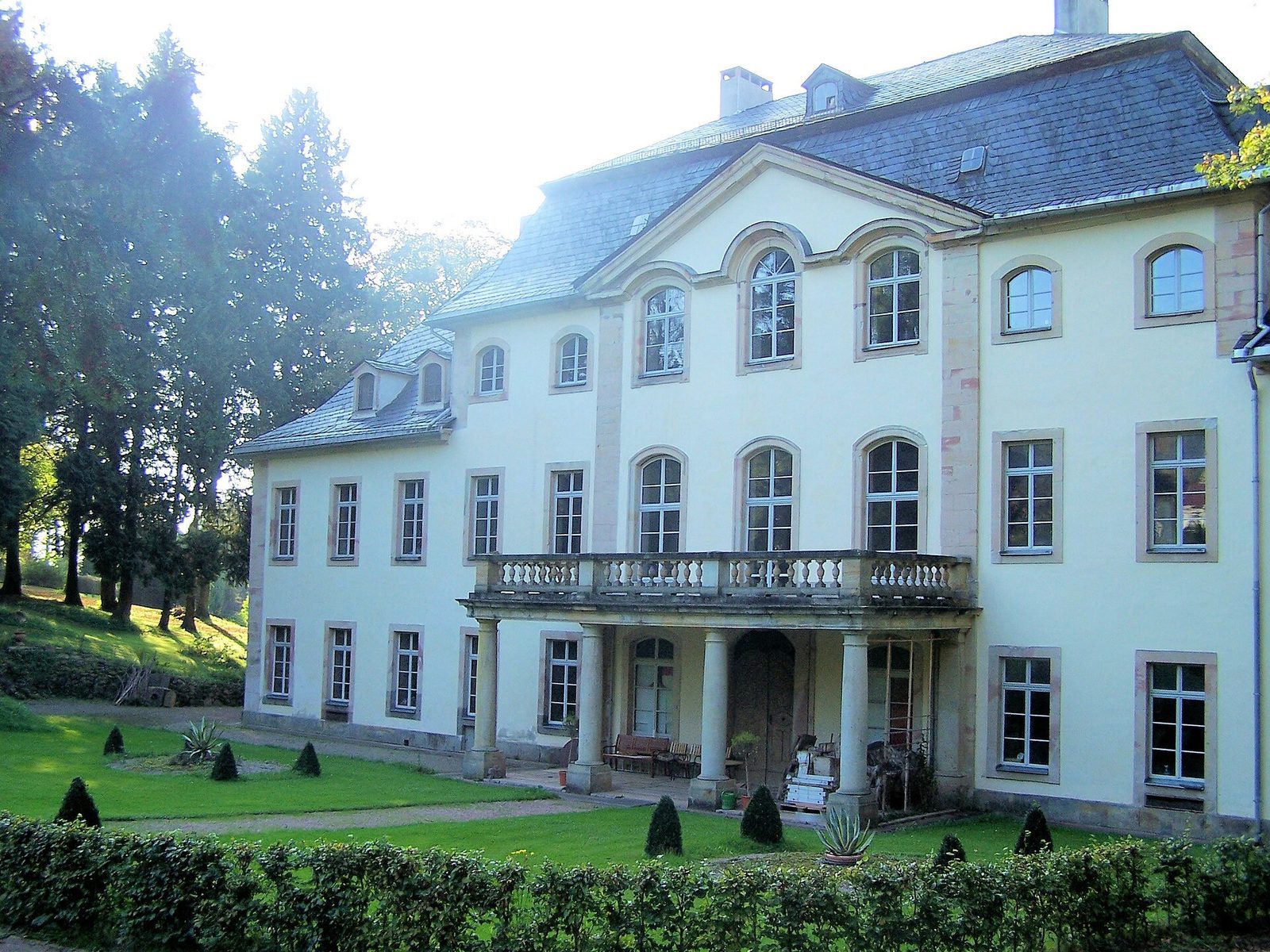
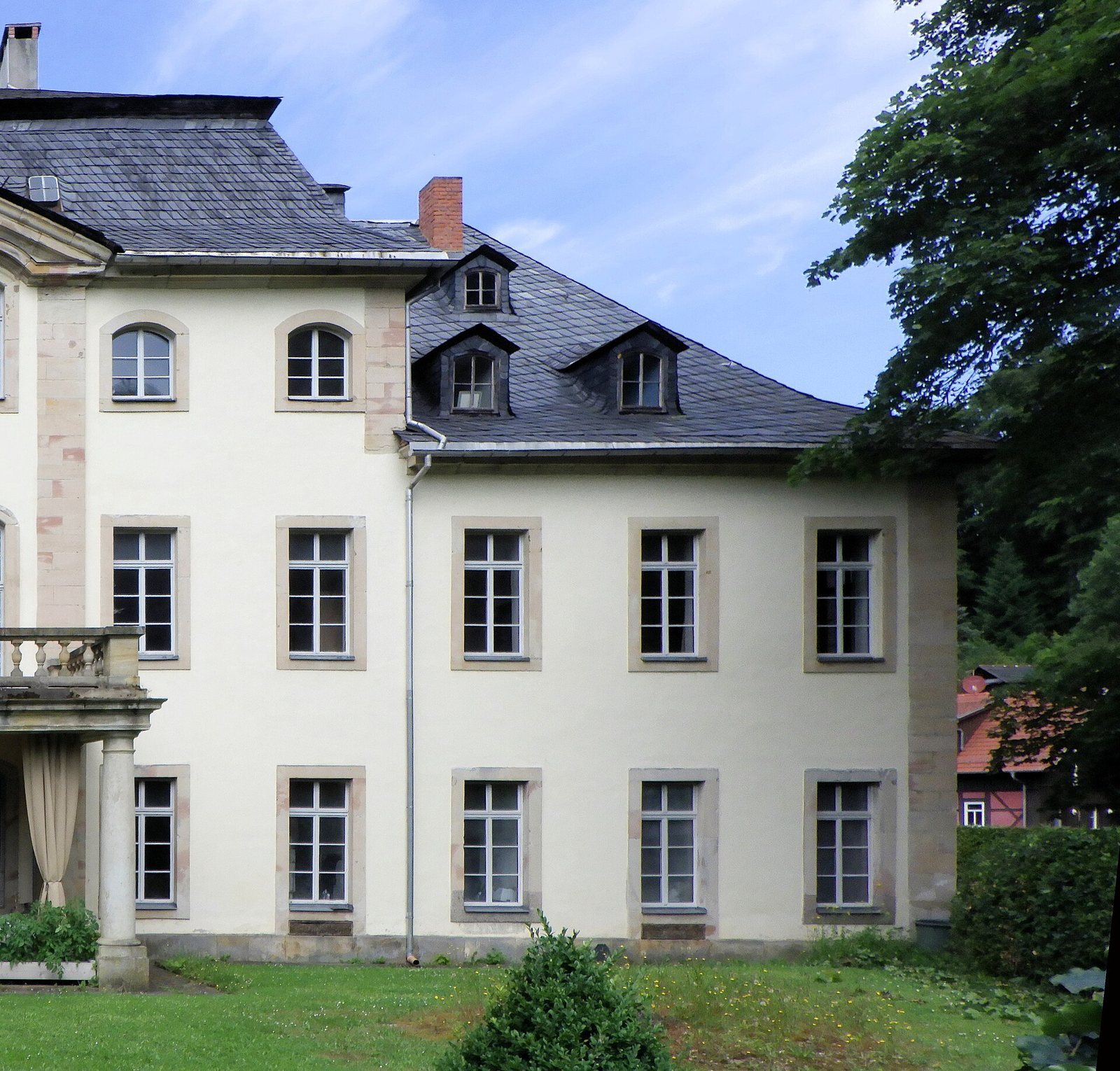
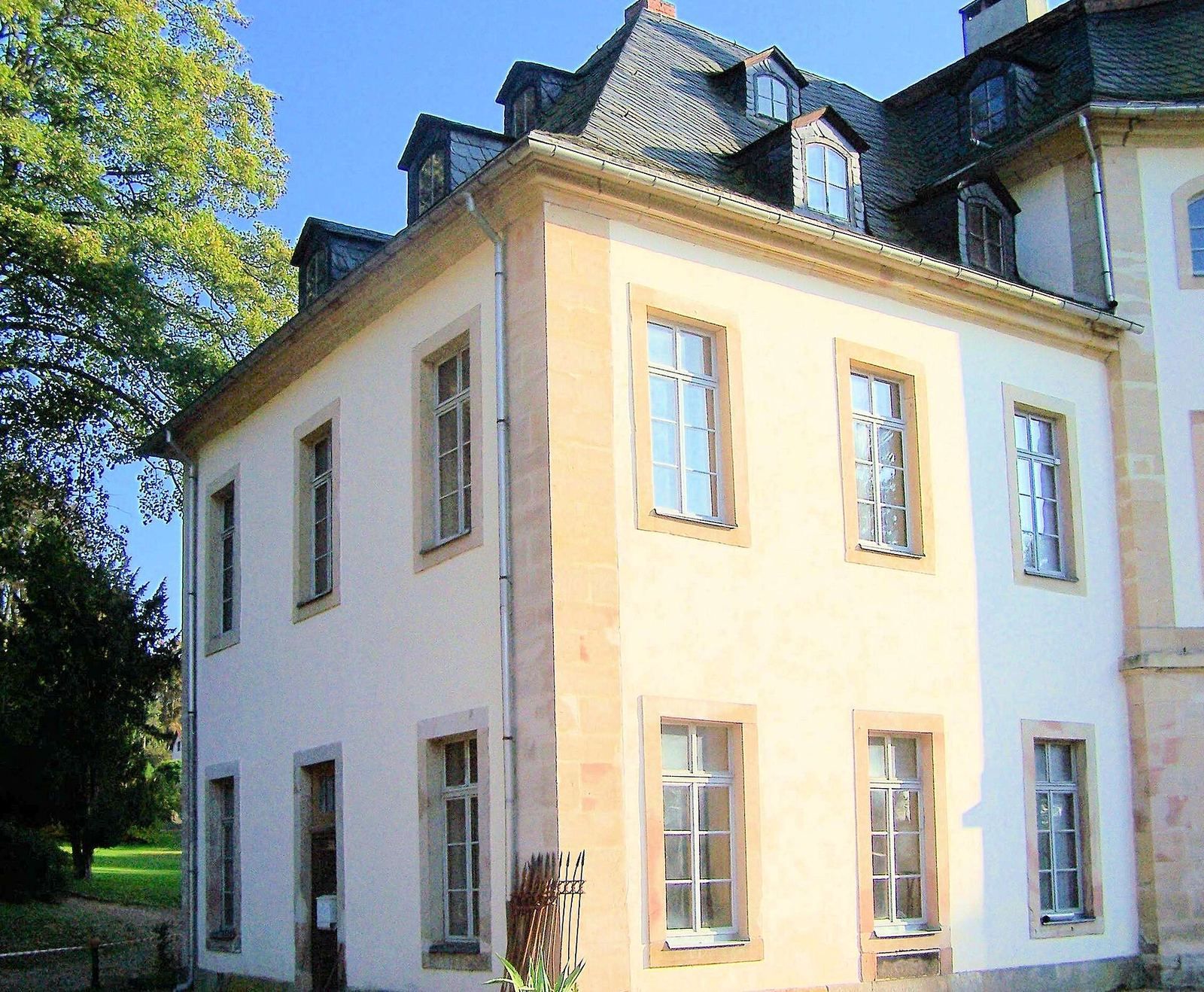
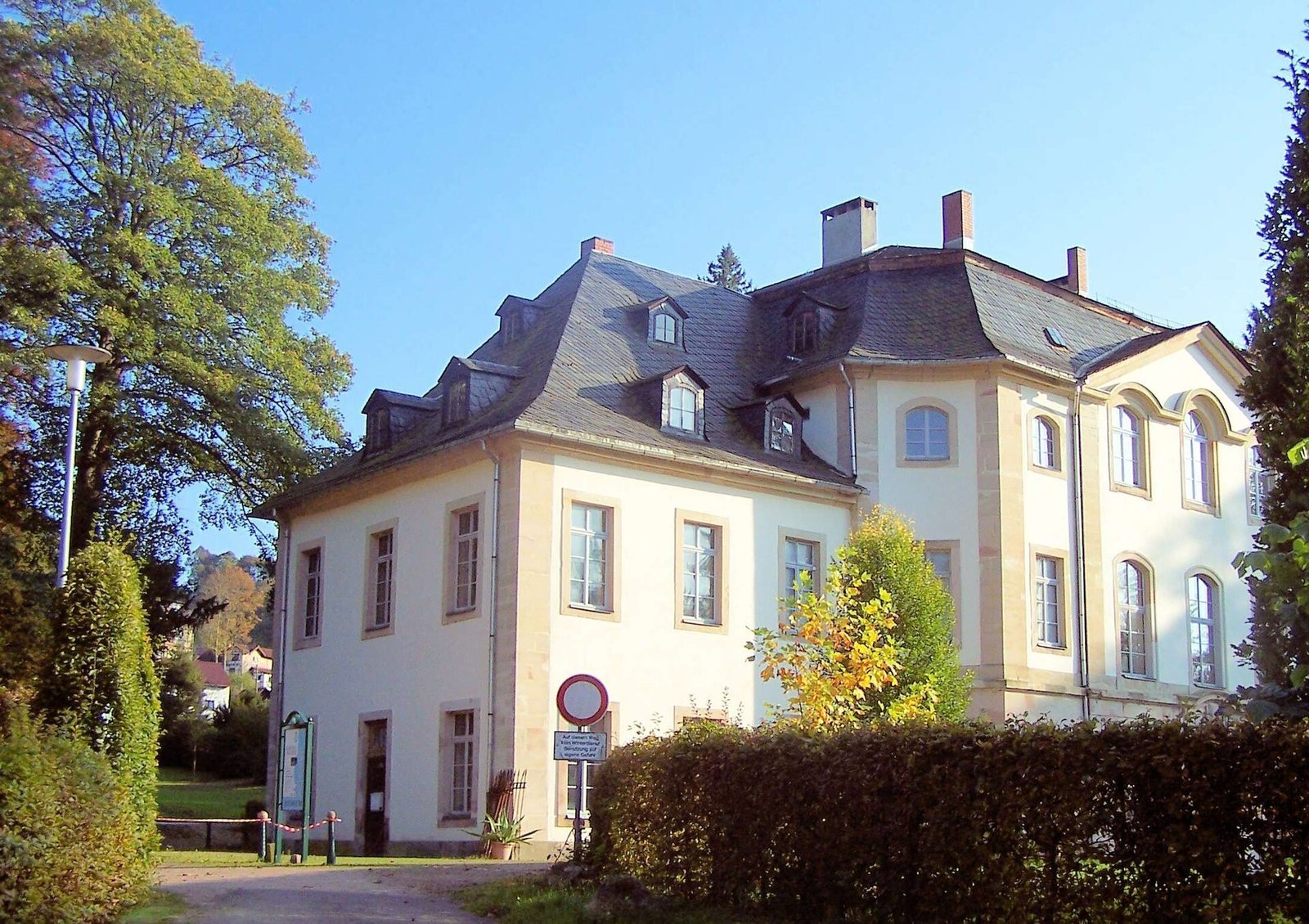
Glücksbrunn Castle is an early eighteenth-century residence in Schweina, now part of Bad Liebenstein, Germany. Johann Friedrich Trier, a Dresden-based court councillor serving the Electorate of Saxony, a German state ruled by an elector, had it built in 1703. The castle served as a secondary residence for the Trier family and was closely connected with the mining enterprise they established in the area.
Trier bought mining and smelting works in 1701 and revived mining around Schweina. By 1705, twelve smelting works and more than 100 mine shafts were operating, while demand for cobalt ore brought additional profits. Copper had become a much smaller part of the business by about 1780, although cobalt remained profitable. The Trier family later sold its enterprise and the castle to Ernst II, Duke of Gotha, in 1783. The castle initially continued as the headquarters of the Glücksbrunn mining association, an organized body that managed mines and related works.
From mining to textile production
In 1818, the Saxon-Meiningen Chamber, the state administration responsible for economic and financial affairs, took over the failing enterprise. On 8 May 1824, the castle and associated industrial and estate properties were sold to Johann Christian von Weiß, a textile manufacturer from Langensalza. He founded a worsted-spinning mill, which made yarn from combed wool fibers, and was ennobled in 1836. The business employed more than 400 people by about 1890.
Twentieth-century ownership and reuse
In 1909, the works passed to von Weiß’s nephew, the British textile manufacturer Baron Henry Joseph Swaine. After further ownership changes and bankruptcy during the Great Depression, a severe economic crisis, the business revived in the 1930s through a merger with a worsted-spinning mill in Niederschmalkalden. Swaine and his family used the castle as a summer residence until the end of the Second World War. Emergency apartments in the castle, established in 1918, remained in use until 1994, overlapping for a time with its use as a summer residence.
After the Second World War, the municipality of Schweina owned the buildings. The castle roof was renewed in 1966, and its façades were restored in 1968. A youth club operated in the castle during the 1980s. The castle and park were designated a cultural monument for their connection to local and industrial history. They stood empty from 1994 to 2004. In 2004 and 2005, the castle, Long Building, and Lindenmühle were sold to different private owners, and extensive restoration followed.
Remains
The complex combined a castle and grounds with buildings and installations associated with mining and ore processing. Its features include a park and garden, the castle’s halls, named mill buildings, and several industrial structures.
Buildings and grounds
Castle
The castle contains halls that were converted into storage and production rooms for the textile business. Its history also includes use for emergency apartments and as a summer residence.
Long Building
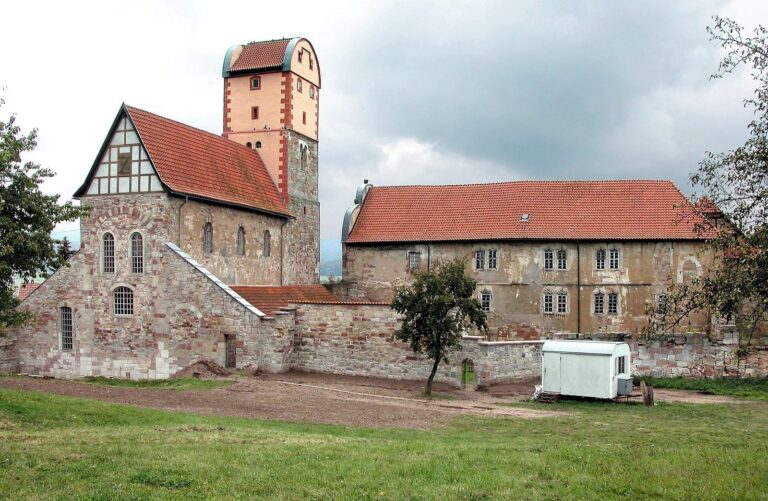
The Long Building, also known as the Upper Mill, had a clock and bells.
Lindenmühle
The former copper-smelting building, also known as the Lindenmühle, served as a grinding mill. During the textile period it was used for wool combing, laundry, and storage.
Forge, pond, and ore-stamping mill
Other features associated with the complex included a forge, a pond, and an ore-stamping mill, a mill that crushed ore.
Park and garden
The castle grounds included a park and a garden with a spring and grotto.