Khajeh Nazar Caravanserai: A Safavid-Era Roadside Lodging in Iran
Site at a Glance
- Country
- Iran
- Primary era
- Early Modern
- Eras represented
- Early Modern
- Civilizations
- Safavid
- Site type
- Economic
- Remains
- Caravanserai
History
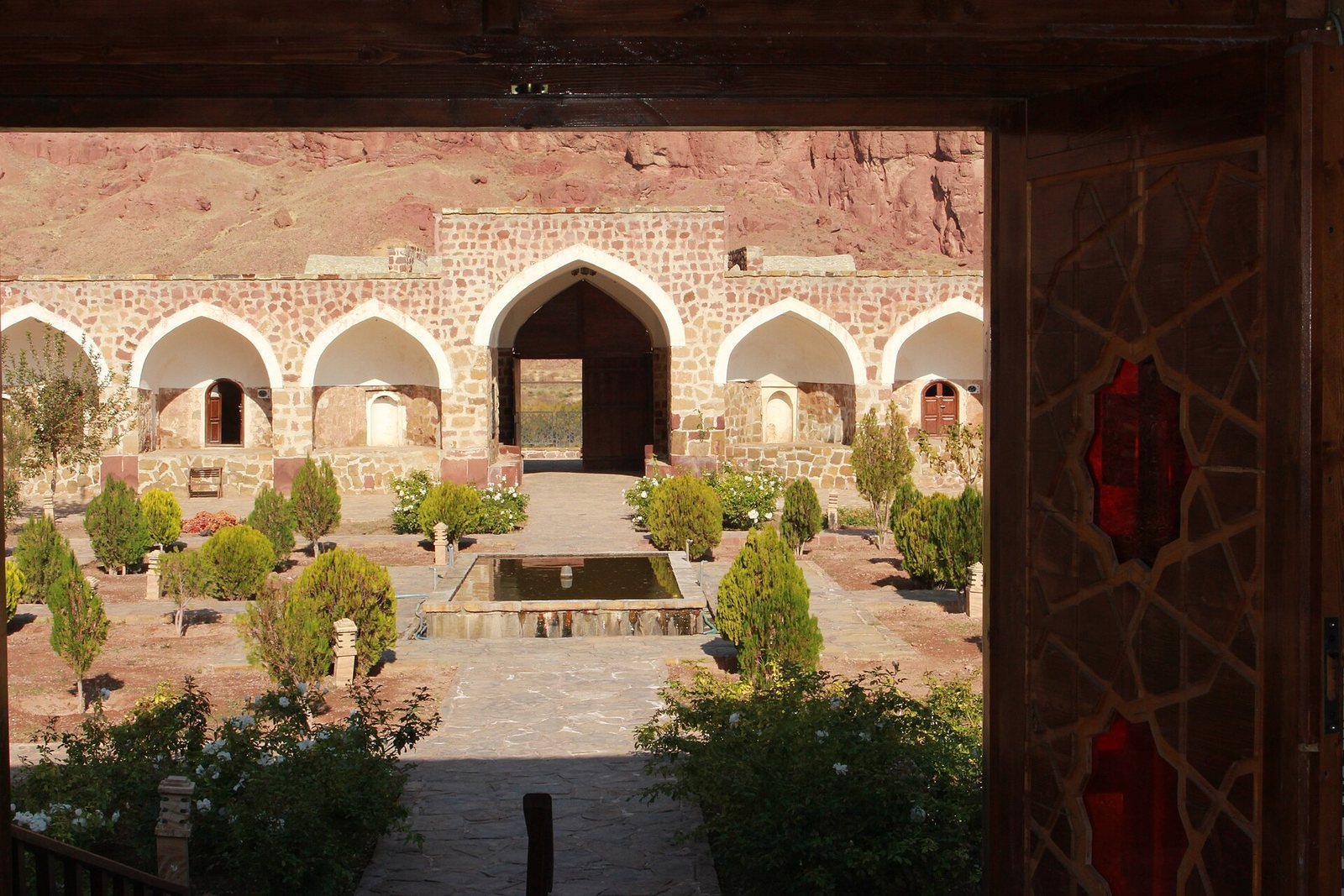
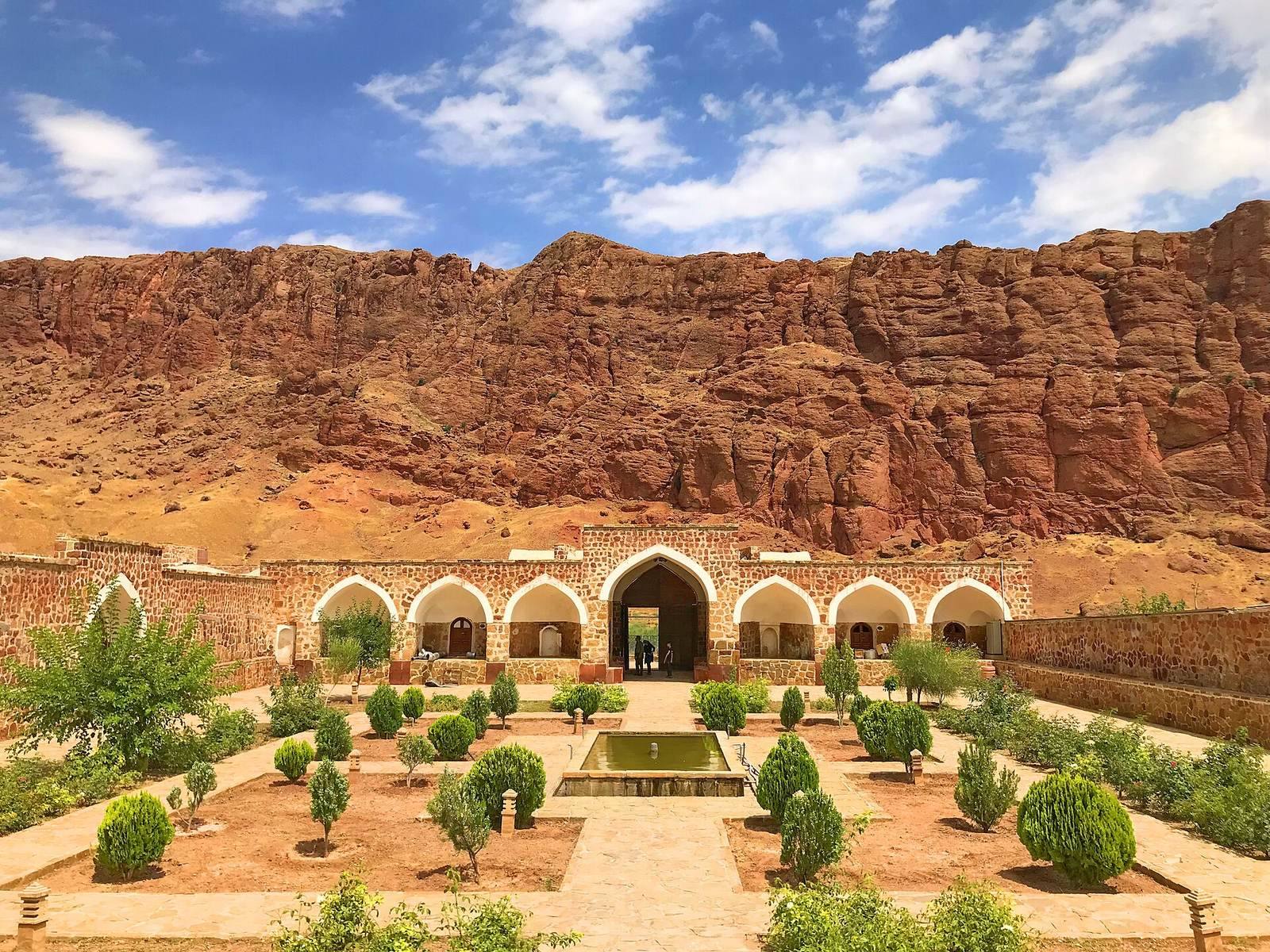
Khajeh Nazar Caravanserai, a roadside lodging and service complex for travelers and trade caravans, stands beside the Aras River near Jolfa, Iran. Also known as the Caravanserai of Jolfa, it was built during Shah Abbas I’s reign by Khajeh Nazar, an Armenian merchant. The Safavid dynasty ruled Iran from the sixteenth to the eighteenth century.
The French traveler and writer Tavernier recounted that Khajeh Nazar had left Jolfa, prospered through trade, and gained favor with Abbas I and his successor, Shah Safi. He was appointed kalantar, a leader of the Armenian community. In honor of his original homeland, he funded two large caravanserais on opposite banks of the river, spending more than 100,000 écus. Both were unfinished at his death.
The restored caravanserai is registered as an Iranian National Cultural Monument under number 7744. In 2023, it became part of the UNESCO World Heritage property The Persian Caravanserai, which includes 54 caravanserais in Iran.
Remains
The restored structure has a rectangular plan and is built of brick and cut stone. Its length is twice its width, and the building extends along three sides of a central courtyard. Three iwans, vaulted spaces open on one side, occupy three sides of the courtyard. Pointed arches feature in the domed coverings, while internal corridors provide access to the rooms.