Stratfield Saye House: A Country House and Home of the Dukes of Wellington
Site at a Glance
- Country
- United Kingdom
- Primary era
- Early Modern
- Eras represented
- Classical, Early Modern, Modern
- Civilizations
- British, English, Roman
- Site type
- Domestic
- Remains
- Manor House
On this page9 sections
History
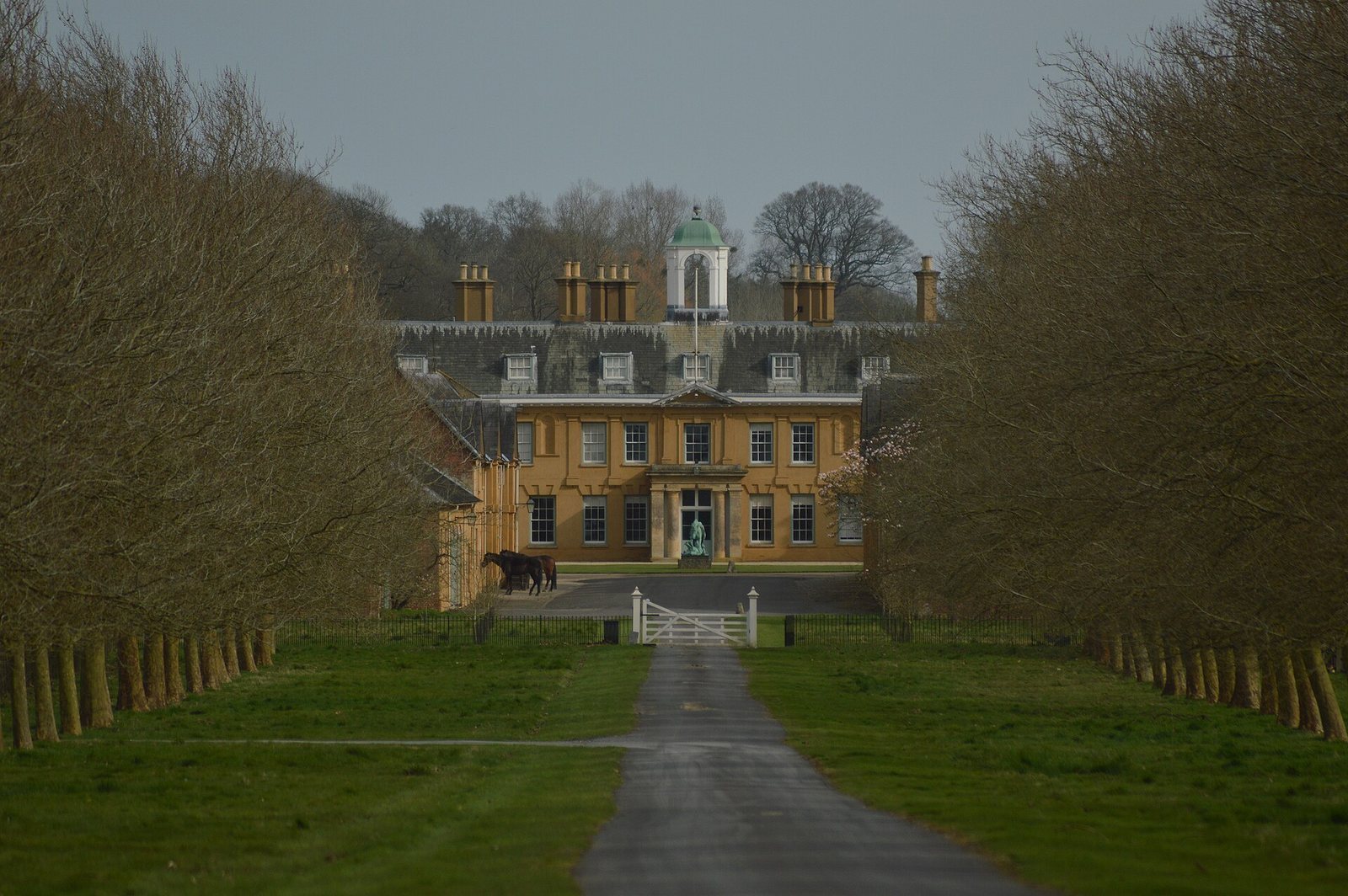
Stratfield Saye House is a country house in the United Kingdom, built in 1629 and the home of the Dukes of Wellington since 1817. Its history links the medieval manors of Stratfield and Saye with the Pitt family and the estate presented to the Duke after his victory at Waterloo.
Medieval manors and the Pitt family
The manor of Stratfield took shape through the joining of two older manors. Stratfield belonged to the Stoteville family in the 12th century and passed through marriage to the Saye family in the early 13th century. Around 1370, Elisabeth de Say married Nicholas Dabridgecourt, after which the manor passed to the Dabridgecourt family.
The Dabridgecourts sold the estate to the Pitt family in 1629. Edward Pitt, the eldest son of Sir William Pitt, bought it for £4,800. The house was built that year, and around 1630 Sir William greatly enlarged its main part. He served as Comptroller of the Household to James I, an official who oversaw aspects of the royal household.
Alterations and the Wellington estate
In the 18th century, George Pitt, 1st Baron Rivers, made extensive changes to the house and park. In 1817, the government purchased the 5,000-acre estate to give it to Arthur Wellesley, 1st Duke of Wellington, in recognition of his victory over Napoleon at Waterloo. Wellington commanded allied forces against the French emperor. The government set aside £600,000 for a proposed Waterloo Palace, intended to rival Blenheim Palace, the country house associated with the Dukes of Marlborough. Architect Benjamin Dean Wyatt advised Wellington on the purchase; Wyatt had earlier served as his private secretary.
Wellington first intended to demolish the existing house and replace it with the more prestigious palace. He abandoned the plan in 1821 because of its cost, choosing instead to improve and extend the existing house. Stratfield Saye has remained the home of the Dukes of Wellington. All of the dukes except the 1st and 6th are buried there, as is Wellington’s warhorse, Copenhagen.
The house is Grade I listed, England’s highest category of listed-building status. Stratfield Saye Park is also included on England’s register of parks and gardens recognized for their historic interest.
Remains
Estate layout and features
The estate includes a large country house and its stables, a line of Roman road within the northern boundary, and a commemorative column at the eastern entrance.
Roman road
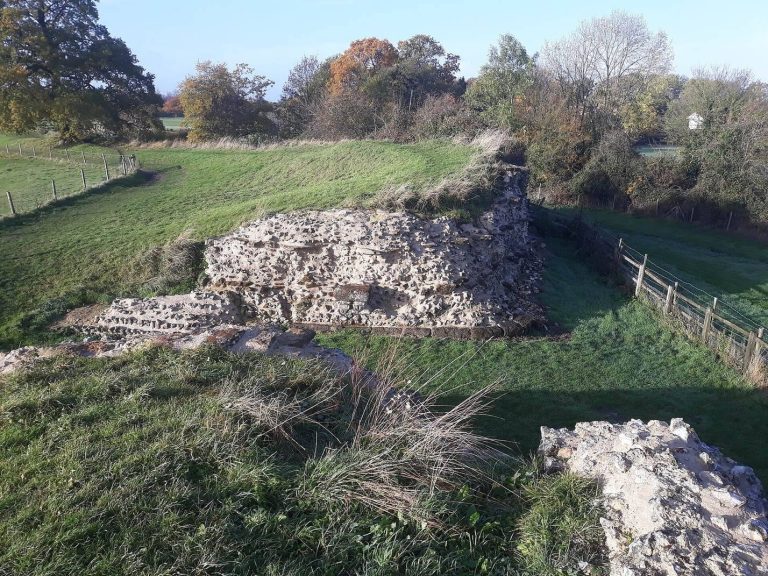
A line of the Roman road known as the Devil’s Highway runs east to west just inside the northern boundary of the grounds.
Stables and Wellington Exhibition
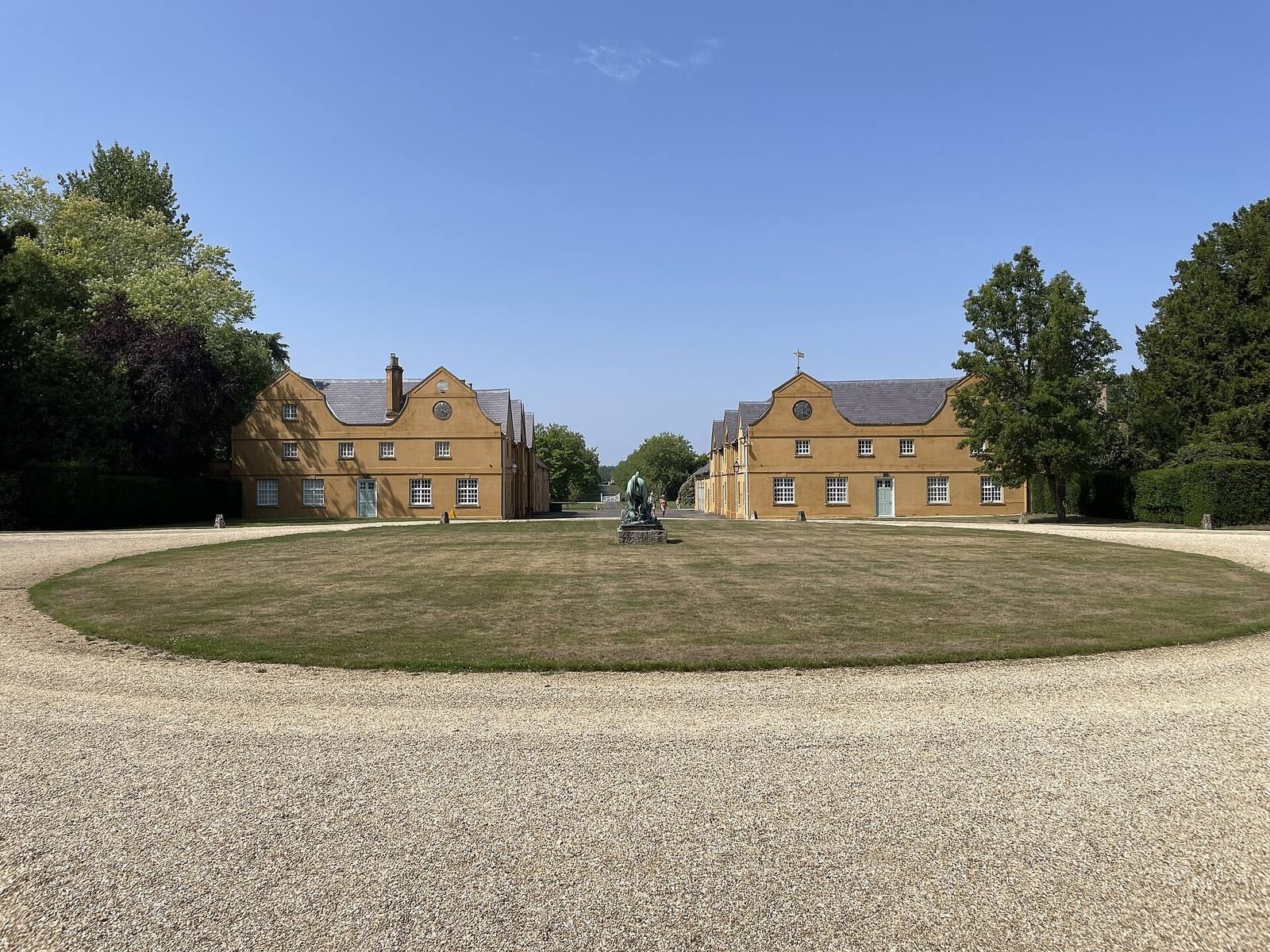
The estate’s stables house the Wellington Exhibition, which presents the life and times of the 1st Duke and includes a large collection of military mementoes.
Funeral carriage
Wellington’s cast-bronze funeral carriage is also at Stratfield Saye. It was made from French cannons captured at Waterloo and moved to the estate in the 1980s.
Commemorative column
The Duke of Wellington Commemorative Column stands at Stratfield Saye’s eastern entrance, on the Heckfield side. Erected in 1863, it is a Corinthian column, with an elaborately leaf-decorated capital, topped by a bronze statue by the Italian-born sculptor Baron Carlo Marochetti.