Fort Duurstede: A Colonial Stronghold and VOC Administrative Center
Site at a Glance
- Country
- Indonesia
- Primary era
- Early Modern
- Eras represented
- Early Modern
- Civilizations
- Dutch, Portuguese
- Site type
- Military
- Remains
- Fort
On this page8 sections
History
Portuguese Origins and Dutch Rule
Fort Duurstede is a colonial fort in Indonesia that first protected Saparoea village and later served as a defensive stronghold and administrative center for the Dutch East India Company (VOC), a trading company that also exercised colonial authority in the Indonesian archipelago. The Portuguese built the fort in 1676. In 1691, Ambon Governor Nicolaas Schaghen seized and rebuilt it, establishing a more permanent fortified structure. The fort takes its name from Wijk bij Duurstede, a town in the Netherlands, and was associated with the colonial-era spice trade in Maluku.
The Saparua Revolt of 1817
On 15 May 1817, Saparua residents led by Thomas Matulessy, known as Kapitan Pattimura, attacked the fort. Kapitan is a local title of leadership. The fort’s inhabitants were killed apart from Jean Lubbert van den Berg, the son of its resident, a colonial administrative official. The fort’s fall shook Dutch East Indies authority from Ambon to Batavia, and Dutch attempts to retake it repeatedly failed.
Commissioner van Middelkoop, a government official exercising delegated authority, sought reinforcements from Batavia. Rear Admiral Buyskes arrived in Ambon on 30 September aboard the warship Prins Frederik, commanded by Captain van Senden. The ship carried 40 heavy cannons and 250 infantrymen from Batavia; another 160 soldiers from Ambon brought the force to 410 personnel. Buyskes’s campaign secured islands around Saparua before moving against Pattimura’s defenses, driving his troops into sago forests and the mountains. Pattimura and four of his commanders were captured and sentenced to death by hanging at Fort Nieuw Victoria.
Later History and Recognition
A navigation guide from 1878 described the anchorage near the fort as good during the westerly monsoon, in water about 12 fathoms deep, a traditional measure of water depth. The fort has since undergone extensive restoration and received Indonesian national-level cultural heritage recognition through ministerial decisions dated 12 January 1999 and 21 December 2015. It is also regarded as a symbol of Moluccan resistance and nationalism.
Remains
Layout and Structures
Enclosure and Defenses
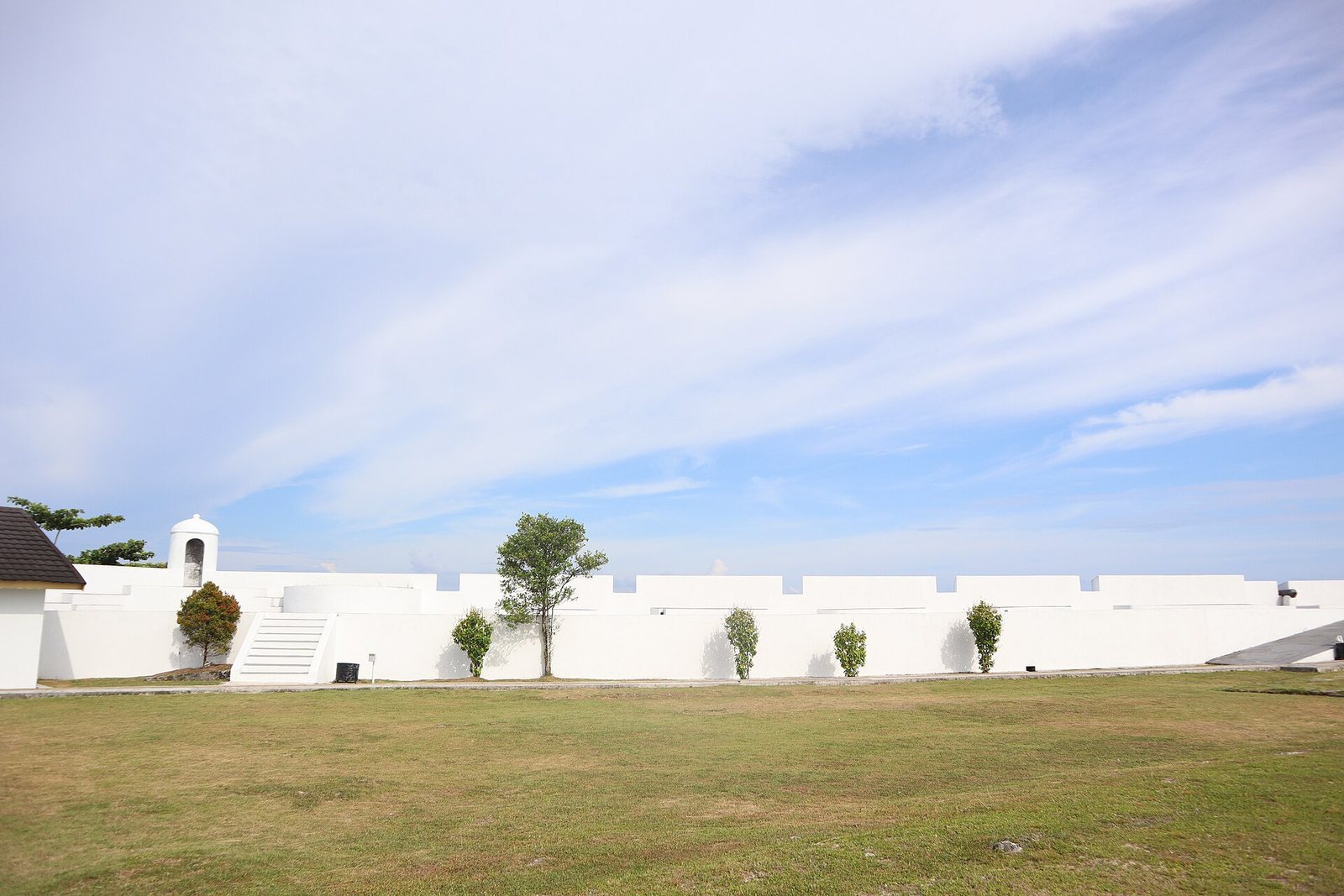
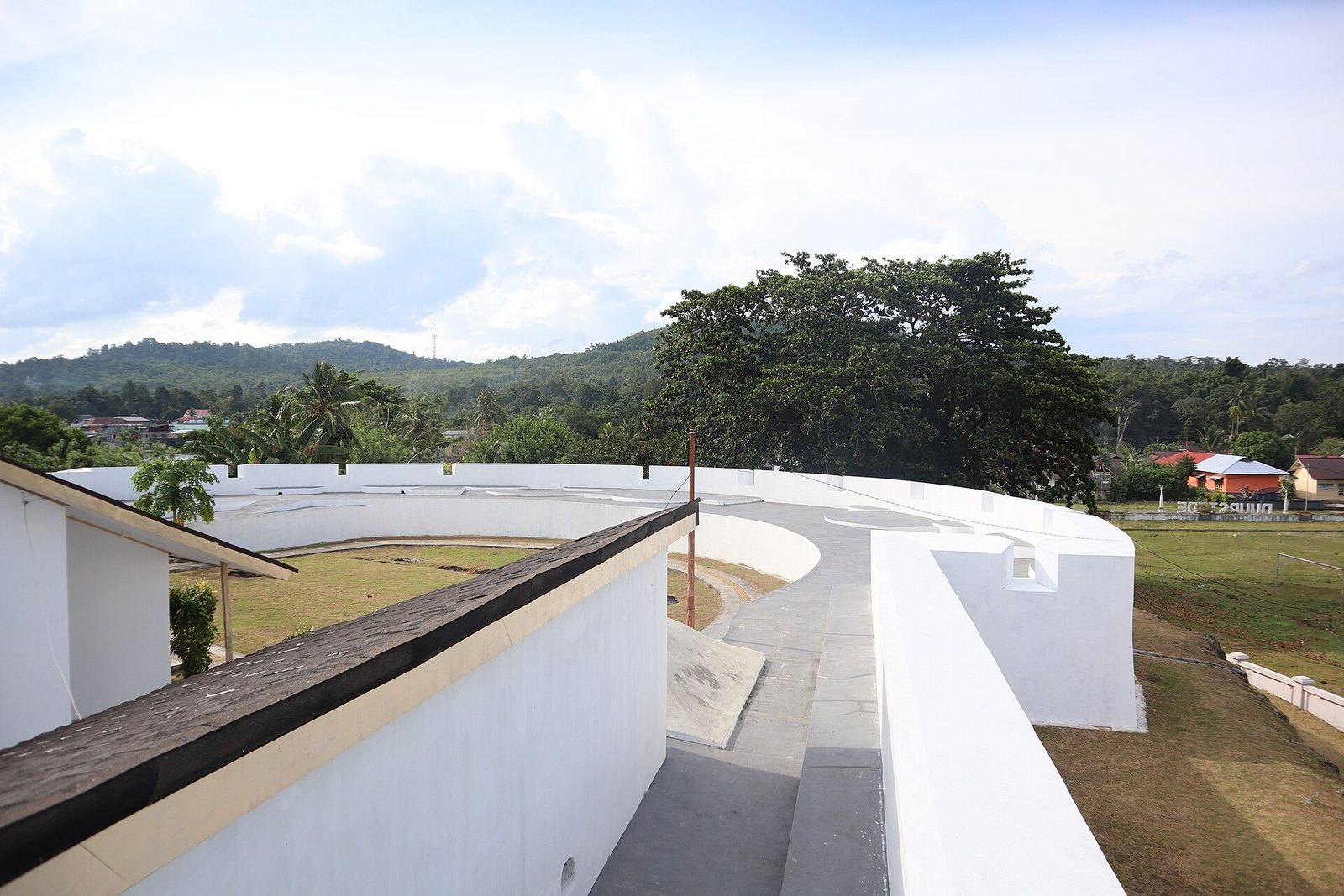
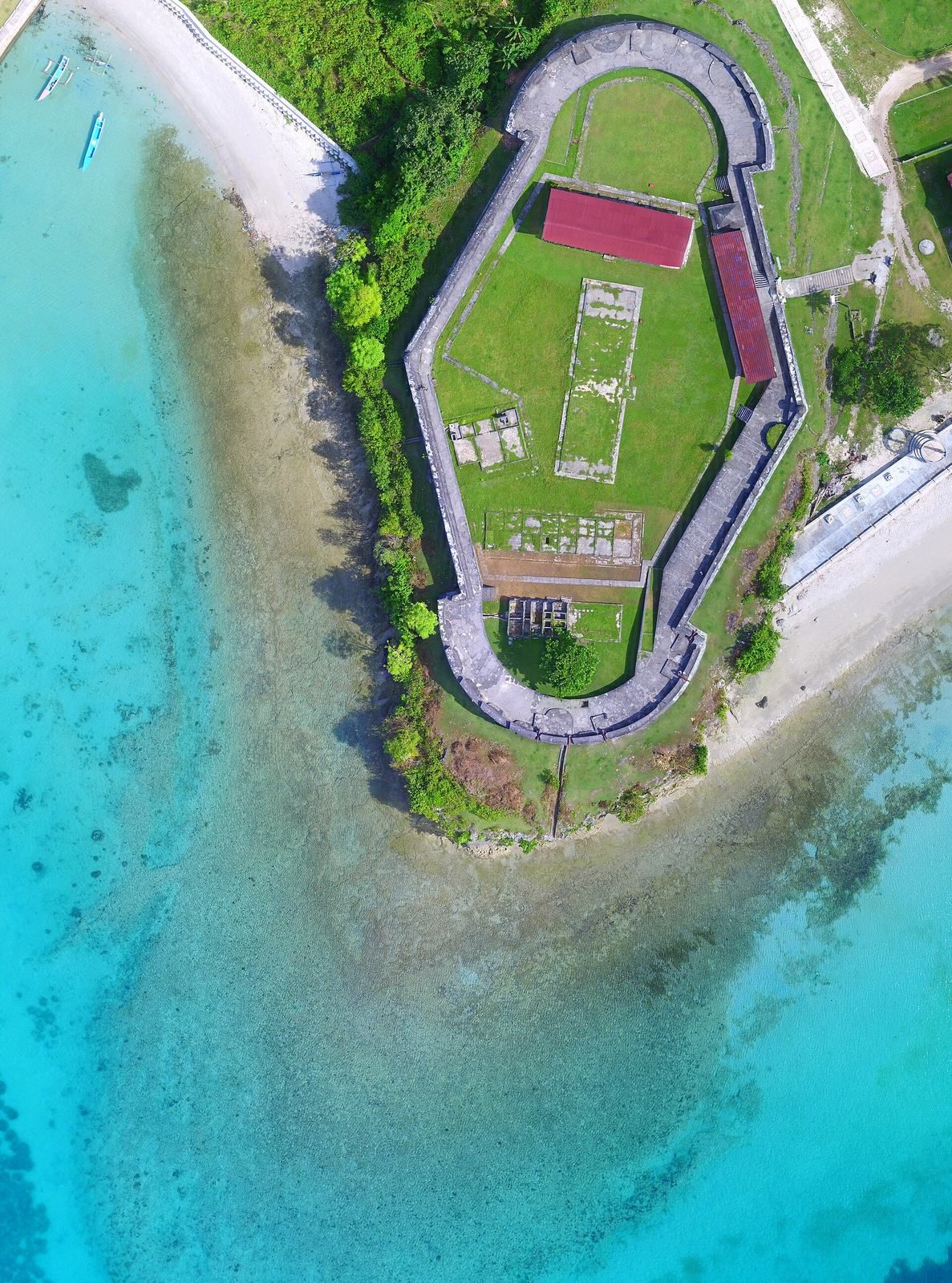
The oval-shaped fort occupies the summit of a rocky hill about 7 metres high. Walls approximately 5 metres high and 1 metre thick enclose a large courtyard facing the sea. Defensive posts stood on the western and eastern sides, while cannons intended to repel attackers were positioned to the south.
Buildings and Memorial Features
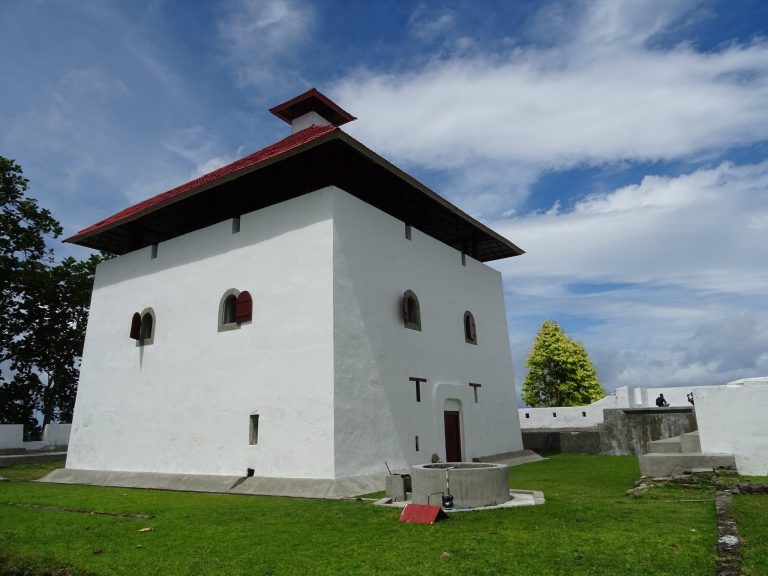
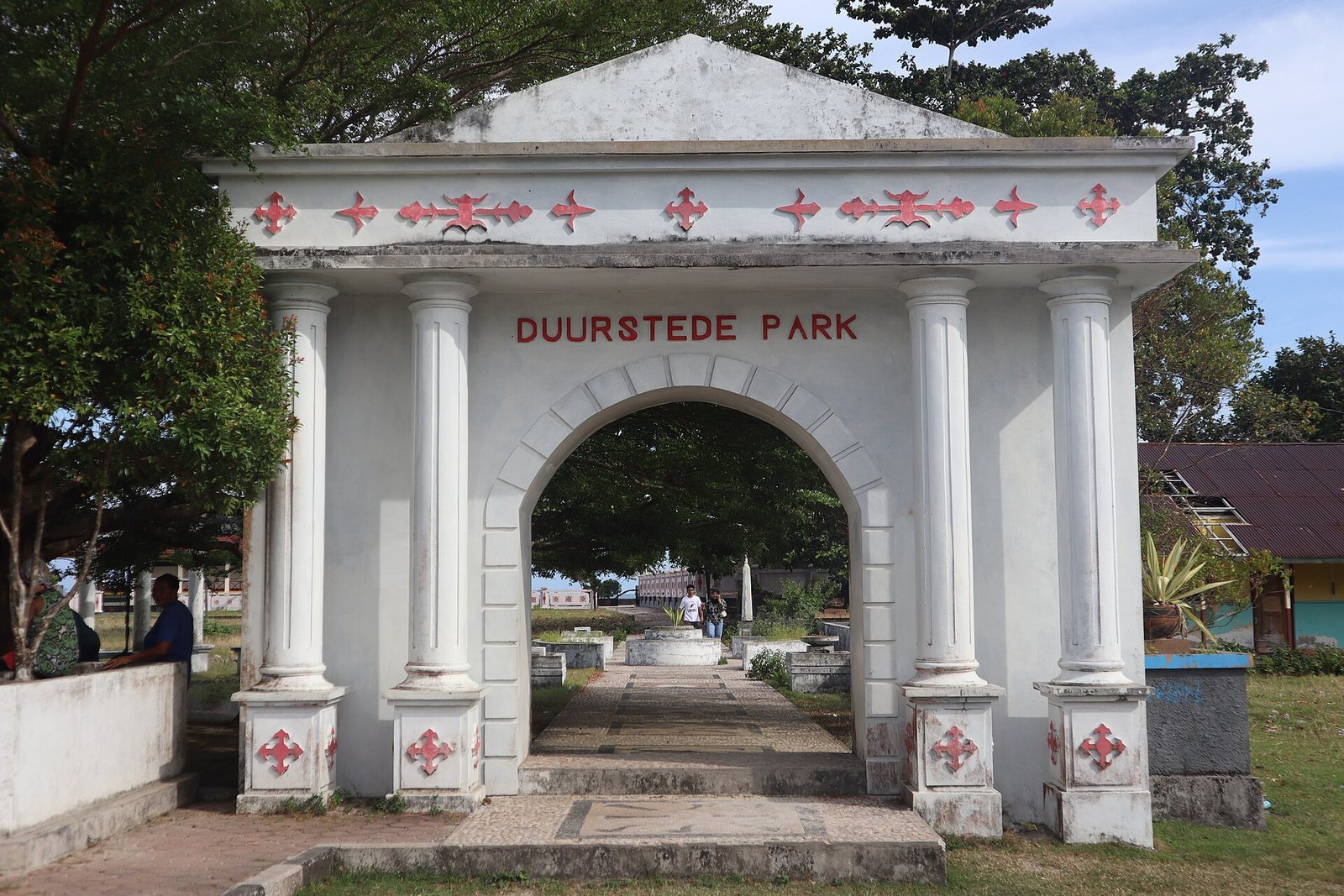
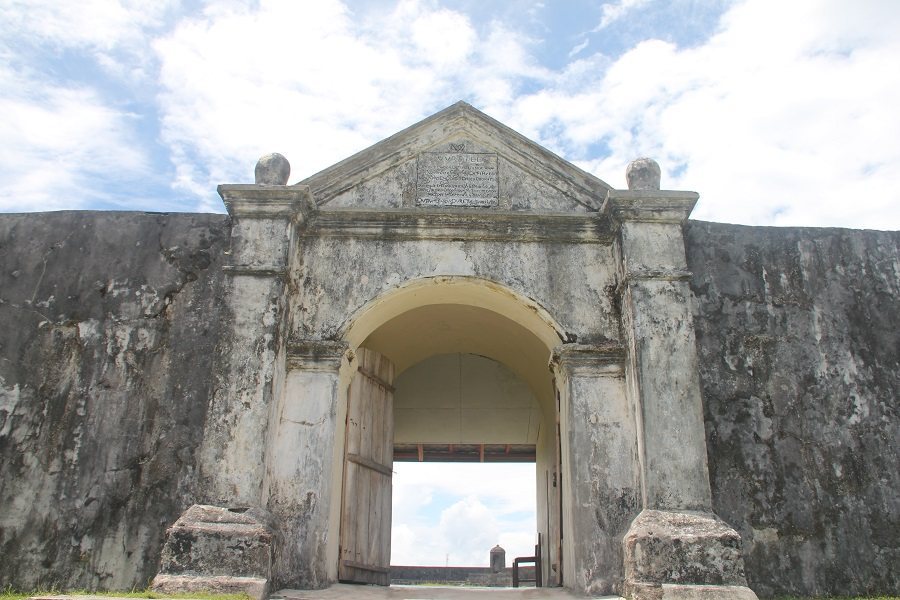
At least eight structures are recorded within the complex. Three remain intact, while the others have been reduced to foundations. Well-preserved buildings from the Dutch period include an office, staff accommodation, a prison, and a warehouse. The complex also contains a museum and a memorial to the resistance led by Pattimura and Saparua residents. Writing appears on the entrance gate. The fort is shown in sketches and in an 1844 view by Dutch artist and traveler Charles William Meredith van de Velde.