Fort of São Sebastião de Alcântara: A Colonial Coastal Defense
Site at a Glance
- Country
- Brazil
- Primary era
- Early Modern
- Eras represented
- Early Modern
- Civilizations
- Portuguese
- Site type
- Military
- Remains
- Fort
On this page5 sections
History
Establishment and rebuilding
The Fort of São Sebastião de Alcântara stands on the mainland shore of São Marcos Bay in Alcântara, Brazil. Its origins lie in a military post established in 1697. A permanent defensive work to protect the town and its port was built under Joaquim de Melo e Póvoas, governor of the captaincy, a territorial jurisdiction in the Portuguese colonial empire. The fort was inaugurated on 17 July 1763 under the dedication of Saint Sebastian, an early Christian martyr revered as a saint.
By 1797, the fort had fallen into poor condition. Governor Diogo de Souza ordered its rebuilding, renamed it for Saint Matthias, the apostle chosen to replace Judas Iscariot, and equipped it with nine artillery pieces.
Nineteenth-century use and disarmament
Carlos César Burlamaqui, a colonial military captain and governor of Piauí, was detained at the fort from 1810 to 1811. Also known as the Fort of Alcântara, it was disarmed in 1880.
Heritage recognition
On 22 December 1948, the 300th anniversary of Alcântara’s elevation to town status, the town was designated a Monument City under Decree No. 26,077-A and listed for protection by Brazil’s national heritage authority.
Remains
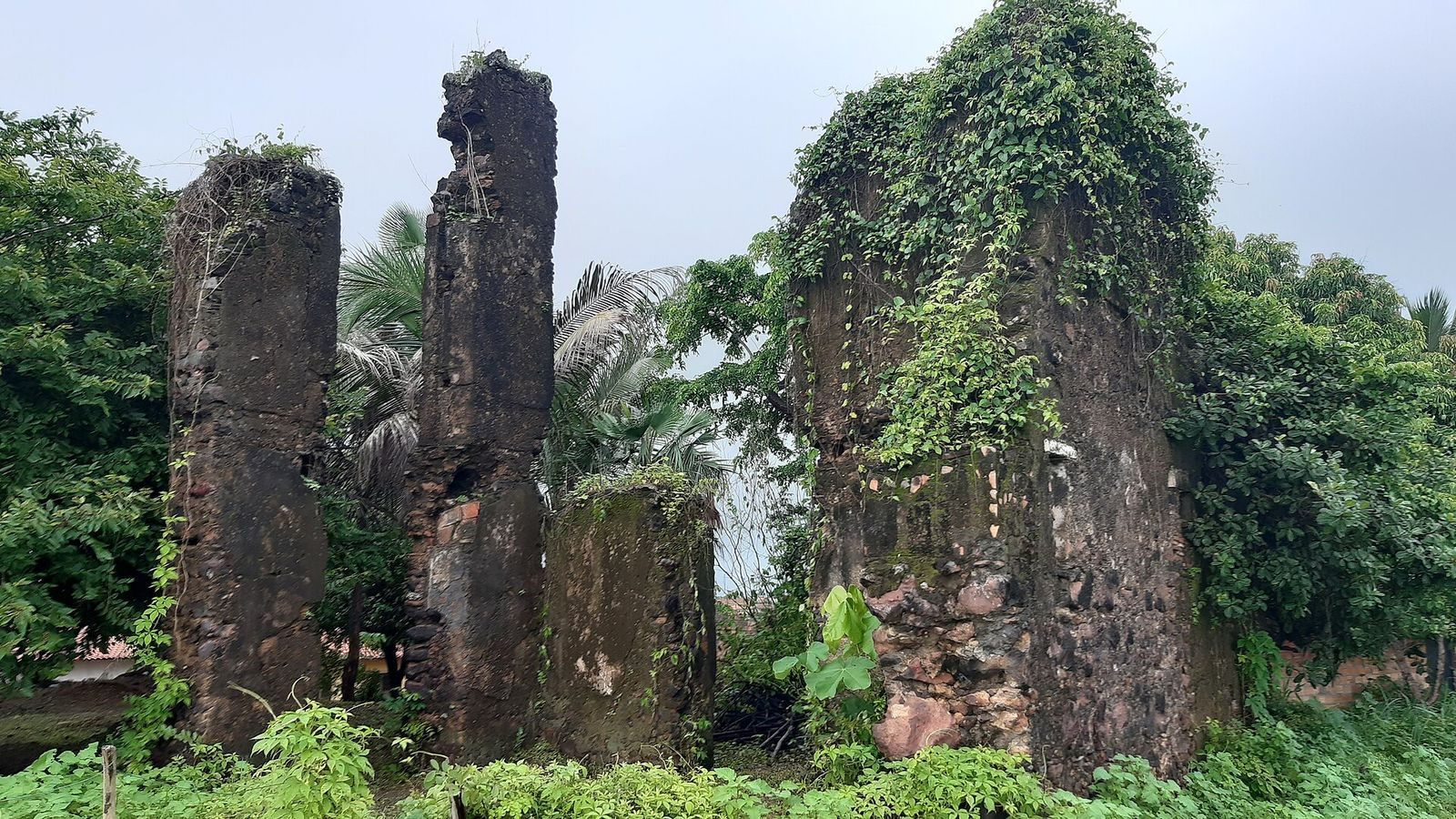
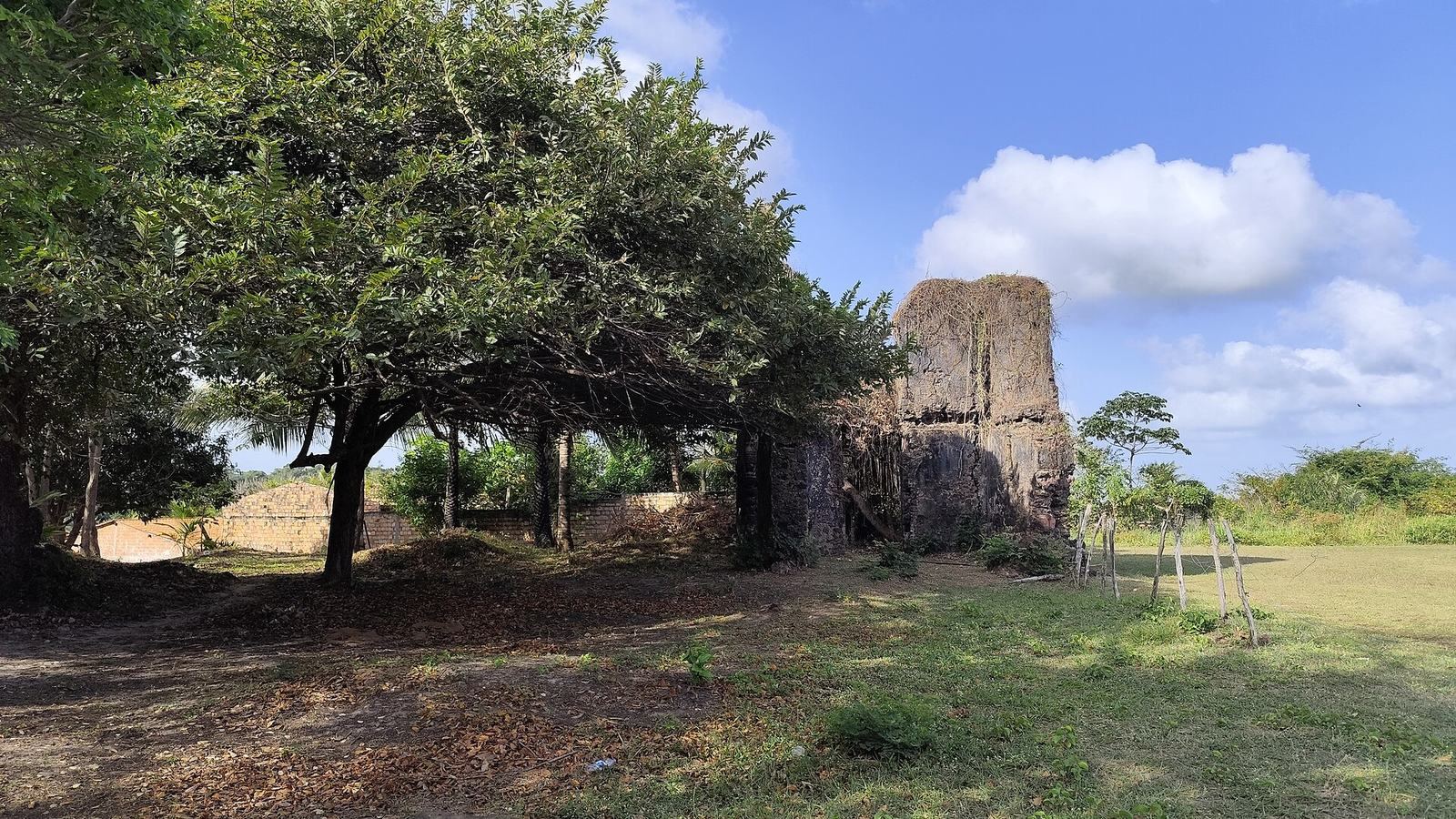
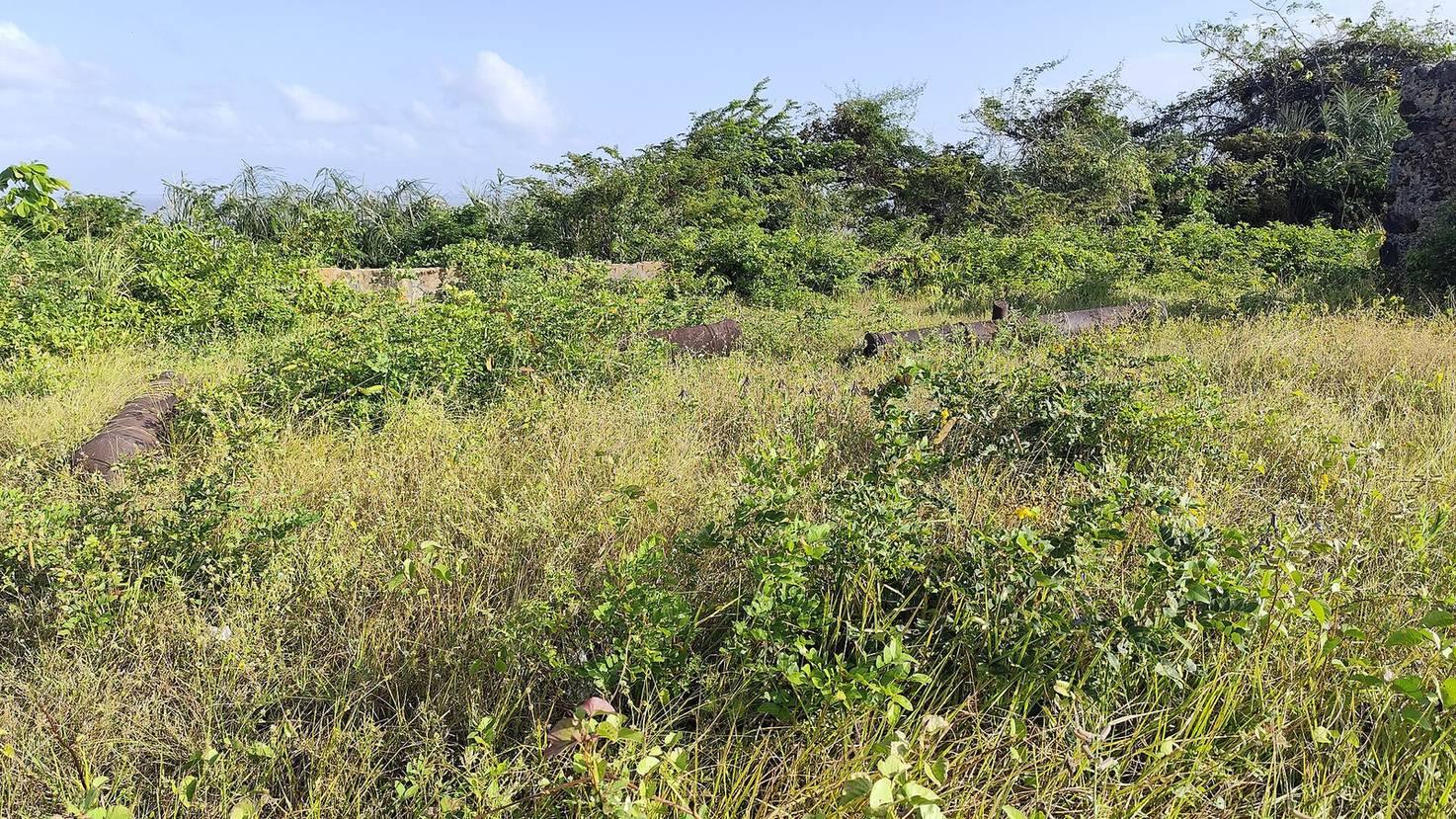
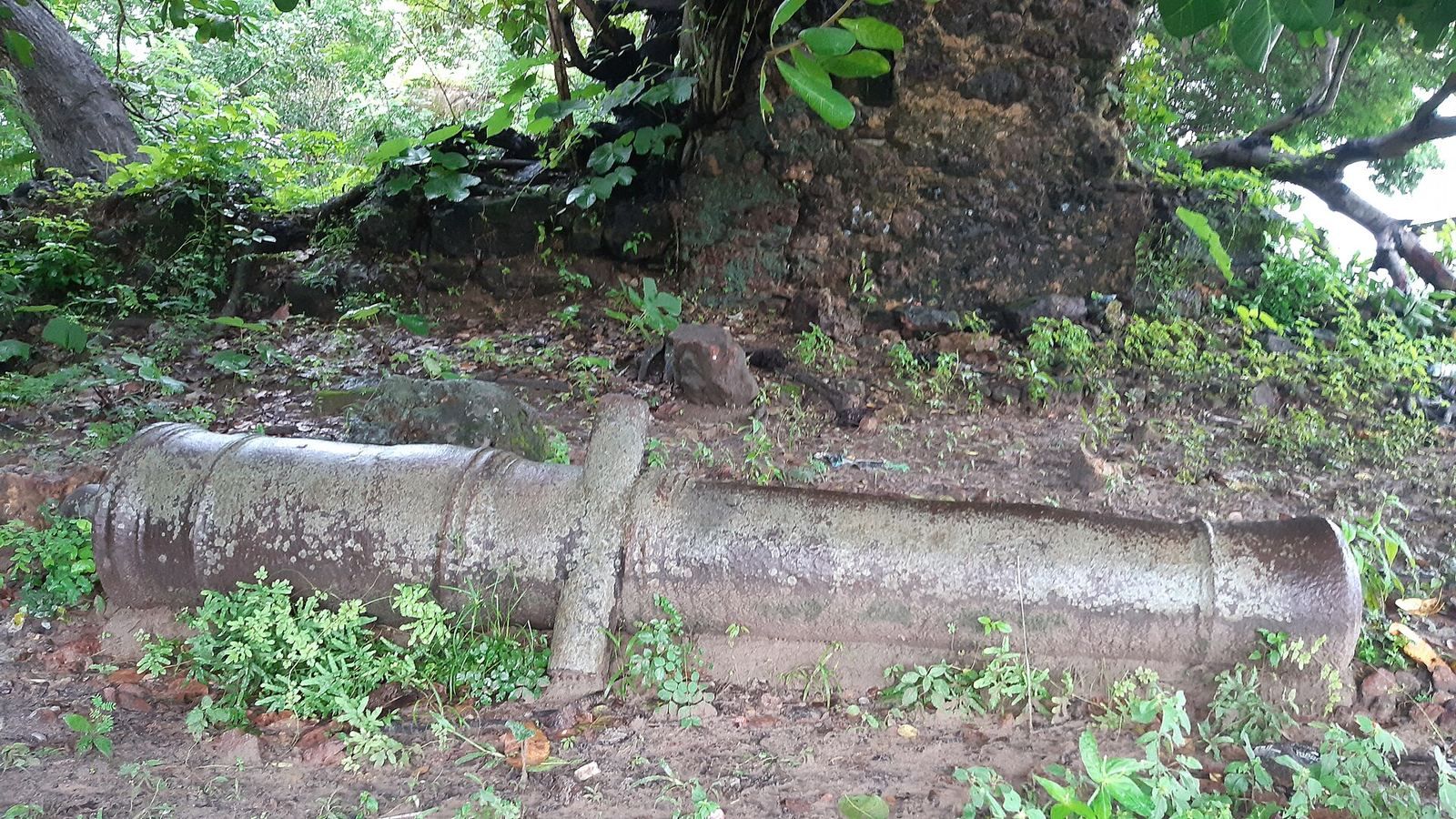
The fort is now in ruins. A surviving section of stone wall marks the enclosure around the grounds, which contain a football field. Old cannons are scattered across the site.