Saugus Iron Works National Historic Site: Colonial North America’s Integrated Ironworks
Site at a Glance
- Rating
- 4.7
- Popularity
- Low
- Country
- United States
- Primary era
- Early Modern
- External website
- Open
- Eras represented
- Early Modern
- Civilizations
- English
- Site type
- Economic
- Remains
- Production Complex
On this page12 sections
History
Saugus Iron Works National Historic Site is a reconstructed seventeenth-century ironworks at Saugus in Massachusetts, United States. Founded by English colonists and opened in 1646, it became the first integrated ironworks in North America, combining several stages of production in one system. Its operation reflected the Massachusetts colony’s effort to replace costly imported iron goods with locally made products.
Colonial beginnings
John Winthrop the Younger promoted the enterprise after recognizing that Massachusetts possessed raw materials and access to markets in New England, the Chesapeake colonies, and England. He traveled to England in 1641 to seek investment, and the Company of Undertakers for the Iron Workes in New England was formed to finance the project.
The company first built an ironworks at Braintree, now part of Quincy, between 1644 and 1645. That site failed because it did not provide enough iron ore or water power. In 1645, Richard Leader, an English merchant familiar with ironmaking, took over management, surveyed other locations, and selected land beside the Saugus River.
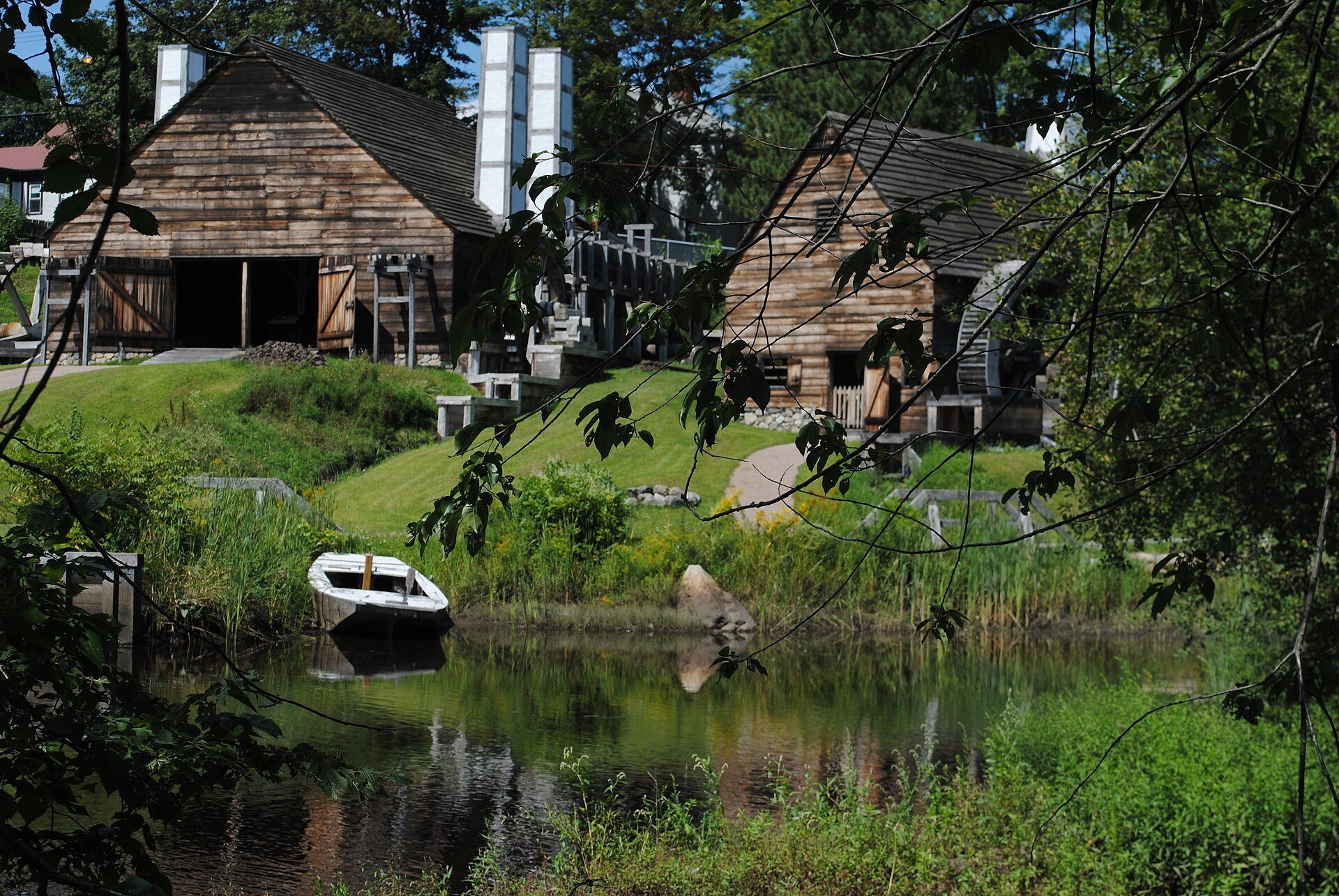
Known as Hammersmith, the Saugus works began production in 1646. Its blast furnace, forge, and rolling and slitting mill formed a connected manufacturing system that was regarded as one of the world’s most technologically advanced ironworks. The facility operated for about thirty weeks each year and produced approximately one ton of cast iron per day.
Labor and operation
In October 1645, the Massachusetts General Court granted the enterprise a tax exemption and a 21-year monopoly on iron production. Production was respectable, but high labor costs, financial mismanagement that may have involved embezzlement, and lawsuits prevented regular profits. Around 1670, the ironworks closed.
Leader left in 1650 after disputes with the Undertakers and entered the sawmill business. John Gifford then became ironmaster, while William Aubrey handled the accounts. Skilled ironworkers came from England, and local workers and indentured servants supplied additional labor. Conflicts between English workers and local Puritan authorities led to arrests for offenses that included drunkenness, adultery, gambling, fighting, cursing, failure to attend church, and wearing fine clothing. Less experienced local laborers also suffered frequent, sometimes fatal, accidents.
After the Battle of Dunbar in 1650, sixty Scottish prisoners of war were sent to the ironworks as indentured laborers. Between 35 and 37 worked there, chiefly as unskilled laborers, while some learned charcoal making, blacksmithing, or carpentry. Most gained their freedom after seven years and remained in Massachusetts or moved to Maine. The works also trained ironworkers who later worked in or founded other ironworks in New England and New Jersey.
Rediscovery and preservation
After closure, the property fell into disuse and became covered by undergrowth. In 1898, the Lynn Historical Society erected a marker commemorating the ironworks, a forge attributed to Joseph Jenckes, the manufacture of dies for New England’s first silver money, and the making of what the marker called America’s first fire engine. The marker later became obscured and was found again during restoration.
Antiquarian Wallace Nutting purchased the nearby Appleton-Taylor-Mansfield House in 1915. Believed to have been the former ironmaster’s residence, the house was renamed Broadhearth and extensively restored, with some embellishment. Nutting added a blacksmith shop in 1917, where reproductions of early ironwork were made and sold.
The Daughters of the American Revolution acquired part of the former ironworks property through foreclosure in 1938. A 1941 plan to move the house to Henry Ford’s Greenfield Village in Dearborn, Michigan, was abandoned after opposition from Saugus residents and preservationists. In 1943, the First Iron Works Association acquired the farmhouse and the DAR property to preserve them.
Quincy Bent, a retired Bethlehem Steel executive, recognized the archaeological value of the property’s slag heap and helped secure support from the American Iron and Steel Institute for restoration. In 1948, association president J. Sanger Attwill engaged archaeologist Roland W. Robbins to locate and excavate the works. Robbins identified the main manufacturing units and recovered more than 5,000 artifacts. He left the project in 1953 after disagreements over visitor tours, the use of documentary evidence in reconstruction, and the interpretation of archaeological evidence by the project architects.
Perry, Shaw & Hepburn, Kehoe & Dean reconstructed the ironworks from archaeological evidence and historical documents, while also using some conjectural elements. The reconstructed site opened on September 18, 1954. It first operated as a private museum managed by the First Iron Works Association, with support from the American Iron and Steel Institute. When that institute ended its annual maintenance subsidy in 1961, the site’s future became uncertain. It entered the National Park Service system on April 5, 1968, as Saugus Iron Works National Historic Site. The property had already been designated a National Historic Landmark District in 1963 and listed in the National Register of Historic Places in 1966.
Remains
Industrial complex
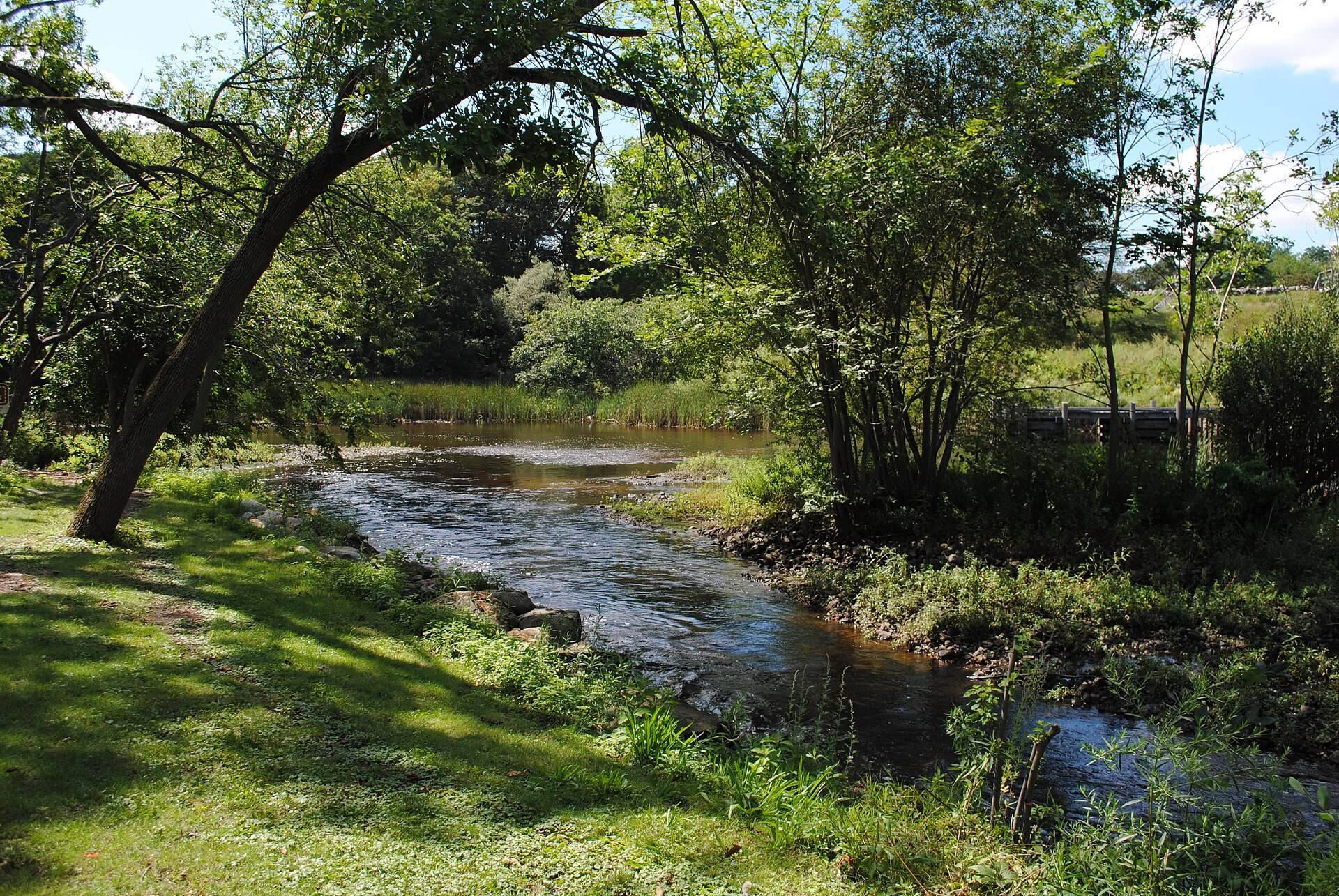
The approximately nine-acre property lies along the Saugus River, where shallow-draft vessels could navigate and a dam could provide water power. Nearby forests supplied charcoal, while wetland deposits supplied bog ore, iron-rich material formed in ponds, swamps, riverbeds, and bogs. Local limestone was unavailable, so gabbro from nearby Nahant was developed as a flux, a material that helps separate impurities during smelting.
Blast furnace
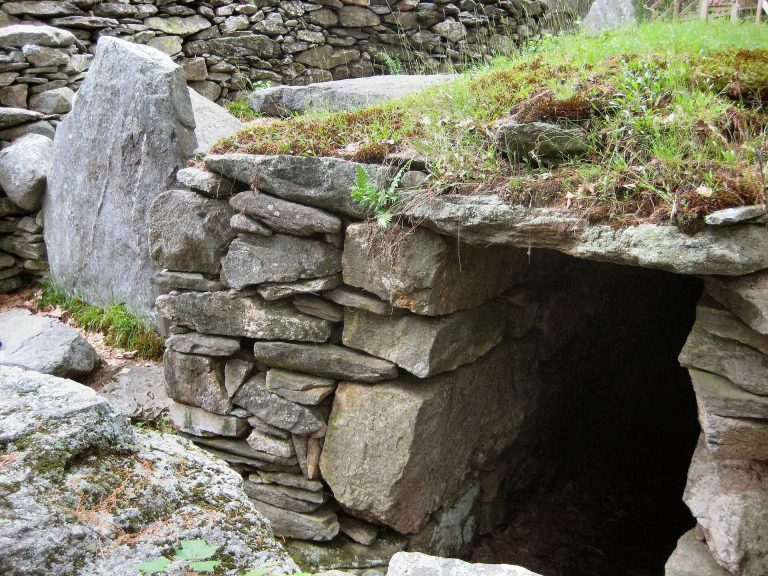
The reconstructed blast furnace smelted bog ore into pig iron, the initial cast iron product, and gray iron. Gray iron could be cast into firebacks, pots, pans, kettles, and skillets. Archaeological work exposed the furnace remains and its foundations, while the reconstruction places the furnace within the larger production system.
Forge and hammer
The forge refined pig iron through repeated heating and hammering to make wrought iron, a more workable form of the metal. Its 500-pound hammer produced merchant bars for blacksmiths. The excavated evidence includes the forge hammer, and the reconstructed complex also contains a quarter-ton trip hammer.
Rolling and slitting mill
The rolling and slitting mill used rollers and cutting equipment to produce flat iron stock and bars of controlled size. These products supplied material for nails, bolts, horseshoes, wagon tires, axes, saw blades, and other implements. The reconstructed works includes the mill, associated wooden gearing, and a shear.
Water power and wharf
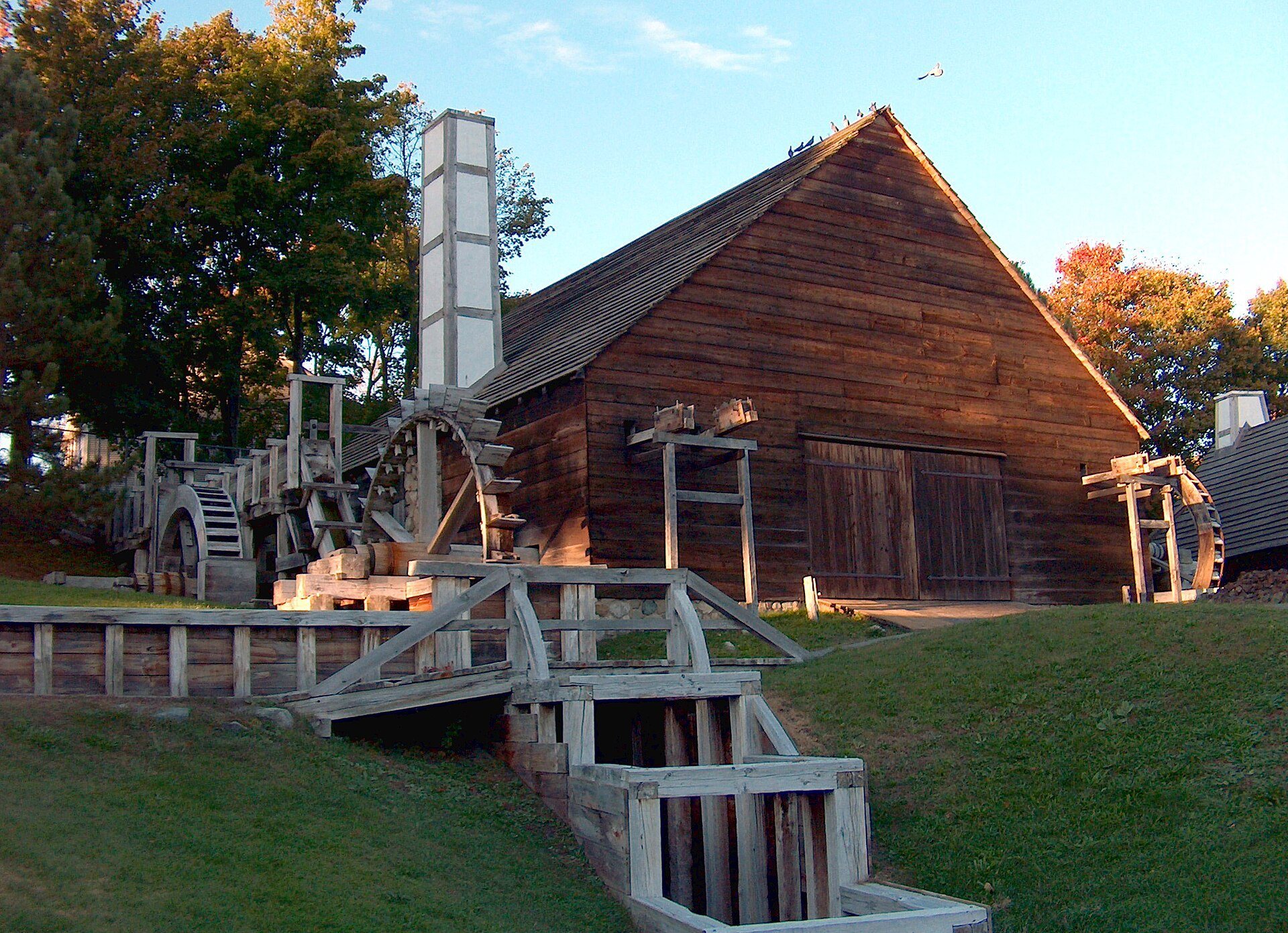
Seven large waterwheels power the reconstructed facility. Some operate in tandem through large wooden gears, and one drove the blast furnace bellows. Archaeological excavation revealed holding ponds, a canal, and a wheel pit, while one surviving waterwheel was preserved through a process developed by Harvard biologists. A wharf formed part of the complex for loading iron onto ocean-going vessels.
Appleton-Taylor-Mansfield House
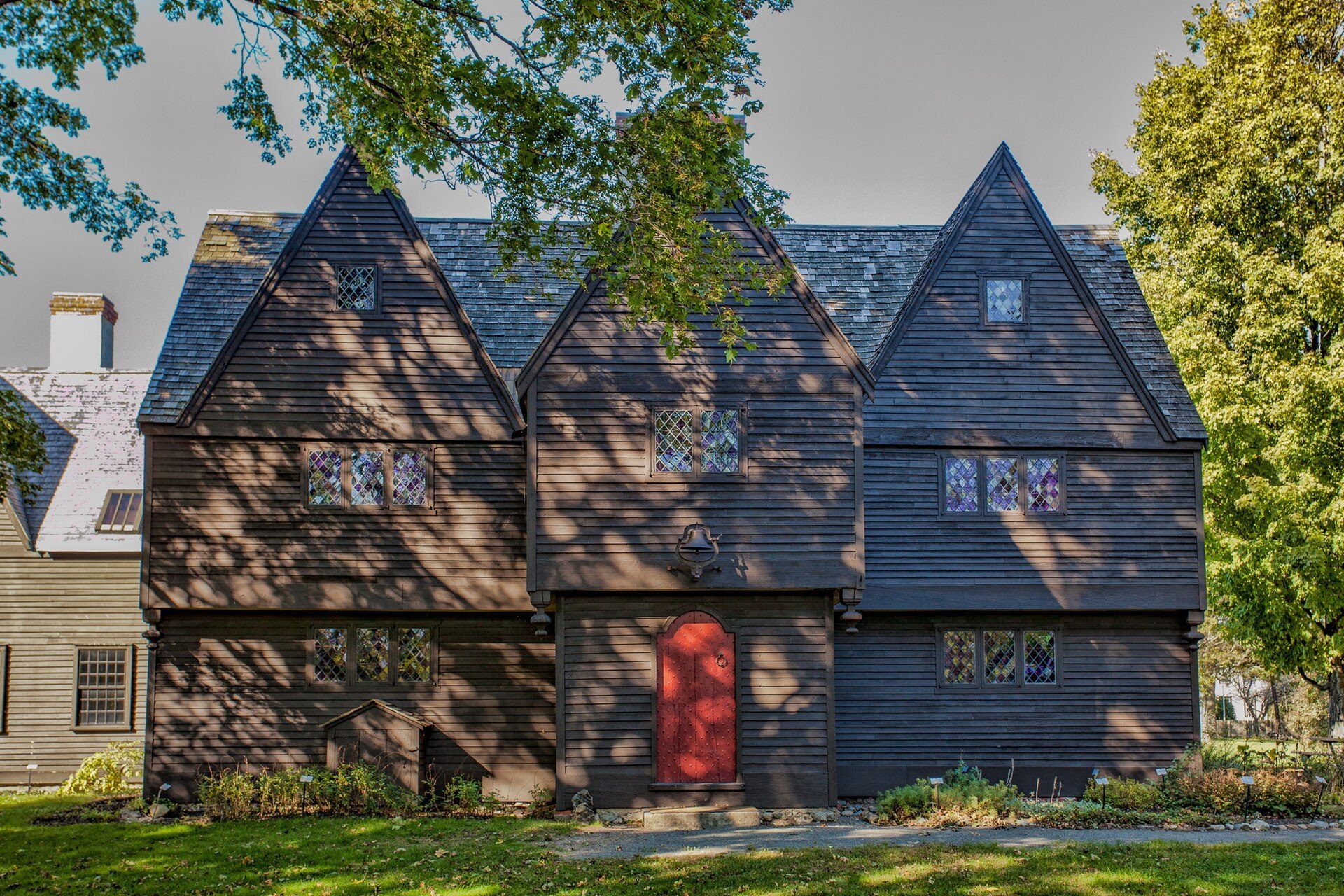
The Appleton-Taylor-Mansfield House is a restored seventeenth-century farmhouse near the industrial buildings. It was regarded as a possible residence of the ironmaster and was restored and renamed Broadhearth by Wallace Nutting. The house is identified as the oldest non-Indigenous house owned by the National Park Service.
Archaeological evidence and reconstruction
The 1954 reconstruction includes a residence, blast furnace, forge, rolling mill, wharf, shear, trip hammer, waterwheels, and wooden gearing. Its form draws on the excavated foundations, industrial remains, water-management features, furnace evidence, hammer, waterwheel, and more than 5,000 recovered artifacts, as well as historical documents. Some parts of the reconstructed complex are conjectural.