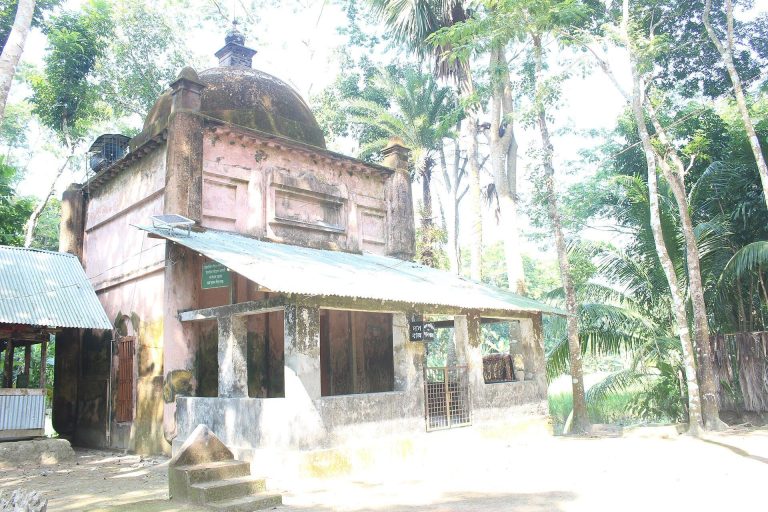
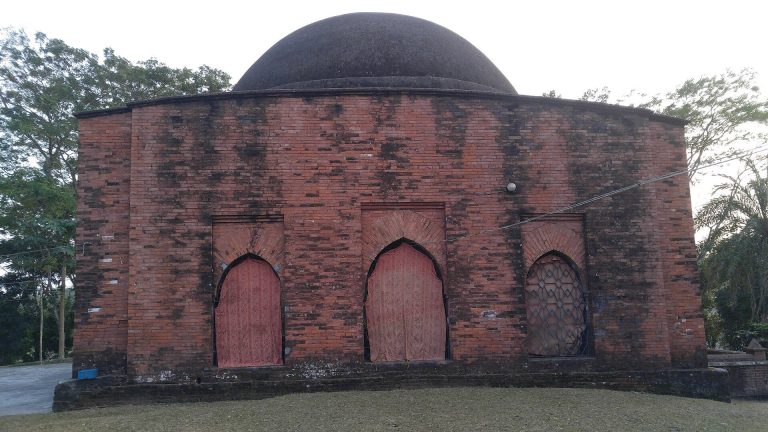
Kamalapur Mosque: A Historic Three-Domed Mosque in Bangladesh
Site at a Glance
- Rating
- 4.4
- Popularity
- Very Low
- Country
- Bangladesh
- Primary era
- Early Modern
- Eras represented
- Early Modern
- Civilizations
- Unclassified
- Site type
- Religious
- Remains
- Mosque
On this page4 sections
History
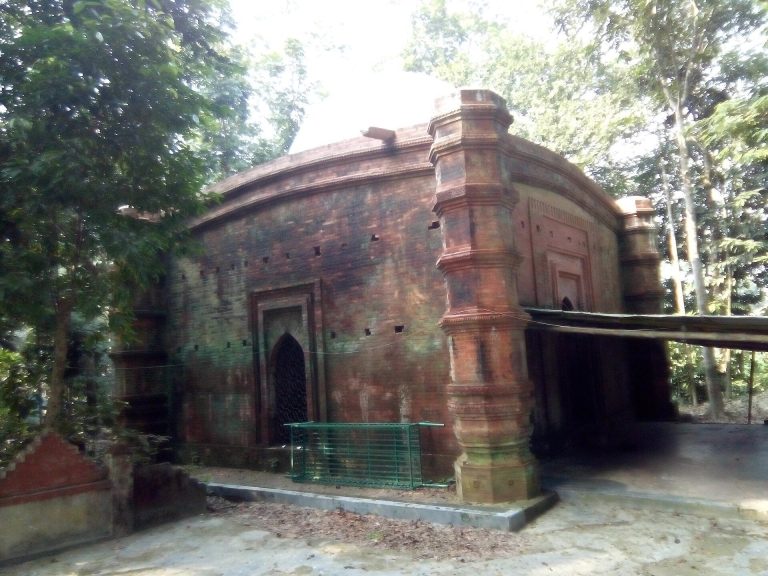
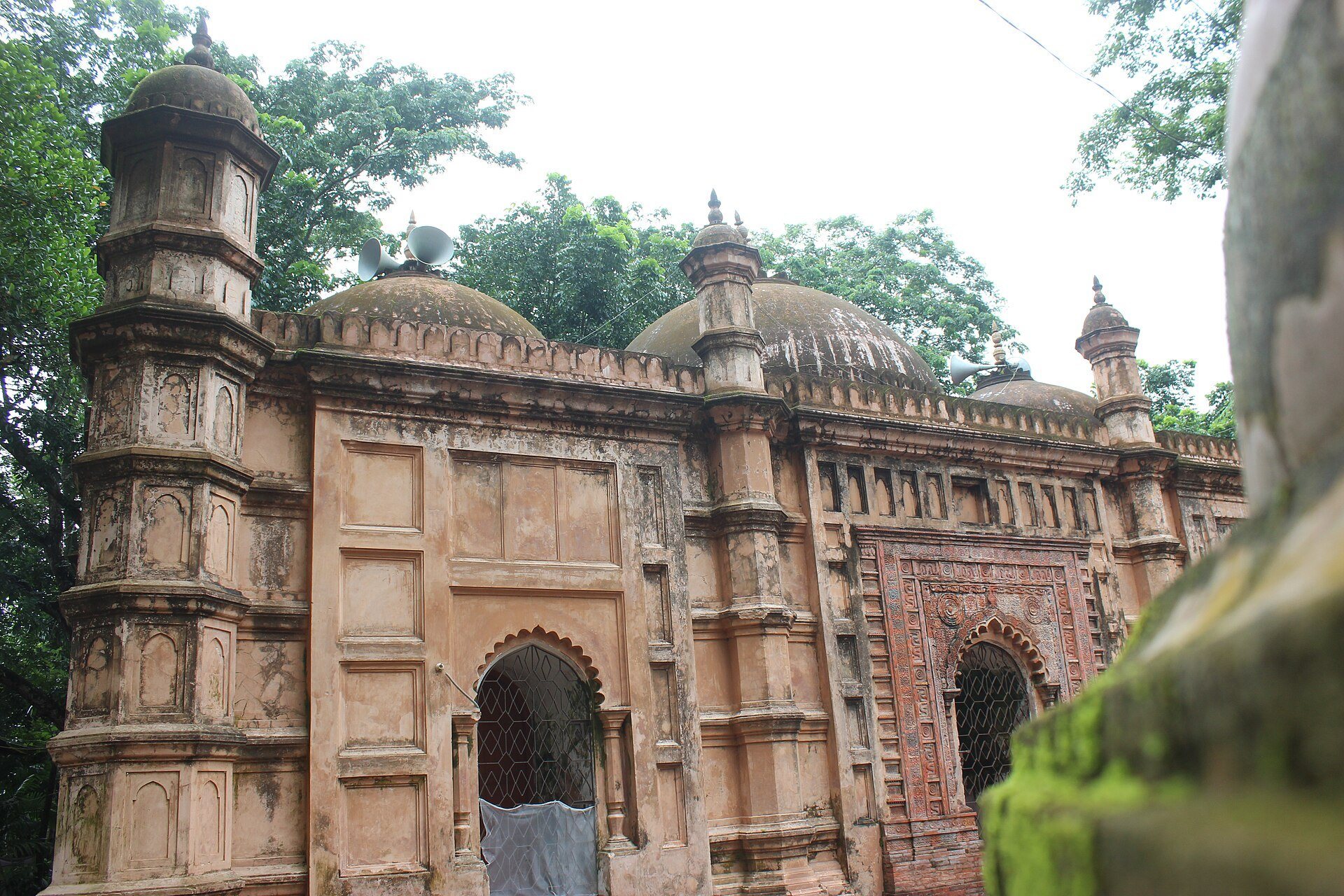
Kamalapur Mosque, also known as Masum Khan Mosque, is an Islamic mosque and archaeological site in Kamalapur village, Gournadi Upazila, Barisal District, Bangladesh. Its construction is traditionally attributed to the sixteenth-century zamindar Masum Khan, a landed revenue-collecting landholder, although its architectural form has also prompted a late-seventeenth-century date. The mosque’s exact construction date therefore remains uncertain.
Local information connects the building with Masum Khan, while an inscription that was formerly positioned above the main entrance has since been lost. The mosque has been protected as an archaeological monument by Bangladesh’s Department of Archaeology since 1975.
Remains
Plan and Construction
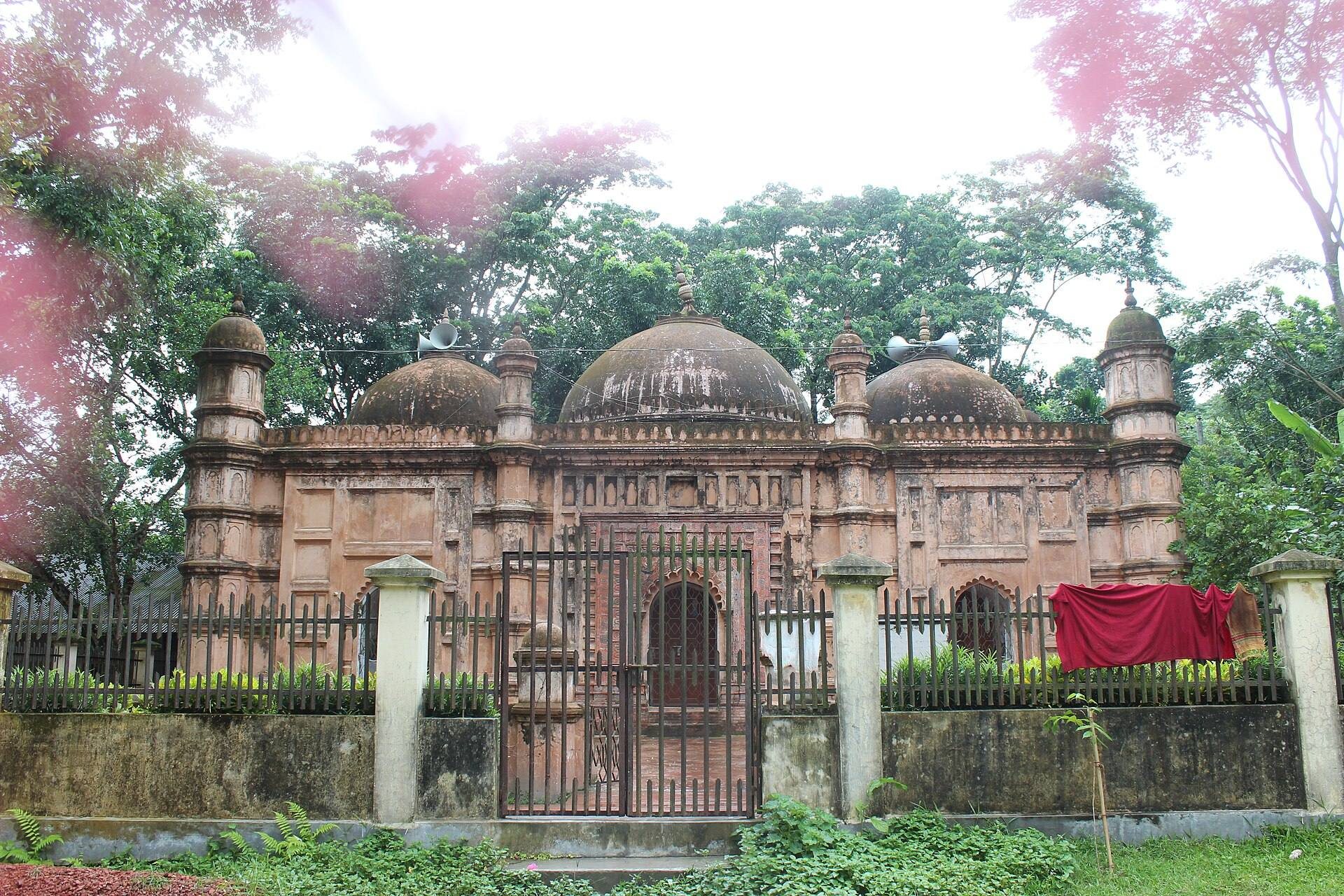
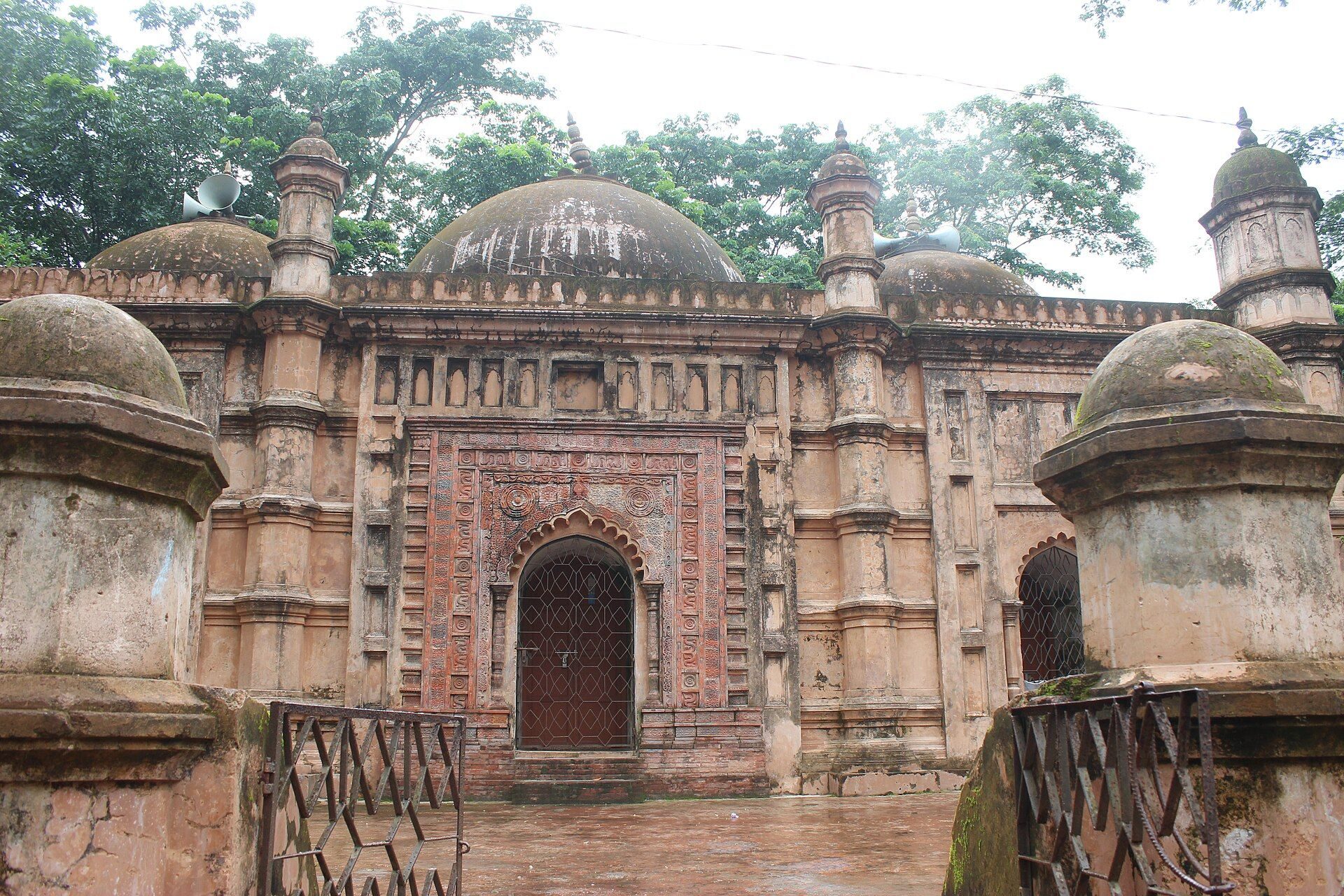
Kamalapur Mosque is a low brick building with a rectangular plan, measuring 17.22 metres from north to south and 8.08 metres from east to west. Its walls are 1.83 metres thick. Five arched entrances open into the building, with three on the east side and one each in the north and south walls. The central eastern entrance is larger than the others and receives particular architectural emphasis. Inside, arches divide the prayer space into three sections, each covered by a bulbous dome, producing the mosque’s three-domed form.
Prayer Features and Terracotta Decoration
The qibla wall, which faces the direction of prayer toward the Kaaba in Mecca, contains three semi-octagonal mihrabs, recessed features that indicate this direction. The central mihrab projects outward and is bordered by two small octagonal turrets. Terracotta, or fired clay, plaques surround the rectangular entrance areas. Their decoration includes twisted floral patterns, rosettes, latticework, and other motifs associated with Sultanate-style architecture, a tradition linked to the Muslim sultanates that ruled parts of South Asia before Mughal dominance.