Sonari Stupas: An Ancient Buddhist Relic Complex in Madhya Pradesh
Site at a Glance
- Rating
- 4.7
- Popularity
- Very Low
- Country
- India
- Primary era
- Classical
- Eras represented
- Classical
- Civilizations
- Unclassified
- Site type
- Religious
- Remains
- Stupa
On this page7 sections
History
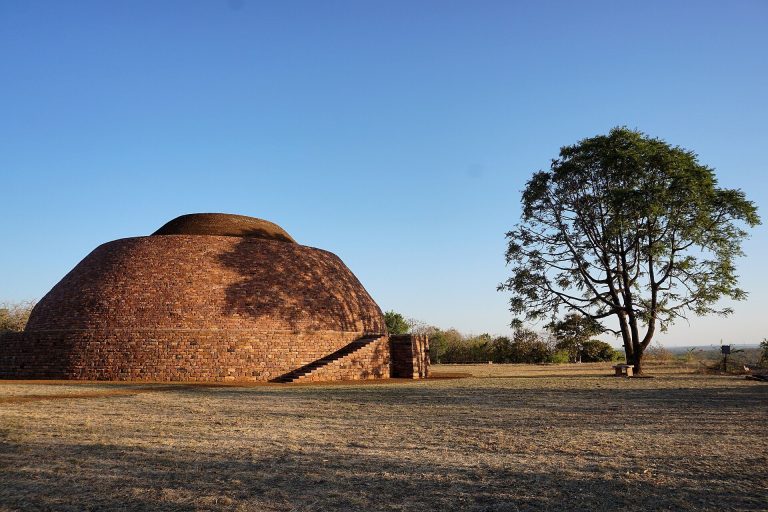
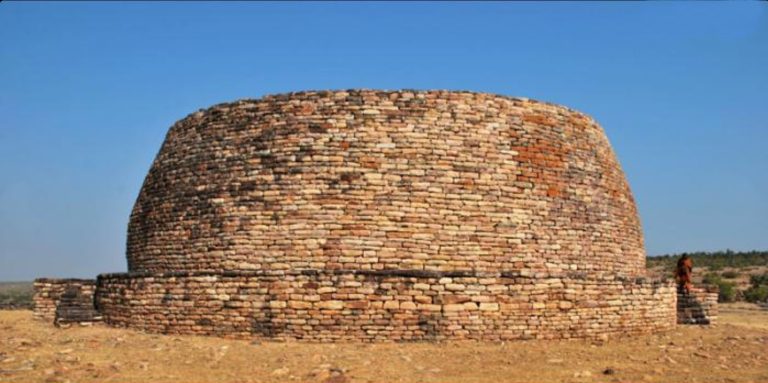
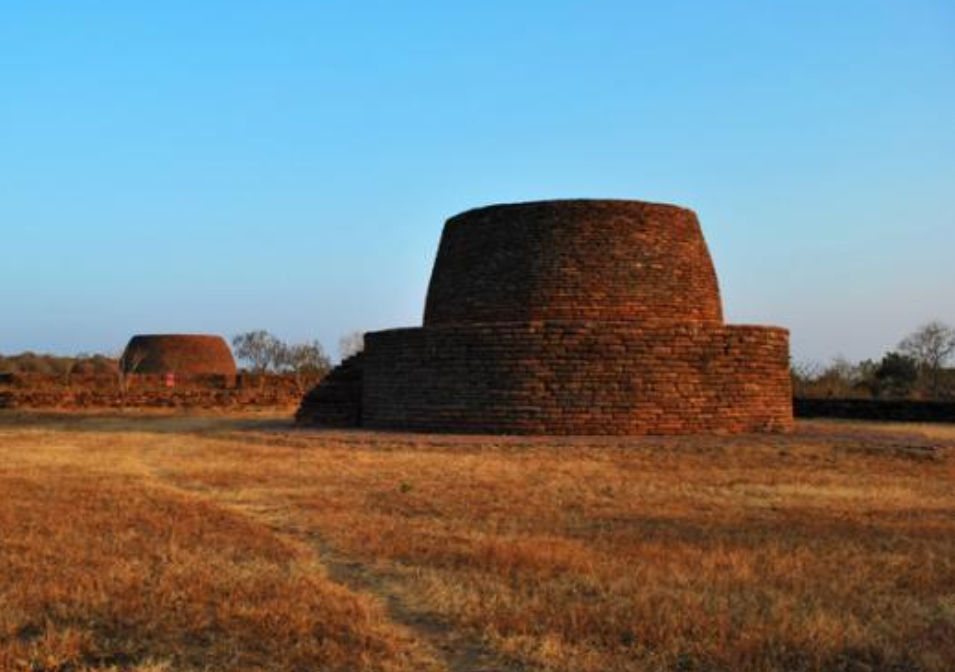
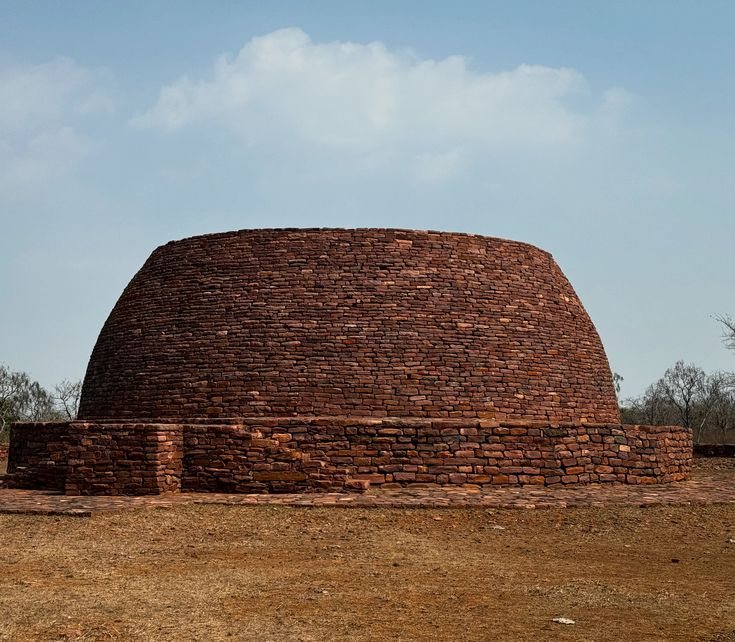
Sonari Stupas is an ancient Buddhist monastic complex on a hill near Sunari in Madhya Pradesh, India, about 10 kilometres southwest of Sanchi. Its stupas, Buddhist monuments associated with relics and devotional practice, include Stupas 1 and 2, which date to approximately 125–100 BCE. The site formed part of a wider group of Buddhist stupa complexes surrounding Sanchi.
Relic Worship and the Stupa Complexes around Sanchi
The preservation and veneration of Buddhist relics continued after the Buddha’s death. During the reign of Ashoka, the Mauryan emperor who ruled approximately from 268 to 233 BCE and supported Buddhism, stupas were built throughout the empire as relic mounds associated with important places in the Buddha’s life. The container from Sonari may have been buried around 200 BCE.
Sonari belonged to a cluster of stupa sites located within roughly 20 kilometres of Sanchi. Bhojpur and Andher lay to the southeast, Sonari to the southwest, and Satdhara to the west. Saru Maru was farther south, approximately 100 kilometres away. The dates of Sonari Stupas 1 and 2 are based on their presumed contemporaneity with Sanchi Stupa No. 2.
Excavation and Inscribed Relics
Alexander Cunningham excavated the Sonari stupas around 1850 and found two relic boxes. He and F. C. Maisey excavated Stupas 1 and 2 more specifically in 1851. Cunningham published the discoveries in The Bhilsa Topes in 1854.
Inscriptions in Brahmi, an early Indian writing system, appear on the reliquary from Stupa No. 2. They name the Buddhist monks Kasapagota, Majjhima, Kosikiputa, Gotiputa, and Apagira. The same names occur on reliquaries from Sanchi Stupa No. 2 and the Andher stupas, indicating that the monks’ ashes were divided among the three complexes.
Remains
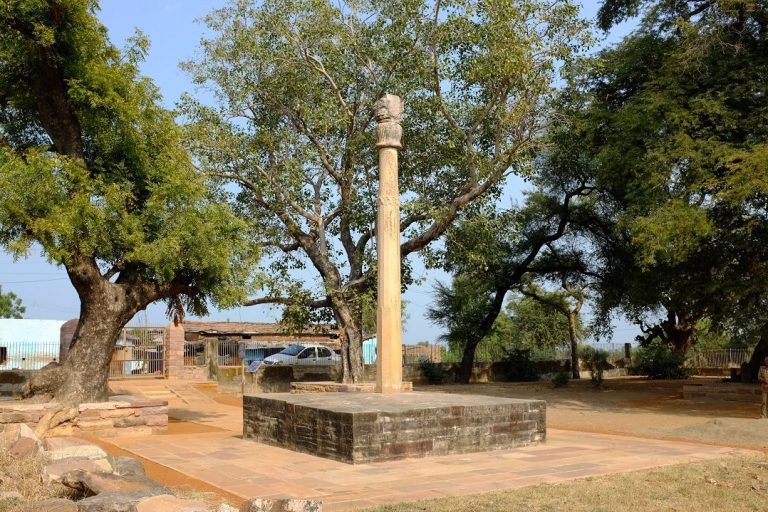
The site contains multiple Buddhist stupas arranged as a larger complex, including Stupas 1 and 2 and several smaller monuments. Plans survive for the stupa group and for the excavation of Stupa No. 1. The surviving evidence includes carved stone reliquaries, relic deposits, and a decorated pillar associated with the first stupa.
Stupas and Their Relic Deposits
Stupa No. 1
Stupa No. 1 contained a miniature reliquary made from steatite, a soft stone suitable for carving. A decorated pillar is also associated with the monument. Together, these remains show the stupa’s connection with the preservation of Buddhist relics and devotional objects.
Stupa No. 2
Stupa No. 2 contained three miniature reliquaries, two of steatite and one of rock crystal. The deposit also held bone ash and a piece of wood. Its principal reliquary is shaped like a lotus bud. Incised petals cover the lower half, while the container’s turned body carries carved bands of lotus petals on the shoulder and lower section.
The upper part of the principal reliquary is divided into eight rectangular compartments. Each contains an elephant, horse, deer, or winged lion, motifs characteristic of the Mauryan period. One of the Sonari reliquaries, including a highly decorated example, is now held at the Victoria and Albert Museum.