Chankillo: An Ancient Astronomical Complex in Peru
Site at a Glance
- Rating
- 4.8
- Popularity
- Very Low
- Country
- Peru
- Primary era
- Classical
- Eras represented
- Classical
- Civilizations
- Unclassified
- Site type
- Religious
- Remains
- Sanctuary
On this page6 sections
History
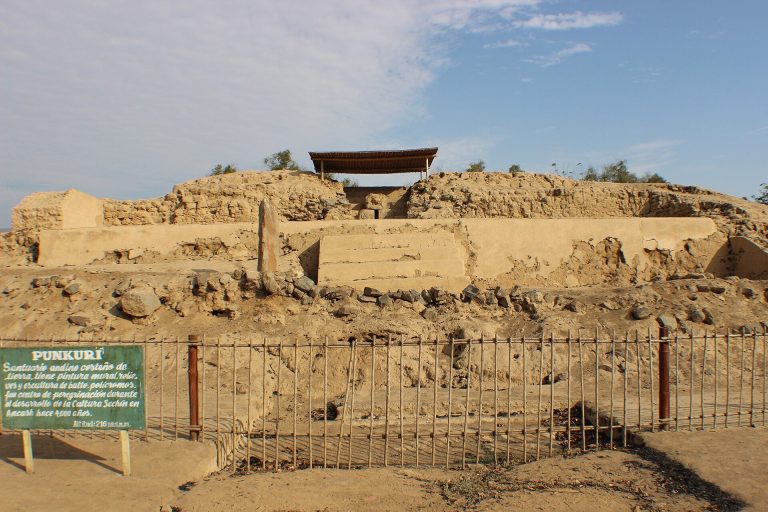
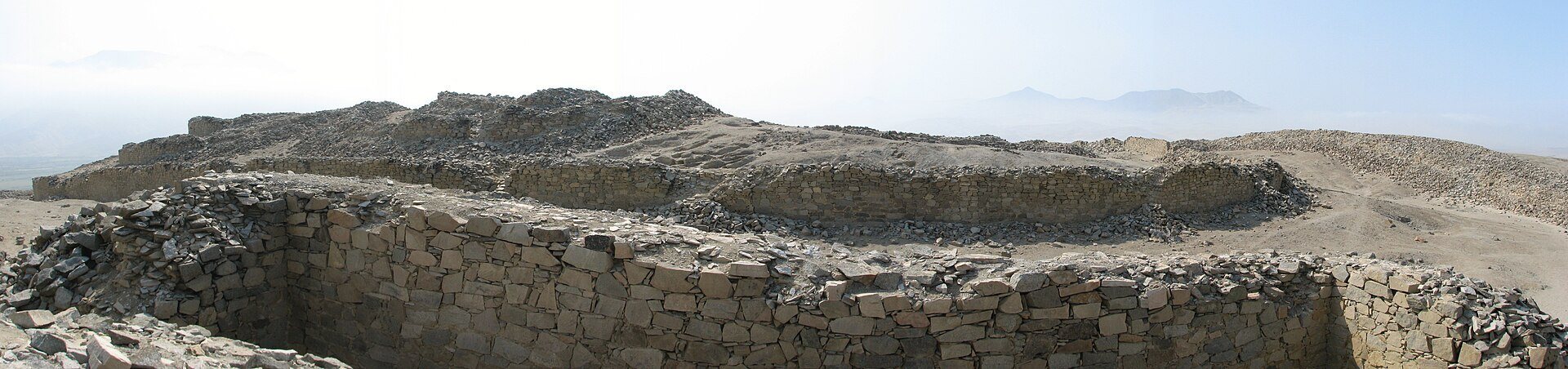
Chankillo is an ancient monumental complex in the Casma–Sechin basin of coastal Peru, produced by the Casma–Sechin culture in the third or fourth century BC. Its construction date remains uncertain. The complex has been interpreted as a fortified sanctuary or temple and included a hilltop fortress, the Thirteen Towers, residential areas, and gathering spaces.
The Casma–Sechin complex
The Casma–Sechin culture, also called the Sechin Complex, was a pre-Columbian tradition of Peru’s coastal region associated with monumental architecture. Chankillo formed part of this tradition, combining defensive, ceremonial, residential, and communal elements within a coastal-desert setting.
Recognition of the towers
The Thirteen Towers were known to travelers for approximately two centuries. Their possible astronomical purpose was suggested in the 1940s by the Norwegian explorer Thor Heyerdahl and identified more fully in 2007 by archaeologists Iván Ghezzi and Clive Ruggles. The towers may constitute the earliest known astronomical observatory in the Americas. Chankillo was inscribed on the UNESCO World Heritage List in July 2021 as the Chankillo Archaeoastronomical Complex. The site is managed by the Unidad Ejecutora Chankillo and owned by Peru’s Ministry of Culture.
Remains
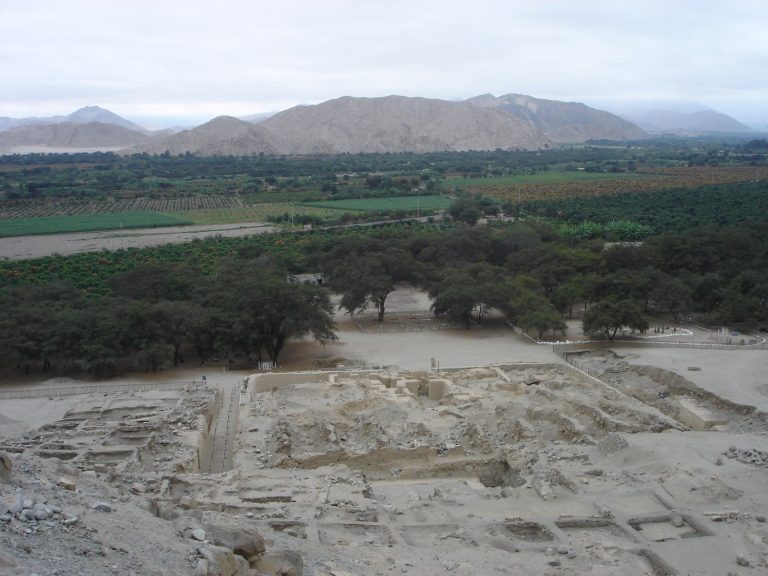
The complex covers approximately 4 square kilometres in the Casma–Sechin basin. Its principal components occupy and surround a low hill, with the fortress near the Thirteen Towers and residential and gathering areas forming other parts of the settlement. The towers create a carefully arranged horizon feature within this larger monumental landscape.
Fortress and associated areas
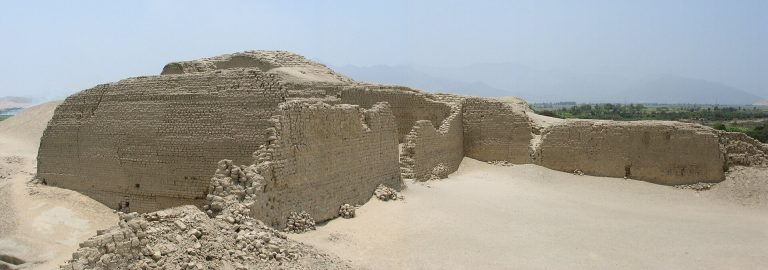
The hilltop Chankillo fortress stands near the Thirteen Towers and forms one of the complex’s principal remains. Residential areas and gathering spaces make up other components of the site, reflecting the combination of defensive, ceremonial, domestic, and communal functions associated with the complex.
The Thirteen Towers
The thirteen regularly spaced towers were built along the crest of a low hill that runs approximately north–south. Together they form a toothed horizon, with narrow and regularly spaced gaps between the towers. The line extends for approximately 300 metres and was positioned to correspond closely with the sun’s changing rising and setting positions during the year.
Investigators identified two possible observation points, one east and one west of the towers. From these positions, the inhabitants may have been able to determine the date with an error of no more than one or two days by observing sunrise or sunset, although not all the towers are visible from every position. At the winter solstice, one of the two annual points when the sun reaches its northernmost or southernmost apparent position, the sun rises behind the leftmost tower. During the following six months, the sunrise position moves behind successive towers until it reaches the rightmost tower at the summer solstice. This arrangement marks the passage of time and exemplifies archaeoastronomy, the study of how past societies observed and incorporated astronomical phenomena into architecture and cultural practices.