Tulor: An Agro-Pottery Village in Northern Chile
Site at a Glance
- Rating
- 4.4
- Popularity
- Low
- Country
- Chile
- Primary era
- Classical
- Eras represented
- Classical
- Civilizations
- Unclassified
- Site type
- City
On this page6 sections
History
Tulor is an ancient settled village complex of the Agro-Pottery period near San Pedro de Atacama in northern Chile. Built during the fourth century BCE, it reflects a transition toward agriculture, pottery production, and a more settled way of life while retaining elements of an older pastoral tradition. The settlement was abandoned in the fifth century CE and is considered one of the oldest known sedentary archaeological sites in northern Chile.
Settlement and regional exchange
Tulor’s economy combined farming supported by the San Pedro River with herding. At the time, the river’s waters discharged naturally near the settlement. This change toward more productive and permanent settlement contributed to social differences within the community. Llama caravans connected Tulor with the Altiplano, the Puna, the Atacama Desert, and the Pacific coast, linking it to wider systems of exchange.
Near the beginning of the Christian era, Tulor may have served as a regional center for the movement and exchange of goods. Its position also made it an intermediary between cultures of the central and southern Andes. Pacific shell beads, Vaquerías-style pottery, and other materials reflect these connections. The settlement’s architecture has been compared with communities associated with the Wankarani tradition, Guatacondo, Caserones, Potrero Grande, and Campo Colorado.
Occupation, abandonment, and investigation
Polished black pottery fragments indicate occupation as late as the fifth century CE. This was the period when cultural influences from the Tiwanaku state, a major pre-Columbian polity centered near Lake Titicaca, spread into parts of the Andes, including northern Chile. Tulor’s later history was shaped by approximately two thousand years of climatic change, as advancing dunes, rain, wind, and human activity affected the settlement’s preservation.
The first remains were found in 1956 by the Jesuit Gustavo Le Paige. Stratigraphic investigations, which establish relative chronology through the sequence of archaeological layers, took place in June 1974, and archaeologist Ana Maria Barón continued excavations in 1980. Tulor was later named by the World Monuments Watch, an international heritage-conservation program, among the world’s 100 most endangered archaeological sites. It also became Chile’s first cultural heritage property whose management was transferred to an Indigenous organization. The Coyo Atacameño community received Chile’s National Monuments Conservation Award in 2002 for work carried out with the Coyo Indigenous Community, the National Forestry Corporation, the Council of National Monuments, and the National Indigenous Development Corporation.
Remains
Settlement layout and architecture
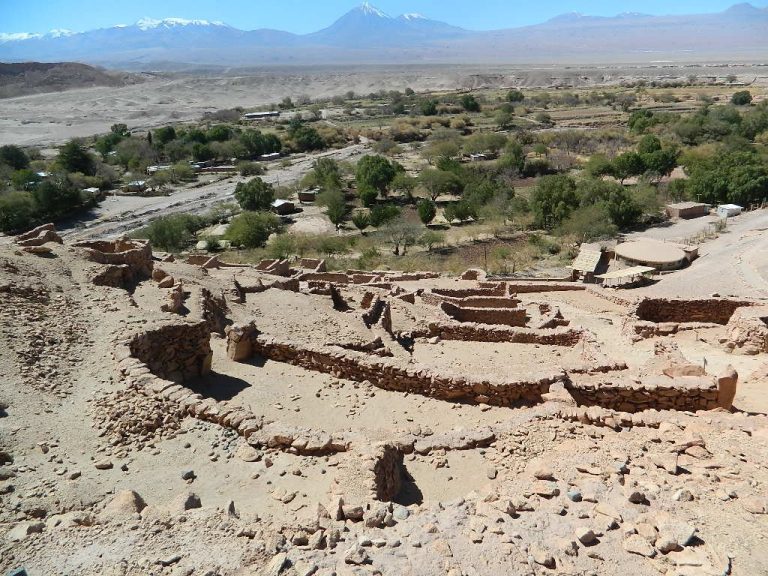
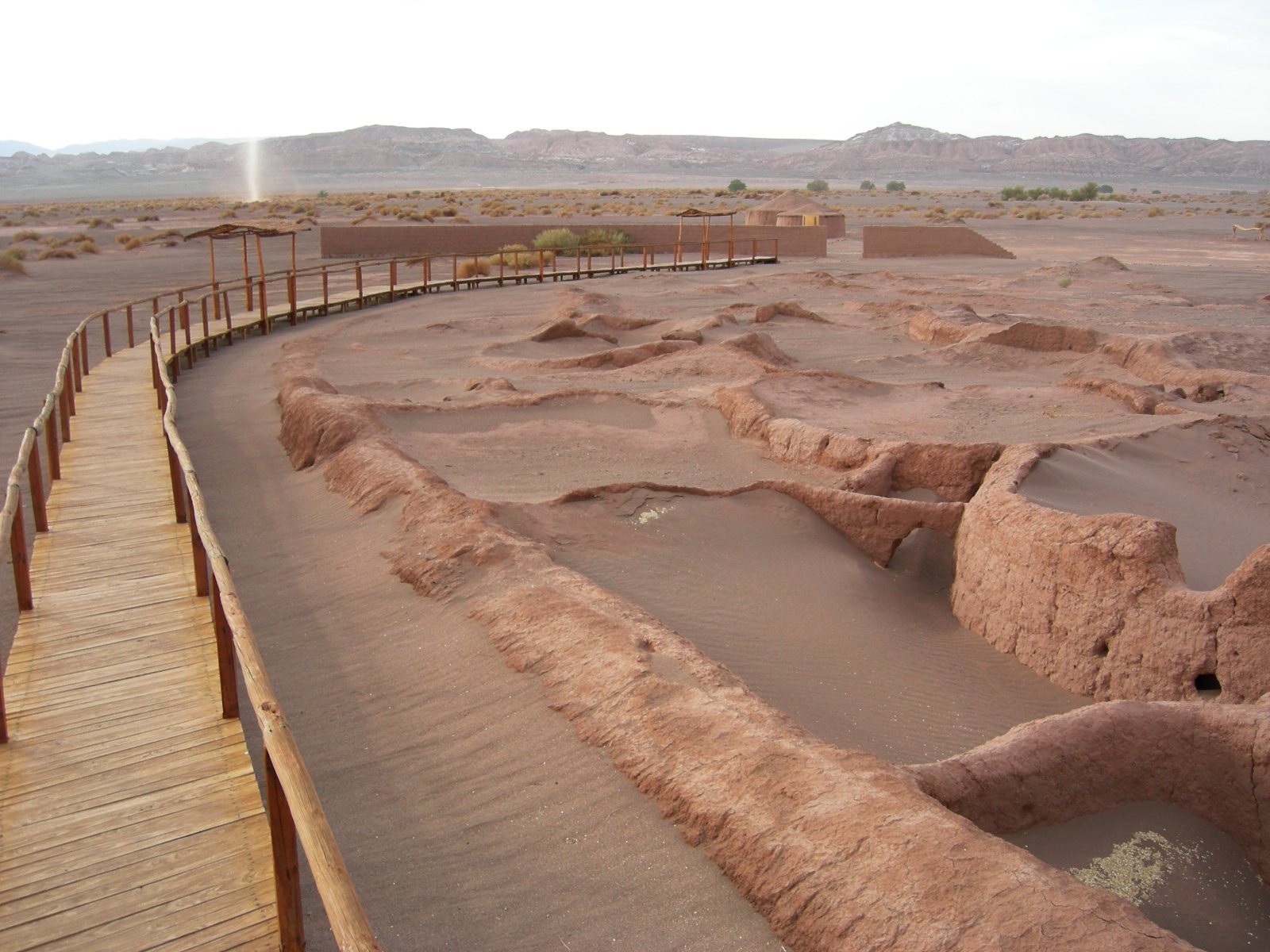
Tulor lies about 7.7 kilometres southwest of San Pedro de Atacama, between the Cordillera de la Sal and advancing sand dunes, near the San Pedro River and between the Tulor and Coyo ayllus. An ayllu is an Andean local community or social organization. The settlement covers approximately 5,200 square metres, while its remains extend for about 2 kilometres along an east-west alignment and include 22 outlying buildings.
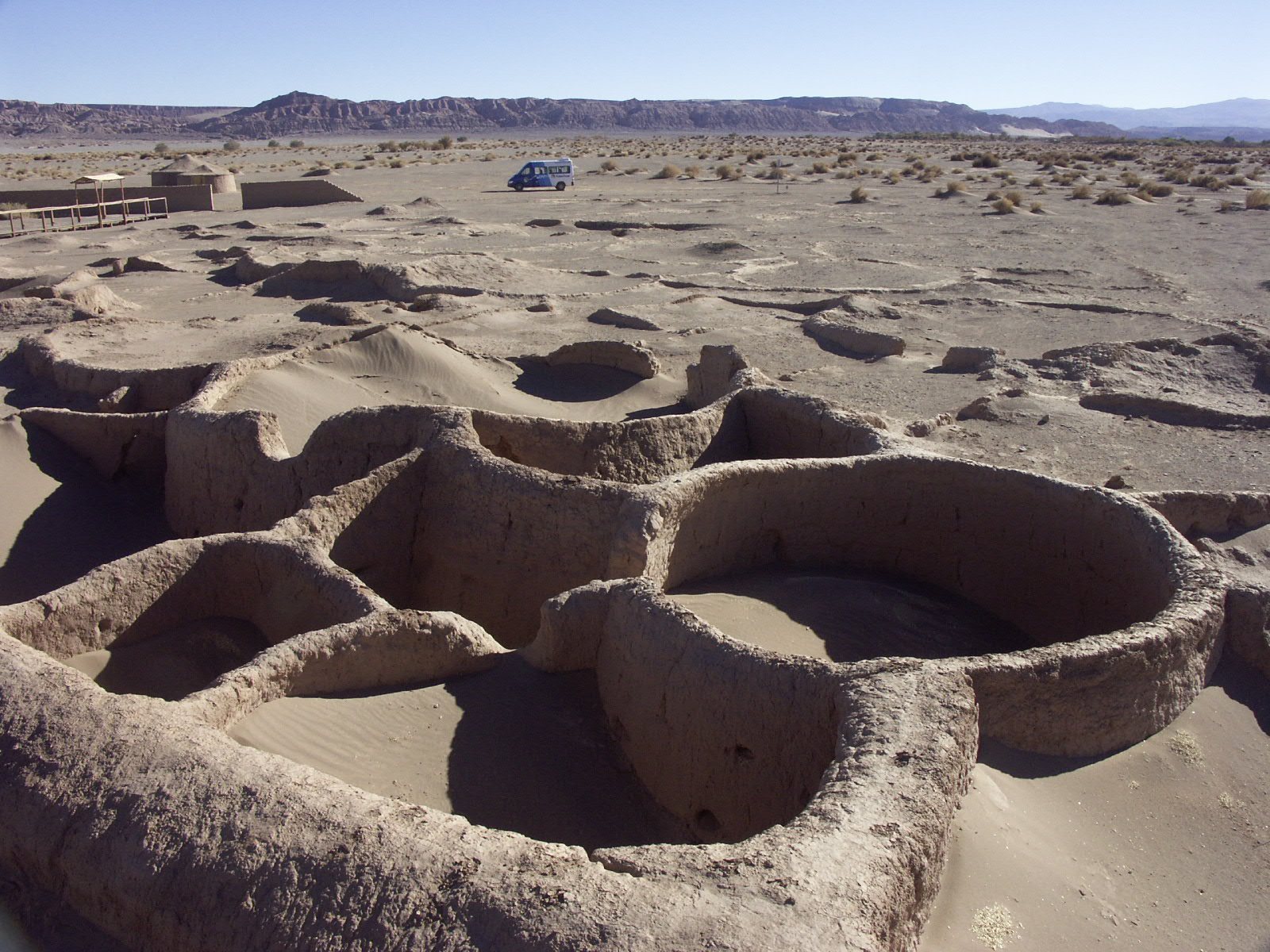
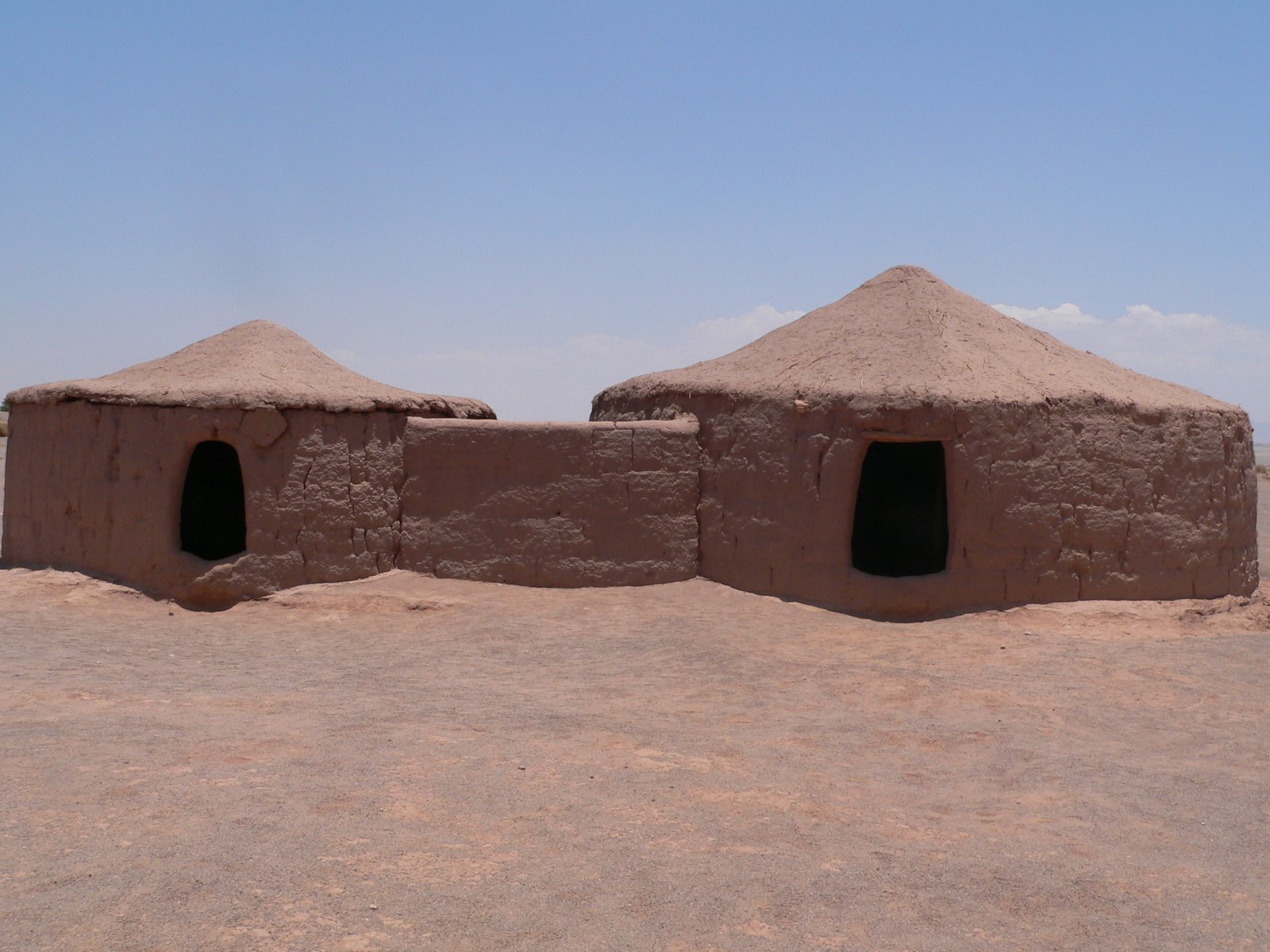
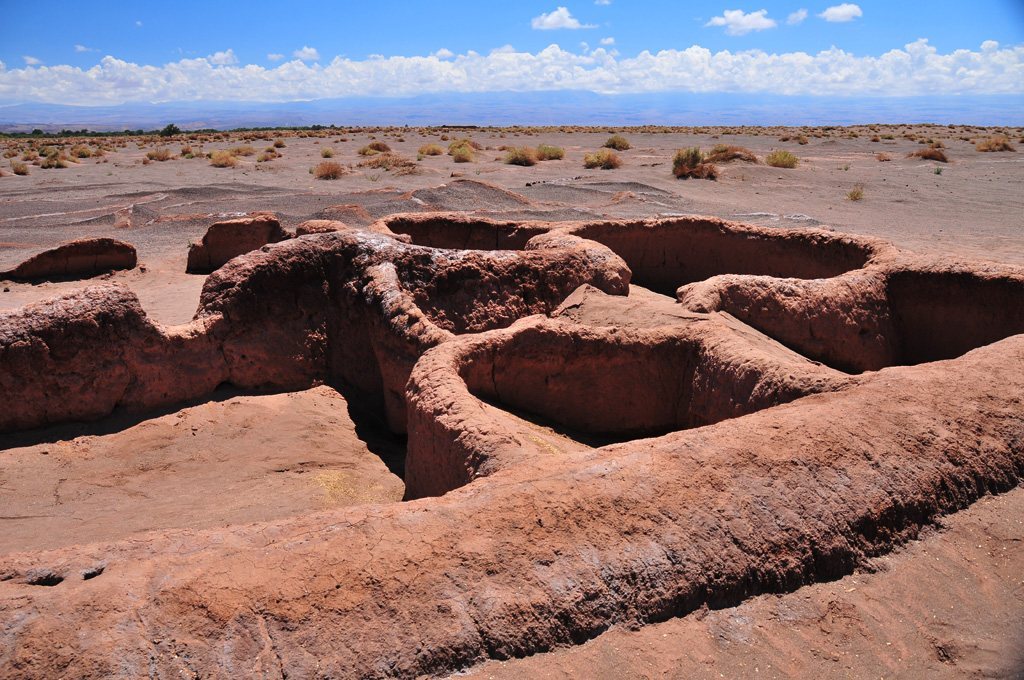
The settlement is formed by interconnected circular structures with different functions associated with daily activities. Circular mud walls and vaults define its architecture. Archaeological work also identified circular clay structures dug into the ground to obtain water. Their positions within the sequence of archaeological layers were studied in relation to the disappearance of the former population. Advancing sand dunes and other environmental forces have contributed to the present condition of the remains.
Archaeological materials
Excavated remains include stone tools and other lithic materials, human and animal bones, ceramics, charcoal and other carbon remains, seashells, and numerous beads made from Pacific shells. Clay, wood, bone, leather, and textiles are represented among the finds, revealing the range of materials used at the settlement and its links with other communities.
The pottery includes vessels associated with everyday food preparation and the transport of liquids. Common forms were made in coarse or smoothed gray-polished fabrics, while polished black ceramic fragments were also recovered. Vaquerías-style intrusive ceramics occur among the remains and provide evidence of interaction with other populations of the central and southern Andes.