Saru Maru Caves and Stupas: An Ancient Buddhist Monastic Site in India
Site at a Glance
- Rating
- 4.4
- Popularity
- Very Low
- Country
- India
- Primary era
- Classical
- Eras represented
- Classical
- Civilizations
- Mauryan
- Site type
- Religious
- Remains
- Monastery
On this page8 sections
History
Saru Maru caves and stupas is an ancient Buddhist monastic complex near Pangoraria village in Madhya Pradesh, India. Located about 120 kilometres south of Sanchi, the site includes caves used by Buddhist monks and stupas on the hill of Saru Maru. Its historical importance comes especially from two inscriptions in the main cave that associate the complex with Ashoka, the Mauryan ruler of the Indian subcontinent.
Ashoka’s visit
One inscription is a version, or portion, of Minor Rock Edict No. 1, a short royal message carved on a rock surface. The other commemorates a visit by Ashoka before his consecration, when he was still a ruling prince and living with an unwedded consort. It refers to him by the honorific name Piyadasi and states that he came to the place on a pleasure tour.
The inscription places Ashoka at the Buddhist monastic complex while he was serving as a prince and viceroy of the region, with his residence at Vidisha. Buddhist tradition identifies his wife as Vidishadevi, but the inscription itself describes her only as his unwedded consort and does not give her name.
The site is under the control of the Archaeological Survey of India.
Remains
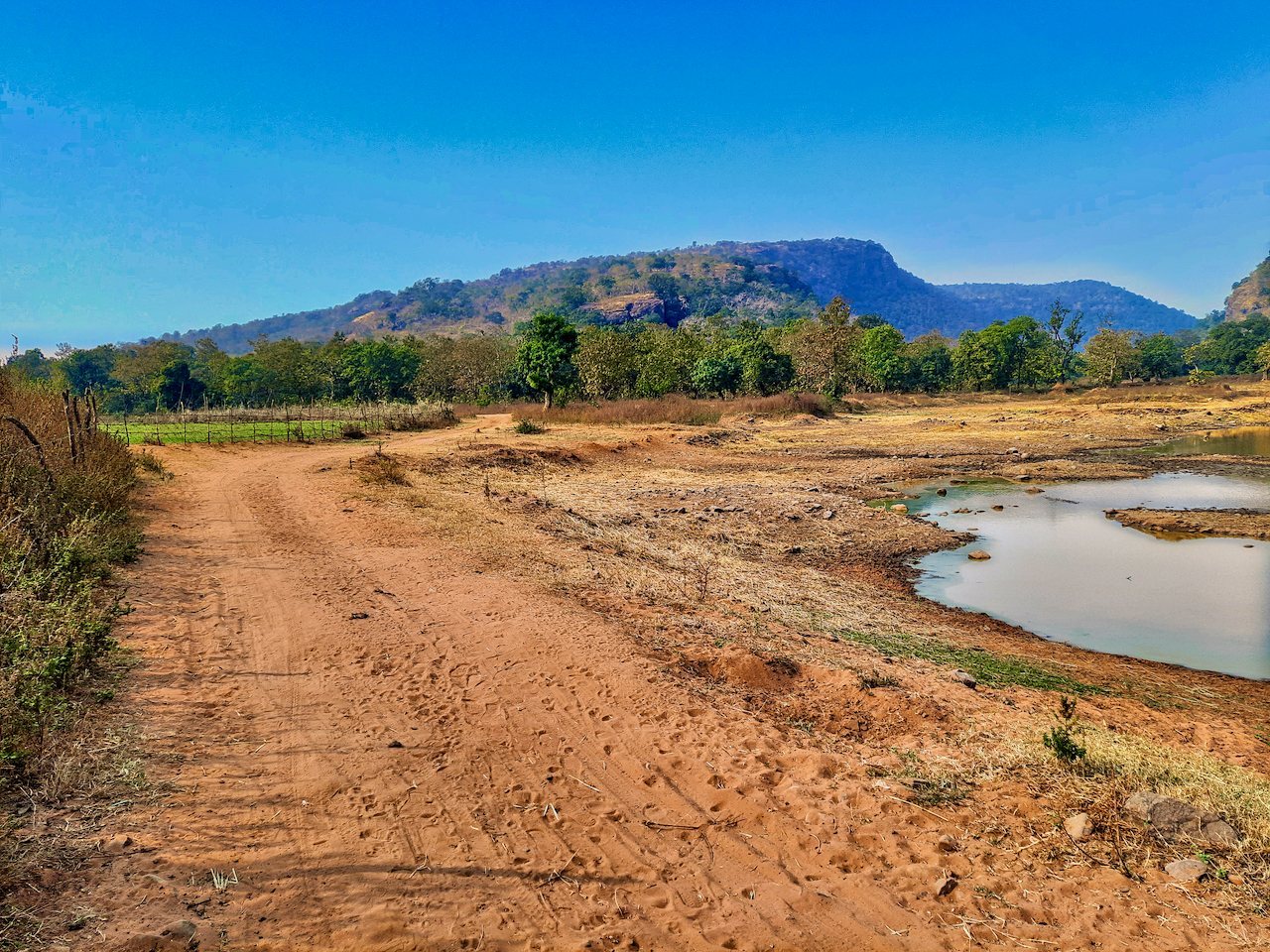
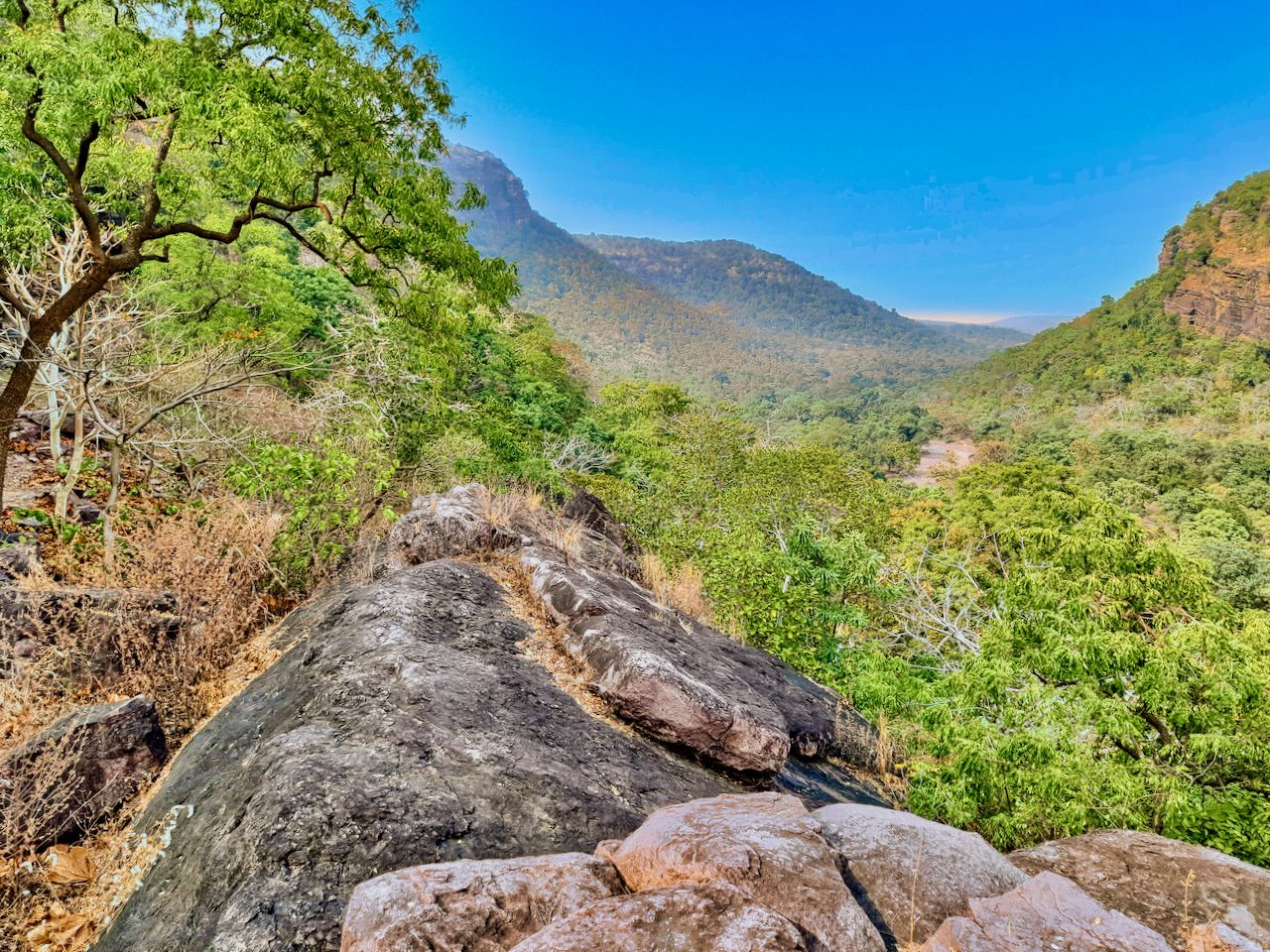
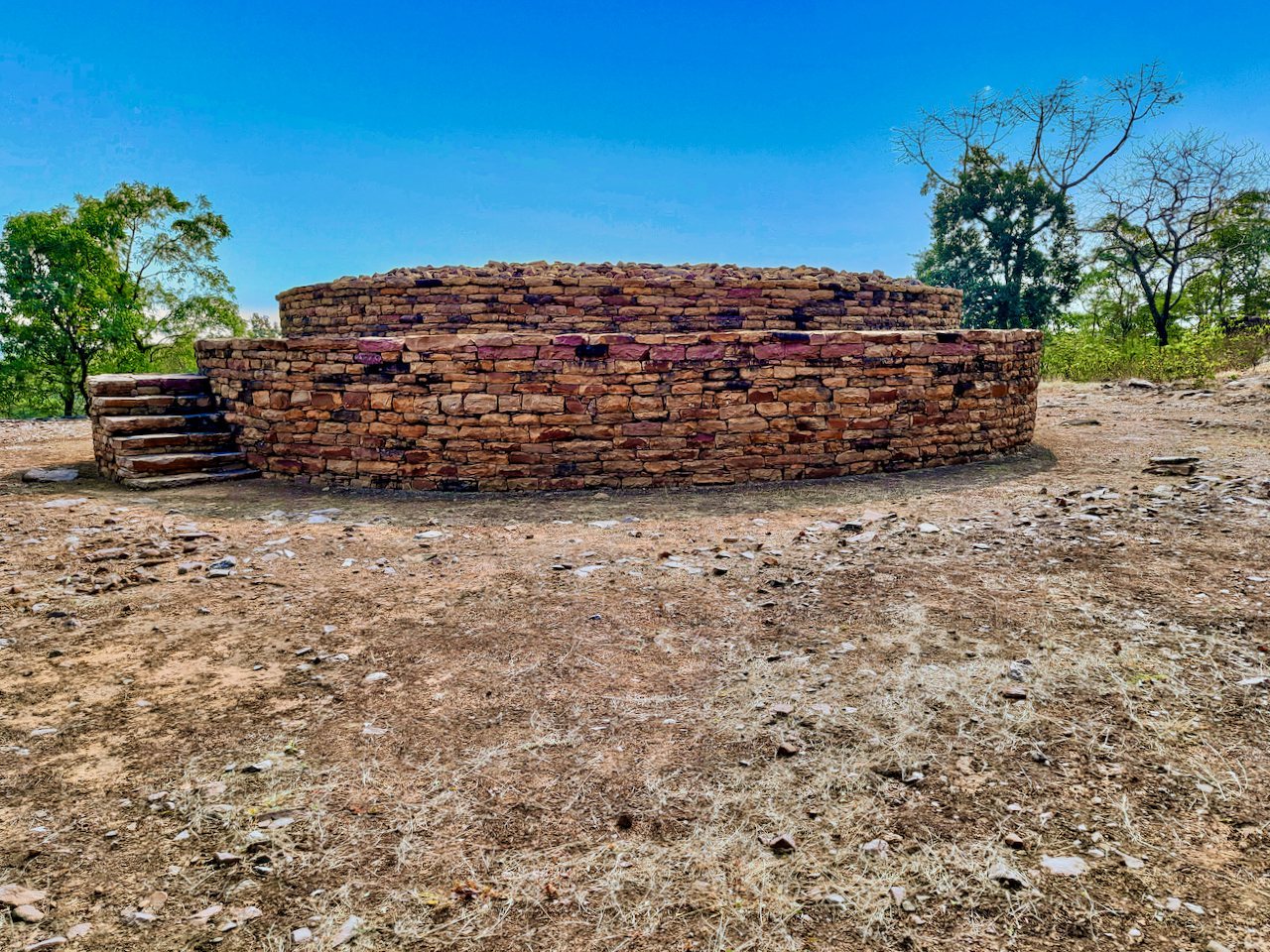
Saru Maru occupies the hill of Saru Maru and combines natural caves with a group of stupas, including a great stupa and smaller examples. The caves provided residential spaces for Buddhist monks, while the inscriptions, symbols, and monuments together reflect the religious use of the complex.
Monastic caves and religious markings
Natural caves
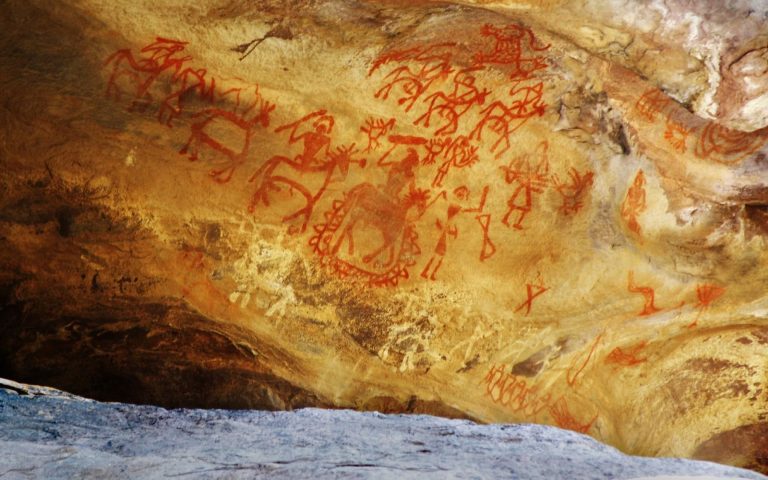
The natural caves served as residences for Buddhist monks. Their walls contain Buddhist graffiti and symbols, including swastikas, triratnas, and kalasas. The triratna, or Three Jewels, represents the Buddha, the Buddhist teaching, and the monastic community. The kalasa is a ceremonial pot or vase motif.
Main cave inscriptions
The main cave contains two inscriptions associated with Ashoka. One presents the Minor Rock Edict No. 1, while the other preserves the account of Piyadasi’s visit as a ruling prince living with his unwedded consort. Together, they connect the cave directly with the early history of the Buddhist complex.
Stupas on Saru Maru hill
Great and smaller stupas
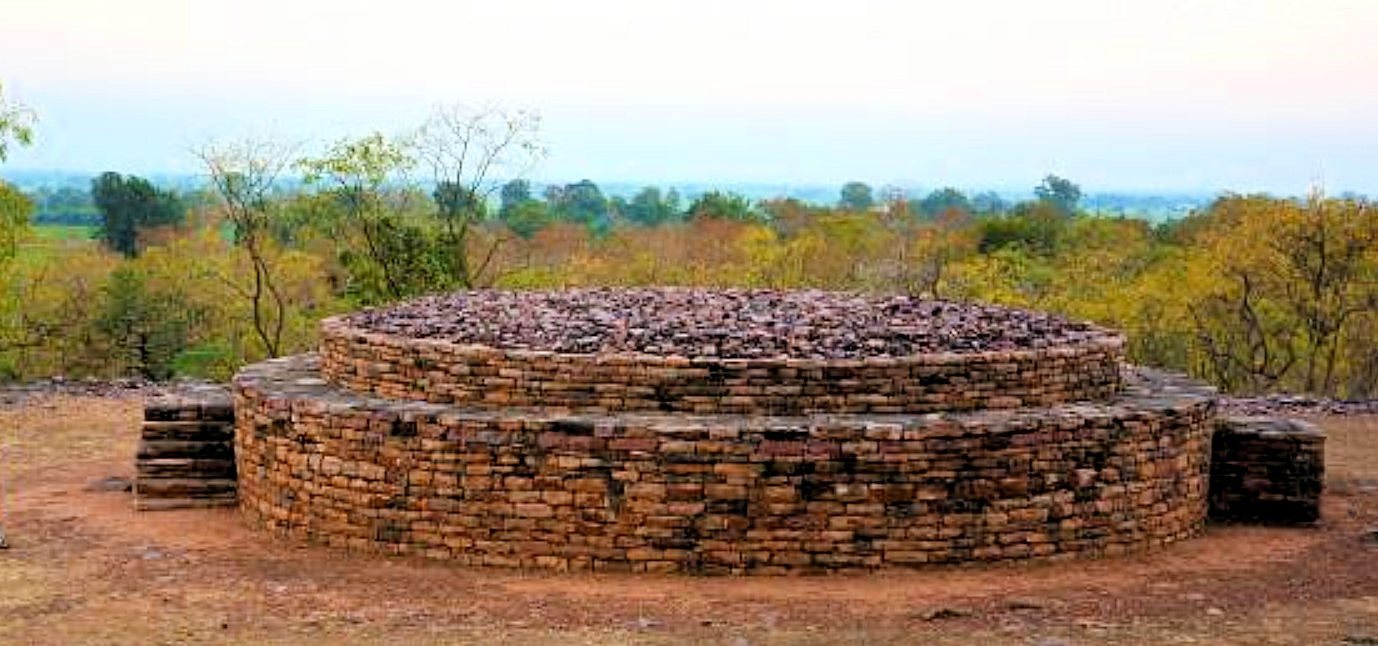
Numerous stupas stand on the hill, including a great stupa and smaller stupas. These monuments form the principal group of surviving structures alongside the monastic caves and help define the physical character of the site.