Ancient Greek Sites in Lebanon: Explore Tyre’s Causeway and Ancient City
The Greek and Hellenistic collection in Lebanon centres on Tyre, a Phoenician city transformed by Alexander’s siege and subsequently governed by Hellenistic kingdoms. Its connection with the Macedonian world is visible most clearly in the relationship between the former island and the mainland. The major excavated monuments largely belong to later periods of the city’s long occupation.
Primary Function: All
Type: All
Civilization: All
Popularity: All
Rating: All
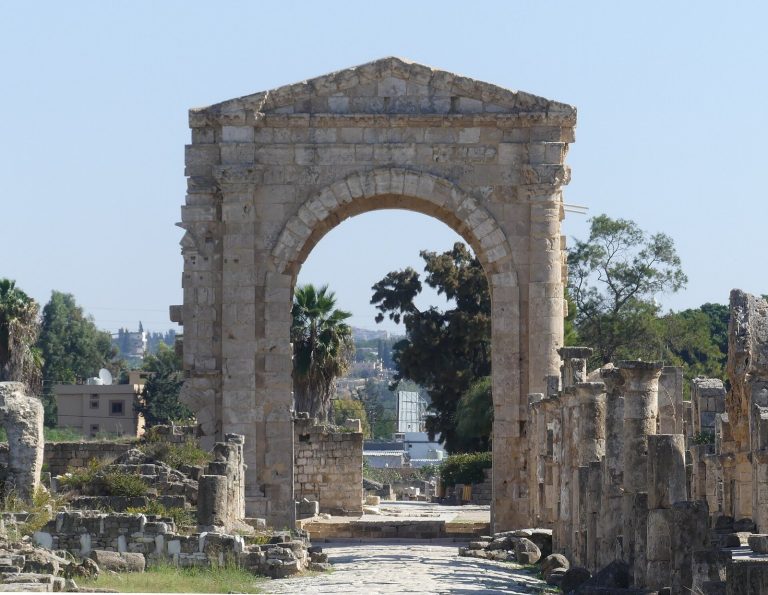
Tyre preserves the remains of an ancient Phoenician port, its Roman and Byzantine urban districts, and the Al-Bass necropolis. The site reflects…
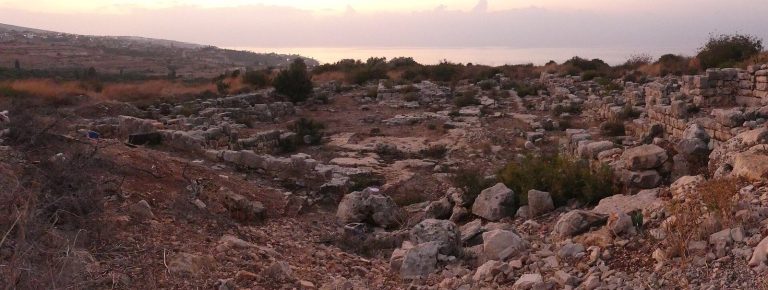
Near Naqoura, Umm al-Amad preserves two temple complexes and evidence of a Phoenician religious center active chiefly during the Hellenistic period.
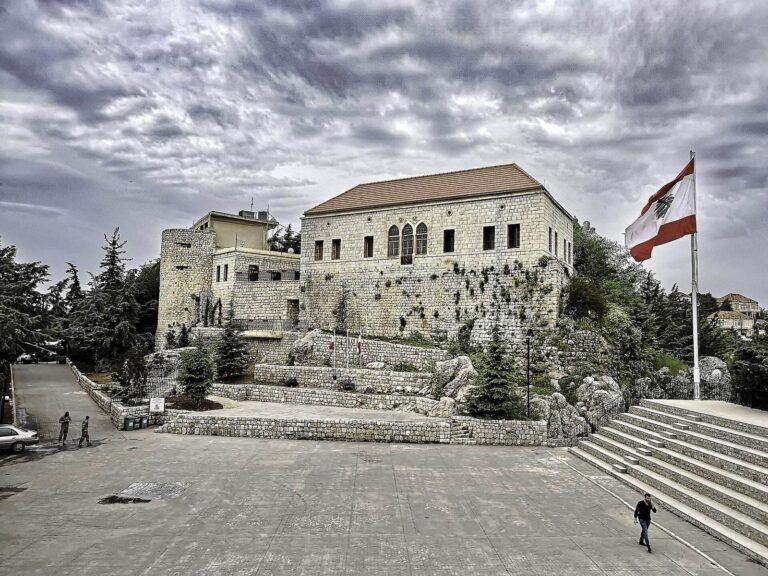
Rashaya Citadel developed around a medieval tower and later held Lebanese leaders arrested in 1943, in an episode connected to the country’s…
For details on how to use the maps, which sites are included, how popularity and ratings are determined, and how sites are classified, see the help page.
Tyre: the island joined to the mainland
Tyre originally had an island settlement separated from the coast. During the siege of 332 BC, Alexander’s army built a causeway across the shallow water to reach its defences. That intervention permanently changed the development of the shoreline.
Sediment accumulated around the connection, gradually broadening it into the land joining the former island to the mainland. The modern promontory therefore preserves the geographical consequence of the siege, even though the ancient causeway is buried within a much larger area of accumulated ground. It should be understood through the shape and development of the coast, rather than imagined as an exposed Macedonian road.
The former island’s harbours and waterfront formed the maritime setting of the city before and after the conquest. Their structures were repeatedly altered as Tyre continued under Hellenistic, Roman and later rule.
The excavated city and its later building phases
Within the archaeological remains, the building often called the Rectangular Arena or Square Building has been associated with a Hellenistic origin. Its surviving arrangement, with seating around an enclosed space, principally reflects rebuilding in the fourth century AD. Its original function remains debated, so the architectural form is firmer evidence than a definite identification as an arena or council house.
Other extensive remains, including colonnaded streets, baths and the mainland hippodrome, belong chiefly to Roman Tyre. These structures establish the scale of the later city and help locate its public spaces, but they should not be dated to Alexander’s conquest.
Tyre’s earlier connection with the Greek and Macedonian world is consequently strongest in its transformed coastal setting and the sequence of occupation beneath the later monuments. The individual site article brings those phases together with the city’s Phoenician origins and subsequent development.
Explore the collection
Explore sites on the map or in the grid. Map icons reflect each site’s primary function, helping you identify different kinds of places at a glance. Narrow the results by primary function, site type or era. Use the Civilization filter to select among the Greek and Hellenistic groups included here, with additional filters for popularity and rating. Select a map marker to view the site’s details and open its article, or open the article from its grid entry.