Aga Khan Palace: A Gandhi Memorial in Pune, India
Site at a Glance
- Rating
- 4.5
- Popularity
- Medium
- Country
- India
- Primary era
- Modern
- Eras represented
- Modern
- Civilizations
- British
- Site type
- Domestic
- Remains
- Elite Residence
On this page10 sections
History
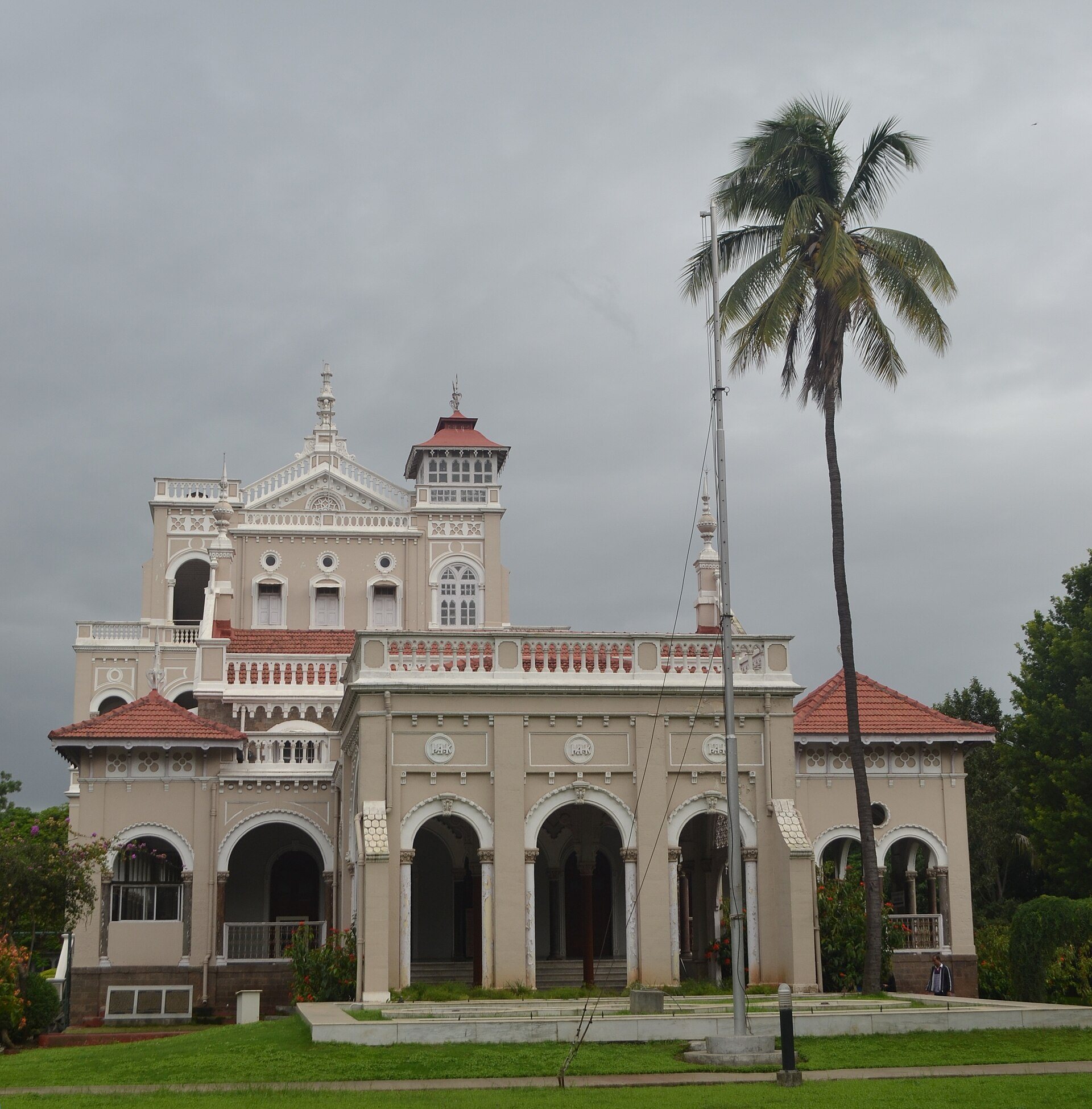
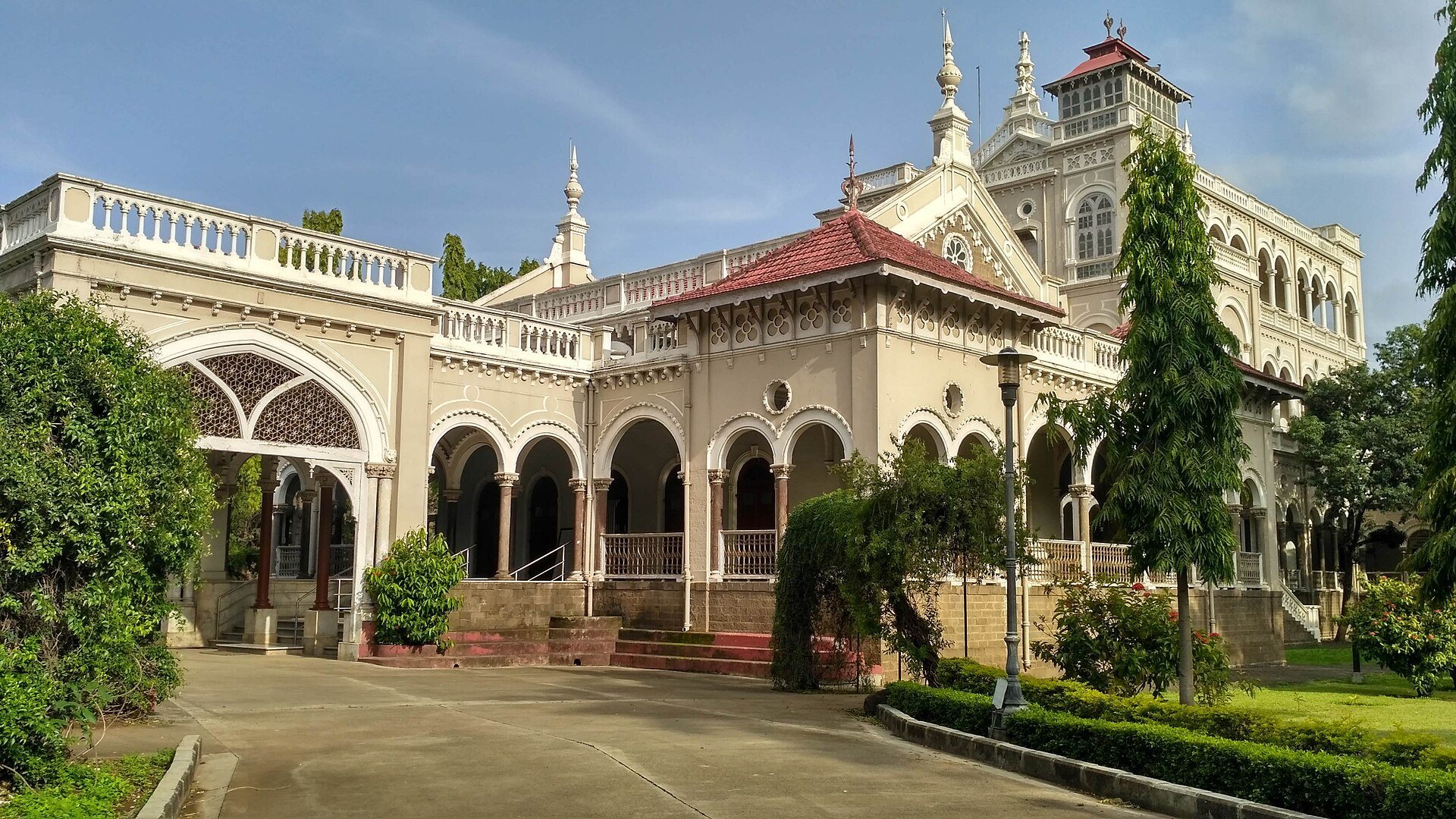
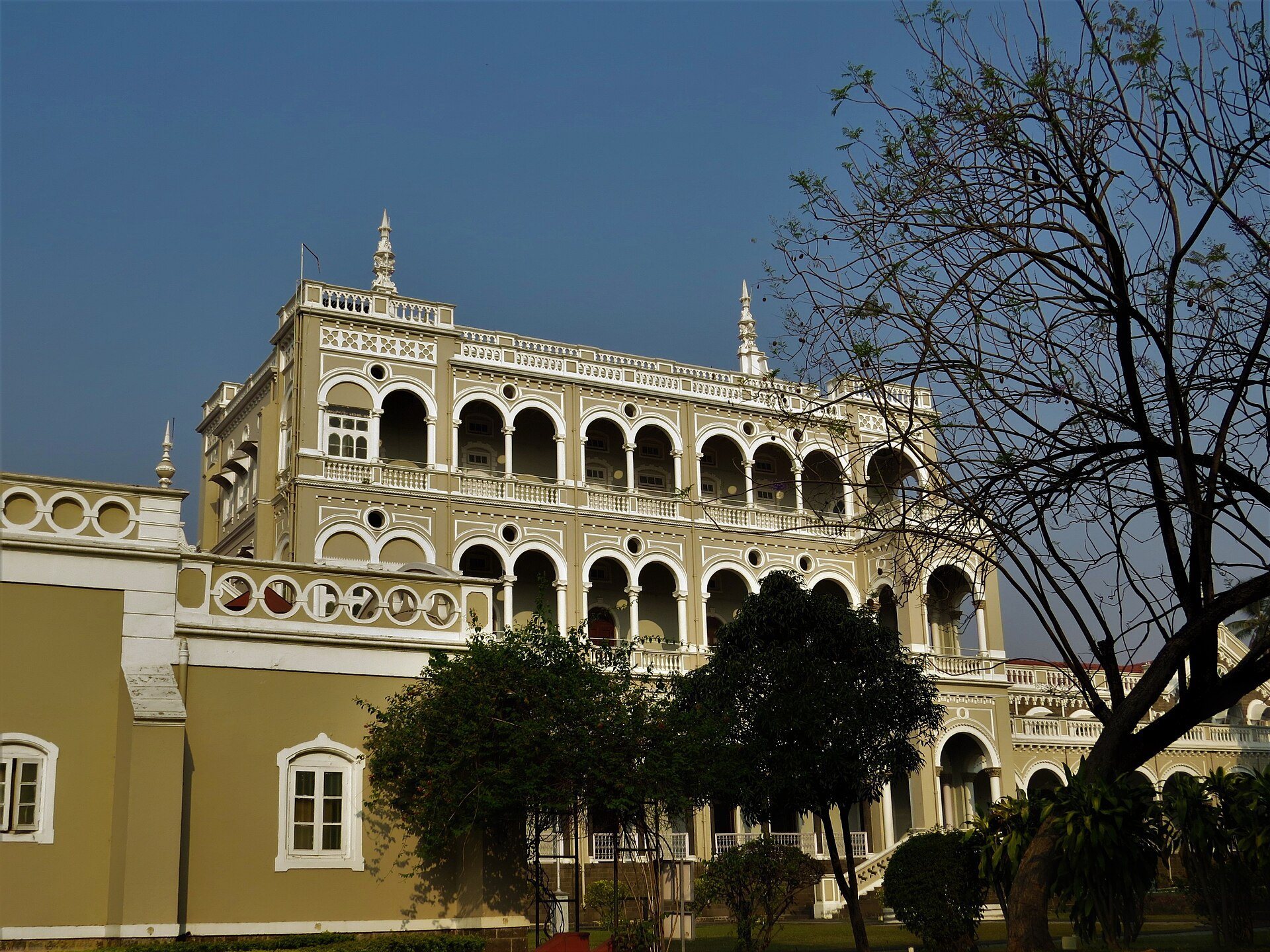
Aga Khan Palace is a historic palace in India near Pune, built in 1892 by Sultan Muhammed Shah Aga Khan III in the Indo-Saracenic style. Aga Khan III, the spiritual leader of the Nizari Ismaili Muslim community, conceived the project as charitable employment for impoverished villagers affected by famine. Construction continued for five years and employed a large workforce.
Construction and Early Use
The palace was never Aga Khan III’s official residence, although it hosted various activities and visits by members of the royal family. It was later ceded by the Aga Khan to the British Raj, the system of British colonial rule in India, for wartime use.
Internment During the Quit India Movement
The palace became closely associated with India’s independence movement after the launch of the Quit India Movement in 1942. This campaign demanded an end to British colonial rule, and its beginning led to the internment of Mahatma Gandhi, Kasturba Gandhi, Mahadev Desai, Sarojini Naidu, and others at the palace from 9 August 1942 to 6 May 1944.
Mahadev Desai died in detention on 15 August 1942, while Kasturba Gandhi died there on 22 February 1944. Gandhi was released on 6 May 1944. Their deaths made the palace an important memorial site within the history of the independence movement.
Memorial and Later History
A residential co-educational school operated in the palace from 1953 to 1972. In 1969, Aga Khan IV, the successor of Aga Khan III, donated the palace to the Indian people in memory of Gandhi and his philosophy, supporting the Mahatma Gandhi Memorial Fund. The complex later became a Gandhi memorial and the headquarters of the Gandhi National Memorial Society.
Indira Gandhi visited the palace in 1974 and allocated annual maintenance support. After a period of neglect associated with inadequate funding, the condition of the monument improved. The Archaeological Survey of India, India’s national institution for archaeological research, monument conservation, and protection of designated historic sites, declared the complex a monument of national importance in 2003. The site is administered through the Archaeological Survey of India and the Gandhi National Memorial Society.
The complex hosts commemorative observances for Martyrs’ Day, Independence Day, Republic Day, Mahatma Gandhi’s birthday, and Kasturba Gandhi. Daily morning prayer sessions have been held at the samadhi complex for decades. The palace was also used as a filming location for Richard Attenborough’s 1982 film Gandhi, including scenes depicting the imprisonment of Congress leaders and the deaths of Desai and Kasturba Gandhi.
Remains
Palace and Grounds
The complex covers approximately 7.7 hectares, or 19 acres, near the Mula River. The palace occupies about 2.8 hectares, approximately 6.9 acres, while the remainder consists of gardens. Its Indo-Saracenic design combines European elements with forms and decorative features derived from Indian and Islamic traditions. Pediments and turrets contribute to the building’s external appearance, while a distinctive corridor about 2.5 metres wide extends around the entire structure.
The ground floor measures 1,756 square metres, the first floor 1,080 square metres, and the second floor 445 square metres. The maintained gardens contain the memorial structures associated with Kasturba Gandhi, Mahadev Desai, and Mahatma Gandhi, as well as the Gandhi National Memorial Society’s headquarters, a shop selling khadi and other handwoven textiles, and a canteen.
Memorial Structures
Kasturba Gandhi and Mahadev Desai
The samadhis of Kasturba Gandhi and Mahadev Desai are octagonal marble memorial structures containing their ashes. A samadhi is a memorial associated with a person’s cremation or ashes and serves as a place of remembrance. Their memorials stand within a walled complex with marble flooring and a low surrounding wall, together with Gandhi’s samadhi.
Mahatma Gandhi
A portion of Mahatma Gandhi’s ashes was transferred to the complex in 1992. A comparable, though not identical, samadhi was then constructed for them, designed by the architect Charles Correa. Gandhi’s and Kasturba Gandhi’s memorials are located within the same complex near the river.
Gandhi Museum
The Gandhi Museum occupies six galleries inside the palace. Its displays include statues, paintings, photographs, charts, and diagrams concerning Gandhi’s life and the Quit India Movement. Personal objects associated with Gandhi include utensils, clothing, a mala, or string of prayer beads used in religious devotion and meditation, sandals, and a letter written after Mahadev Desai’s death.