Princess Royal Fortress: Albany’s Coastal Defence and Museum Site
Site at a Glance
- Rating
- 4.7
- Popularity
- Low
- Country
- Australia
- Primary era
- Modern
- External website
- Open
- Eras represented
- Modern
- Civilizations
- British
- Site type
- Military
- Remains
- Fort
On this page11 sections
History
Princess Royal Fortress is a nineteenth-century coastal defence installation in Australia, overlooking Albany’s port from Mount Adelaide. Established to protect the harbour and opened in 1893, it became Australia’s first federal defence project, although the country did not yet have a federal government. The Australian states contributed funding, while the British Government supplied the guns.
Establishment and early operation
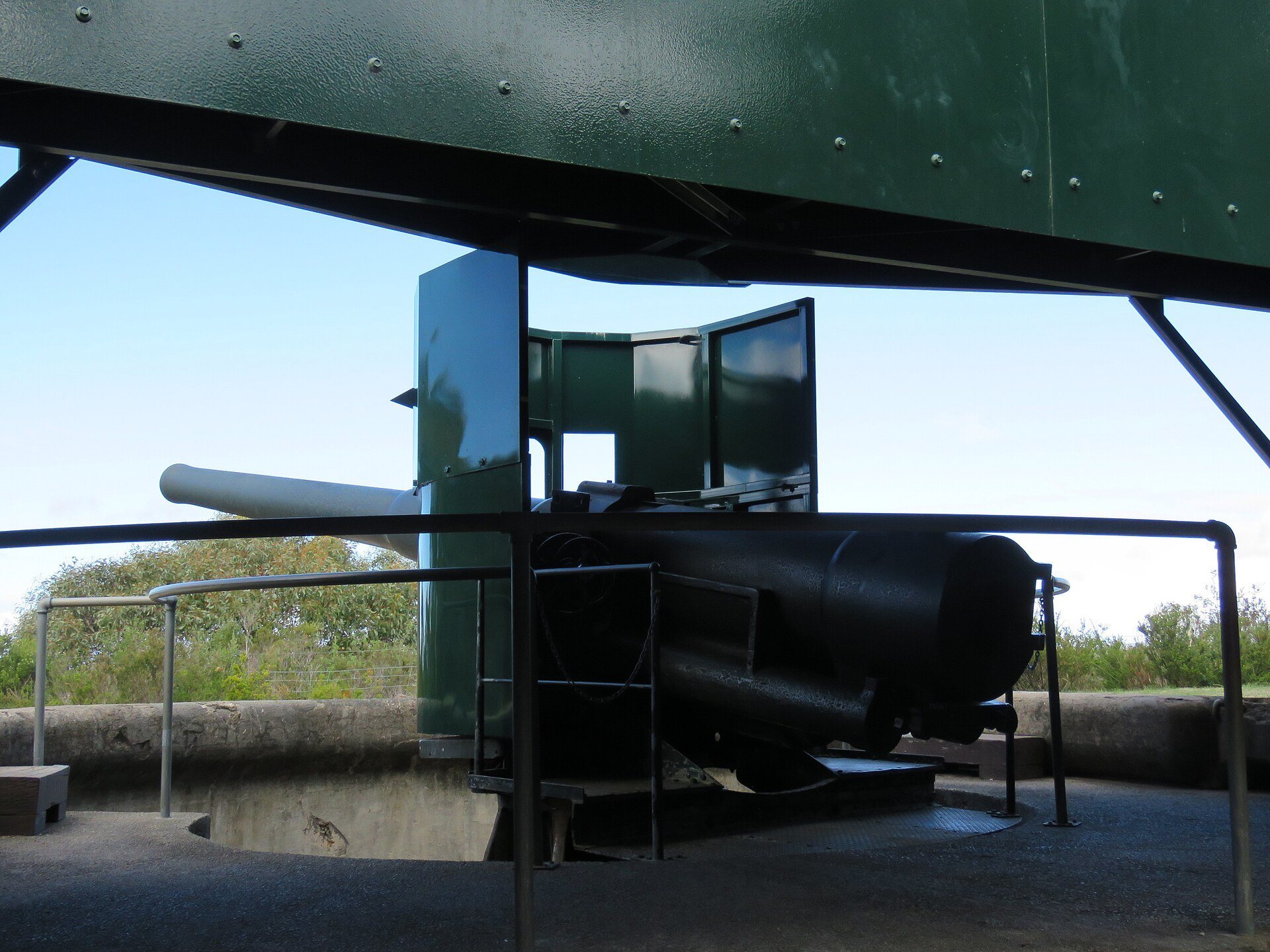
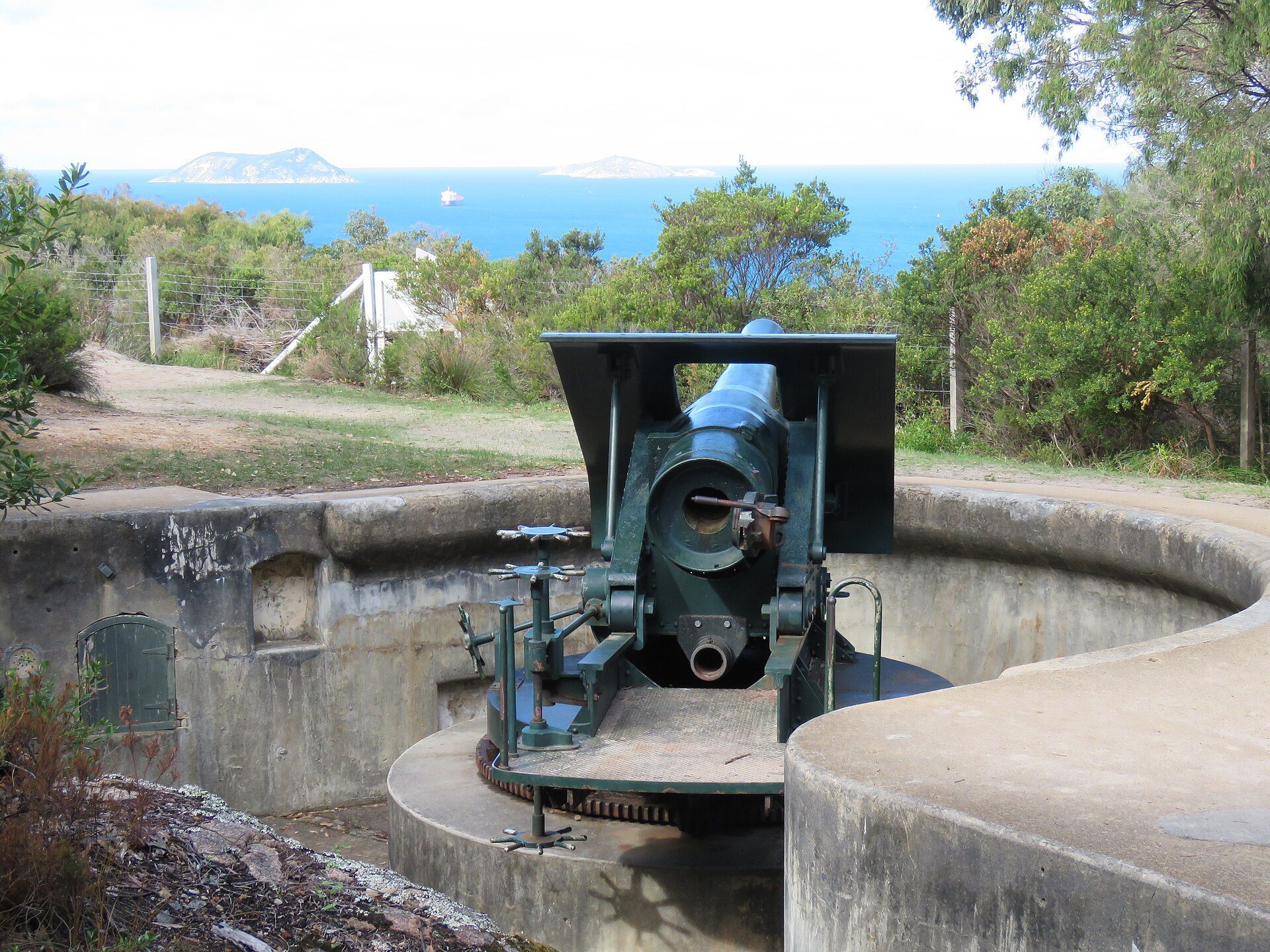
The fortress was created because the loss of Albany’s port was regarded as a potential threat to Western Australia and the Australian nation. Its two batteries were positioned on Mount Adelaide, with Fort Princess Royal armed with two Mark IV 6-inch breech-loading guns. These guns were loaded through the rear of the barrel rather than through the muzzle. Fort Plantagenet carried one 6-inch gun.
In 1902, the installation was staffed by eight officers and five men from the South Australian Permanent Artillery, a colonial artillery force. Fires damaged several operational buildings during this period. An incendiary fire in 1897 destroyed the canteen, mess room, and library, while a second fire in 1907 destroyed the quartermaster sergeant’s office, armament room, and stationery locker.
Changes and closure
Fort Plantagenet was abandoned in 1909 after its gun developed a barrel fault and was scrapped. The remaining guns were replaced in 1945 by emplaced Mark VII guns, and the older weapons were scrapped. The fortress guns did not fire in combat between the opening of the site and 1956.
The emergence of missile technology made coastal artillery defences redundant, and Princess Royal Fortress closed in 1956. Its buildings were later used as school rooms, migrant hostels, and holiday camps. By the 1970s, the site had been abandoned and damaged by vandalism.
Restoration and commemoration
Extensive restoration began in 1987 and continued through the rest of the decade, after which the fortress became a museum. The site later underwent a major upgrade for the 2015 Anzac centenary commemorations. Anzac refers to the Australian and New Zealand Army Corps, the wartime formation commemorated at the site. The National Anzac Centre opened at the fortress on 1 November 2014, marking the centenary of the first Australian and New Zealand convoy’s departure for war from Albany.
Princess Royal Fortress is listed as a State Registered Place on the Western Australia Heritage Register, with registration taking effect on 29 November 1996. The battery and magazine also received a Historic Engineering Marker through Engineers Australia’s Engineering Heritage Recognition Program. The fortress takes its name from Princess Royal Harbour, which the British naval officer and explorer George Vancouver named in 1791 after Princess Charlotte Augusta Matilda, daughter of King George III and Queen Charlotte.
Remains
Fortifications and surviving structures
Gun batteries
The fortress occupies approximately 11 acres, or 4 hectares, on the northern shore of Atatürk Entrance at Princess Royal Harbour, on Mount Adelaide overlooking King George Sound. Two gun batteries were excavated into the hillside. Fort Princess Royal held two Mark IV 6-inch breech-loading guns, while Fort Plantagenet held one 6-inch gun. Two guns remain in their original positions, together with an underground magazine and associated ruins.
Parade ground buildings
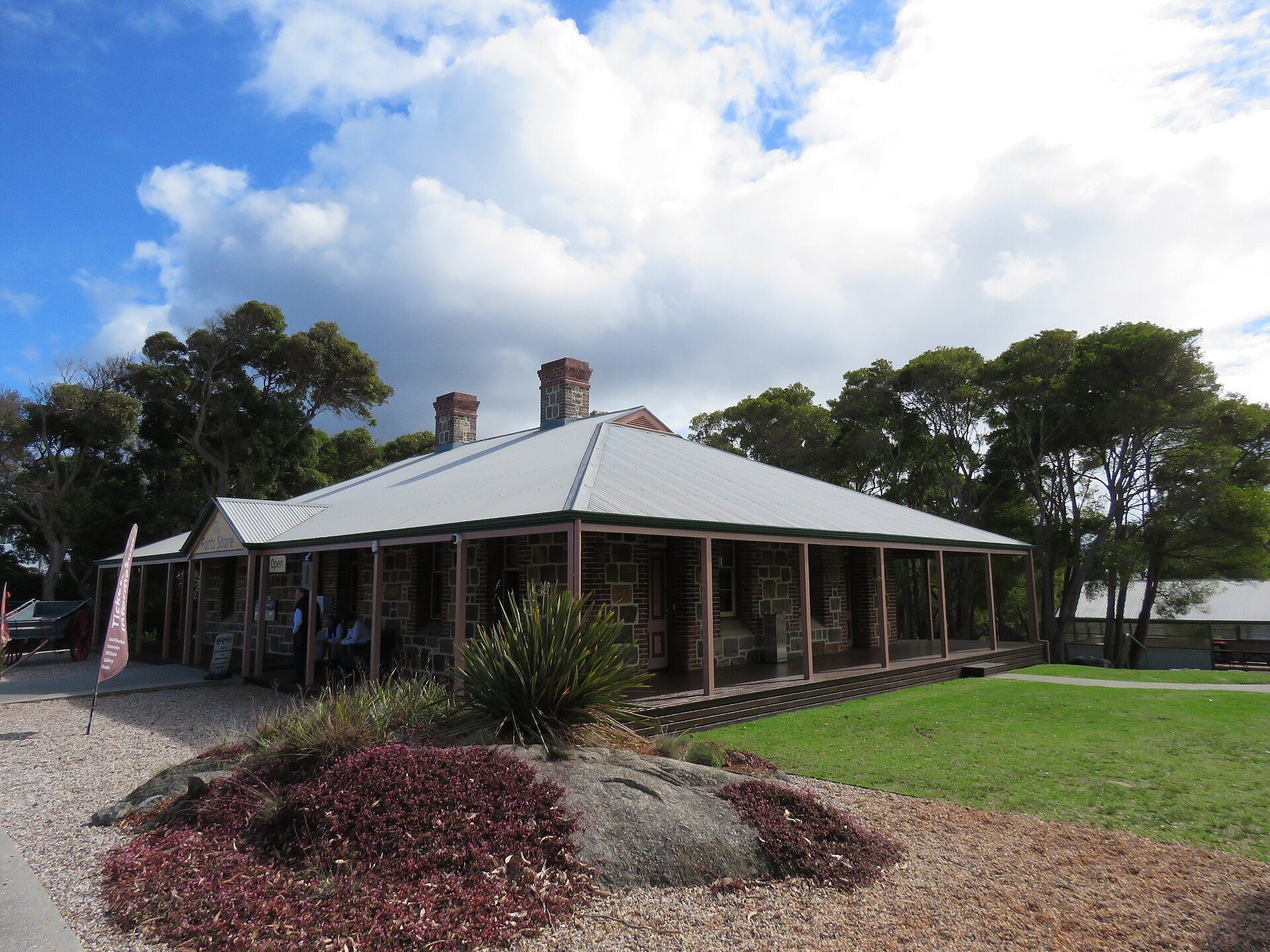
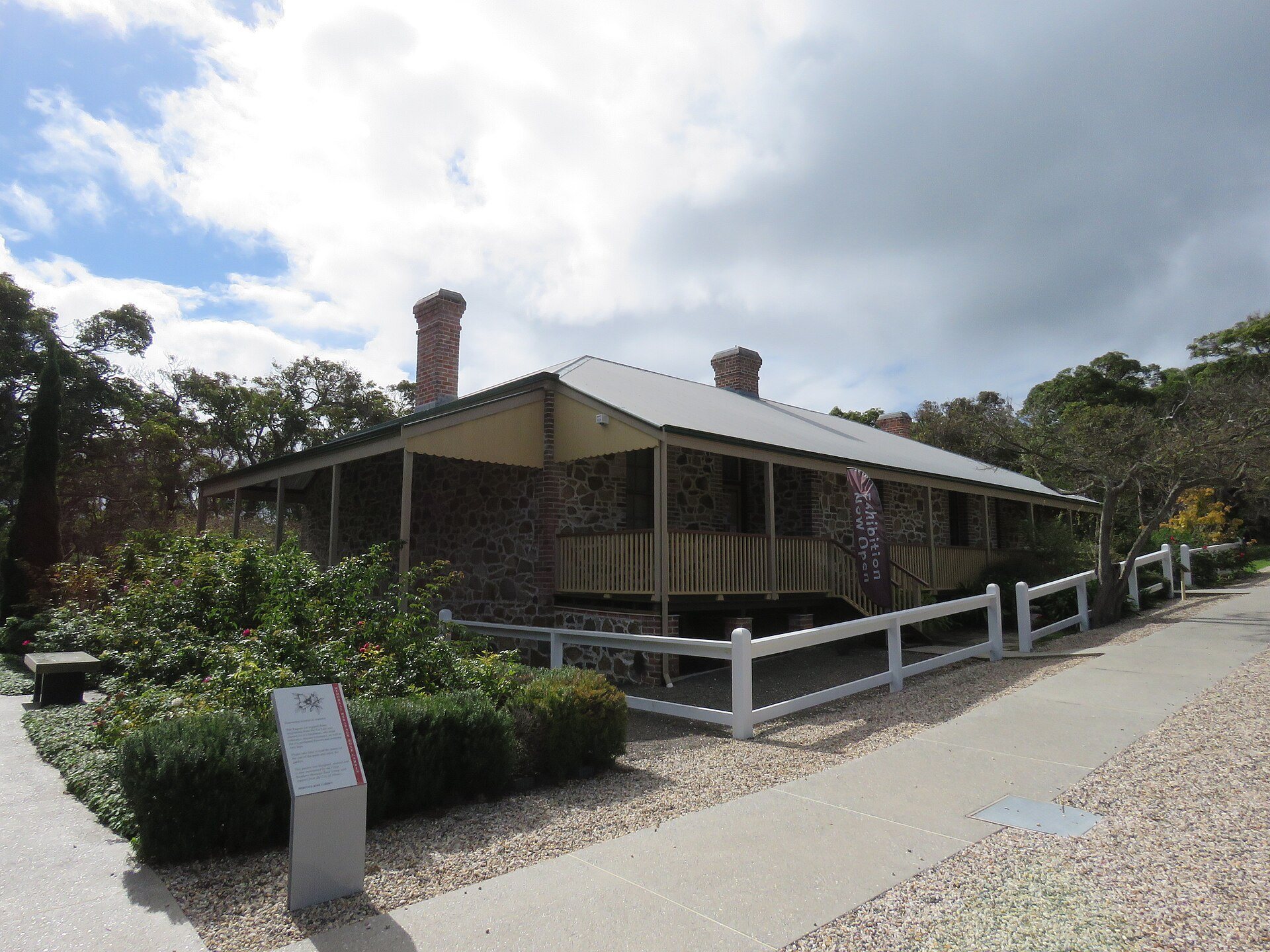
The restored grounds include a parade ground around which the Military Institute, Guard House, Barracks, and Repository Store are arranged. The original buildings were made of weatherboard with matchwood lining and galvanised-metal roofs. The site also contains several transported buildings and substantially reconstructed buildings, while the positions of other structures follow the hillside topography.
Displays and memorial landscape
Military displays
The grounds contain shore batteries, armouries, trails, a 10th Light Horse display, naval guns, and torpedoes. These features form part of the restored museum landscape alongside the surviving artillery positions, magazine, ruins, and parade ground.
Memorials and National Anzac Centre
The South East Asia Memorial, United States Submariners Memorial, and Merchant Navy Memorial are located within the fortress grounds. The National Anzac Centre is a museum building constructed within the site, adding a later interpretive structure to the preserved military landscape.