Royal Court in Sutjeska: A Medieval Bosnian Royal Residence
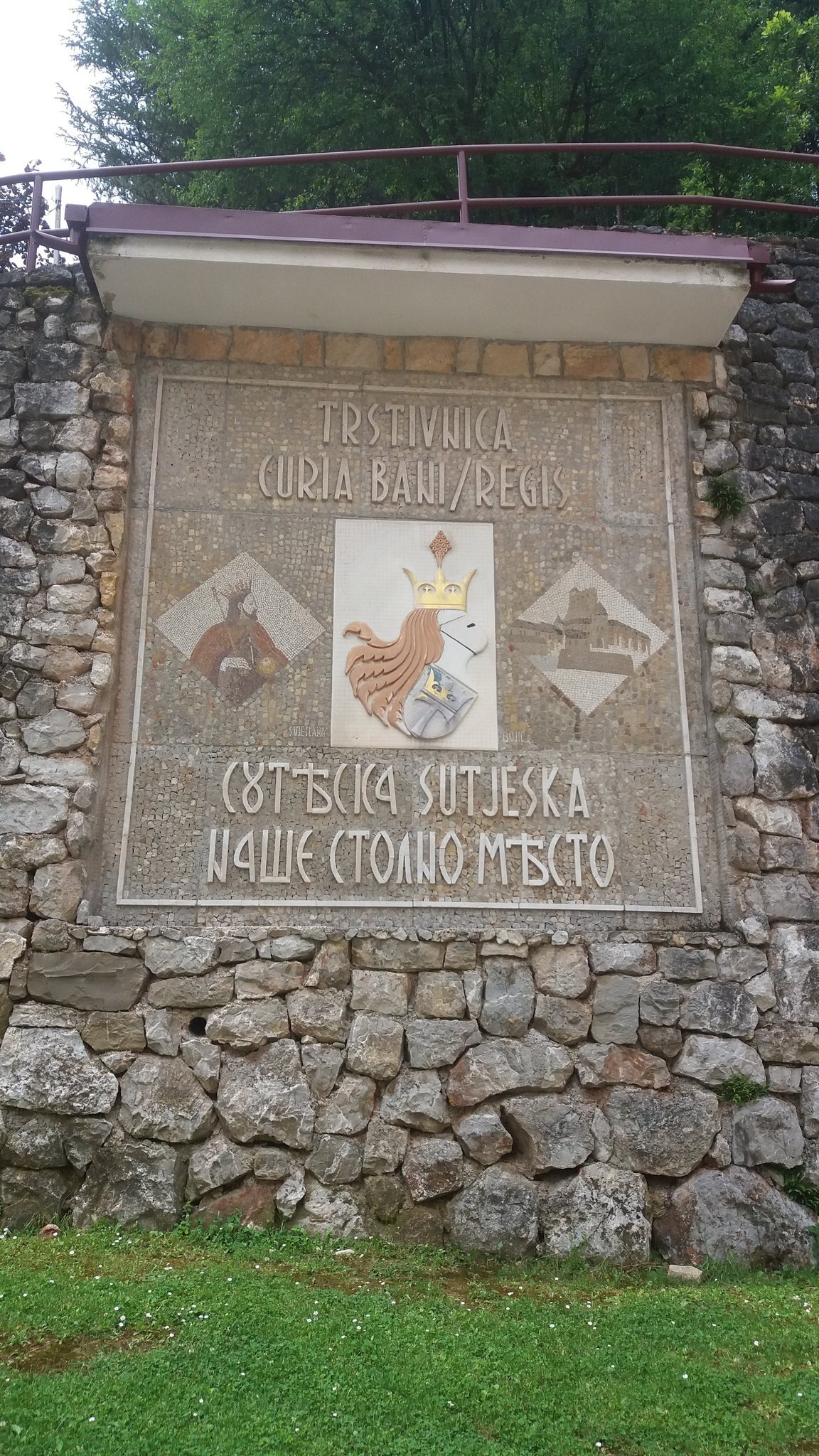
Site at a Glance
- Rating
- 4.2
- Popularity
- Very Low
- Country
- Bosnia and Herzegovina
- Primary era
- Medieval
- External website
- Open
- Eras represented
- Medieval
- Civilizations
- Kingdom of Bosnia
- Site type
- Domestic
- Remains
- Palace
On this page12 sections
History
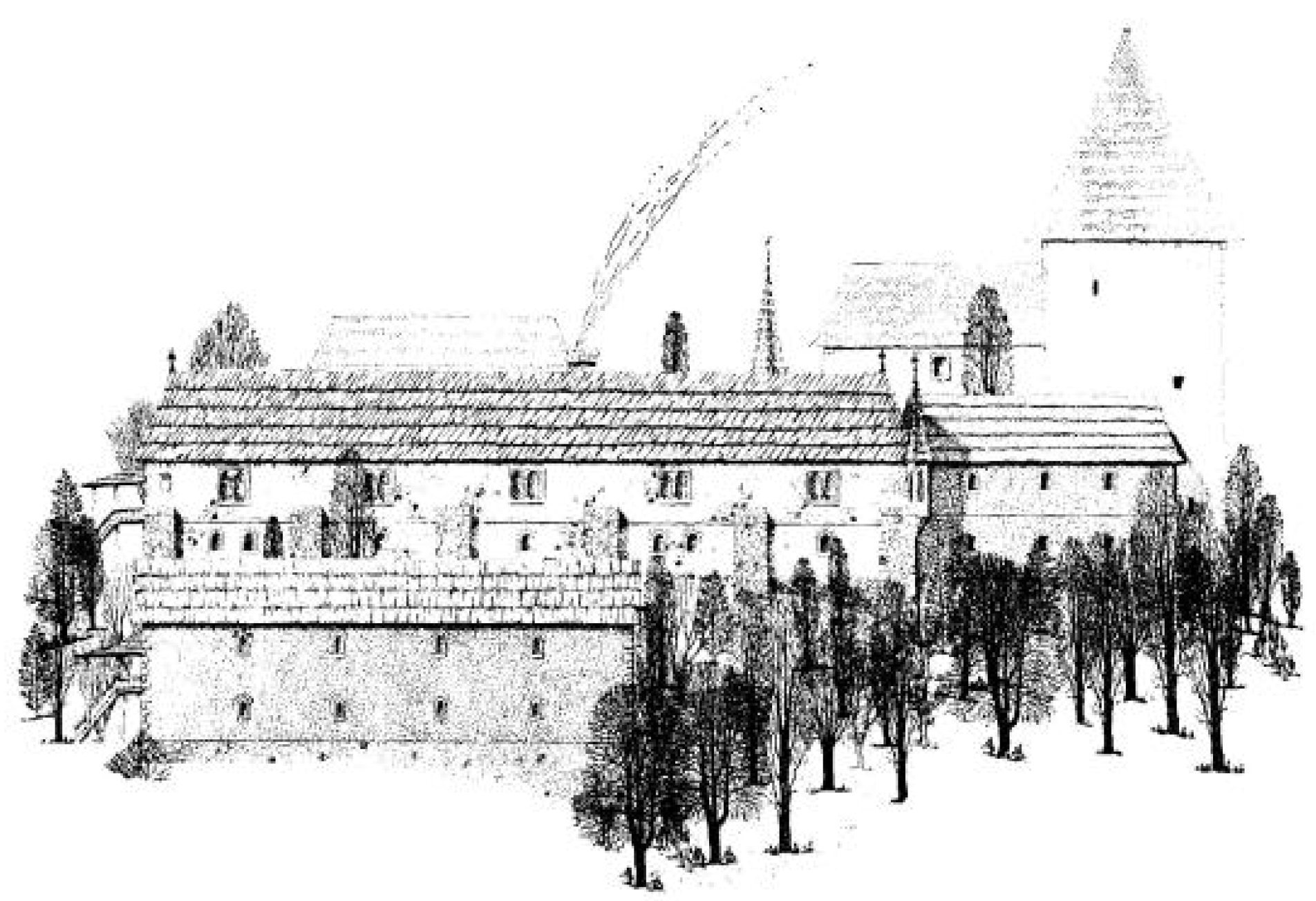
The Royal Court in Sutjeska was a medieval royal residence and administrative centre in Kraljeva Sutjeska, Bosnia and Herzegovina, established under Ban Stjepan II Kotromanić during the first half of the fourteenth century. A ban was the medieval ruler or governor of Bosnia before the establishment of the kingdom. The court combined residential, administrative, religious, economic, and craft functions in an open, unfortified complex.
Foundation and royal administration
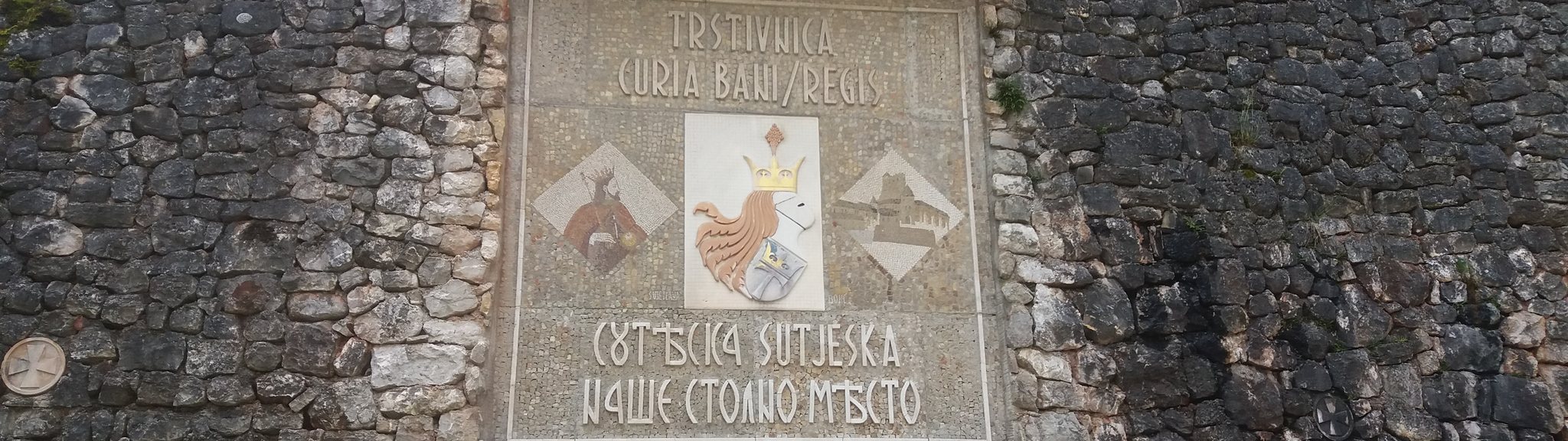
The court is first documented on 28 December 1341, when the Venetian carver Nikola agreed to work for four years at Ban Stjepan’s court, probably at both Sutjeska and Bobovac. Sutjeska appears in about fifty records as a place where Bosnian rulers carried out official duties. Eighteen documents refer to the court as a residence and as “our seat,” showing its importance within the royal administration.
From the reign of King Tvrtko I until that of King Tomaš, Sutjeska was the principal seat of the Bosnian rulers and the place from which the largest number of royal chancery documents were issued. A royal chancery was the office responsible for producing and issuing official documents for a ruler. King Tvrtko I’s charter of 1378 mentions both the court and its chapel.
Religious and urban setting
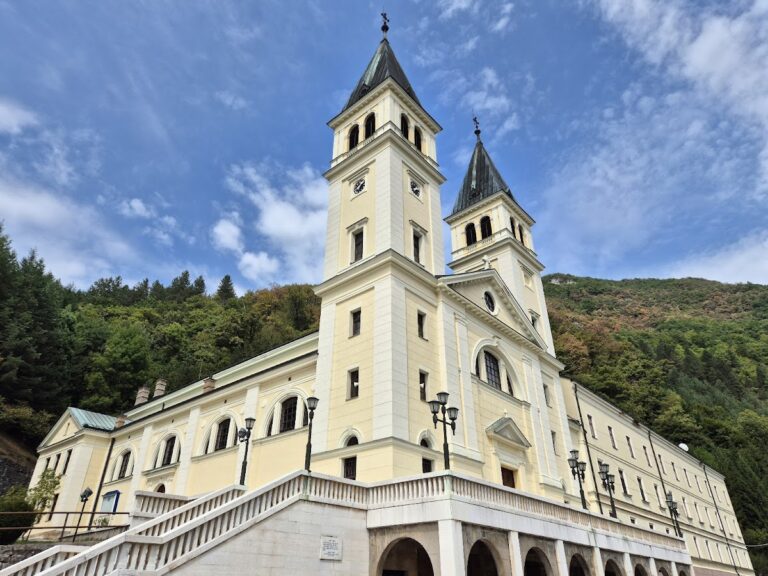
A small settlement grew beside the royal complex. A Franciscan monastery and the Church of Saint John were established nearby, and the court became the nucleus of what later developed into the Kraljeva Sutjeska Franciscan Monastery. The Franciscan Order is a Catholic religious order whose communities lived in friaries and monasteries.
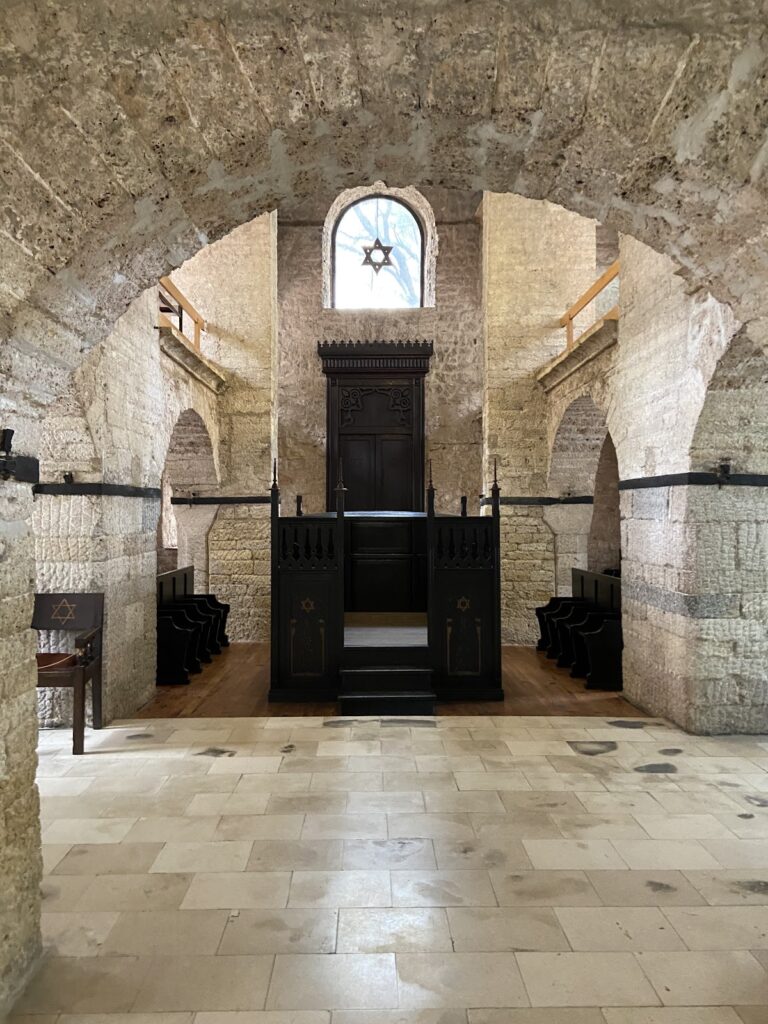
The court chapel was dedicated to Saint Gregory the Miracle-Worker, a patron associated with the medieval Bosnian Church and the Kotromanić dynasty. The Bosnian Church was an autonomous medieval Christian institution linked to Bosnia and regarded by the Catholic Church as schismatic. During the fifteenth century, the chapel’s patronal identity was successively associated with Gregory of Nazianzus and Pope Gregory the Great. Pope Gregory the Great appears on the reverse of coins issued by Tvrtko II, Stjepan Tomaš, and Stjepan Tomašević.
Decline and archaeological investigation
The court’s demolition is dated to 1463, while the last document from Sutjeska dates to 1480. A small urban community and the nearby religious foundations continued to shape the later identity of Kraljeva Sutjeska. The court stood near the medieval royal fortress-town of Bobovac, where the Bosnian crown jewels were kept. Bobovac’s royal chapel contained a mausoleum with five tombs and nine skeletons identified with Kings Dabiša, Ostoja, Ostojić, Tvrtko II, and Tomaš, while other remains were attributed to Tomašević and Queen Dorothy.
Archaeological excavations in 1969 and 1970, directed by Pavao Anđelić of the University of Sarajevo, uncovered foundations and wall sections belonging to the church, the eastern palace, and the western part of the court. The remains were conserved in 1977. The site was designated a National Monument of Bosnia and Herzegovina on 8 October 2003 as the archaeological site of the rulers’ court of the fourteenth and fifteenth centuries in Kraljeva Sutjeska, classified as a Category II cultural monument.
Remains
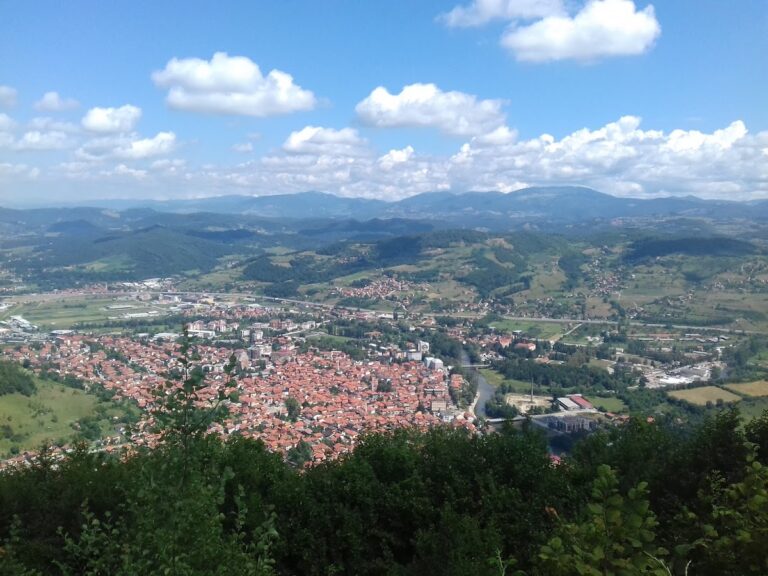
The court occupied a small prominence called Grgurevo beside the Kraljeva Sutjeska Franciscan friary and church. The Urva brook divided the complex into eastern and western sections, with buildings extending across both banks. The wider settlement lay along the Trstionica River. Covering approximately 2,500 to 5,000 square metres, the complex consisted of low buildings arranged around courtyards, pavilions, gardens, and a royal chapel. Its architecture combined Romanesque and Gothic characteristics. Romanesque architecture is associated with substantial masonry and rounded arches, while Gothic architecture is known for pointed arches and more vertical forms.
Eastern bank and Grgurevo
Eastern palace
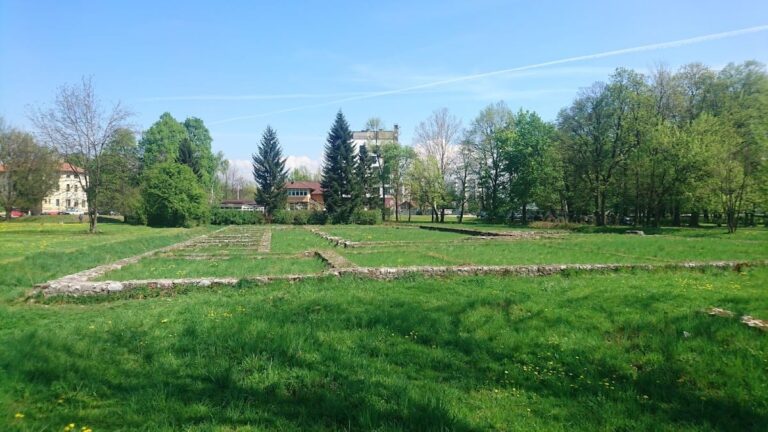
On the left bank of the Urva, the Grgurevo area contained the eastern palace, the oldest and most monumental part of the court. A substantial retaining wall supported a large terrace below it. A retaining wall holds back earth and stabilizes a raised terrace or slope. Excavation exposed foundations and parts of the palace walls, which remain visible in conserved form.
Court chapel
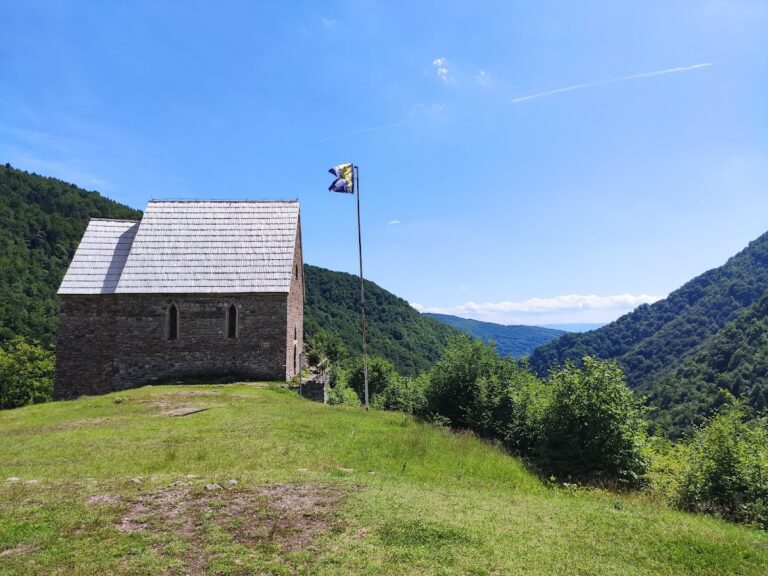
The chapel of Saint Gregory the Miracle-Worker stood on the terrace below the eastern palace. It was a Gothic church, while the hillside and terrace that served as its forecourt became known as Grgurevo. Foundations and wall sections of the church survive within the archaeological area.
Western bank and Dvori
Palace group
On the right bank of the Urva, the area called Dvori contained the lower palace, the upper palace, and an annex to the upper palace. Excavation revealed the foundations and parts of the walls of this western complex of three palaces. Their surviving remains consist of foundations and conserved wall sections.
Economic and craft buildings
Auxiliary buildings stood alongside the palaces in Dvori. They included economic structures and workshops for craft production, reflecting the court’s role as more than a royal residence. The Dvori area has been disturbed by houses and smaller buildings. The location of the upper palace is enclosed by brush and contains an orchard.
Archaeological park and surviving material
The Urva has carried away much of the ruin over approximately five centuries. The Grgurevo area is maintained as an archaeological park on land associated with the Franciscan monastery, where the exposed foundations and wall fragments remain conserved. Movable heritage recovered from the archaeological area forms part of the monument complex and is preserved at the National Museum of Bosnia and Herzegovina in Sarajevo.