Zibad Castle: A Sasanian Fortress in Iran
Site at a Glance
- Rating
- 5
- Popularity
- Very Low
- Country
- Iran
- Primary era
- Classical
- Eras represented
- Classical, Medieval
- Civilizations
- Sassanid
- Site type
- Military
- Remains
- Castle
On this page7 sections
History
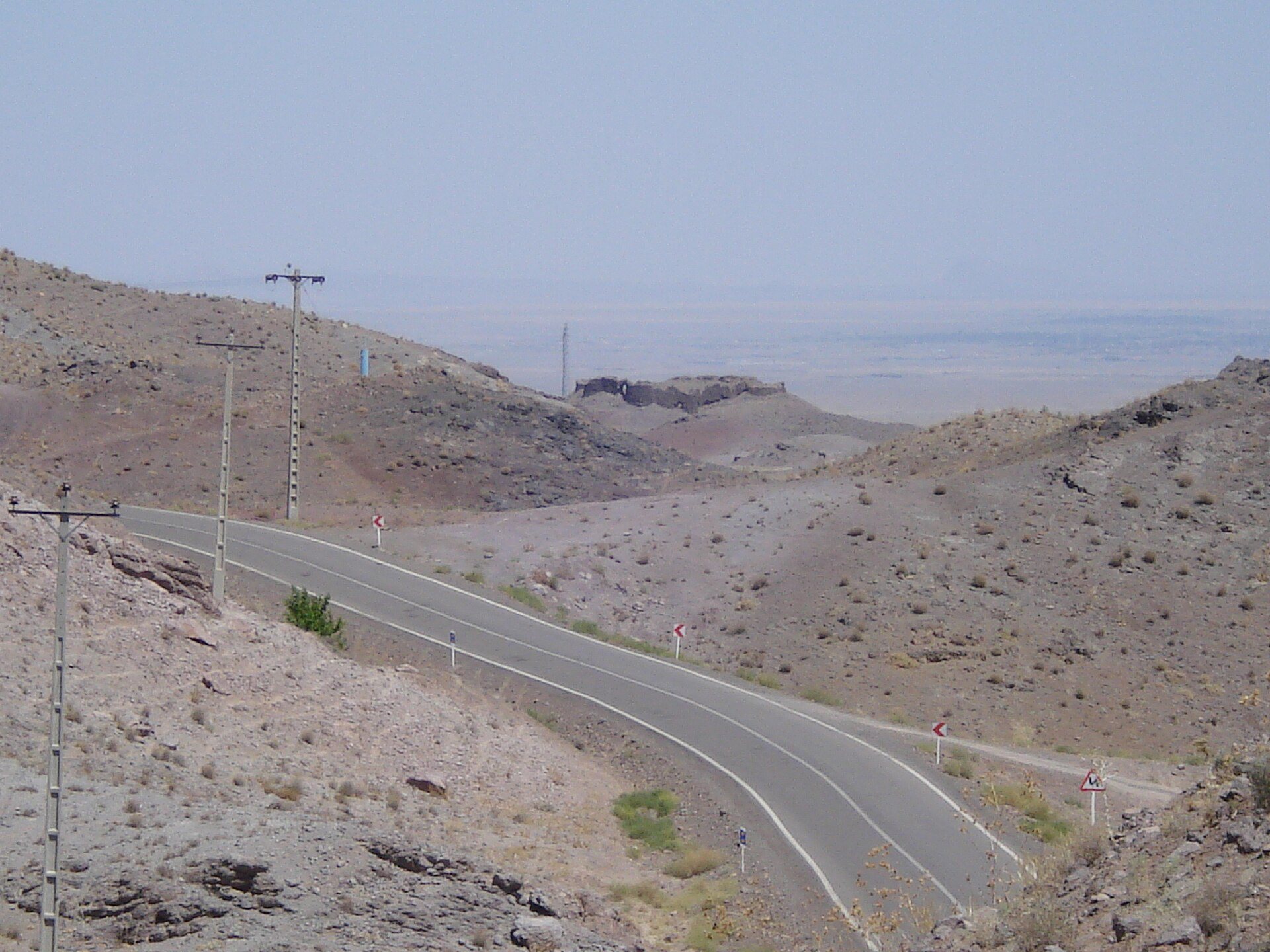
Zibad Castle is a ruined fortress in Iran, located in Zibad in Gonabad County, Razavi Khorasan Province. Built under the Sasanian Empire in the Sasanian architectural tradition, it is associated with the battles of Davazdah Rokh and Nizak Tarkhan. The castle is also believed to have been the last refuge of Yazdegerd III, the final Sasanian emperor, whose death marked the collapse of the empire and the Arab conquest of pre-Islamic Iran.
Sasanian foundations and traditions
The Sasanian Empire was the last major pre-Islamic Persian imperial dynasty, ruling Iran and neighboring territories from 224 to 651. Zibad Castle belonged to this historical setting and is linked by local and historical traditions to conflicts involving Davazdah Rokh and Nizak Tarkhan.
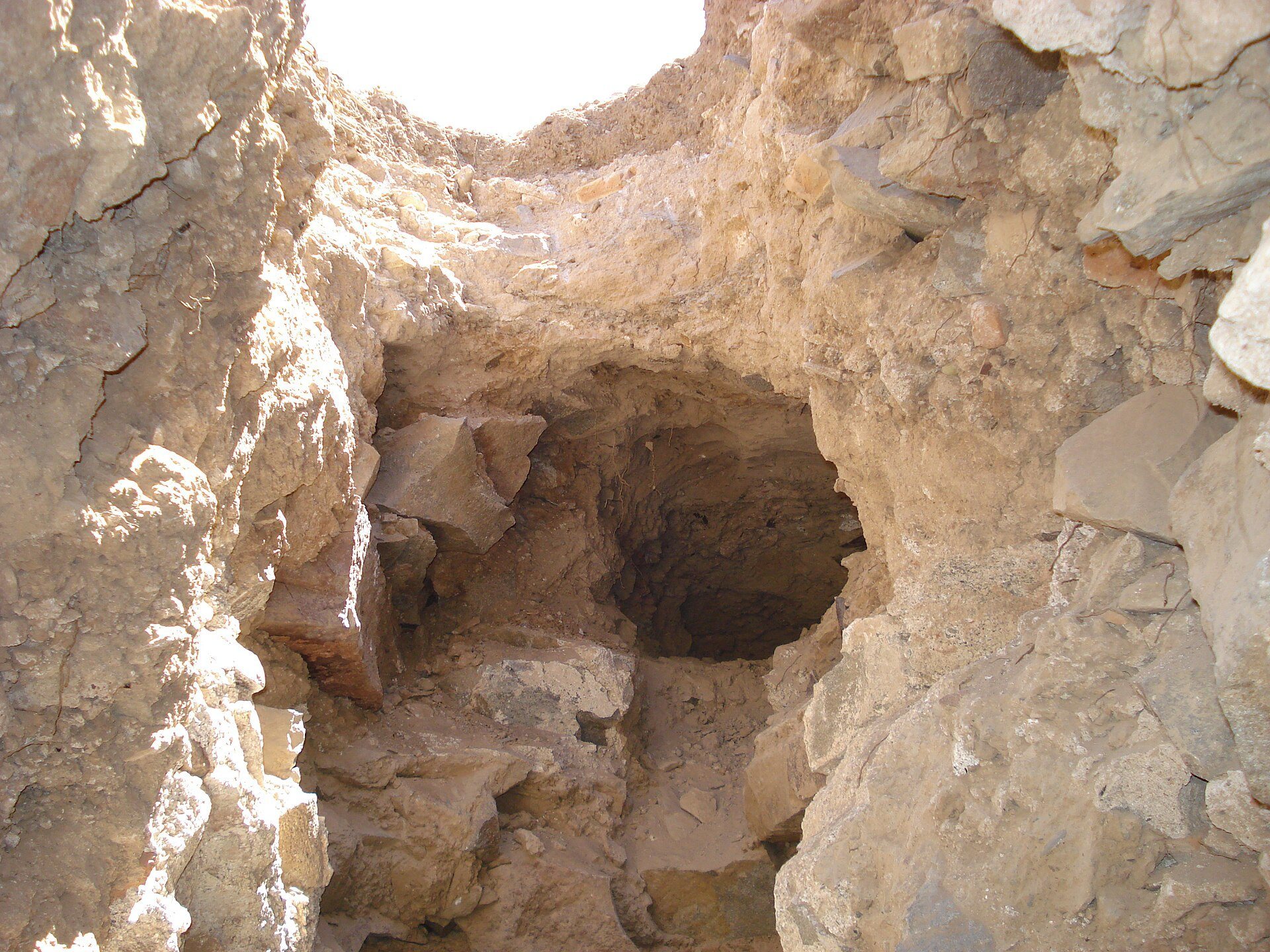
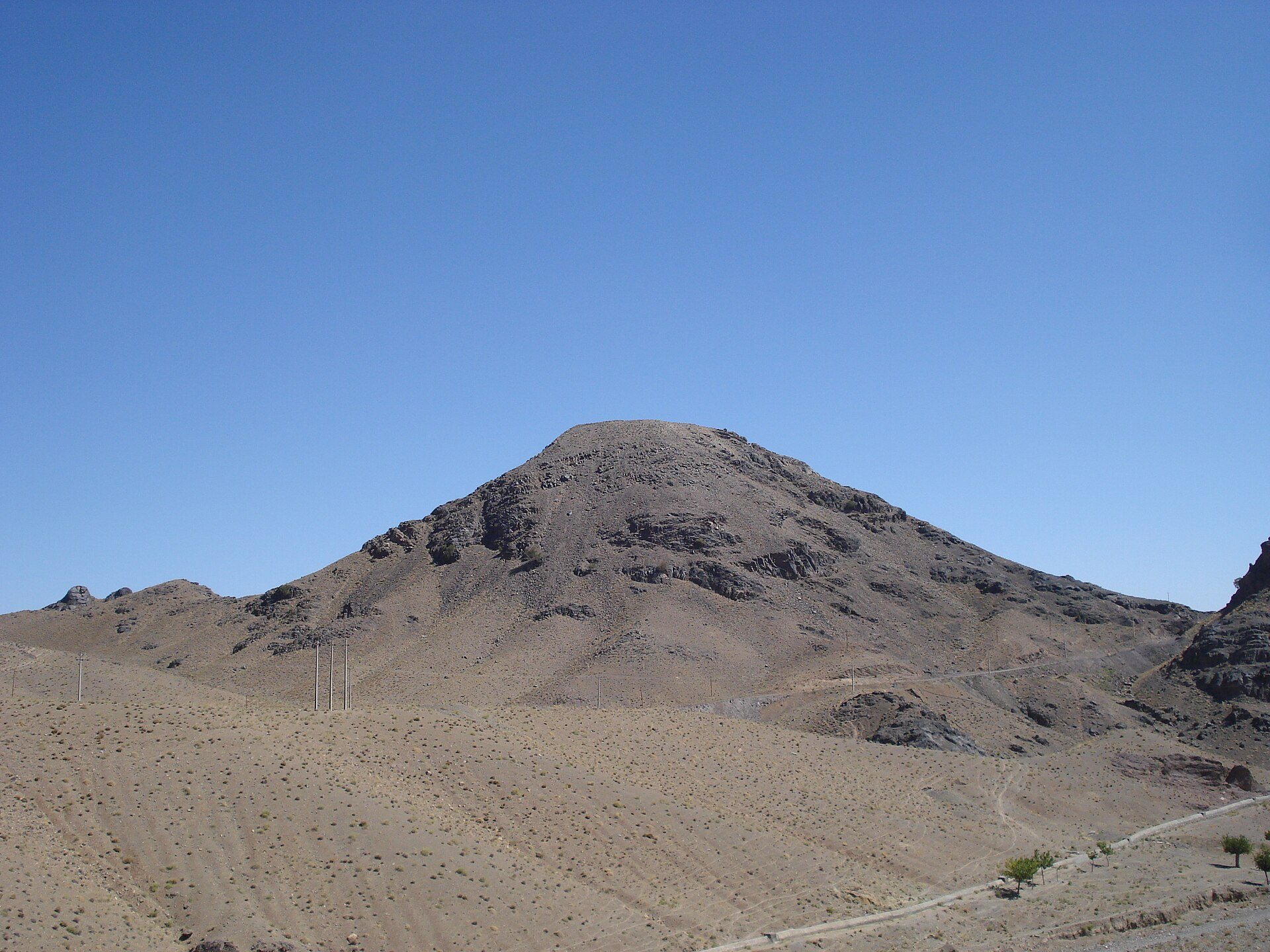
A cave called Sufeh Pir, in Kuh-Zibad Mountain, is traditionally identified as the burial place of Piran Viseh. In the Shahnameh, the principal Persian national epic, Piran Viseh is a Turanian warrior and ruler who is described as the king of Khotan and commander of Afrasiab’s forces. A tradition recorded by Abas Zamani identifies the cave as his tomb, and it is now called Dar Sufa Pir.
The fall of the Sasanian Empire
In 651, Yazdegerd III was defeated by Muslim Arab forces at Gonabad while traveling toward Merv. The circumstances of his death remain disputed. One account says that he sought shelter with a miller, who killed him for his jewelry on the orders of Mahoe Suri. Al-Baladhuri’s Kitab Futuh al-Buldan places the death at Gonabad and states that Mahoe plotted against Yazdegerd with Nizak, the Hephthalite ruler. The Hephthalites were a powerful Central Asian people who played a major political and military role in late antiquity.
Yazdegerd’s death ended the Sasanian Empire. Khorasan was subsequently conquered by the Arabs and became a base for campaigns into Transoxiana. Zibad Castle was registered as a national heritage property in 2001 and was also registered nationally under the name Shahab Castle in 2002.
Remains
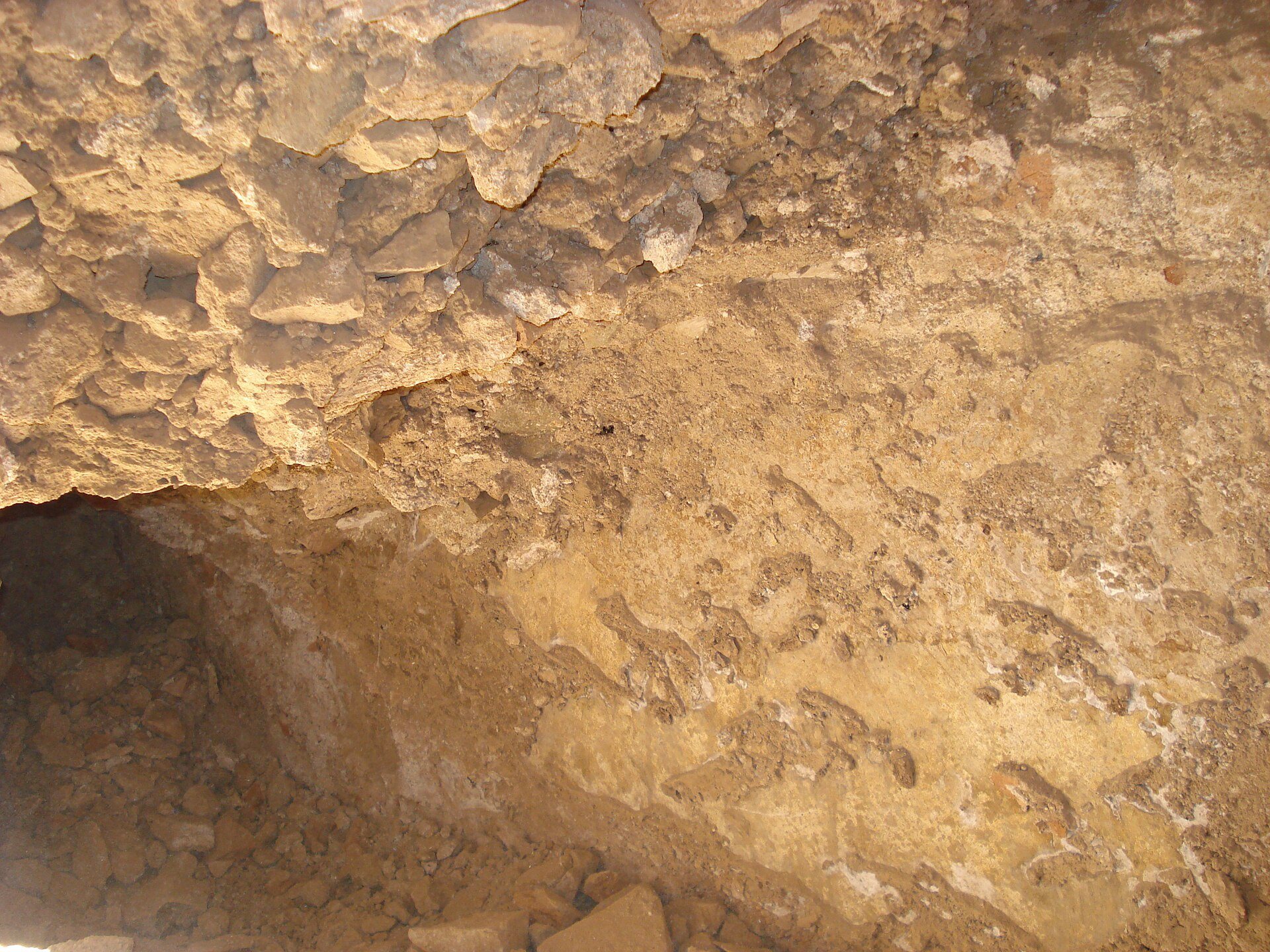
The surviving site consists of a ruined stone fortress at Zibad and a cave associated with Kuh-Zibad Mountain. Together, these features preserve the physical setting connected with the castle’s Sasanian origin and the traditions surrounding the final Sasanian period.
Fortress and mountain cave
Zibad Castle
Zibad Castle is a historic fortress built of stone in the Sasanian architectural tradition. It now survives in ruins within Zibad, in Gonabad County. Its remains are associated with the historical traditions of the Sasanian period and with the castle’s reputed connection to Yazdegerd III.
Sufeh Pir
Sufeh Pir is a cave in Kuh-Zibad Mountain, now called Dar Sufa Pir. Tradition identifies it as the burial place of Piran Viseh, the figure from the Shahnameh associated with Turan, Khotan, and the forces of Afrasiab.