Castle of Saint Anthony of Salgar: A Historic Fortification and Customs Station in Colombia
Site at a Glance
- Rating
- 4.6
- Popularity
- Medium
- Country
- Colombia
- Primary era
- Modern
- Eras represented
- Early Modern, Modern
- Civilizations
- Spanish
- Site type
- Military
- Remains
- Castle
On this page8 sections
History
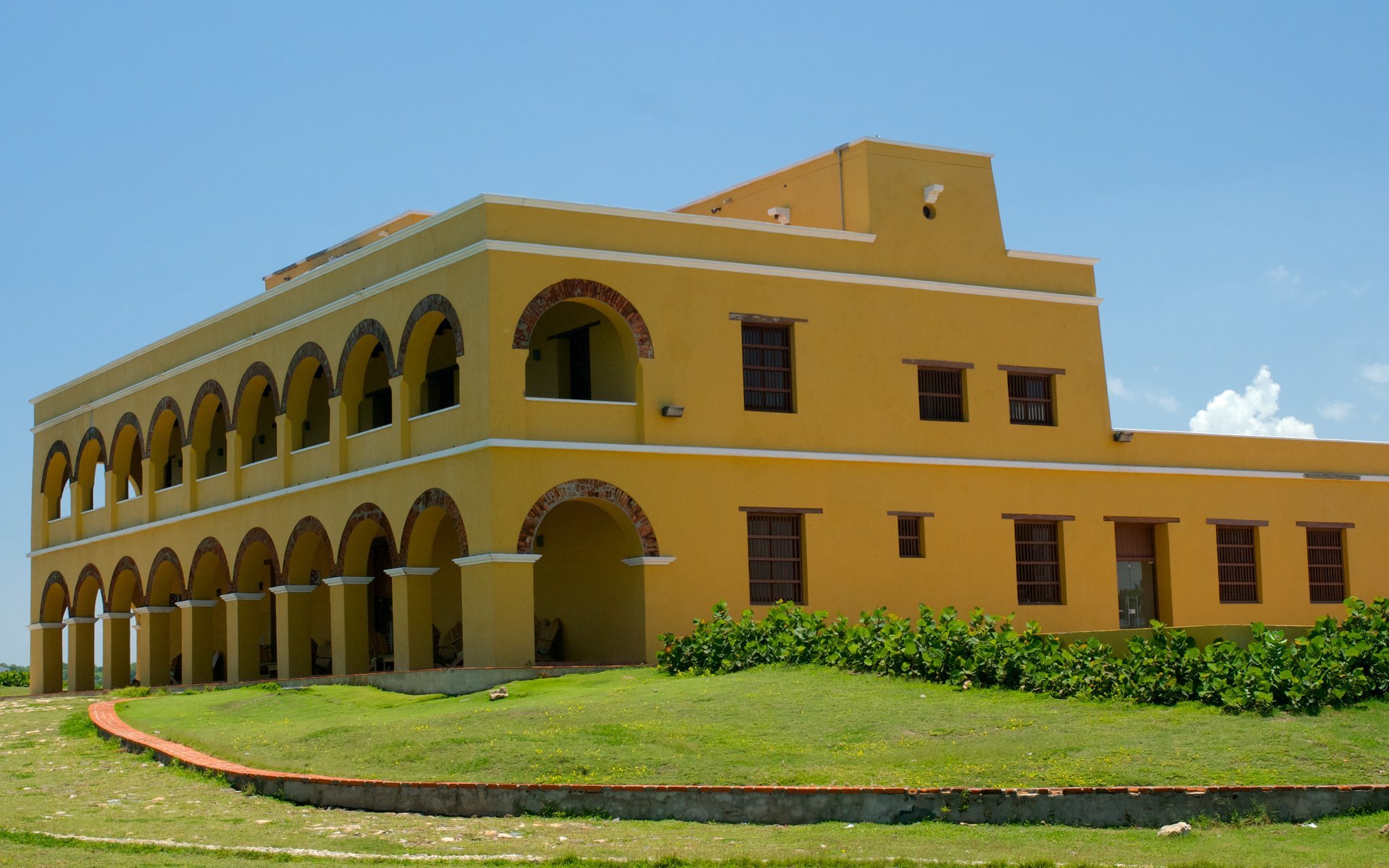
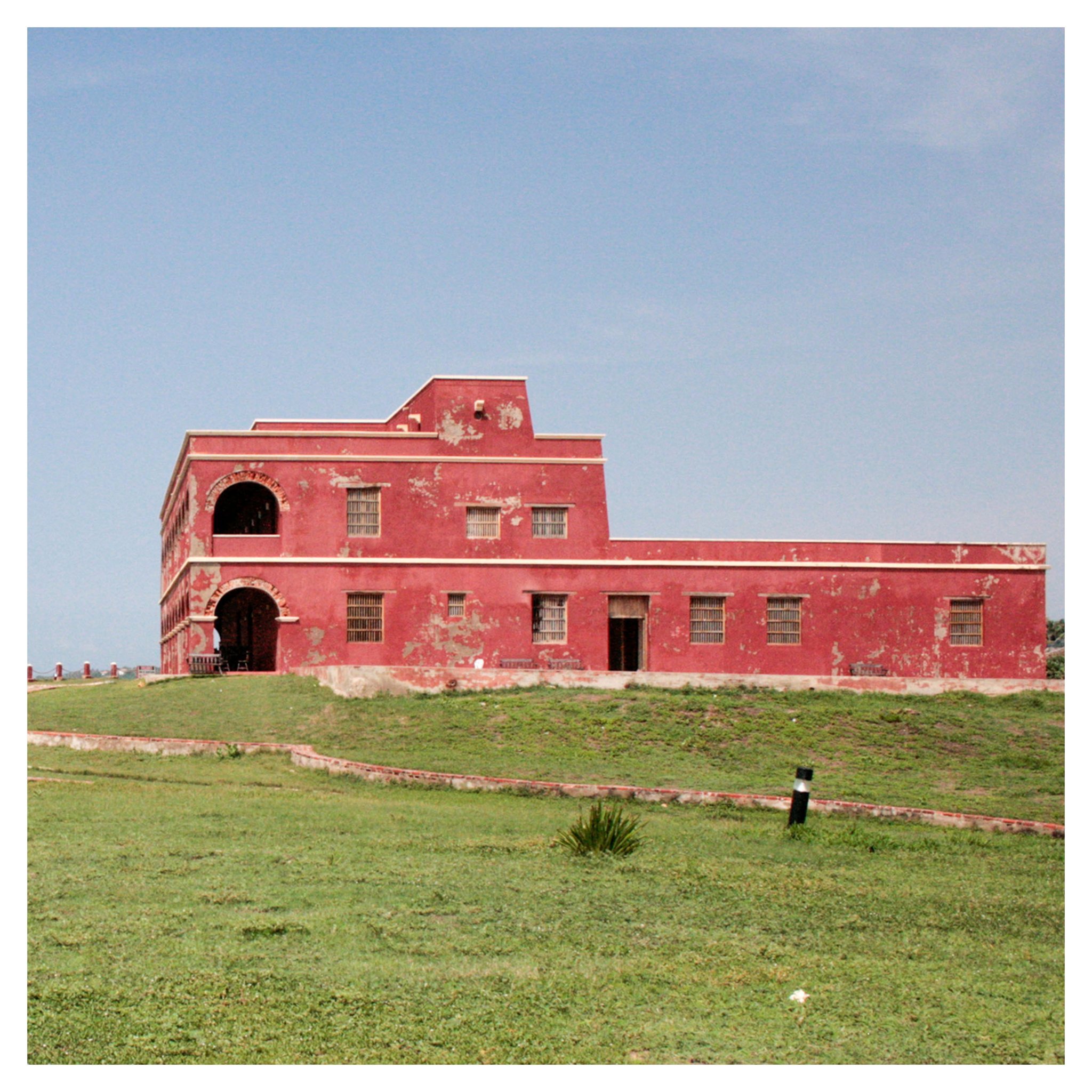
The Castle of Saint Anthony of Salgar is a historic fortification in Salgar, Colombia, a corregimiento, or local administrative subdivision, of Puerto Colombia in the Atlántico Department. Its present building was constructed in 1848 over the ruins of a Spanish colonial fort, and its position overlooking the bay and approaches to the Magdalena River gave it an important defensive and customs role.
The colonial fort of San Antonio
The site began as the colonial fort of San Antonio, also known at different periods as Santa Bárbara or San Antonio. Spanish authorities established or rebuilt the fort to observe shipping, intercept vessels traveling toward the surrounding area or up the Magdalena River, and control contraband entering through the river route. The Magdalena was a major transport artery linking Colombia’s Caribbean coast with the interior, making the site’s position strategically valuable.
The fort was abandoned toward the end of the eighteenth century. Its military importance returned during the independence struggles, when control of coastal routes and river access became part of the wider conflict between Spanish forces and the movement for independence. After Pablo Morillo’s troops captured Cartagena in 1815, Governor Gabriel de Torres y Velasco ordered in August of that year that the fort remain in service.
Reconstruction and customs control
The present castle was built in 1848 on the remains of the earlier fort. During the early republican period, the increase of contraband through the ports of Cartagena and Santa Marta encouraged the creation or adaptation of a customs station at Salgar. Esteban Márquez proposed the initiative, while General Tomás Cipriano de Mosquera provided substantial investment for adapting the fortification to customs control.
The customs office was transferred to Barranquilla in 1876 by order of President Santiago Pérez Manosalva, following the acquisition of the Bolívar Railway. The completion of the pier at Puerto Colombia then drew away the region’s port traffic, and the castle lost its original customs function. In 1897, it served as an intermediate railway station for the Bolívar Railway, a nineteenth-century railway linked to the port and transport network of the Bolívar region. The building was later abandoned for more than sixty years.
Educational, cultural, and institutional uses
In 1940, the Colombian intellectual and educator Julio Enrique Blanco began an intervention that converted the abandoned building into a recreational center for the Secretariat of Education. The architect Molina Malleu carried out the works. Later proposals and uses included a school or educational center, a venue for cultural development, and a facility intended for the exclusive use of presidents.
Across the twentieth century, the castle served as a defensive and control point, prison, school, institute for people with disabilities, and, for a short period, an academic and artistic center associated with the University of the Atlantic. The Colombian Family Welfare Institute also used it as a rehabilitation center for minors.
Heritage protection and recent history
After decades of abandonment, the castle was restored toward the end of the twentieth century. It was then placed under a commodatum, a legal arrangement in which property is lent for use without transferring ownership, with a Colombian family compensation fund. The building was used as a venue for cultural, social, academic, and business events, with restaurants among its facilities.
The castle was declared a national heritage and cultural property on 13 July 1988. It and the pier of Puerto Colombia form part of the group of heritage properties that characterize the historic corridor of the Bolívar Railway. A description from 2026 states that the castle was again abandoned, although continuous surveillance remained in place.
Remains
Setting and defensive layout
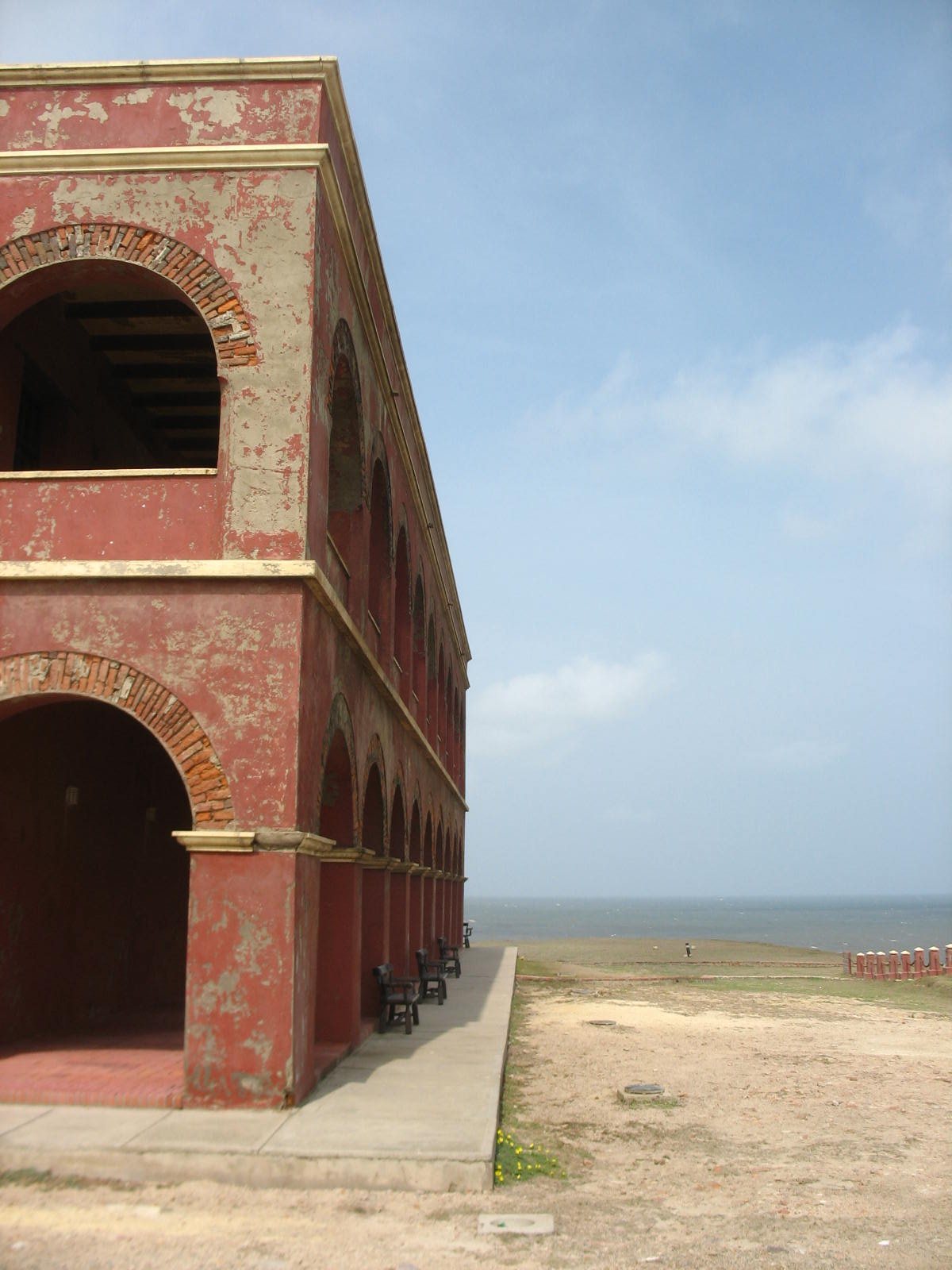
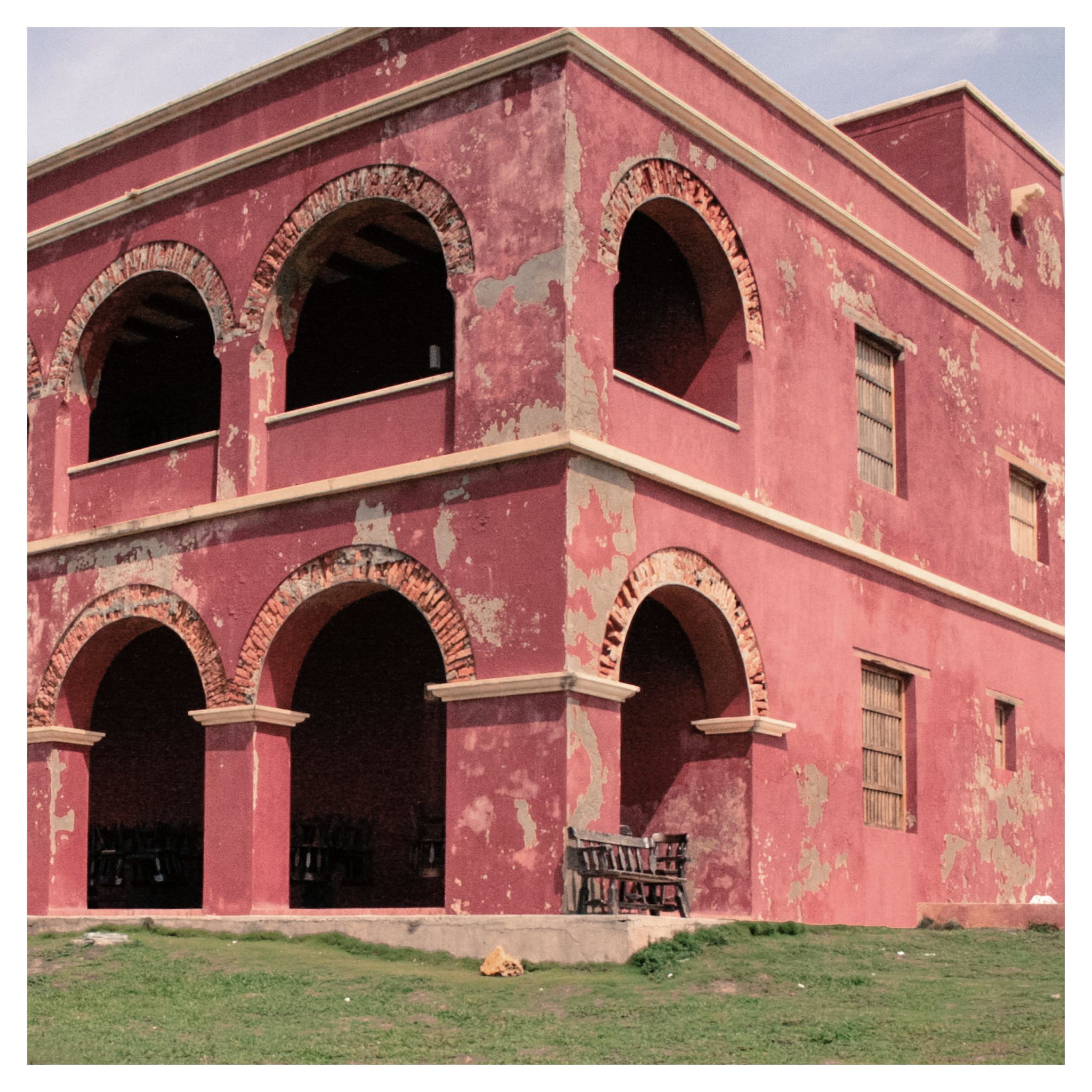
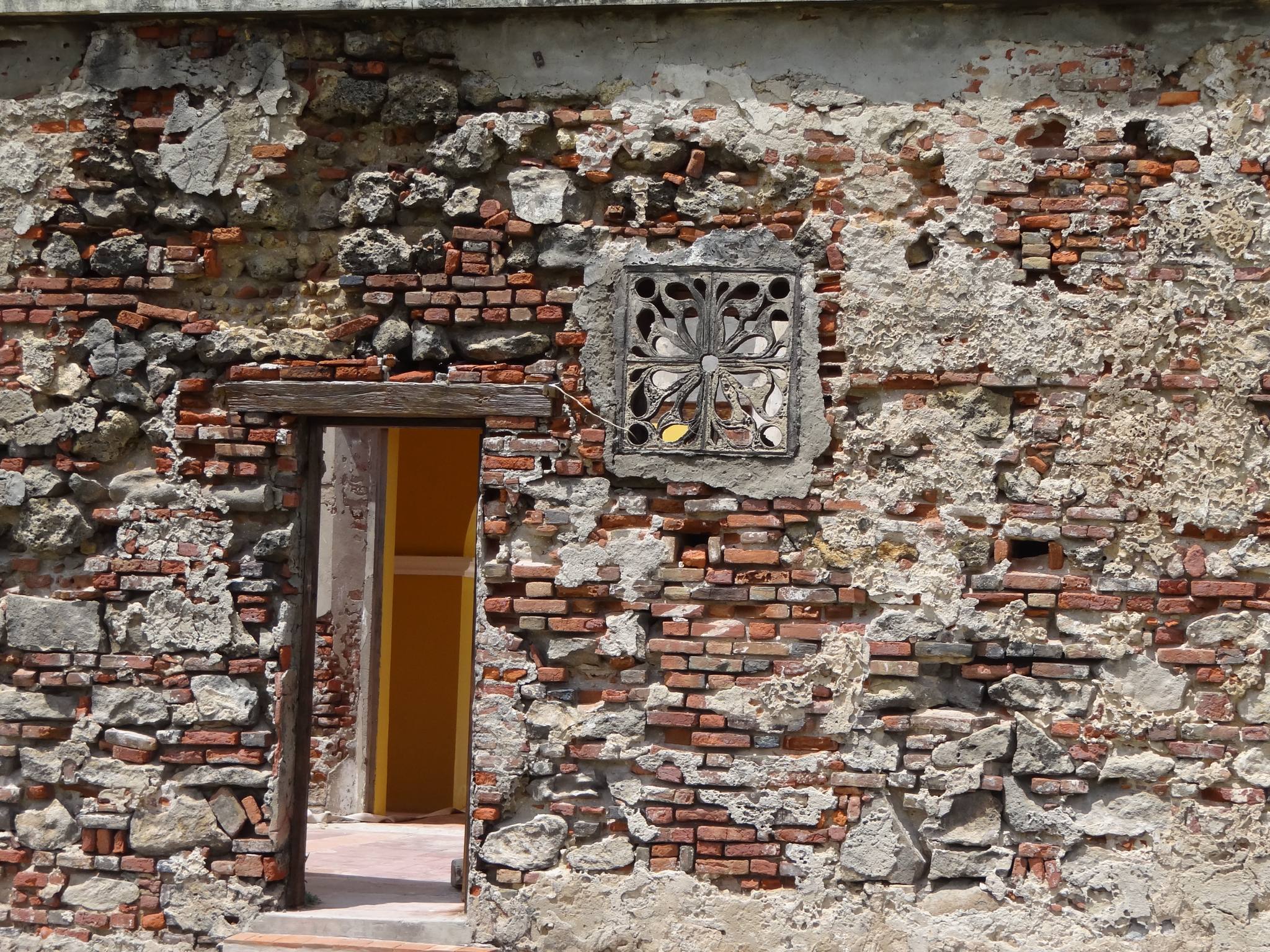
The castle occupies a steep slope or cliff west of the beaches of Salgar, on a hill chosen for observation and defense. From this position, the fortification commanded views toward the bay and the routes used by vessels on the Magdalena River. Its walls have broad bases and extend along the corridors, while batteries were placed at strategic points with command over the entire bay.
The surviving complex includes a large principal entrance, extensive corridors, and colonial architectural elements. Alternating terraces on the second and third floors organize part of the building, while a lawned area forms another component of the site. The terraces and corridors later supported restaurants, exhibitions, cultural events, musical performances, and social gatherings.
Cultural spaces and surviving features
The building contains a painting gallery and a library, together with spaces used for exhibitions and performances of folkloric and Caribbean music. Restaurants serving regional food also formed part of its later event and cultural facilities.
The fortification originally had two cannons that guarded the site and came to be regarded as its symbols. Both were stolen in the mid-1990s.