Shakthan Thampuran Palace: A Kochi Royal Residence and Museum in India
Site at a Glance
- Rating
- 4.4
- Popularity
- Medium
- Country
- India
- Primary era
- Early Modern
- External website
- Open
- Eras represented
- Early Modern
- Civilizations
- Unclassified
- Site type
- Domestic
- Remains
- Palace
On this page12 sections
History
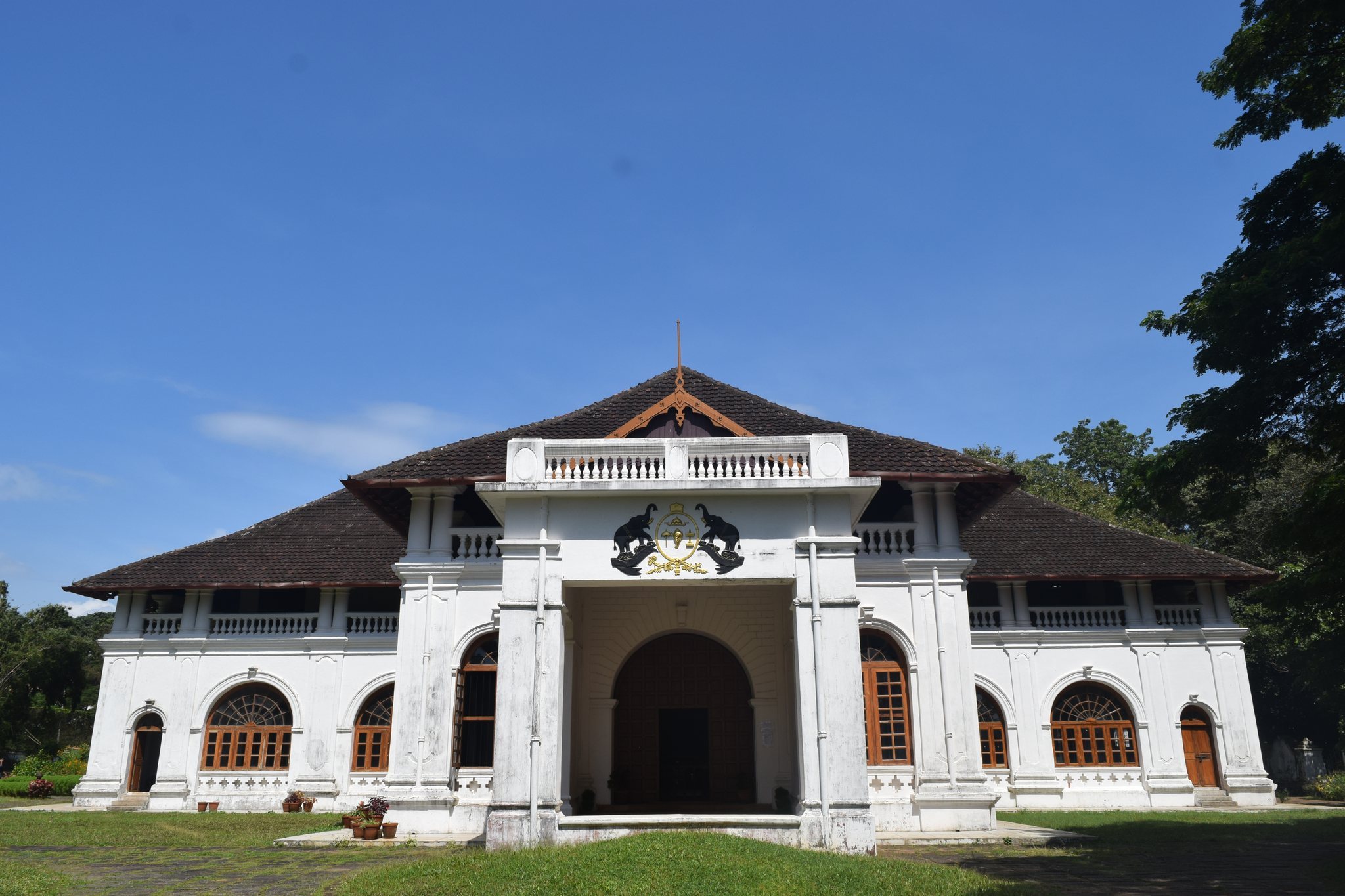
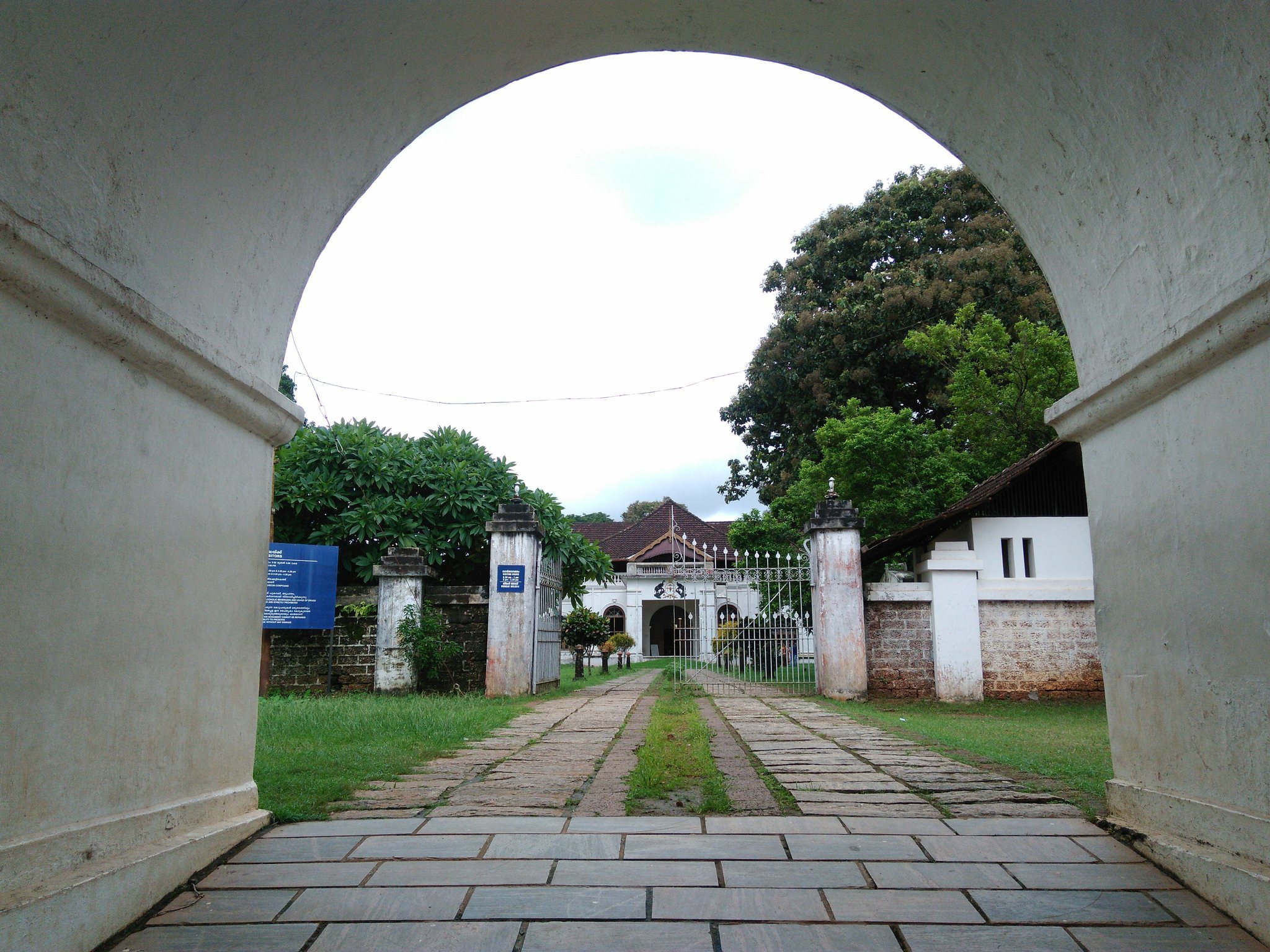
Shakthan Thampuran Palace is a former Kochi royal residence in Thrissur, India, reconstructed in 1795 in the Kerala-Dutch style by Rama Varma Thampuran of the princely state of Cochin. Known earlier as Vadakkechira Kovilakam and also as Vadakkechira Palace, it belonged to the Perumpadappu Swaroopam, the ruling dynasty of Kochi. The palace stands near Vadakkumnathan Temple and became the centre of power during the reign of Rama Varma Sakthan Thampuran, who ruled Kochi from 1790 to 1805.
The Kochi Dynasty and Sakthan Thampuran
Sakthan Thampuran’s reign is regarded as the Golden Era of the Cochin dynasty. He is associated with the introduction of Thrissur Pooram, a major temple festival involving teams representing the Parmekavu Bhagavathy and Tiruvambadi Krishna temples. The teams compete for primacy before Vadakkumnathan Temple through ceremonial processions featuring elephants, percussion, drums, and fireworks.
The palace also preserves historical associations with important events, including a visit by Tipu Sultan and his army. Tipu Sultan was the ruler of the Kingdom of Mysore in southern India during the late eighteenth century. The last member of the royal family to live at the palace was Rama Varma Bharathan Thampuran, a grand-nephew of Chowwarayil Theepetta Veliyathampuran, a member of the Cochin royal family.
Royal Traditions and Museum History
A sacred-serpent grove formed part of the royal precinct. Prayers were performed there occasionally, along with ritual offerings of milk to the serpents, and the grove was believed to bring prosperity to the royal family. In 2005, the State converted the palace into a museum. The Archaeological Department preserves the building and its collections, which present the history of the Kochi dynasty, ancient writing, regional coinage, household life, sculpture, bronze objects, and the Stone Age.
Remains
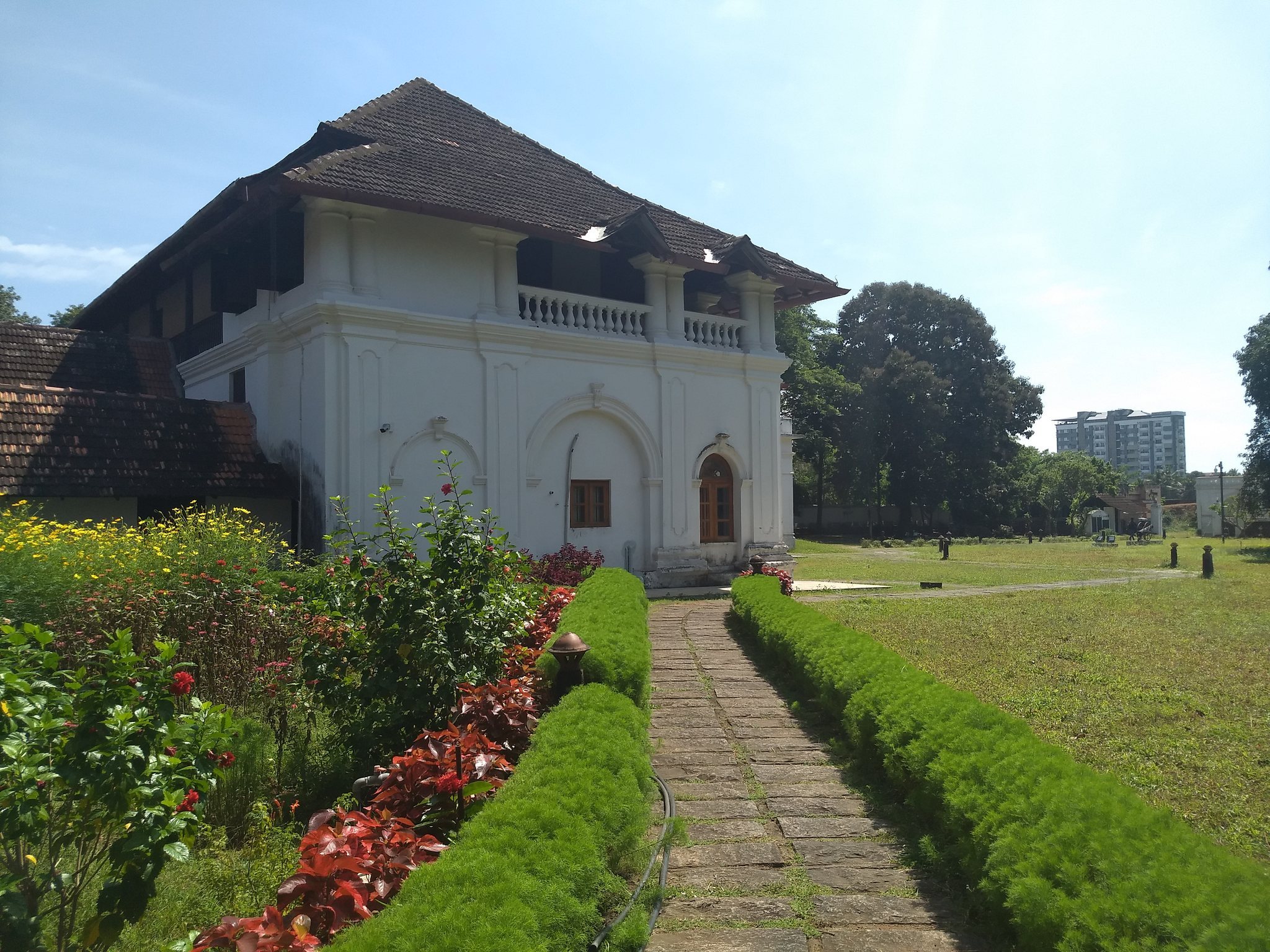
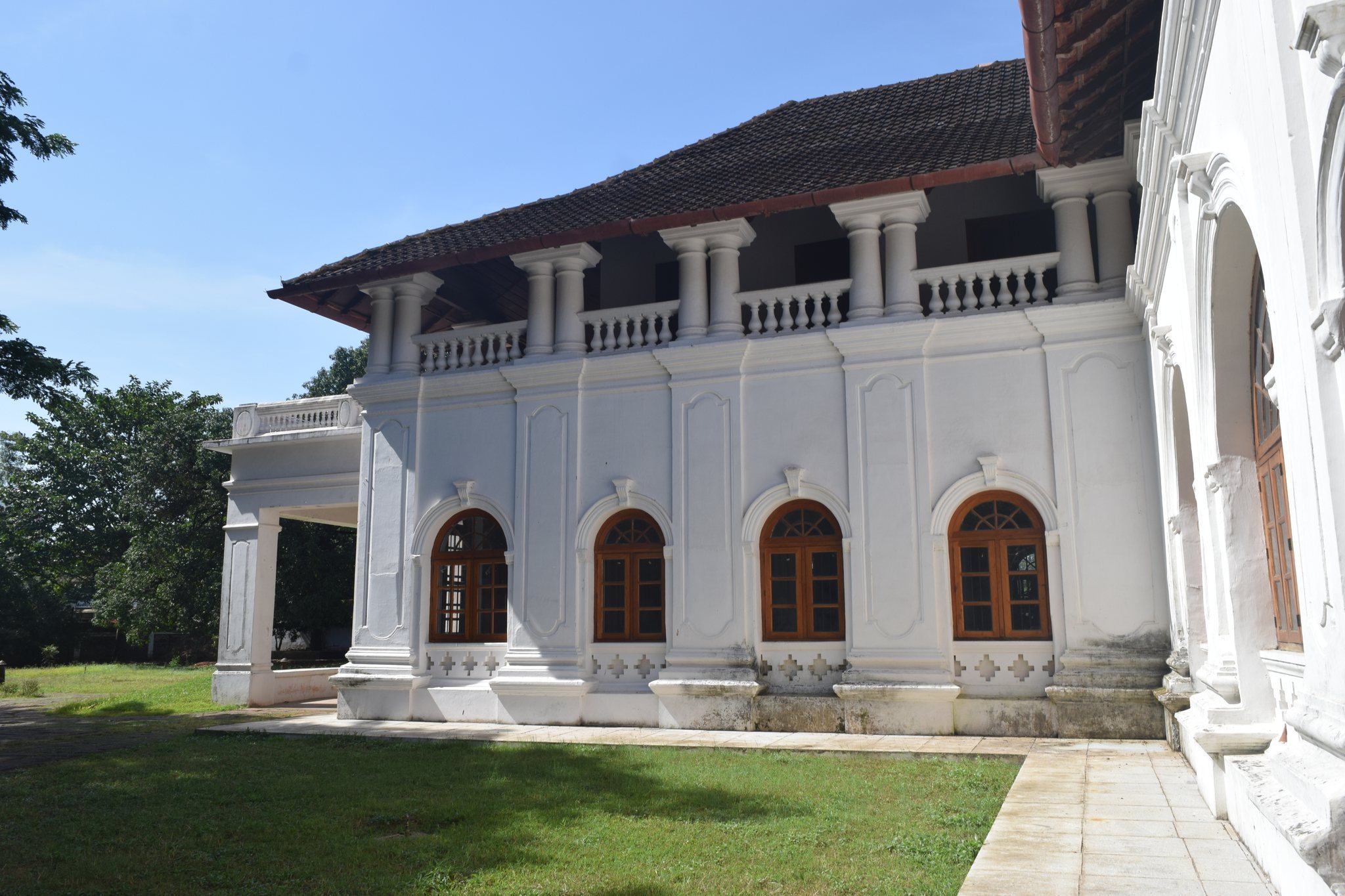
The palace is a two-storeyed building arranged according to the traditional Kerala Naḷukettu system, a plan organized around a central courtyard, and reconstructed in the Kerala-Dutch style. Its high roofs, extra-thick walls, spacious rooms, and finely smoothed Italian-marble floors reflect the building’s adaptation to different weather conditions. The museum complex also includes gardens, a sacred grove, and galleries containing archaeological and historical material from the former province of Kochi, neighbouring kingdoms, and the outskirts of Thrissur.
Palace Building
The main structure combines regional Kerala building traditions with Dutch architectural influence. Its two-storeyed form, broad interior spaces, substantial walls, and high roofs are preserved as part of the royal residence. Italian marble covers the floors, adding to the durable finish of the interiors and forming part of the palace’s surviving architectural character.
Gardens and Sacred Spaces
Sacred-Serpent Grove
A Sarpa Kavu, or sacred grove dedicated to serpent deities, lies in the palace garden beneath a Saptarna tree. It includes Naga Raja, the serpent king, and Nagayakshi, a female serpent deity. The grove remains associated with the ritual traditions of the royal household.
Heritage and Archaeological Gardens
The Heritage Garden lies south of the palace and contains indigenous varieties of Kerala plants and trees maintained for exhibition and preservation. In the northeastern part of the complex, an archaeological garden contains Stone Age remains recovered from the outskirts of Thrissur. These remains are preserved within the palace museum complex.
Museum Collections
Bronze and Sculpture Galleries
The Bronze Gallery contains bronze statues dating from the twelfth to the eighteenth centuries. The Sculpture Gallery presents granite statues dating from the ninth to the seventeenth centuries. Together, these collections form part of the museum’s presentation of regional artistic and religious history.
Writing, History, and Household Objects
The Epigraphy Gallery explains the development of ancient writing, while the History Gallery presents material connected with the history of the Kochi dynasty. A separate display of bronze and copper household utensils preserves objects used by the rulers of Kochi. Epigraphy is the study and interpretation of inscriptions.
Coins and Currency
The Numismatics Gallery contains coins used in Kerala from the fifth century BC, Roman gold coins from the Eeyyal hoard, silver Travancore coins, gold Veerarayans, and Cochin coins known as otta puthan and iratta puthan. The collection also includes coins issued by Tipu Sultan, Indo-Dutch coins, French-issued Malabar coins, and British Indian coins.
These coins represent different periods of Kerala’s history and indicate patterns of urban development and commerce. A distinctive coin board was used to measure coins in quantities ranging from hundreds to thousands. The collections of coins, inscriptions, sculptures, bronzes, household objects, and Stone Age remains are preserved or displayed across the palace museum complex.