Elbistan Great Mosque: A Historic Congregational Mosque in Türkiye

Site at a Glance
- Rating
- 4.8
- Popularity
- Very Low
- Country
- Turkey
- Primary era
- Early Modern
- Eras represented
- Medieval, Early Modern
- Civilizations
- Dulkadirid, Seljuk
- Site type
- Religious
- Remains
- Mosque
On this page4 sections
History
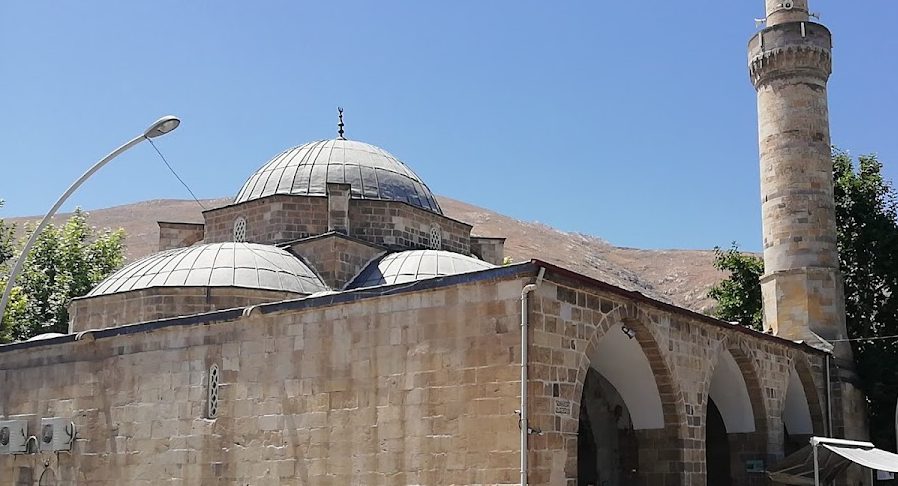
Elbistan Great Mosque, also known as Alâüddevle Bey Mosque and Cami-i Kebir, is a historic mosque in Elbistan, Türkiye. Its original construction date is uncertain, while its monumental entrance carries an inscription dated to 1239–1240. The mosque acquired its present form after the occupation of Elbistan by Shah Ismail in 1507.
The medieval inscription
The inscription on the mosque’s entrance names Emir Mübarizüddin Çavlı, a high-ranking military or administrative leader who was active during the reign of Ghiyath al-Din Kaykhusraw II, the Seljuk Sultan of Rum. The inscription has two possible interpretations. It may indicate that Çavlı built the mosque in 1239–1240, or it may have been transferred from another mosque that he commissioned.
Rebuilding after 1507
Following Shah Ismail’s occupation of Elbistan in 1507, the mosque was probably rebuilt by Şehsuvaroğlu Ali Bey between 1515 and 1522. Ali Bey ruled the Dulkadirid principality, a regional Turkmen state in southeastern Anatolia. This rebuilding gave the mosque the form it retained into the modern period. The building was damaged in the 2023 Kahramanmaraş earthquakes.
Remains
The surviving physical description centers on the mosque’s monumental entrance portal, a formal entrance feature bearing the inscription dated to 1239–1240 and naming Emir Mübarizüddin Çavlı. The portal preserves the principal architectural evidence connecting the building with the medieval phase associated with Çavlı, while the mosque’s present form reflects the rebuilding carried out after the 1507 occupation.