Hurman Castle: A Byzantine–Seljuk Fortress in Türkiye

Site at a Glance
- Rating
- 4.5
- Popularity
- Low
- Country
- Turkey
- Primary era
- Medieval
- Eras represented
- Medieval, Early Modern
- Civilizations
- Byzantine, Ottoman, Seljuk
- Site type
- Military
- Remains
- Castle
On this page6 sections
History
Hurman Castle is a Byzantine–Seljuk fortress in Türkiye, approximately 25 kilometers north of Afşin in Kahramanmaraş Province. Its origins are generally attributed to the Byzantine period, although its construction date is unknown. Coins dating as far back as Roman times indicate earlier activity at the site.
Byzantine Frontier Fortress
In the tenth century, the castle stood in a contested frontier zone between the Byzantine Empire and the Arabs. The Armenian military leader Melias reconquered the fortress for Byzantium, after which it was refortified in 911. In 916, it became the principal stronghold of the Byzantine theme of Lykandos, an administrative and military district organized for defense and local government.
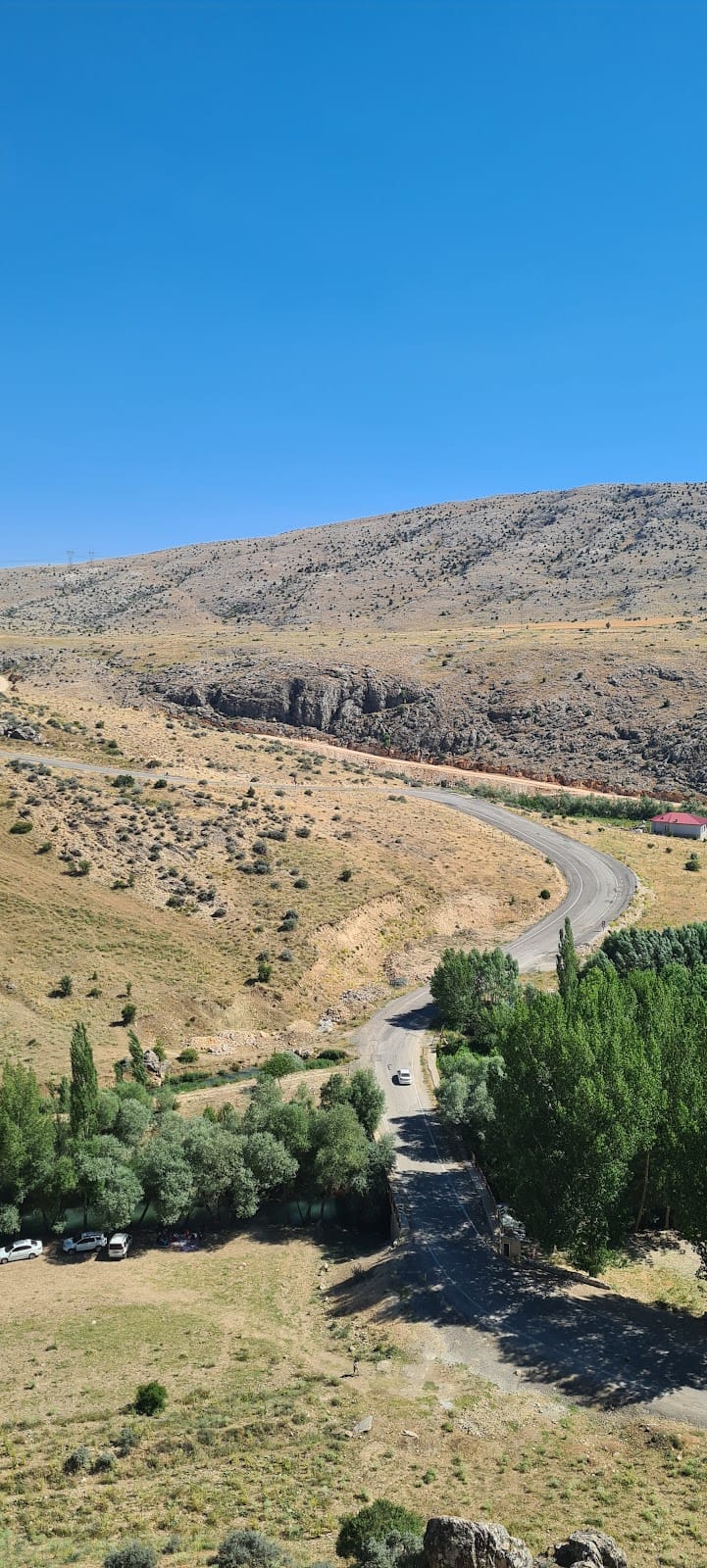
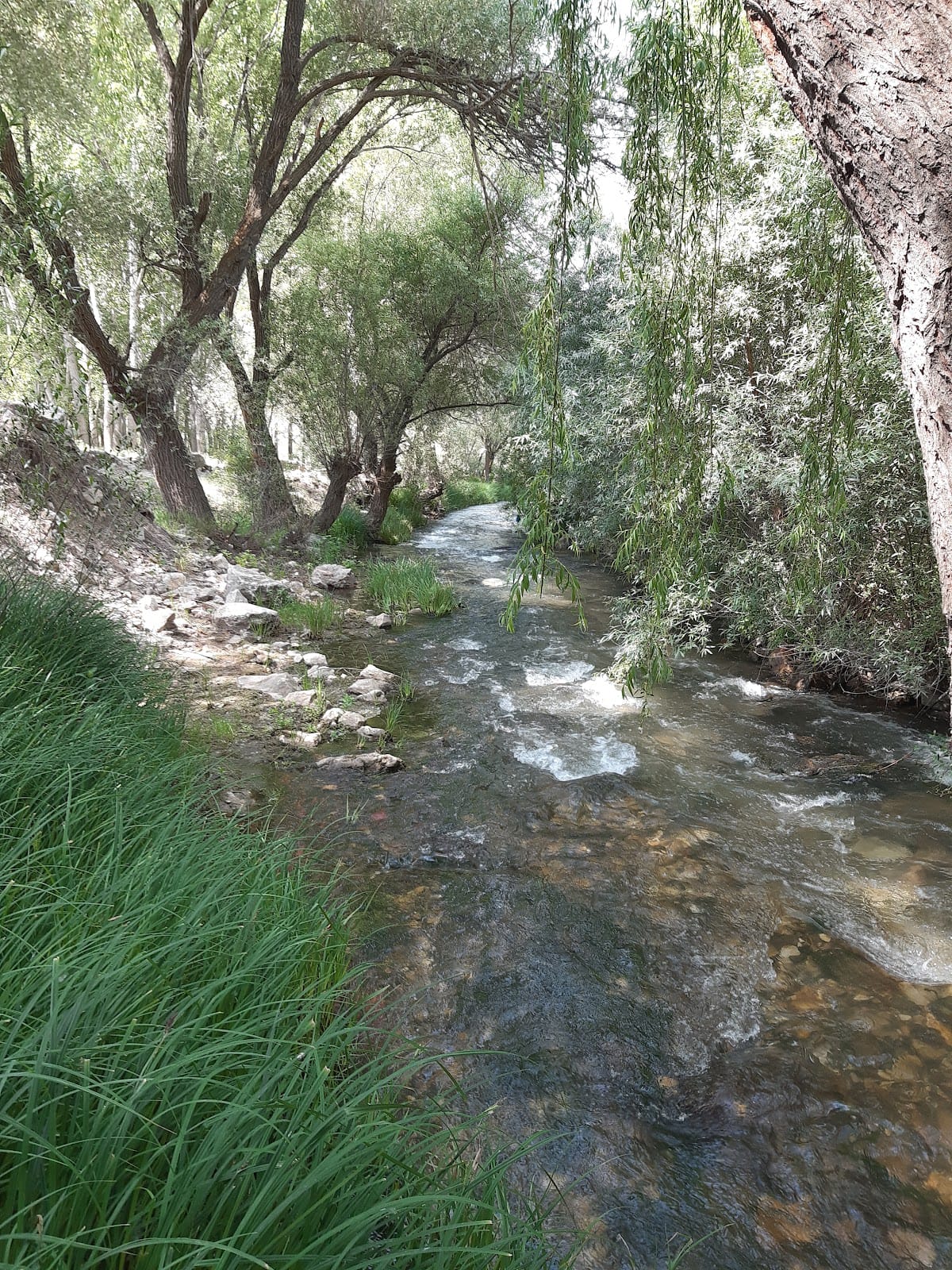
The fortress occupied a strategic position above the Hurman River valley. In antiquity, the river and the road beside it formed an important route from Cappadocia through the Dibek and Binboğa mountain ranges toward southeastern Anatolia and Syria. The river crossed the Elbistan plain south of the castle before joining the Ceyhan, giving the fortress command over an important landscape and route.
Seljuk and Ottoman Phases
From the twelfth century, when the Seljuks controlled the region, Hurman Castle was extensively rebuilt. The Seljuks were a Turkic ruling dynasty whose Anatolian branch governed much of central and eastern Anatolia from the eleventh century onward, and most of the surviving structural fabric belongs to their period. Further alterations took place under Ottoman rule during the seventeenth and eighteenth centuries.
In Byzantine times, the fortress was known as Romaina. Its Arabic name was Hisn ar-Rummān, also recorded as Hisn el-Rummân. The castle is now a ruin in Afşin District, Türkiye.
Remains
Fortifications and Entrances
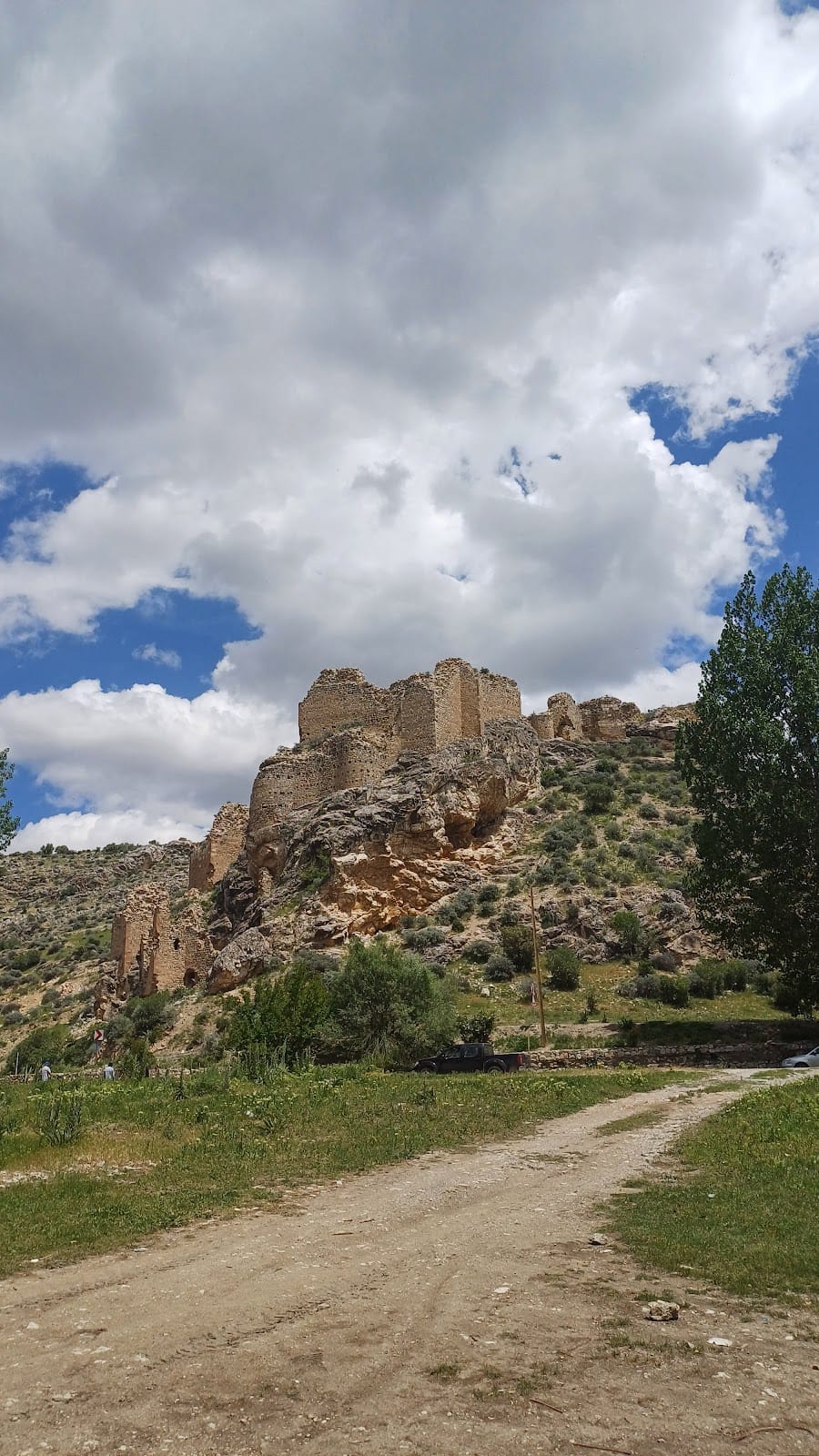
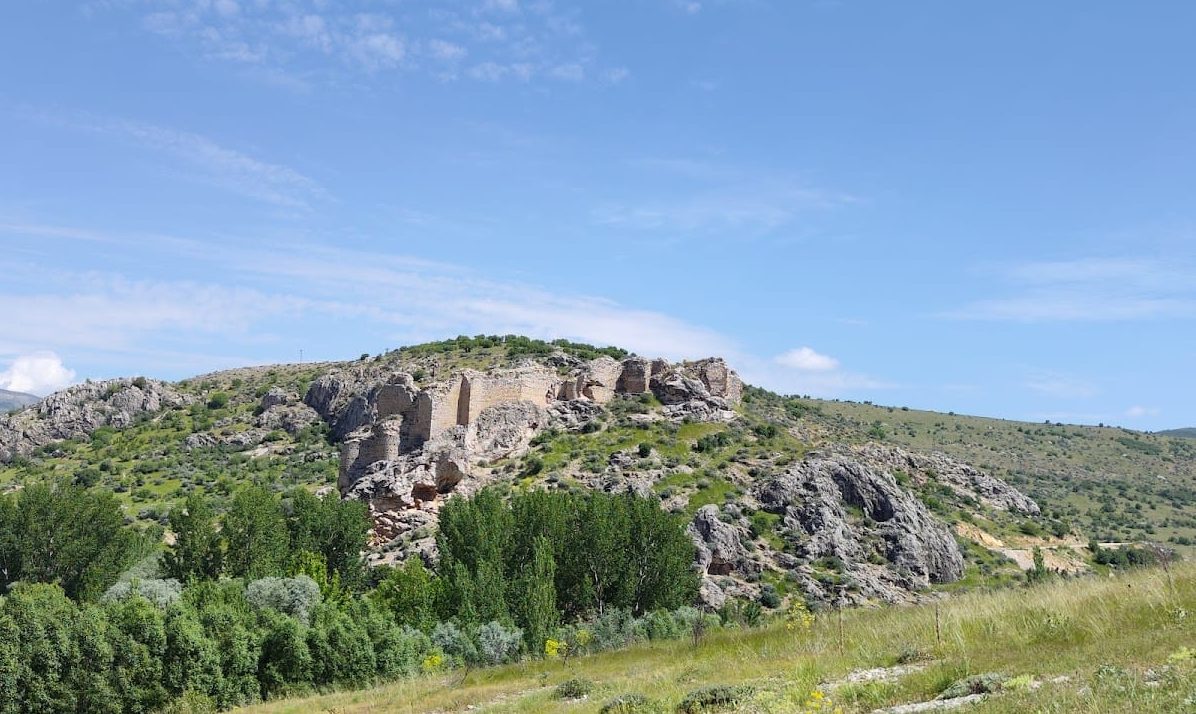
The castle stands on a rock descending southwest toward the river at an elevation of approximately 1,310 meters. Its roughly rectangular enclosure measures about 80 by 50 meters. The walls are built from large, multicolored ashlar blocks, regularly cut stones laid in courses, and surviving sections rise more than 10 meters high. Eight bastions are incorporated into the circuit.
The principal entrance was on the west side, beside the settlement associated with the castle, probably Sobagena. During the Seljuk period, a second wall with an additional gate was constructed behind this entrance. Another entrance opened on the east side.
Interior Buildings
Inside the enclosure, the buildings survive at foundation level. Their functions cannot now be determined, but these remains preserve evidence of the structures that once occupied the fortified interior.