Sveti Dimitar (Nessebar): A medieval Bulgarian single-apse church

Site at a Glance
- Rating
- 4.3
- Popularity
- Very Low
- Country
- Bulgaria
- Primary era
- Medieval
- Eras represented
- Medieval
- Civilizations
- Bulgarian
- Site type
- Religious
- Remains
- Church
History
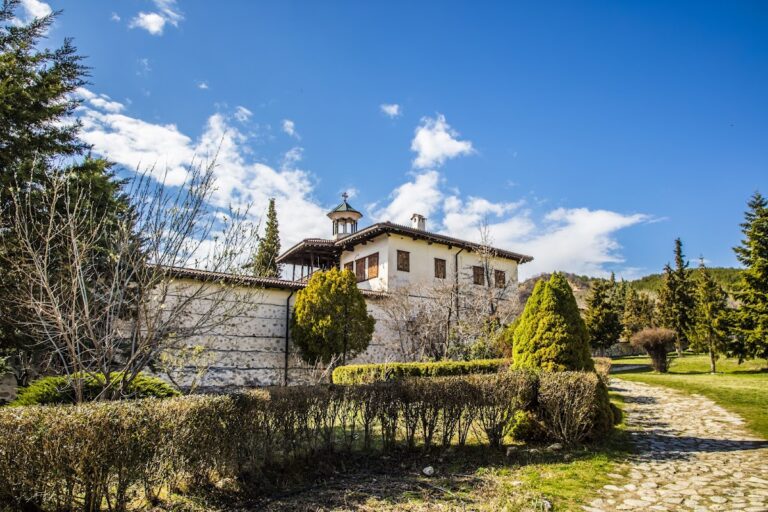
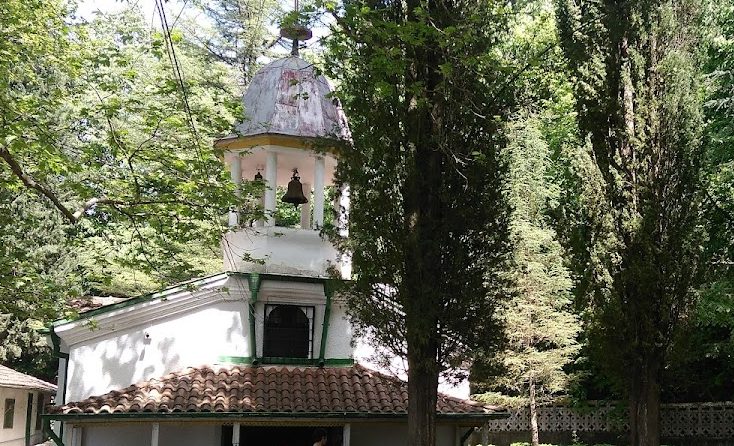
Sveti Dimitar (Nessebar) in Bulgaria is a medieval Bulgarian single-apse church built by the medieval Bulgarian Christian community. The building dates to the Middle Ages and belongs to the region’s tradition of small parish churches with a single semi-circular sanctuary end, known as an apse (semi-circular sanctuary end). Historically the site has been identified with the local dedication Saint Petka and occupies a rural position about two kilometres southeast of the village of Bogoroditsa in the Petrich area.
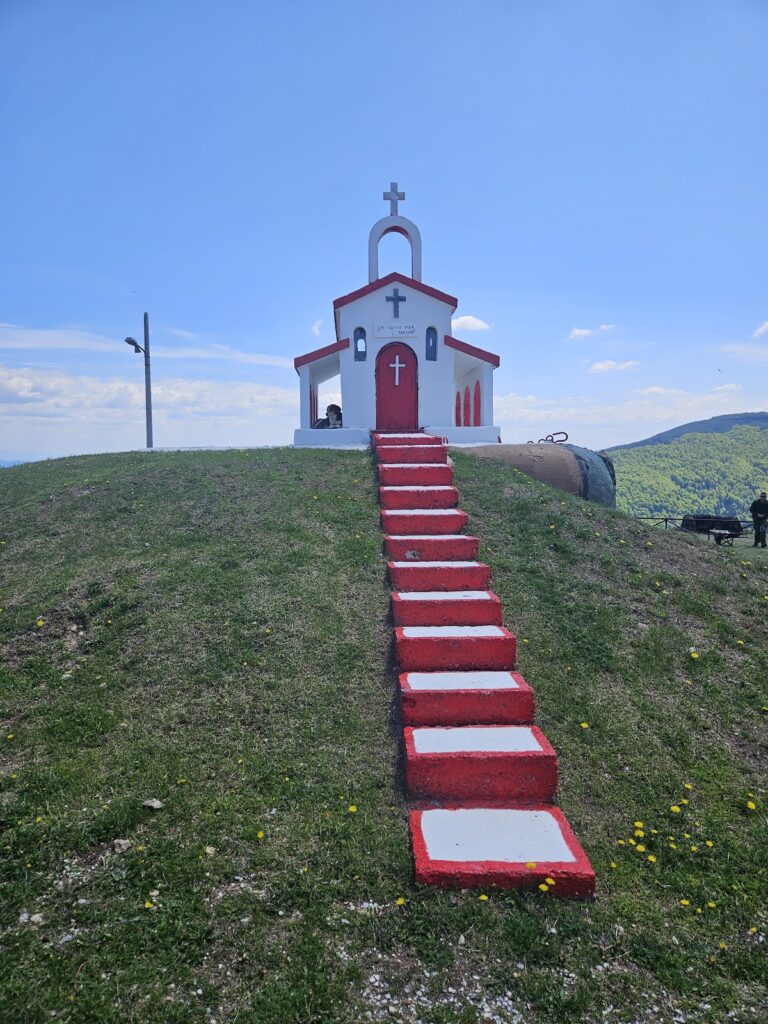
Over time the original medieval structure was altered for continued religious use. A later small chapel was erected that encloses the eastern, apse area of the older church, reflecting a phase of reuse around the sanctuary. In the modern period the place came under the Nevrokop Diocese and remains an active church within the Bulgarian Orthodox Patriarchate. The site is also entered on the national register as an archaeological monument, listed under registration number 106/49 in State Gazette no. 32 for 1965.
Remains
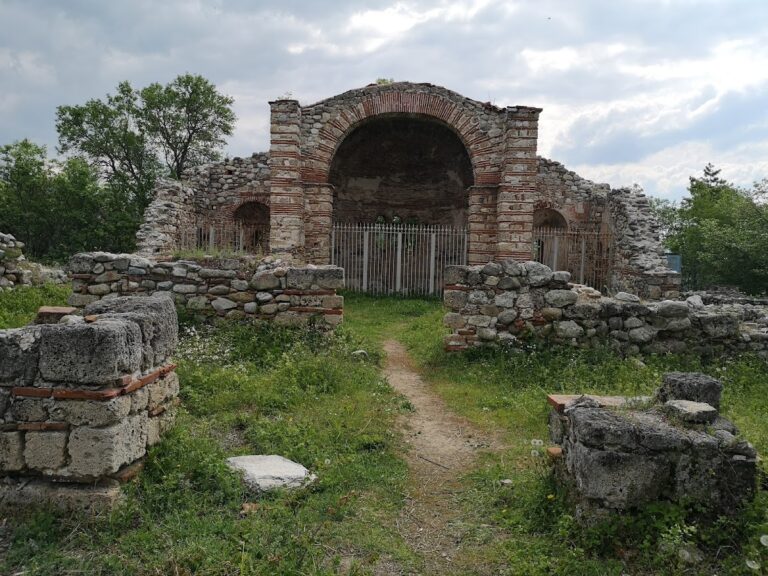
The church follows a single-apse plan, with the curved sanctuary end forming the eastern terminus of the building. Surviving fabric is principally below ground or at foundation level. The lower courses preserve the line of the northern and southern walls; these foundations each measure roughly three metres across, indicating substantial original wall thickness.
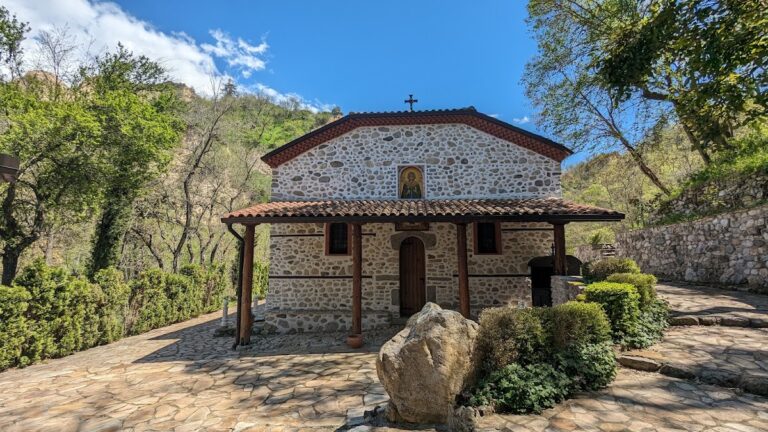
A later-built chapel surrounds and incorporates the eastern apse of the medieval building, representing a deliberate modification that centers new liturgical space on the old sanctuary. Today the site presents a mix of fragmentary medieval foundations and the later chapel structure, with the ancient north and south wall bases still visible and the eastern end occupied by the more recent religious construction.