Baščaršija Mosque: An Ottoman-Style Mosque in Sarajevo


Site at a Glance
- Rating
- 4.8
- Popularity
- Low
- Country
- Bosnia and Herzegovina
- Primary era
- Early Modern
- Eras represented
- Early Modern
- Civilizations
- Ottoman
- Site type
- Religious
- Remains
- Mosque
On this page6 sections
History
Foundation in the Ottoman period
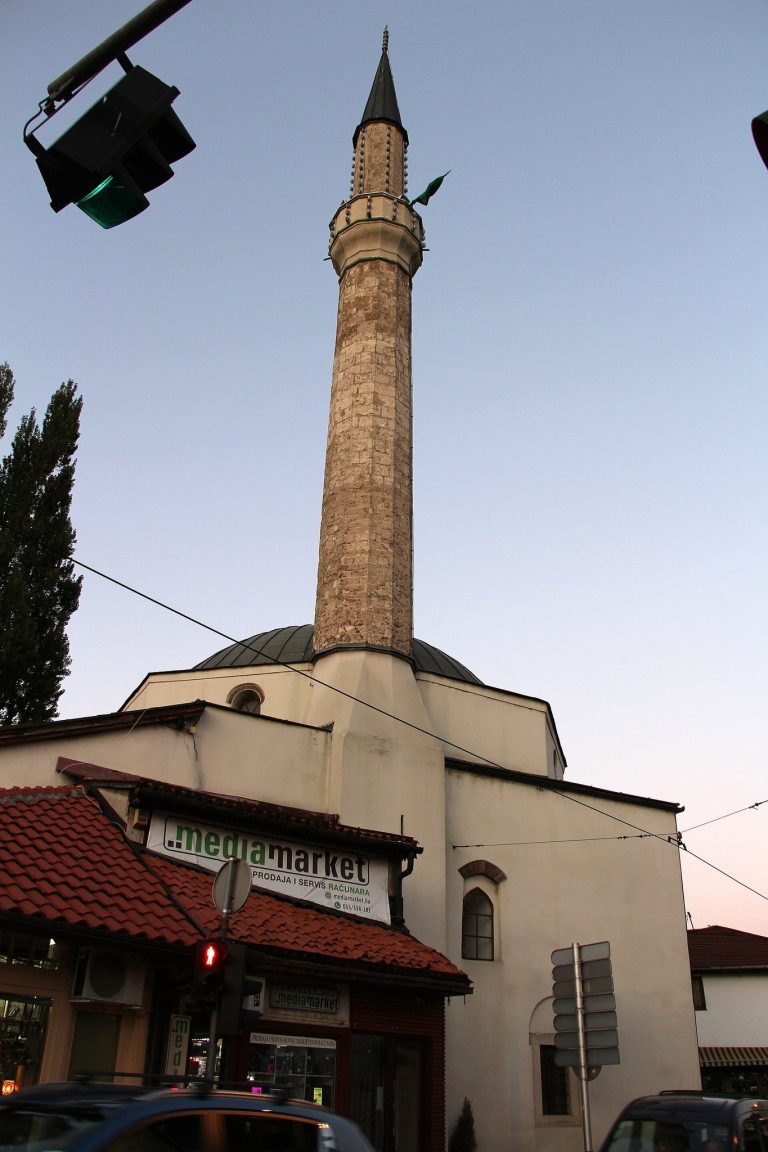
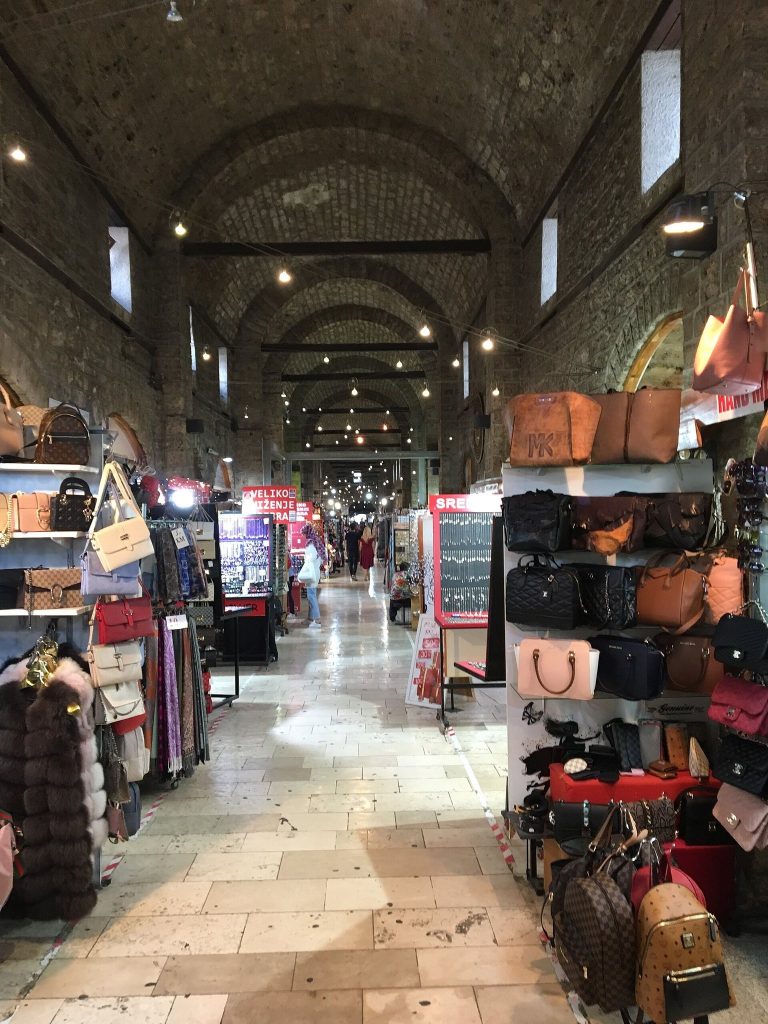
Baščaršija Mosque, also known as the Havadže Durak Mosque, is an Ottoman-style mosque in Sarajevo, Bosnia and Herzegovina, built in 1528 as the waqf, or charitable endowment, of Hodža Durak. The honorific hodža traditionally referred to a Muslim religious teacher or scholar. At the time of its construction, the mosque stood at the center of Sarajevo’s commercial district, Baščaršija, the city’s historic marketplace quarter.
The mosque formed part of the economic life of this area as well as its religious life. Several benefactors, most of them merchants, endowed properties whose income helped finance the delivery of sermons there. Through these endowments, the building was supported by a wider network of property holders connected with Sarajevo’s commercial community.
Fire, repainting, and reconstruction
The mosque originally had a wooden dome, but that structure was destroyed in the fire of 1697. The present dome was built afterward. In 1762, Mehmed-pasha Musinović paid for the mosque to be repainted. The building was reconstructed after the Second World War, preserving its place within the historic quarter.
National heritage protection
Baščaršija Mosque was designated a National Monument of Bosnia and Herzegovina in 2006. The Commission for the Preservation of National Monuments adopted the designation during its session of 4–11 September 2006.
Remains
Domed prayer space and minaret
The mosque is a single-space Ottoman-style building with one main dome, an open external porch covered by small domes, and an attached stone minaret. Its exterior measures approximately 11.5 by 11.7 metres. The octagonal minaret has an approximate diameter of 2.10 metres and rises 34.70 metres to the alem, the finial placed at the top of a minaret or dome. Travertine forms the principal material of the minaret, while limestone is also identified among the building materials. Inside, the prayer space is noted for its effective use of natural daylight and very good acoustics.