Saint Andrew Church, Peristera: A Byzantine Monastery Church in Greece


Site at a Glance
- Rating
- 4.9
- Popularity
- Low
- Country
- Greece
- Primary era
- Medieval
- External website
- Open
- Eras represented
- Medieval
- Civilizations
- Byzantine
- Site type
- Religious
- Remains
- Church
On this page6 sections
History
Foundation and Byzantine Monastic Use
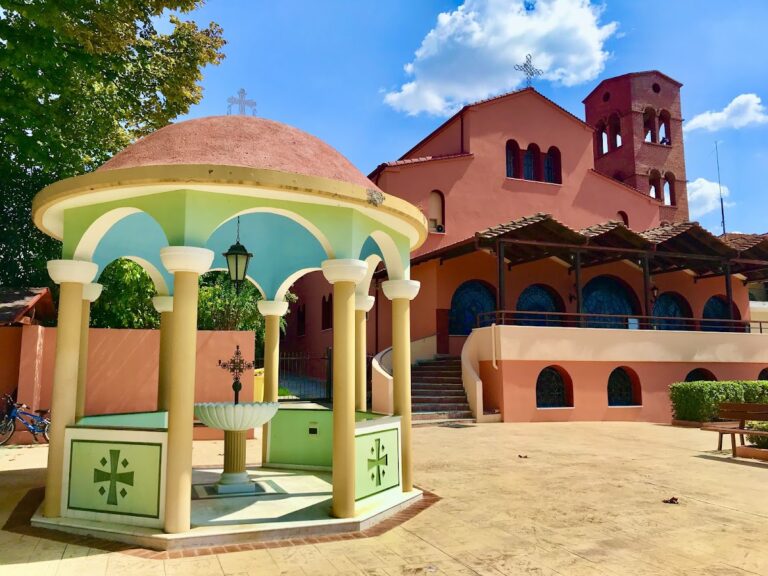
Saint Andrew Church, Peristera, is a Byzantine church in Greece, founded in 870 and built in the late ninth century through the efforts of Saint Euthymius the New, a Byzantine monastic saint associated with founding religious communities. It was erected on the site of an earlier Early Christian church and served as the katholikon, or principal church, of Peristera Monastery.
In 964, the monastery was placed under the authority of the newly founded Great Lavra on Mount Athos, one of the principal monasteries of that important Eastern Orthodox monastic center. From the tenth through the fifteenth century, Saint Andrew Church functioned as a dependency of Great Lavra.
Continuity and Restoration
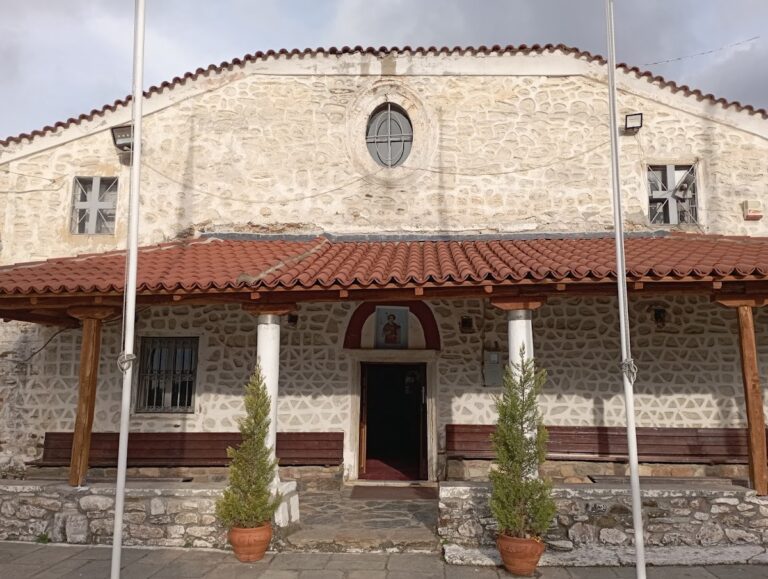
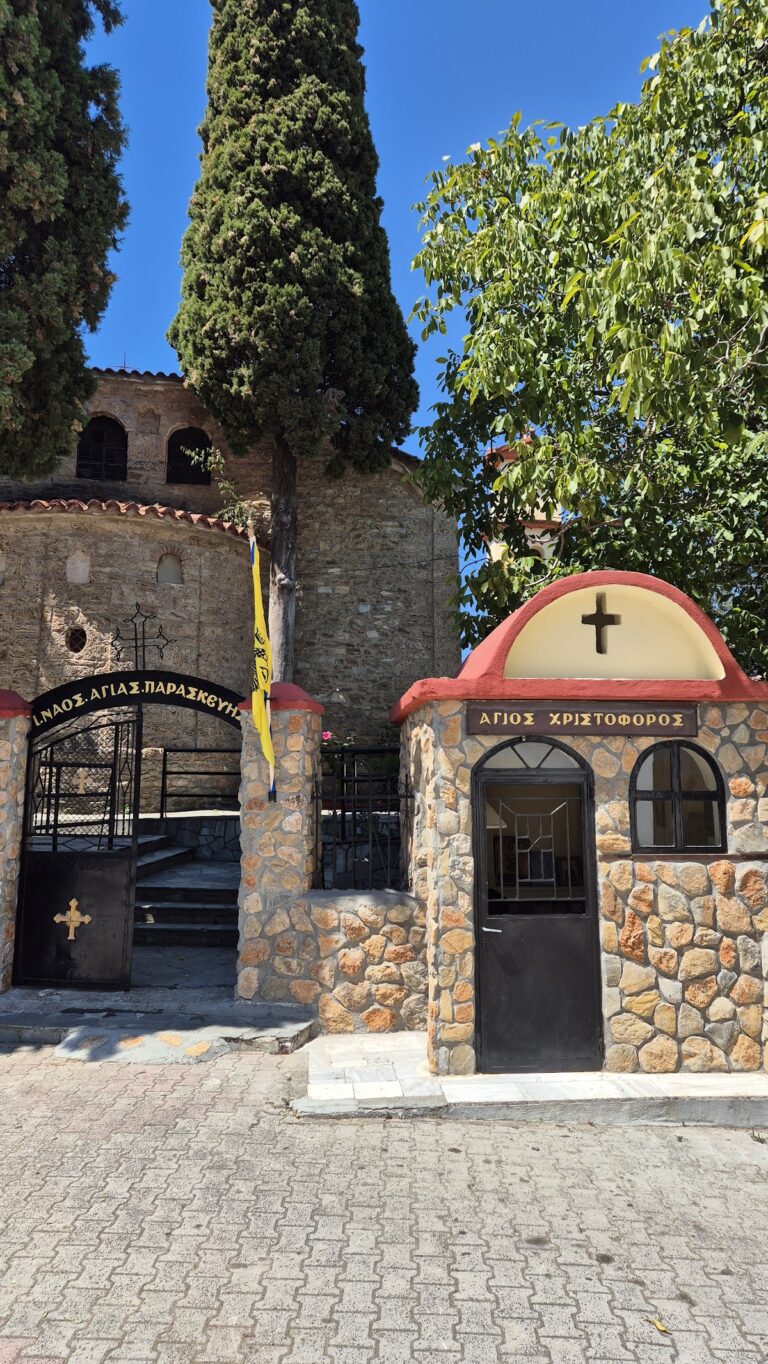
Peristera Monastery was eventually abandoned and replaced by the present settlement. Saint Andrew Church remained as its only surviving building and continues to serve as the parish church of Peristera. It belongs to the Ecumenical Patriarchate and falls under the jurisdiction of the Metropolis of Ierissos, Mount Athos, and Ardamerion, an Eastern Orthodox ecclesiastical diocese.
The church was restored in 1985 and underwent further restoration in 2015 after fire damage. It is recognized as an archaeological site and a protected building.
Remains
Plan and Construction
The church has a cross-shaped tetraconch plan, with five domes arranged over the arms of the cross. A large square central space is covered by a dome resting on four columns. Each corner contains a squinch, an architectural device that bridges a square corner to support a dome, and each squinch carries another dome. Two rectangular spaces beside the altar are covered with stone slabs.
Rough stone, mortar, and bricks form the building. Its architectural features reflect influence from Asia Minor and preserve a design that predates the later architectural tradition of Mount Athos. The addition of the narthex, an entrance vestibule at the western end of a church, changed the original form of the building.
Frescoes, Tomb, and Icons
Ninth-century frescoes survive inside the church, including an image of Christ Pantocrator, the Orthodox representation of Christ as universal ruler. Conservation work also revealed further ninth-century wall paintings in the arches beneath the central dome.
The tomb of Saint Euthymius is inside the church, which also preserves his relics. The narthex contains an icon of the Virgin Eleousa, a Marian image emphasizing the Virgin’s tender relationship with the Christ Child. The icon dates from 1887 and was made by Athanasios Adamisios.