Gnadenkirche: An Evangelical Lutheran Parish Church in Leipzig
Site at a Glance
- Rating
- 4.6
- Popularity
- Very Low
- Country
- Germany
- Primary era
- Medieval
- External website
- Open
- Eras represented
- Medieval, Early Modern, Modern
- Civilizations
- Electorate of Saxony, German, Holy Roman Empire, Margraviate of Meissen
- Site type
- Religious
- Remains
- Church
On this page9 sections
History
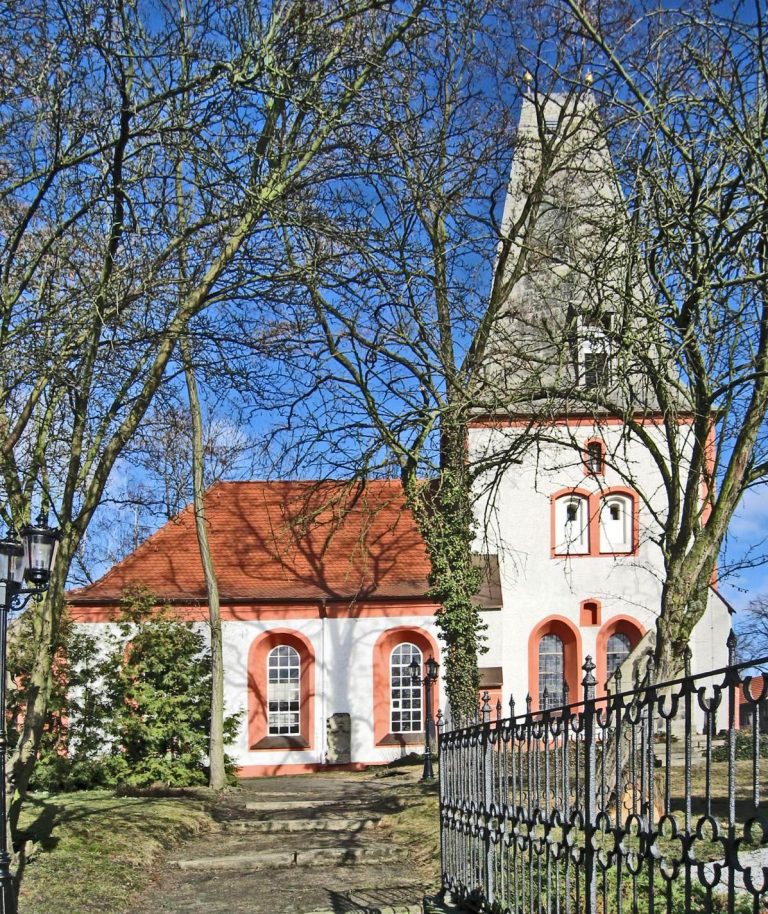
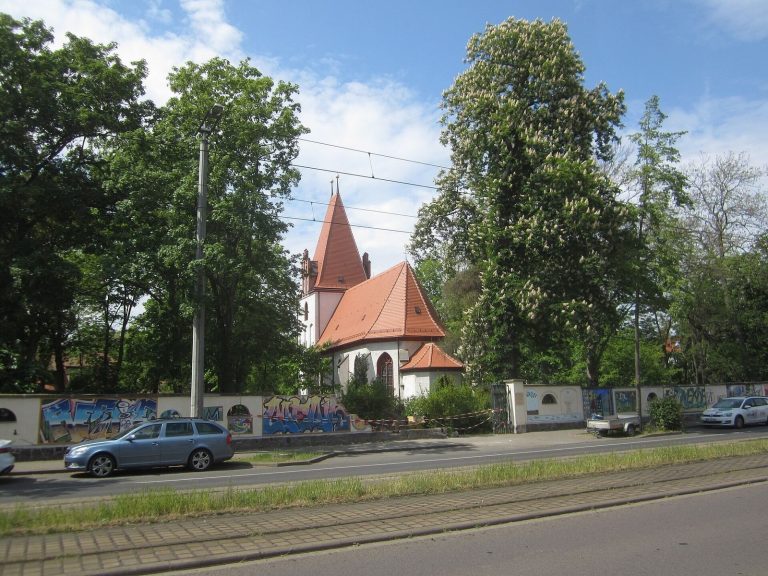
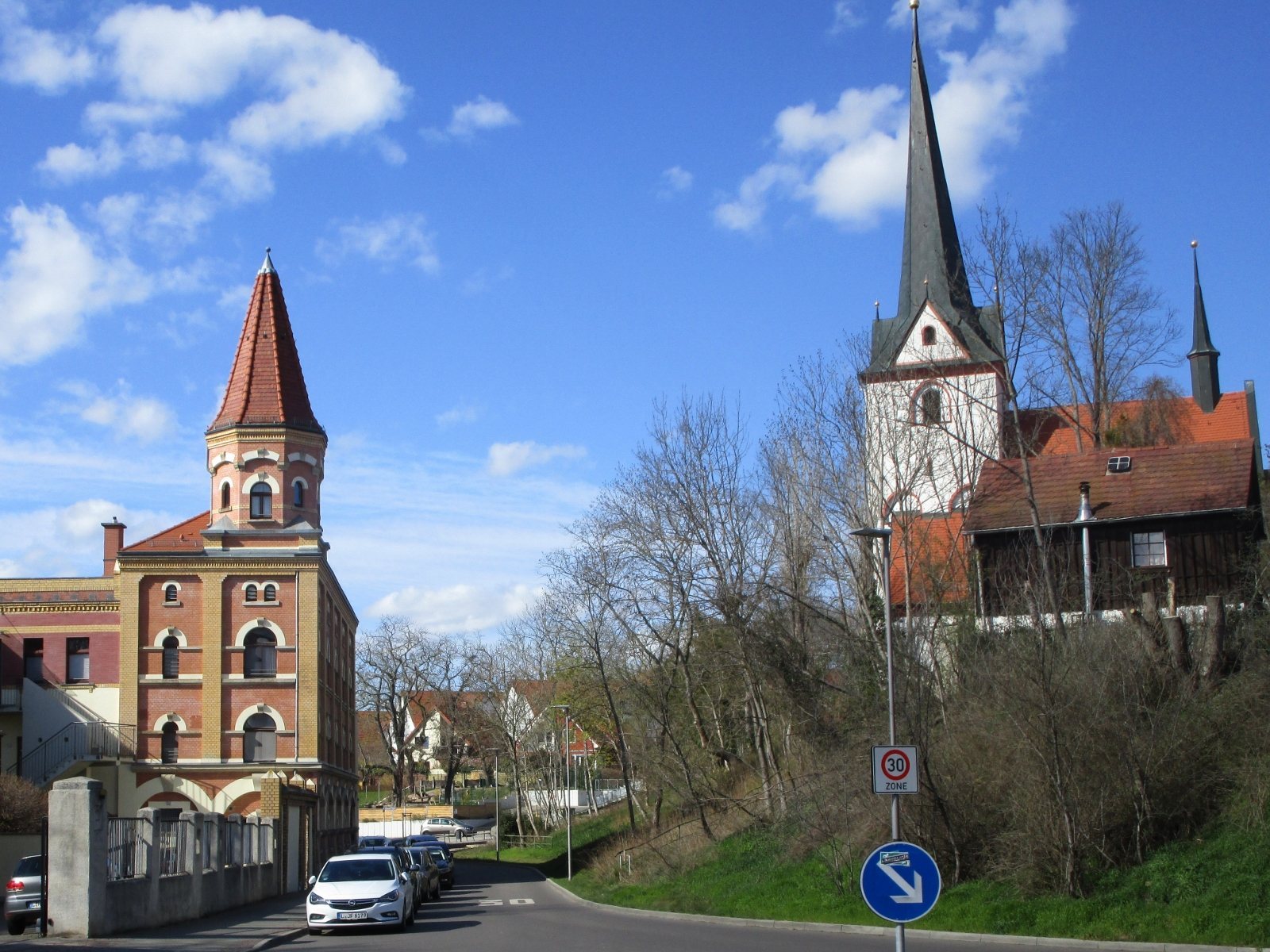
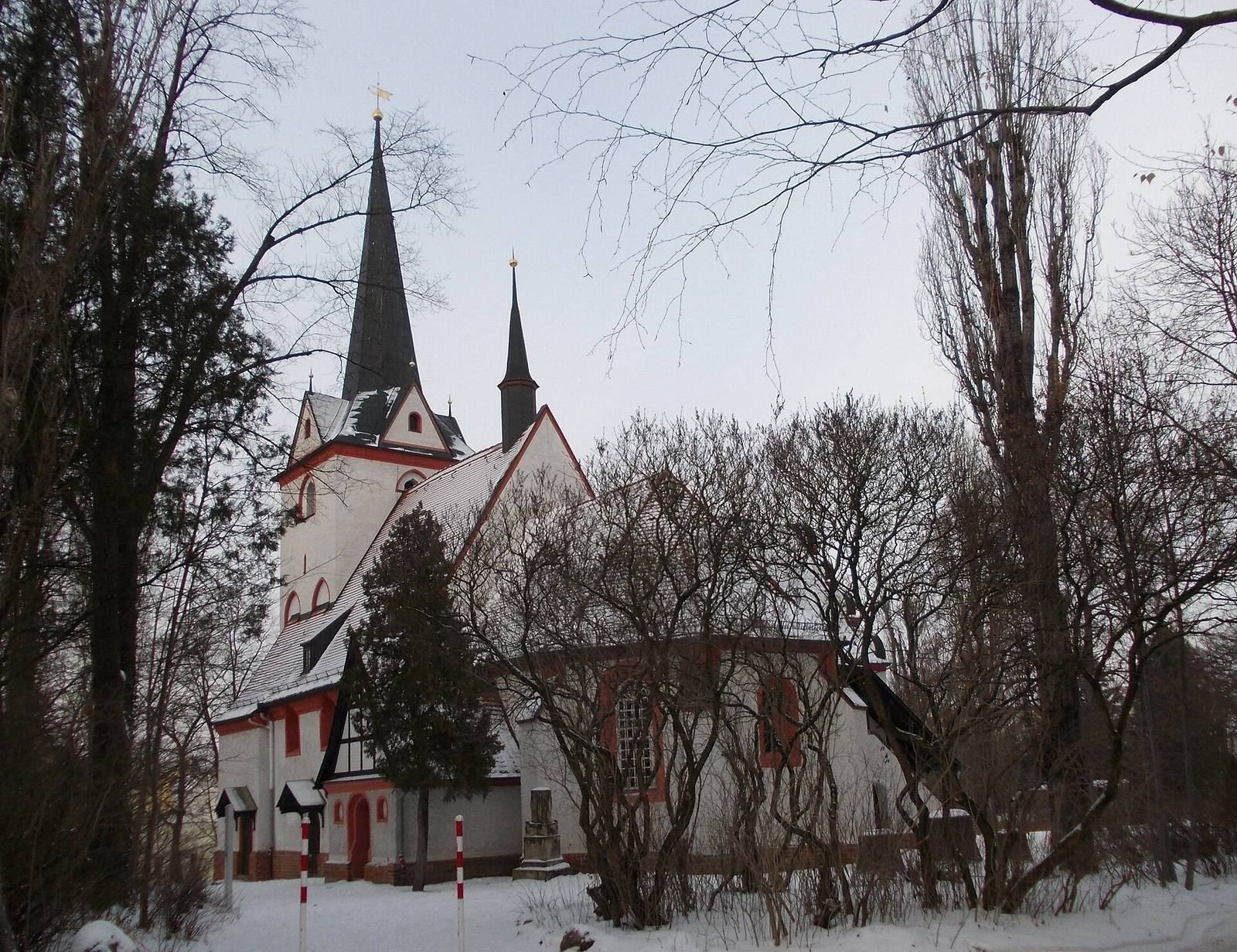
Gnadenkirche is an Evangelical Lutheran parish church in Leipzig, Germany, built in the late twelfth century on the Opferberg in Leipzig-Wahren. Its name, meaning “Church of Grace,” was adopted in 1935. The site is traditionally associated with a chapel said to have stood on the hill around AD 1000.
Medieval development
The church was enlarged before 1500, when its altar area was extended. The choir was built over, lengthened toward the east, and given three windows, while a new altar was installed. These changes established the basic setting for later medieval furnishings, including the figures of the Twelve Apostles, the principal disciples of Jesus in Christian tradition.
Later changes and conservation
The former winged altar, an altar with hinged side panels, was altered in the eighteenth and nineteenth centuries. In 1736, the Apostle figures were removed from the altar wings and placed in the manorial box, a reserved gallery for the lord of the manor. In 1844, the central shrine showing the Coronation of Mary, a Christian image of Mary being crowned in heaven, was removed when a pulpit was installed. The pulpit had previously stood at the southeast corner of the gallery.
The church’s first organ was installed in 1699 by an unknown builder. Johann Gottlob Mende of Leipzig constructed a replacement in 1830, followed by the present organ, built in 1929 by Gebrüder Jehmlich of Dresden. Hermann Lahmann of Leipzig altered its arrangement in 1958, and Jehmlich carried out a thorough overhaul between 2000 and 2002.
During the First World War, the church’s bronze bells were confiscated in 1917 for military production as part of Germany’s wartime metal-collection program. Three hard-cast iron bells from Apolda were installed in the tower at the end of 1919, along with a new supporting frame and ringing mechanism. New bronze bells were cast at the Rincker bell foundry in Sinn on 6 July 2012. They were consecrated on 23 September and raised into the tower on 24 September 2012. Their sound was intended to harmonize with that of the Catholic Church of St Albert in Wahren.
Gnadenkirche underwent comprehensive renovation from 1990 to 1993. During this period, the Apostle figures were moved from the fields of the western gallery and attached to two shrine cases on the south side of the choir. This arrangement brought the medieval sculptures into their present setting.
Remains
Building and medieval fabric
Gnadenkirche is a hall church, meaning that its main interior forms one unified hall rather than a high central nave flanked by lower aisles. The main body ends in a narrower recessed choir closed on three sides, and a tower rises at the west. Romanesque elements survive in the fieldstones of the foundation wall, which continue into the choir area, and in the baptismal font positioned in the tower area. Romanesque architecture is a medieval tradition associated with massive masonry, rounded forms, and robust construction.
Historic additions and furnishings
Choir sculptures and altar remains
The fifteenth-century figures of the Twelve Apostles now stand in two shrine cases on the south side of the choir. They originally formed part of the wings of the former altar. The surviving central shrine of that altar depicted the Coronation of Mary before it was removed in 1844 for the installation of the pulpit.
Gallery and Renaissance detail
A sturdy upper storey was added above the sacristy in the seventeenth century. Known as the school gallery, it was associated with schoolchildren’s participation in worship. When the organ was installed in 1699, the space was converted into a manorial box. A Mannerist gable survives on the north side of the church. Mannerism was a more stylized development of Renaissance architecture, while Renaissance design revived classical artistic principles.
Organ and later decorative features
The present organ has two manuals, keyboards played by the hands, a pedal, and nineteen stops, each a selectable group of pipes with a particular tone color. Its couplers connect the manuals and pedal, and it also has an upper-octave and a sub-octave coupler for the second manual. The instrument includes a swell, a crescendo roller, and one free combination, which allows a selected registration of stops.
The lectern, the second wooden baptismal font, the light-green ornaments in the gallery fields, and the two stairways at the tower display Art Nouveau characteristics. Art Nouveau was a late nineteenth- and early twentieth-century style known for flowing lines, organic ornament, and stylized decorative forms.