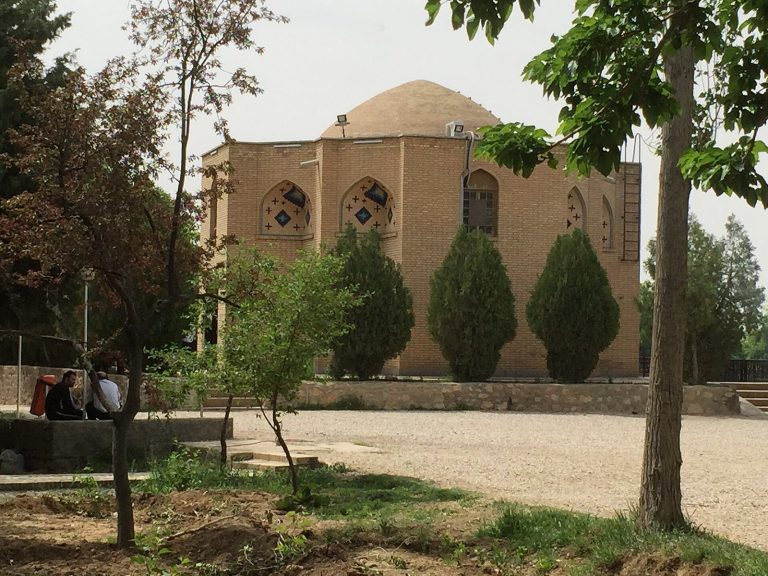
Jameh Mosque of Gorgan: A Seljuk-Era Friday Mosque in Iran
Site at a Glance
- Rating
- 4.2
- Popularity
- Very Low
- Country
- Iran
- Primary era
- Medieval
- Eras represented
- Medieval, Early Modern
- Civilizations
- Afsharid, Safavid, Seljuk, Timurid
- Site type
- Religious
- Remains
- Mosque
On this page10 sections
History
Jameh Mosque of Gorgan is a Shia Friday mosque in Gorgan, Iran, built during the Seljuk period in 1018. Its construction most likely coincided with that of the associated brick minaret, and the mosque became part of the historic Nalbandan neighborhood beside the old Nalbandan bazaar.
Seljuk foundation and later development
The Seljuks were a major medieval Islamic dynasty whose rule in Iran was associated with brick architecture and monumental religious buildings. The mosque preserves elements from this period, while later building campaigns expanded, ornamented, and extensively renovated it in Timurid, Safavid, and Afsharid styles.
The Timurids ruled much of Iran and Central Asia after the conquests of Timur and were known for elaborate monumental design and decoration. The Safavids later established a powerful Iranian dynasty and made Shia Islam the state religion. Inscriptions inside the mosque include a decree from the reign of Shah Tahmasp, the Safavid shah who ruled from 1524 to 1576. Further engraved decrees belong to the Afsharid period, the eighteenth-century dynasty that followed Safavid rule. The oldest stone inscriptions attached to the western iwan wall date to the Qarā Qoyunlu period, when the Black Sheep Turkmen controlled parts of Iran and Iraq before the Safavids.
Protection, damage, and continuing deterioration
Jameh Mosque of Gorgan was placed on Iran’s National Heritage List in 1932 as an archaeological monument. It is administered by Iran’s Cultural Heritage, Handicrafts and Tourism Organization. A mid-twentieth-century earthquake damaged the building, and repairs followed with assistance from the Lion and Sun Society, Iran’s former national humanitarian relief organization.
The mosque has continued to deteriorate because of the age of its fabric and local soil conditions. Its structural materials have eroded, the building has settled, and cracks have developed in the vault. A proposal to strengthen the foundations and piers and replace deteriorated mortar was not approved. By June 2023, restoration remained incomplete.
Remains
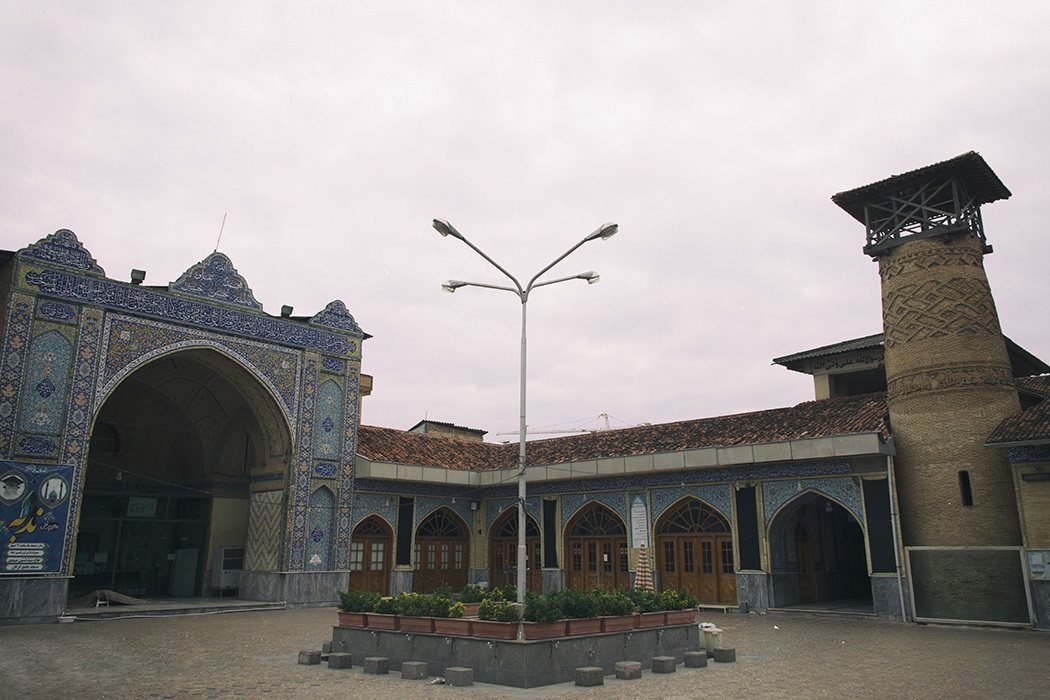
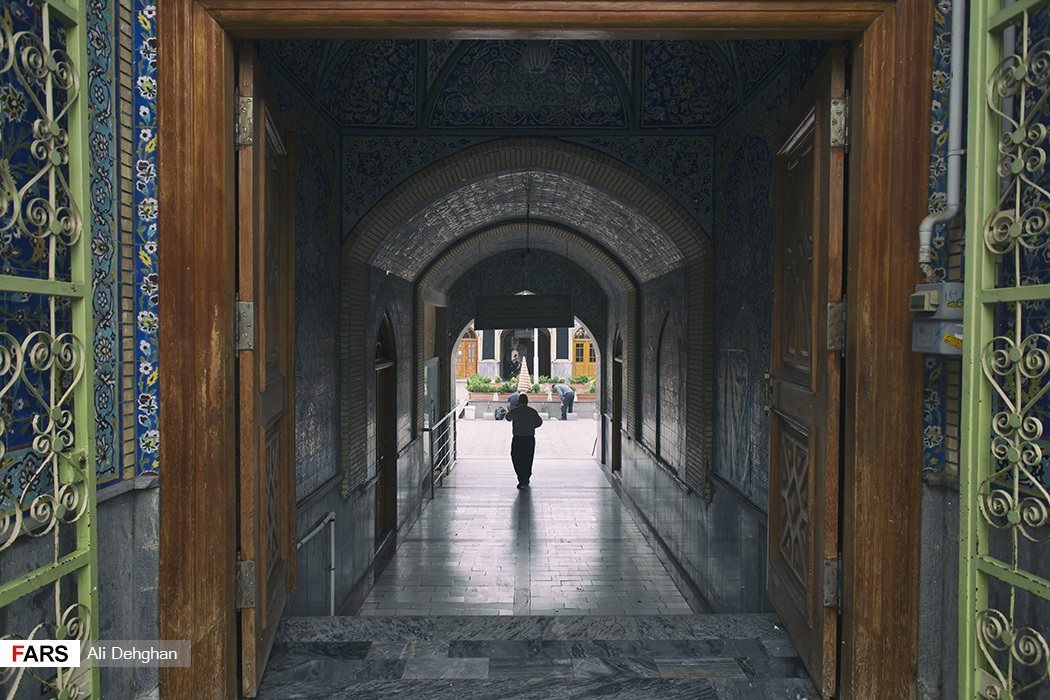
The mosque occupies approximately 1,600 square metres and is organized around a large sahn, or open courtyard, with portals facing north and south. Brick, mortar, and tile form the principal construction materials. Its iwan plan, an arrangement using vaulted halls or recesses opening onto a courtyard, belongs to the early centuries of the Islamic period, as indicated by archaeological investigations and surviving paving remains.
Courtyard and Seljuk minaret
Brick minaret
A round brick minaret in the Seljuk style stands within the mosque complex. Its surface bears a Kufic inscription. Kufic is an early angular Arabic script frequently used for inscriptions on Islamic buildings, and the minaret forms a surviving architectural link with the mosque’s Seljuk foundation.
Iwans and paving
The courtyard is framed by portals on its northern and southern sides. The placement of the iwans and the surviving paving belong to an early Islamic arrangement, while the western iwan wall carries stone inscriptions from the Qarā Qoyunlu period and later Safavid additions. These elements preserve successive phases of the mosque’s development within the courtyard plan.
Inscriptions and interior furnishings
Inscribed decoration
Epigraphic decoration is incorporated into the mosque’s brickwork and other surfaces. The western iwan wall contains some of the oldest stone inscriptions, including a decree associated with Shah Tahmasp. Engraved decrees from both the Safavid and Afsharid periods are preserved inside the building.
Wooden furnishings and door
The interior includes a carved wooden mihrab, the feature marking the direction of prayer, and a carved wooden Timurid-period minbar, the pulpit used for preaching. A two-leaf wooden door has highly distinctive mosaic inlay, adding a finely worked element to the mosque’s surviving interior furnishings.
The present fabric remains affected by erosion, settlement, and cracking in the vault. These conditions affect the brick, mortar, and tile structure that preserves the mosque’s Seljuk, Timurid, Safavid, and Afsharid architectural layers.