Tastil: An Atacameño City-State in Argentina
Site at a Glance
- Popularity
- Medium
- Country
- Argentina
- Primary era
- Medieval
- Eras represented
- Medieval, Early Modern
- Civilizations
- Inca
- Site type
- Settlement
- Remains
- City
On this page12 sections
History
Tastil is an archaeological settlement in Salta Province, Argentina, whose emergence as a city-state is dated to the 13th century and attributed to the Atacameño people. A city-state is an urban center that governs surrounding territory. Mummies identified as those of rulers underpin the dating of Tastil’s emergence. It was a monarchy, its people spoke Kunza, and its religious practices are described broadly as pagan, a general label rather than the name of a specific faith.
Growth and regional influence
At its height in the late 15th and early 16th centuries, Tastil was among the largest pre-Columbian cities in what is now Argentina. The city had more than 2,000 inhabitants, while the wider lordship, a territory governed by a local ruler, is estimated to have held about 3,000 people. Puerta Tastil and Morohuasi were subordinate settlements, and Tinti in the Lerma Valley may also have been under Tastil’s authority.
Agricultural production centers at the foothills of Nevado de Acay, Paño, and Potrero supplied Tastil and its subordinate settlements. Tastil controlled much of the Lerma Valley and maintained friendly relations with the Colla, an Andean people and polity, and with Mapuche groups in what is now Chile. The city may have served as an intermediary in trade between Andean polities and Pacific-coast settlements. Its traders may also have reached copper mines in present-day Chile.
Inca expansion and displacement
Inca expansion began while Tastil was prosperous. The course and outcome of the conflict remain uncertain: Tastil may have been defeated under Tupac Yupanqui, a ruler of the Inca Empire, and Huayna Capac, his successor, may have ended the city’s remaining autonomy. The empire, centered in Cusco, reorganized the settlement to serve its territorial and agricultural interests.
Tastil’s original inhabitants were displaced and made mitmakuna, people relocated under Inca rule to serve imperial settlement or administrative policies. Residents faced agricultural and territorial arrangements designed for Inca interests, while Quechua-speaking colonists were settled in the city. The displacement was not a voluntary departure by Tastil’s original population. The settlement was abandoned before the Spanish arrived.
Rediscovery and modern history
Swedish archaeologist Eric Boman rediscovered the ruins in 1903. In 1967, a team from the National University of La Plata, led by Professor Eduardo Mario Cigliano, partially reconstructed them. Tastil became a National Historic Monument in 1997, the same year the Moisés Serpa Regional Museum of Tastil opened in nearby Santa Rosa de Tastil. In 2014, the ruins were included in the UNESCO World Heritage listing for Qhapaq Ñan, the Andean road system.
Ten Tastil communities in the municipality of Campo Quijano claim descent from the site’s former inhabitants, with most located in the Toro gorge. Beginning in 2000, they organized to reassert a cultural identity distinct from the Kolla.
Remains
Settlement plan and construction
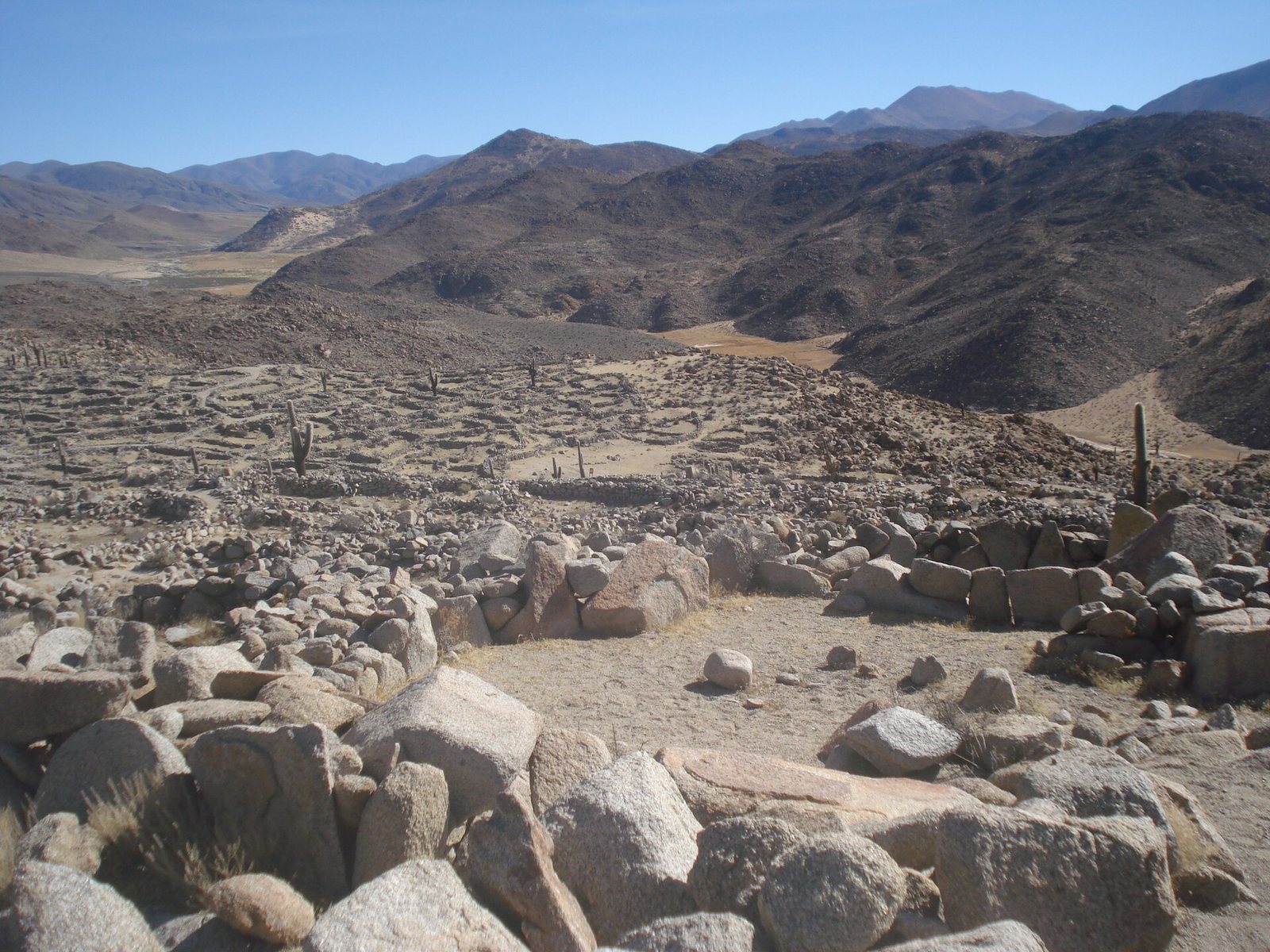
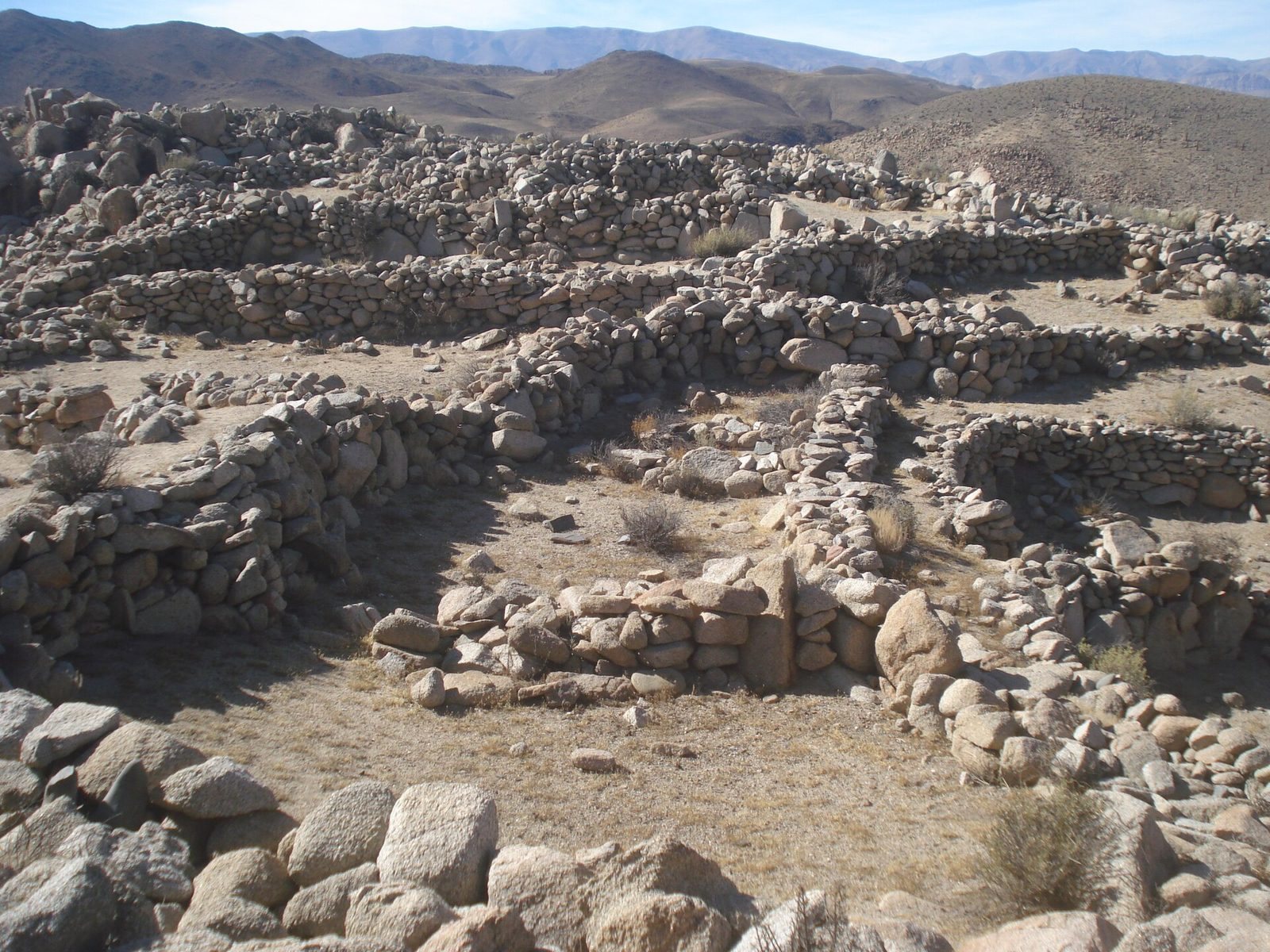
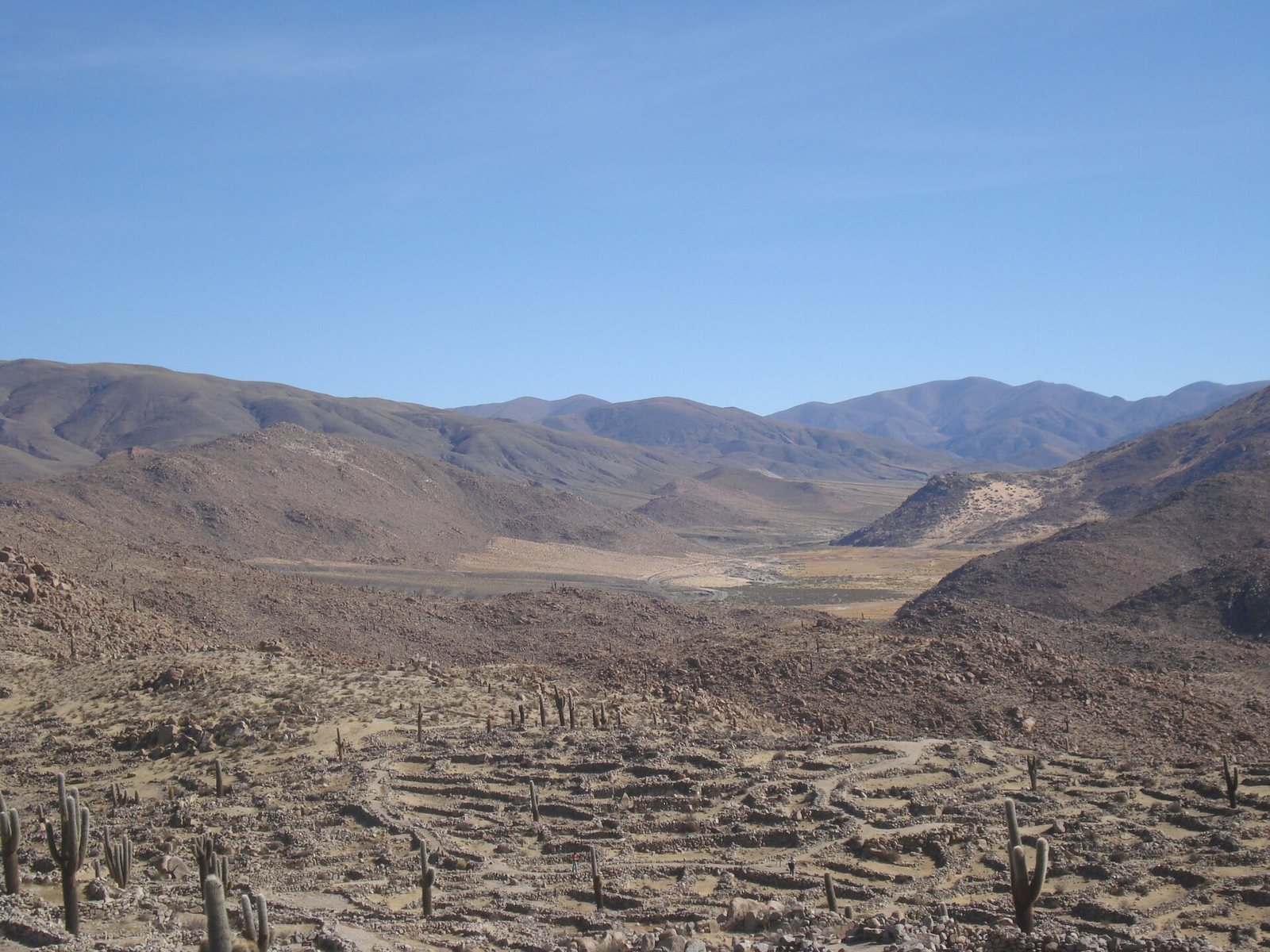
The ruins stand at about 3,200 metres above sea level along the Toro River in the Toro gorge, in the pre-Puna zone between the Atacama Puna and the Calchaquí Valleys. The settlement covered about 12 hectares. Its layout joined residential, communal, ritual, and working areas through winding, raised streets, and its buildings were constructed from stone.
Dwellings and streets
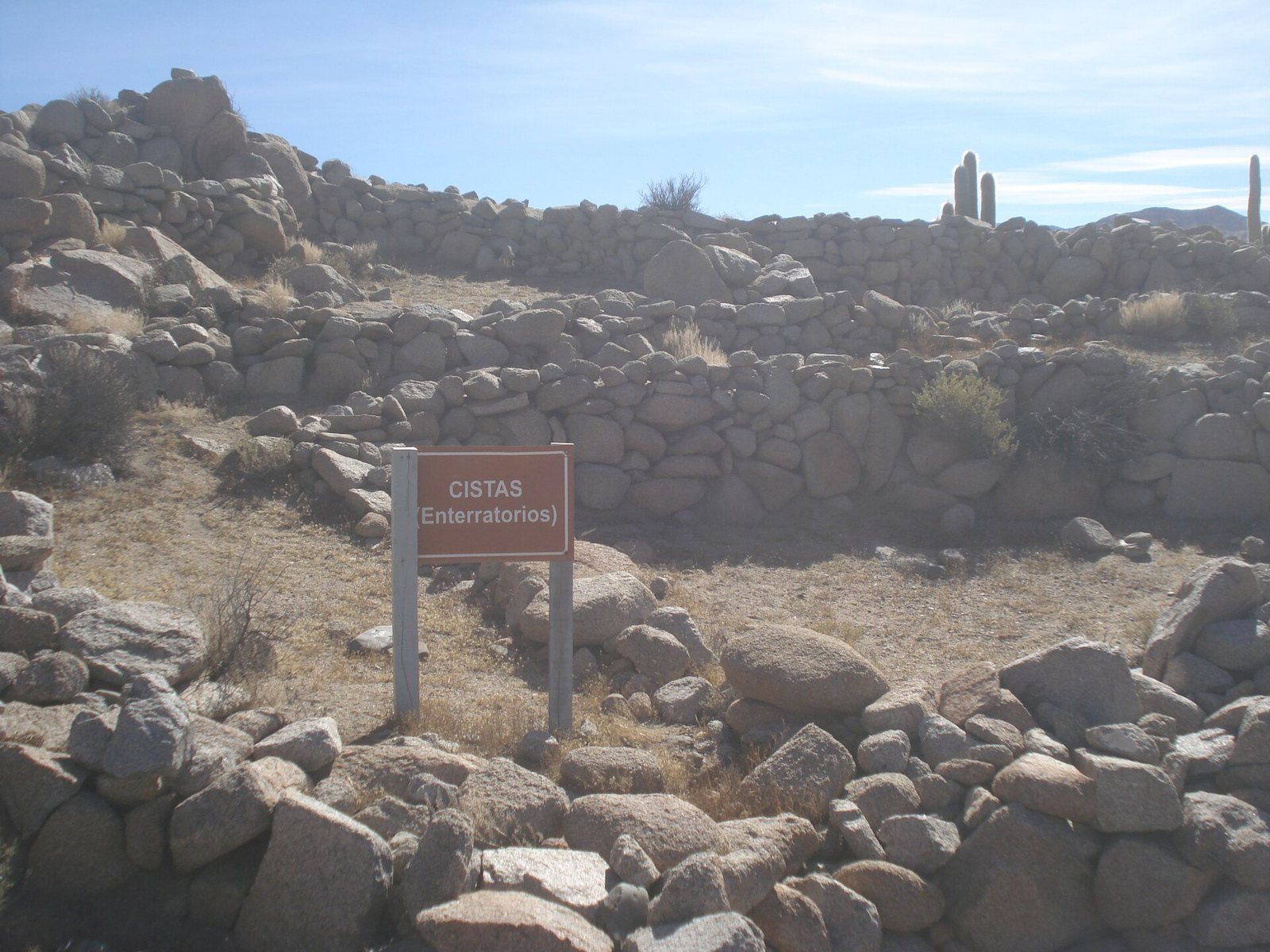
About 440 dwellings were built from stone slabs or blocks laid without mortar. The settlement also contains varied enclosures and cemeteries. Its raised, winding streets lead toward communal and public spaces and generally converge on a central plaza.
Plazas and sacred stone
Alongside the central plaza, Tastil has secondary plazas. A sacred stone known as a wanka stands in the main plaza and was used for ritual practices.
Working areas and fortress
Food processing and corrals
Remains of places for grinding quinoa and maize provide evidence of food processing at the settlement. Corrals built for llamas are also present.
Inca fortress
A fortress was built as part of the Inca reorganization of Tastil. It forms one of the settlement’s surviving features.
Museum collections
About 2.5 kilometres northwest of the ruins, the Moisés Serpa Regional Museum of Tastil in Santa Rosa displays artifacts recovered at Tastil and in the surrounding area, including a mummy.